Law Firm Branding: How to Position, Name, and Rebrand Your Firm
03/09/2025
Branding
A merger, a new practice area, or a founding partner’s departure can change what your firm needs its name and reputation to communicate. Here’s how to decide what to keep and what to change.

Ask three partners at your firm one question: “Which matters do we want clients to bring us next year?” Then read your homepage. If the partners agree but the website tells an older story, start with the messaging, practice-area pages, and lawyer bios. If the partners give three different answers, settle the positioning before commissioning a redesign. Law firm branding defines how clients and referral partners recognize your firm, understand its expertise, and remember when to call. A firm known for commercial litigation, for example, may want more employment matters. Before changing a name that already carries valuable referrals, ask a few referral partners whom they would call about a workplace dispute. Their answers can reveal whether the firm needs a new identity or simply needs to make an existing capability more visible. This guide covers how to define your firm’s position, evaluate a name change, and carry those decisions through to your visual identity and website. It also explains what to ask a law firm branding agency before you hire one.


What Are the Key Elements of Law Firm Branding?

Law firm branding gives clients and referral partners a clear answer to three questions: What kinds of matters does this firm handle? Why would I bring one to them? Who should I contact? Five elements work together to answer those questions: positioning, a credible reason to choose the firm, a recognizable identity, clear messaging, and a client experience that delivers on the promise.
1. Positioning: Decide Which Matters You Want to Be Known For
Think about the sentence you’d like a referral partner to finish: “Call this firm when ___.” Ask each partner at your firm to complete it independently. If one describes an industry, another names a practice area, and a third names a particular lawyer, you’ve found a decision worth making before you brief a designer.
The answer should be specific enough to guide an introduction. “We advise businesses” gives a referrer little to work with. “We advise founder-led companies preparing to sell” identifies a client and the moment they’re likely to need help. Once the partners agree on that distinction, capture it in a brand positioning statement.
2. Credibility: Give Each Claim Something a Reader Can Check
Look at the first paragraph on your homepage and underline every claim another firm could make. Words like experienced, responsive, and client-focused become useful when the reader can see what they mean.
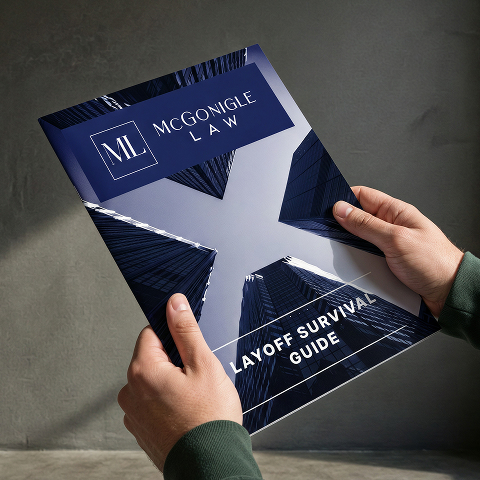
We developed the branding for McGonigle Law, a Los Angeles litigation firm. Its public website pairs its practice areas with a named founding attorney and information about his trial experience. A prospective client can move from “this firm handles my kind of dispute” to “here is whose experience I can review.” That’s a useful test for any firm: how far does a visitor have to go to find the evidence behind the headline? Explore McGonigle Law.
3. Name and Visual Identity: Preserve What Referrers Already Recognize
Before changing a firm’s name or logo, find out how people introduce it today. Do clients remember the full partnership name, use an abbreviation, or ask for one lawyer by name? The answer matters when a partner retires, two firms merge, or an established practice opens a second office.
Test the proposed identity in places where someone actually encounters the firm: a mobile search result, a lawyer’s email signature, a proposal cover, and the sign outside the office. A wordmark that looks polished on a presentation slide still needs to be legible in a forwarded email. Record the approved versions and naming conventions in your visual brand guidelines.
4. Messaging: Write for the Client and the Person Making the Referral
A referral partner may know the exact name of a practice area. A prospective client may only know what happened. A useful practice-area page serves both: give it a recognizable title, describe the situations the team handles in plain language, and introduce the lawyers who do the work.
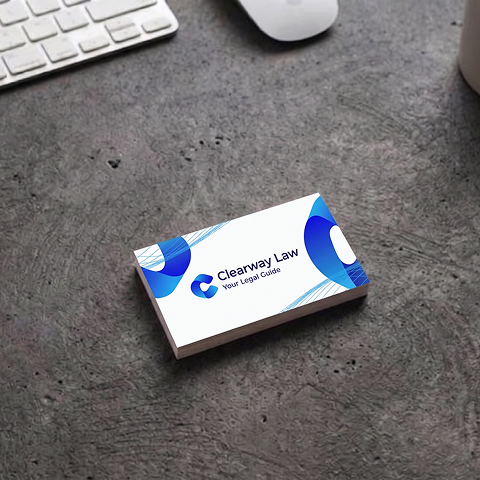
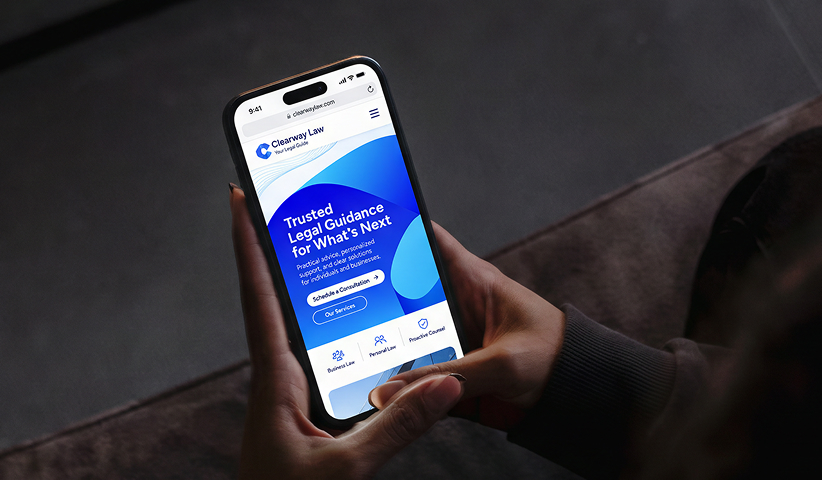
The same principle applies across the legal sector. We’ve also done creative design work for Clearway Law, whose current offering includes consultation software for legal teams. A lawyer evaluating software wants to see how it fits into a working day. Someone evaluating a law firm wants to know whether the team handles their situation. That difference should influence which headline, image, or demonstration leads the page. Explore Clearway Law.
5. Client Experience: Carry the Promise Through the First Enquiry
Follow the path from a referral email to a first conversation. Can the recipient find the right lawyer? Does the contact form explain what happens after submission? Does the acknowledgement give them a realistic expectation of when they’ll hear back?
If your firm promises direct communication, this is where a prospective client first experiences it. Reviews, community involvement, and professional events can also introduce people to the practice. Choose examples that tell them something specific about your team, then give anyone who looks you up afterward a clear next step.
What Services Does a Law Firm Branding Agency Provide?
The scope depends on what has changed at the firm. A new practice may need a name, positioning, and an identity. An established firm with strong referral recognition may need clearer practice-area messaging and a better website. When comparing proposals, look for the deliverables attached to each service.
- Brand strategy and positioning: Partner and stakeholder interviews, audience research, a review of competing firms, and an agreed statement of which clients and matters the firm wants to attract.
- Naming and brand architecture: Options for the firm name, a recommendation on how to present merged practices or offices, and a plan for introducing the change to existing clients and referrers.
- Visual identity and guidelines: A logo system, colour palette, typography, photography direction, and practical templates for proposals, presentations, and correspondence.
- Messaging and copywriting: A firm description partners can use in introductions, plus homepage copy, practice-area descriptions, and lawyer bios written for prospective clients.
- Website design and development: A site structure that connects matters with the lawyers who handle them, clear enquiry paths, and a plan for moving existing content and measuring enquiries after launch.
- Launch and communications: Referral-partner announcements, staff guidance, directory updates, and a rollout schedule. If the engagement includes PR or ongoing social media, ask who will manage those channels after launch.
A useful proposal names what the partners need to approve, what the agency will produce, and what the firm will be able to manage itself afterward. Explore The Branded Agency’s brand strategy and identity services.
What Does the Law Firm Branding Process Look Like?
- Agree on the business objective. Identify the change prompting the project and establish a baseline. A merger may require a smooth transition for referral partners. A growing practice group may care most about increasing enquiries for a particular type of matter. Name the person responsible for the final decision.
- Research how the firm is perceived. Interview partners, intake staff, and referral sources. Review the website, lawyer bios, proposals, and competing firms. Ask intake staff which enquiries they regularly redirect. Those conversations can reveal where the current brand sends the wrong signal.
- Approve positioning and naming decisions. Agree on the audience, the reason to choose the firm, and the evidence behind that claim. Decide which existing names or visual elements carry recognition worth preserving.
- Develop the identity and messaging together. Evaluate the proposed direction on a real practice-area page, lawyer bio, and referral email. Partners can give better feedback when they see the identity doing the work it was designed for.
- Plan the rollout around the people who refer and receive work. Brief staff, prepare partner announcements, update directories, and test enquiry routes. For a rename or merger, make sure someone searching the former firm name can find the current practice.
- Measure whether the right matters are coming through. Review qualified enquiries by practice area, ask new clients how they heard about the firm, and check whether referral partners understand what changed. If traffic grows but intake still spends the same amount of time redirecting unsuitable enquiries, revisit the messaging.
Before launching your own branding project, ask the partners and the intake team the same question: “Which matters would we like more of, and what makes someone think of us for that work today?” The gap between their answers gives your agency a brief it can act on.
Free Brand Health Audit
Make sure your brand is built to sell
Search has changed. Your customers aren't just Googling anymore. They're asking ChatGPT, Perplexity, Gemini and other AI platforms what to buy, who to trust and which brands they should consider.
If your brand isn't showing up clearly in those answers, you're already losing opportunities. Our free Brand Health Audit shows you where your brand stands across traditional search, AI search and brand positioning.

Sample brand audit
Live preview
Traditional search
72
AI search (GEO)
34
Brand positioning
58
How to Make Your Law Firm Stand Out from Competitors



Try this with your homepage: cover the firm name and logo, then read the opening paragraph aloud. Could a partner tell it was yours? Phrases like “trusted advisers,” “client-focused service,” and “a commitment to excellence” express qualities clients value, but they give someone comparing three firms little basis for choosing one.
Start with a sentence a competitor would have to change. For example, a commercial firm might write: “We help founders prepare their businesses for sale, from the first conversation about timing through negotiations with a buyer.” A founder can recognize the situation. An accountant can recognize when to make a referral. A lawyer writing the next article knows which reader they’re trying to help.
Give Each Practice Area Its Own Reason to Call
A managing partner may describe the firm through its practice groups. Clients tend to arrive with a problem, a deadline, or a decision. A useful practice-area page connects those two perspectives. Keep the familiar service name in the heading, then use the opening paragraph to describe the circumstances that bring someone to the firm.
Consider an employment practice that represents employers. A business owner visiting its website wants to know whether the lawyers advise organizations like theirs, who would handle the matter, and how to arrange a conversation. A page that answers those questions also helps a referral partner send the right link with a one-line introduction.
Publish the Expertise Clients Ask For
Ask three lawyers for a question they regularly hear in a first meeting. Choose one and have the lawyer who handles that work write or review a useful answer. For the commercial firm above, “What should a founder have ready for a first conversation about selling a business?” is a more distinctive starting point than another article introducing corporate law.
Put the answer on the relevant practice page or link to it there. Identify the author and give readers a path to their bio. The same piece can support a referral email, a LinkedIn post, or a follow-up after a meeting. Each use puts the firm’s own thinking in front of someone with a reason to read it.
Make One Brand Promise Visible in the Client Experience
If your firm says clients will always know what happens next, test that promise from intake through follow-up. Does the enquiry confirmation say when someone will respond? At the end of a consultation, does the client know who owns the next step? Does the follow-up email use the same plain language the lawyer used in the room?
Those details give “clear communication” a meaning that partners, assistants, and clients can all recognize. Your brand voice guidelines are a good place to record an example, especially if several offices or practice groups share responsibility for client communications.
Do Law Firms Need Branding if Most Clients Come Through Referrals?
Yes. A referral introduces the firm; the brand helps the recipient decide whether to make contact. Someone who hears “Call this lawyer” may look up the name, read a bio, and forward a practice page to a business partner before calling. That page should make it easy for the second person to understand why the recommendation was made.
For a firm with a strong referral practice, start with a simple exercise. Ask a trusted referral source to draft the email they would use to introduce you. Compare their wording with your homepage. If the referrer can explain your value more clearly than your own copy does, you have a strong starting point for the rewrite.
How Is Law Firm Branding Different from Other Business Branding?
A law firm is a professional services business. The familiar branding questions still apply: who are you for, why should they choose you, and what evidence supports that choice? What deserves particular attention in a law firm is how people evaluate the expertise they’re about to hire.
A buyer can inspect a product before purchasing it. A prospective legal client may have to choose counsel before they fully understand the work involved. Make that decision easier with a clearly described practice, a named lawyer, relevant experience, and a straightforward explanation of the first conversation.
There’s also a relationship between the individual lawyer’s reputation and the firm’s name. One client may ask for a founding partner; another may need a team that can support their business for years. Look at your lawyer bios and practice pages together. Can someone who knows one partner discover the wider team? Can someone who knows only the firm find the right person to call? A useful law firm brand makes both journeys easy.
Want to learn more about brand platforms, Brand Strategy and Brand Identity? Keep reading!
If you need help with your companies brand strategy and identity, contact us for a free custom quote.
What Are the Biggest Challenges in Law Firm Branding?

One of the hardest parts of law firm branding is deciding what the firm should be known for when its lawyers do different work and have reputations of their own. A managing partner wants the website to represent the whole practice. A referral partner wants to know whom to call about a particular matter. A prospective client wants to know what happens after they get in touch. A strong brand gives each person a clear answer.
Bringing Several Practice Areas Under One Brand
When every practice group asks for equal space on the homepage, the result can read like an internal directory. Start by identifying what connects the work. A firm advising business owners might organize its story around the decisions those clients face: bringing on a partner, hiring employees, resolving a dispute, or preparing to sell. The formal practice-area names can still appear in the navigation for people who already know what they need.
A firm handling family law, criminal defence, and personal injury may have little overlap between clients. In that case, give each practice a clear route from the homepage. Build the shared identity around something the firm can deliver across all three, such as a clear explanation of who will handle the initial enquiry and what the first conversation involves.
Connecting Individual Lawyers’ Reputations to the Firm
A founder’s name can bring work through the door for decades. It can also leave clients unsure whom to call when that partner steps back or a matter falls outside their practice. Before changing the firm name or removing a familiar bio, find out how clients introduce the firm today. Ask the intake team whose names callers use and ask referral partners which links they send.
Then use lawyer bios to introduce the wider team. A partner’s profile can identify the matters they lead, the colleagues they work with, and the person to contact for a related service. When a lawyer speaks at a conference or publishes an article, link their byline to that profile. Someone who remembers the speaker now has a way to find both the individual and the practice behind them.
Keeping Multiple Offices Consistent While Respecting Local Differences
Decide what belongs to the firm as a whole and what each office needs to manage. The name, visual identity, and overall positioning can be shared. Office pages should identify the lawyers based there, the work they handle, and accurate contact details. Give one person at each location responsibility for keeping that information current.
Marketing claims also need local review. For example, British Columbia’s professional conduct rules address misleading and unverifiable marketing of legal services. A firm working across jurisdictions should identify who reviews proposed claims, credentials, and testimonials under the rules that apply in each market. Read the Law Society of British Columbia’s guidance on marketing legal services.
Making a Brand Promise the Intake Team Can Deliver
Words like responsive and accessible are easy to approve in a partner meeting. The harder question is what a client will actually experience on a busy Thursday. If your website promises a call from a lawyer but the first conversation is with an intake coordinator, introduce that person and explain their role. An accurate expectation is useful from the moment someone submits the form.
Reviews can help you identify where the promise and experience diverge. If several people praise how clearly the team explained the next step, find out what staff did well and make it part of the process. If callers repeatedly ask when they’ll hear back, start with the acknowledgement email and the handoff between intake and the lawyer.
How to Build a Recognizable Law Firm Identity
Give partners, intake staff, and anyone writing on the firm’s behalf a short reference they can use. Five decisions belong in it:
- Brand promise: What can a client reasonably expect from the firm? Choose something staff can deliver and clients can observe.
- Core message: What kinds of matters should prompt someone to call? Write one sentence a referral partner could use in an introduction.
- Brand voice: How does the firm explain a difficult subject? Include an approved example from a practice page or client email so writers can hear the difference. Explore how to develop brand voice guidelines.
- Brand story: Which decision in the firm’s history explains the practice it runs today? A founder establishing a practice, two teams merging, or the addition of a new capability gives readers a specific story to remember.
- Visual identity: How should the name, logo, typography, and photography appear on the website, proposals, presentations, and office signage? Show one finished example of each item the team uses regularly. See what to include in visual brand guidelines.
How to Build Visibility for a Law Firm Brand
Once the firm has agreed on its message, start with the people in a position to introduce it. A commercial practice might ask accountants which questions business owners raise before a sale. A family law practice might ask its intake team what callers want to know before booking. Those answers can guide the next article, presentation, or community event.
- Publish through the lawyers who know the subject. Give an article a named author, a specific audience, and a question worth answering. Connect it to the relevant practice page and lawyer bio so a reader can follow up.
- Give professional partners something useful to share. A short briefing co-hosted with an accountant can help business owners understand which questions to bring to each adviser. A one-page follow-up gives attendees something they can use after the event.
- Choose community involvement the firm can sustain. A recurring workshop or longstanding local relationship gives people more opportunities to get to know the team than a logo on a sponsorship page. Make clear who from the firm participates and how.
- Measure the introductions you want more of. Ask intake to record how someone found the firm, which lawyer or resource they remember, and whether the enquiry fits the practice. Review those answers with the partners before deciding where to spend the next marketing dollar.
The most revealing question is often the simplest: “What made you think of us for this matter?” If clients, colleagues, and referral partners keep giving the same specific answer, you know which part of the firm’s reputation to build on.
Where to Start With Your Law Firm’s Brand

Take a referral your firm would like to receive again. Read the introduction, then open the page the prospective client saw first. If the referral says, “They’re the people I’d call for a shareholder dispute,” but the homepage says only “business law,” someone else has done the most persuasive part of the firm’s branding for you. Use that introduction to sharpen the practice page, show which lawyers handle those disputes, and give the reader a clear next step.
That exercise can also help you scope a rebrand. If the partners agree on the work they want and referrers already know the firm by name, clearer messaging and a better website may be enough. If a merger, succession, or change in practice has altered what the name stands for, settle the positioning before investing in a new identity.
At The Branded Agency, our legal-sector experience includes branding for McGonigle Law and creative design work for Clearway Law. If you’re considering a rebrand, talk to our team. Tell us which matters you want more of and what prompted the conversation. That gives us a useful place to start.

Sloane Avery
As entrepreneurs, they’ve built and scaled their own ventures from zero to millions. They’ve been in the trenches, navigating the chaos of high-growth phases, making the hard calls, and learning firsthand what actually moves the needle. That’s what makes us different—we don’t just “consult,” we know what it takes because we’ve done it ourselves.
Want to learn more about brand platform?
If you need help with your companies brand strategy and identity, contact us for a free custom quote.
We do great work. And get great results.
+2.3xIncrease in revenue YoY
+126%Increase in repurchase rate YoY




+93%Revenue growth in first 90 days
+144% Increase in attributed revenue




+91%Increase in conversion rate
+46%Increase in AOV




+200%Increase in conversion rate
+688%Increase in attributed revenue