Advertising in AI Search: How Brands Can Appear in ChatGPT, Google AI Mode, Copilot and Perplexity
08/21/2026
Marketing Services
A 2026 guide to advertising across ChatGPT, Google AI Mode, Microsoft Copilot, and Perplexity — and how to pair paid AI placements with organic GEO visibility.
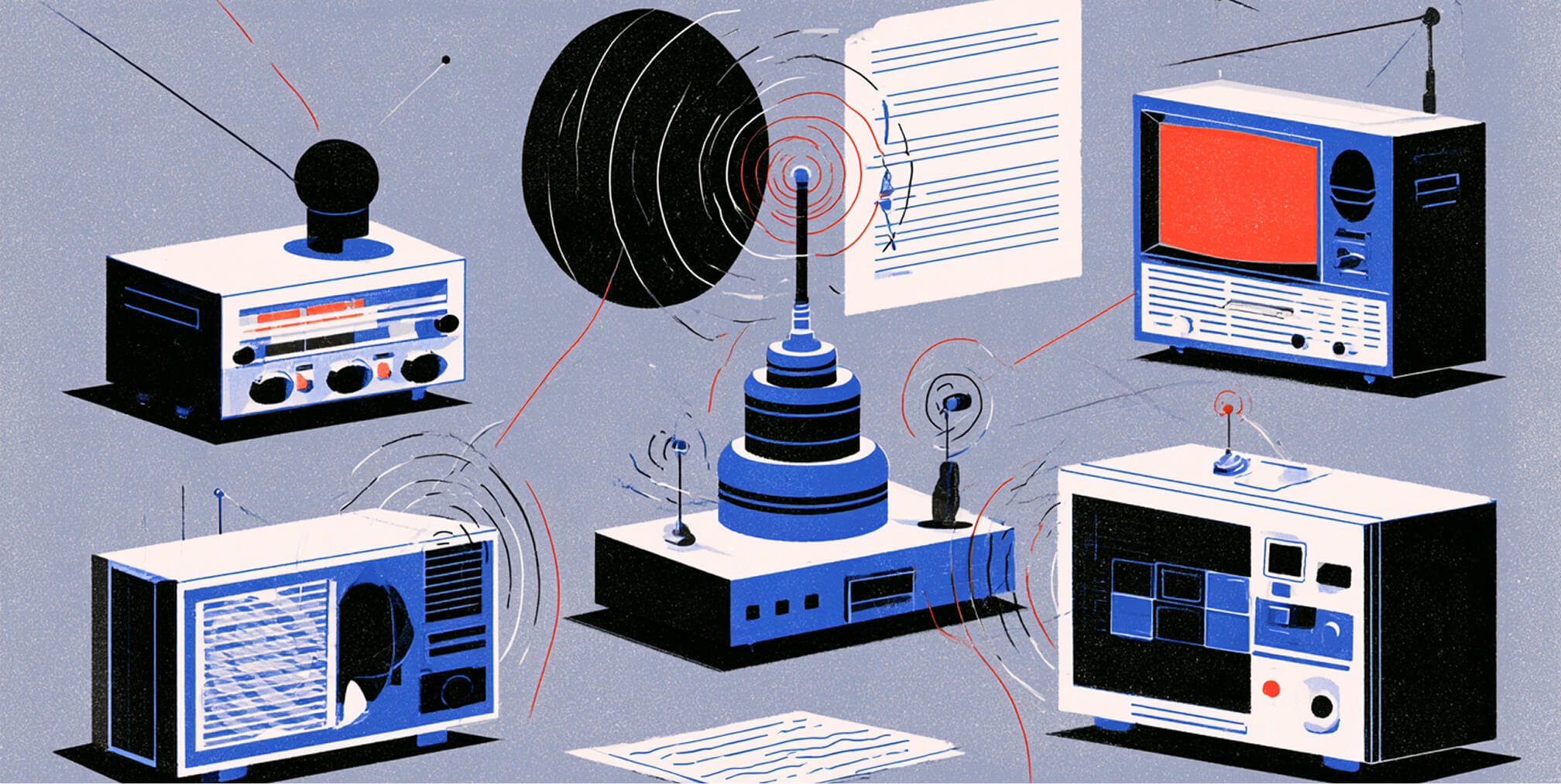
AI is changing how people search, compare products and make purchasing decisions.
.png)


What AI Search Advertising Is, How It Differs From Paid Search, and Advertising on ChatGPT

Instead of entering a few words into a conventional search engine, consumers can now explain exactly what they need in one conversation, including their budget, intended use, preferred features and stage of the buying journey. For advertisers, this creates a new opportunity: reaching potential customers while they are actively evaluating options rather than waiting for them to enter a perfectly matched keyword.
ChatGPT has launched a self-serve advertising platform. Microsoft can serve ads within Copilot responses through eligible Microsoft Advertising campaigns. Google is introducing new ad formats across AI Mode and other AI-powered Search experiences. Perplexity remains highly relevant to brand discovery, although paid advertising availability is more limited. This guide explains how advertising in AI search works, which platforms currently support paid placements and how brands can combine AI advertising with organic Generative Engine Optimization, or GEO.
What Is AI Search Advertising?
AI search advertising refers to paid brand or product placements displayed within or alongside AI-generated search and assistant experiences. These advertisements can appear while someone is asking a question, researching a category, comparing products, evaluating alternatives, planning a purchase, looking for a local service, requesting a recommendation, or moving toward a transaction.
AI advertising differs from conventional search advertising because the platform may have access to significantly more context than a short search query provides. A user searching Google for "best accounting software" provides a general topic. A user asking an AI assistant for the best accounting platform for a Canadian creative agency with ten employees, international contractors and approximately $2 million in annual revenue provides a much clearer picture of the business, location, scale, use case and likely requirements. The advertiser does not receive the user's private conversation. However, the AI platform can use the context within that conversation to determine which eligible advertisement is relevant.
How Is AI Advertising Different From Paid Search?
Traditional paid search is primarily organized around keywords, search queries, bidding and audience signals. AI advertising is increasingly organized around conversational context.
| Traditional Paid Search | AI Search Advertising |
|---|---|
| Often begins with a short search query | Can interpret a detailed conversation |
| Advertisers build keyword and audience structures | Platforms may match ads with broader conversational intent |
| Results appear on a search results page | Ads can appear within or below an AI experience |
| The advertiser anticipates specific phrases | The system interprets needs expressed in natural language |
| Mature benchmarks and attribution models | New formats and limited historical benchmarks |
| Often leads directly to a website | May support deeper conversational discovery before a click |
Keywords will not disappear. They remain important to understanding demand and to platforms such as Google and Microsoft. What is changing is the amount of context available around the search. AI systems can potentially understand not only what someone typed, but also why they need the product, which features matter, what they have already considered, which alternatives they rejected, their budget, their timeline, their location, and the trade-offs they are willing to make. That context can make an ad more relevant, but it also raises expectations. Generic promotional copy may feel especially out of place in an otherwise useful conversation.
Which AI Platforms Currently Offer Advertising?
The AI advertising market is not uniform. Each platform has a different product, buying process and level of maturity.
| Platform | Current Paid Opportunity | How Advertisers Access It |
|---|---|---|
| ChatGPT | Sponsored ads below eligible responses | OpenAI Ads Manager |
| Google AI Mode and AI Overviews | AI-powered Search ad formats and eligible campaign delivery | Google Ads |
| Microsoft Copilot | Ads within eligible Copilot responses | Microsoft Advertising |
| Perplexity | No broadly available self-serve ad manager at publication | Organic citations, GEO and direct partnerships |
| Claude | No general self-serve advertising platform | Organic brand visibility |
| Gemini app | Distinct from ads in Gemini-powered Google Search | Google Ads for eligible Search experiences |
| Meta AI | Not a comparable standalone self-serve ad product | Meta Ads Manager for established placements |
Businesses should not assume that every AI assistant has a dedicated ads manager. In several cases, advertising appears in an AI-powered experience but is purchased through an established advertising platform. Google AI Search ads are managed through Google Ads, while Copilot advertising is connected to Microsoft Advertising. ChatGPT is currently the clearest example of a dedicated, self-serve AI assistant advertising platform.
1. Advertising on ChatGPT
OpenAI now allows eligible businesses to create campaigns through OpenAI Ads Manager Beta. Ads can appear below relevant ChatGPT responses and are clearly labelled as sponsored. OpenAI states that paid placements remain separate from ChatGPT's answers and do not allow an advertiser to influence what the model says.
Advertisers can currently select between Views campaigns, optimized for visibility using CPM pricing, and Clicks campaigns, optimized for website traffic using CPC pricing. Campaigns can include objectives, daily or campaign-total budgets, dates, geographic targeting, ad groups, context hints, titles, descriptions, images, landing pages, and conversion measurement.
OpenAI Ads Manager is currently available to advertisers in Canada, the United States, the United Kingdom, Australia, Japan, Korea and New Zealand. OpenAI maintains an updated list of available advertiser countries.
How ChatGPT Ads are matched
ChatGPT advertising uses conversational context instead of relying exclusively on conventional keyword targeting. Advertisers add context hints that describe the conversations, needs and situations in which their products or services may be relevant. A generic context hint such as "marketing agency" is unlikely to communicate much value. More descriptive context hints could include founders comparing agencies for an upcoming consumer-product launch, or marketing leaders seeking one agency for brand strategy and paid media. These are not exact-match keywords. They are thematic signals that help the platform understand when the advertisement might be useful.
Who sees ChatGPT Ads?
Ads may appear to eligible users on ChatGPT Free and Go plans. Plus, Pro, Business, Enterprise and Edu accounts do not receive ads. Ads are also excluded from Temporary Chats, under-18 accounts and sensitive conversation contexts. OpenAI says advertisers do not receive users' chats, memories, names, email addresses or personal details. Advertisers receive aggregated reporting about campaign performance. OpenAI explains its current approach to ChatGPT Ads, privacy and placement.
Best use cases for ChatGPT advertising
ChatGPT Ads may be particularly relevant for considered purchases where customers ask detailed questions before acting, including consumer technology, travel, household products, business software, education, local services, professional services, products with several points of comparison, and products that solve a clearly articulated need. ChatGPT advertising may be less useful for products that depend primarily on impulse, entertainment or passive discovery, although the channel's formats may expand over time. For detailed setup instructions, read our complete guide to how to advertise on ChatGPT.
Free Brand Health Audit
Make sure your brand is built to sell
Search has changed. Your customers aren't just Googling anymore. They're asking ChatGPT, Perplexity, Gemini and other AI platforms what to buy, who to trust and which brands they should consider.
If your brand isn't showing up clearly in those answers, you're already losing opportunities. Our free Brand Health Audit shows you where your brand stands across traditional search, AI search and brand positioning.

Sample brand audit
Live preview
Traditional search
72
AI search (GEO)
34
Brand positioning
58
Advertising in Google AI Mode, AI Overviews, and Microsoft Copilot
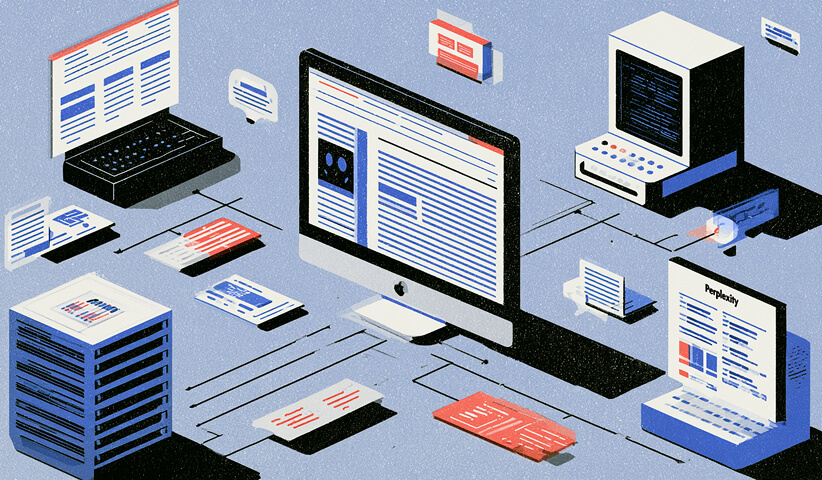


2. Advertising in Google AI Mode and AI Overviews
Google is incorporating advertising into AI-powered Search experiences, including AI Mode and AI Overviews. This is often described informally as "Gemini advertising," but that terminology can be misleading. Gemini is the AI technology behind many Google products. Advertising in a Gemini-powered Search experience is not necessarily the same as advertising inside the standalone Gemini assistant. Advertisers generally access these opportunities through existing Google Ads campaigns rather than creating a separate Gemini Ads account.
Google has stated that advertisers using eligible campaign types, such as Performance Max, Shopping and Search campaigns with broad match, including AI Max, may be eligible for placement within AI Overviews and AI Mode. Google explains how existing campaigns can become eligible for AI-powered Search experiences.
Google's evolving AI ad formats
Google has announced several AI-powered Search advertising experiences, including Conversational Discovery ads, Highlighted Answers, AI-powered Shopping ads, product guidance inside AI search journeys, and new commerce and checkout experiences. Rather than displaying only a headline and description, an AI-powered ad may help answer a question about product compatibility, features, use cases, price, availability, differences between options, and purchase considerations. Google says its new formats use Gemini to provide tailored product information and help users move from an initial question toward a purchase. Google's 2026 AI Search advertising announcement outlines these changes in more detail.
How brands can prepare for Google AI Search ads
Advertisers should focus on the quality and completeness of their existing Google Ads foundation: accurate Merchant Center feeds, complete product attributes, high-quality images, strong landing pages, clear pricing and availability, conversion tracking, first-party data, broad-match and AI Max testing, Performance Max campaign quality, consistent brand information, and useful product descriptions. AI-powered Search relies on data. If a product feed is incomplete, a landing page is vague or conversion tracking is unreliable, automation has less useful information to work with.
Should you create a "Gemini Ads" campaign?
Not necessarily. At publication, the more accurate approach is to optimize eligible Google campaigns for AI-powered Search opportunities. Advertisers should distinguish among Gemini the AI model and assistant ecosystem, Google AI Mode, AI Overviews, Gemini-powered tools inside Google Ads, and ads that may appear within Google's AI Search experiences. A future dedicated advertising product inside the Gemini app may be possible, but advertisers should not present it as currently equivalent to OpenAI Ads Manager unless Google officially launches that capability.
3. Advertising in Microsoft Copilot
Microsoft serves advertising in eligible Copilot responses through Microsoft Advertising. Unlike ChatGPT Ads, advertisers generally do not create an entirely separate Copilot campaign. Microsoft can assemble Copilot ads using assets from eligible campaigns, including text and images. Microsoft states that eligible campaigns and ad types may be automatically eligible to appear in Copilot, although there is no guarantee that an individual ad will be displayed. Microsoft's documentation explains how ads can be delivered in Copilot.
Why Copilot advertising matters
Microsoft has several advantages in AI search advertising: Bing search infrastructure, Microsoft Advertising, the Edge browser, Windows, Microsoft 365, shopping and commerce data, Copilot's conversational interface, and established advertiser relationships. This gives Microsoft the ability to connect conventional search advertising with conversational AI discovery. Someone using Copilot may ask for help selecting software, business services, travel options, technology products, financial tools, professional equipment, education, or consumer products. Eligible advertisements can be displayed when Microsoft determines they are relevant to that interaction.
How to prepare for Copilot ads
Because Copilot placements use Microsoft Advertising assets, advertisers should begin with their existing account: ensure campaigns are active and eligible, improve headlines and descriptions, add high-quality images, maintain accurate product feeds, use relevant landing pages, confirm conversion tracking, review audience and geographic settings, test Microsoft's automated campaign features, and monitor placement and performance reporting as available. The effectiveness of Copilot advertising will still depend on the quality of the underlying campaign.
Copilot as an advertising tool vs. ads inside Copilot
These are two separate concepts. Copilot in Microsoft Advertising helps advertisers create campaigns, generate recommendations and work within the advertising platform. Ads in Copilot are paid placements shown to users inside Copilot experiences. An article or campaign should clarify which meaning is intended.
Want visibility across every AI search surface? Keep reading!
If you need a partner who connects brand strategy, paid media, SEO, and GEO, contact us for a free custom quote.
Advertising on Perplexity, Paid vs. Organic AI Visibility, and Generative Engine Optimization
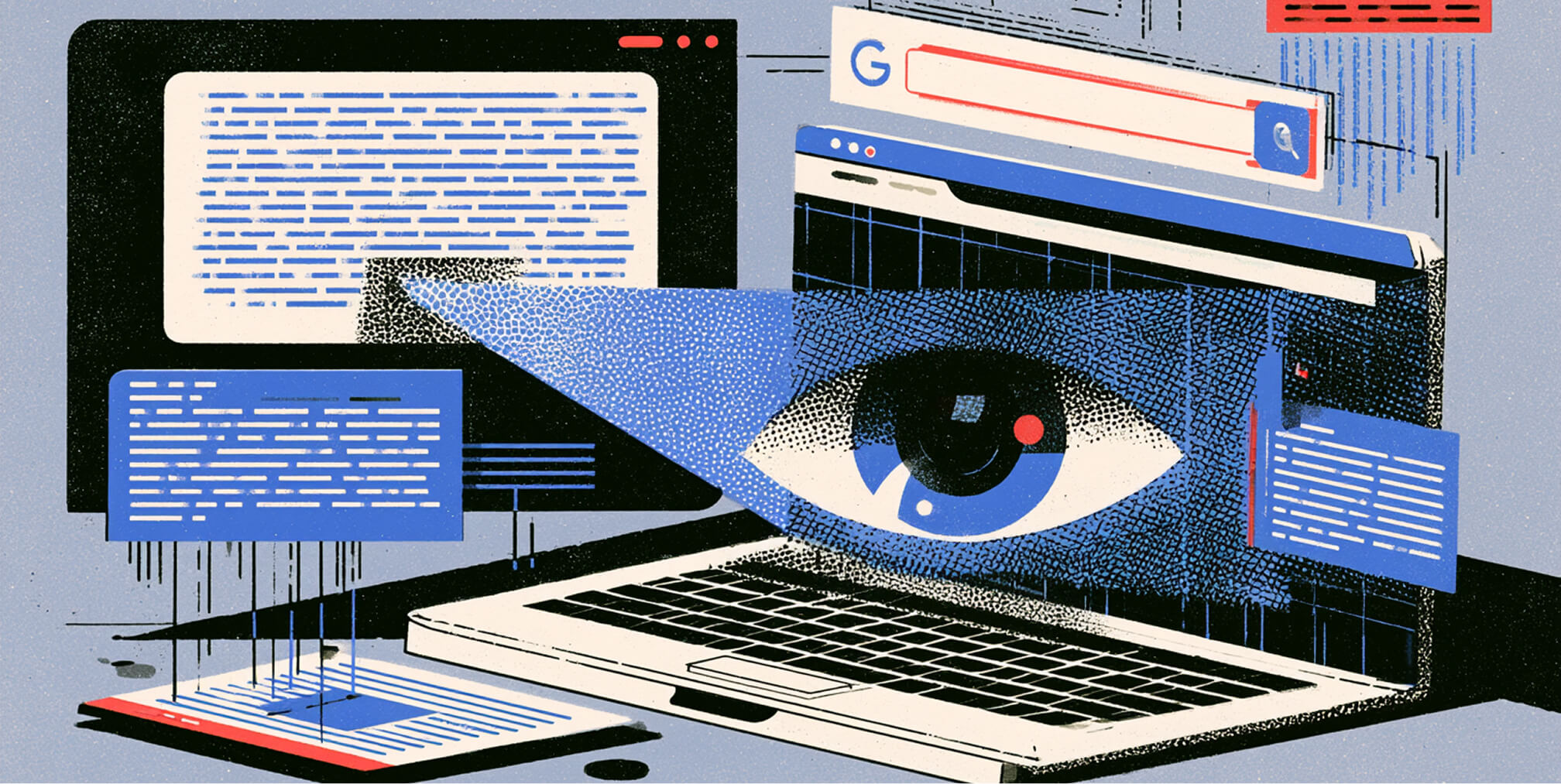
4. Advertising on Perplexity
Perplexity is an AI answer engine built around web research and citations. It has experimented with advertising and sponsored formats, but at the time of publication, it does not publicly offer a broadly available self-serve advertising platform comparable with OpenAI Ads Manager, Google Ads or Microsoft Advertising. Because AI products change rapidly, businesses should confirm current availability directly with Perplexity before making media plans.
The immediate opportunity for most brands is not purchasing Perplexity Ads. It is increasing the likelihood that Perplexity can find, understand and cite the brand organically.
How brands appear in Perplexity
Perplexity generates answers using information gathered from online sources. Brands can improve their eligibility for discovery by publishing information that is accessible, specific, current, well structured, consistent, supported by evidence, and cited by reputable third parties. Important sources may include the company website, product and service pages, original research, industry publications, news coverage, review platforms, comparison articles, business directories, public documentation, and expert commentary. Perplexity's source-led interface makes third-party credibility particularly important. A company saying it is the best option is advertising. An independent industry publication explaining why it is a credible option is evidence.
Paid AI Advertising vs. Organic AI Visibility
Paid advertisements and organic inclusion are not the same thing. A brand can purchase advertising without being cited in an AI-generated answer. It can also earn organic visibility without purchasing an advertisement.
| Paid AI Advertising | Organic AI Visibility |
|---|---|
| Advertiser pays for placement | Brand earns inclusion through relevant information and authority |
| Ad is labelled as sponsored | Brand may appear in the generated answer or cited sources |
| Controlled through an advertising platform | Influenced by website content, digital authority and third-party sources |
| Can generate traffic quickly | Usually requires sustained investment |
| Ends when spending stops | Can continue producing visibility over time |
| Does not guarantee organic recommendations | Does not guarantee consistent placement |
A complete AI visibility strategy should consider both.
What Is Generative Engine Optimization?
Generative Engine Optimization is the process of improving how a brand is understood, evaluated and cited by AI-powered search engines and assistants. GEO is also referred to as AI search optimization, Answer Engine Optimization, AI visibility optimization, LLM optimization, and generative search optimization. The terminology is still evolving, but the underlying goal is consistent: make a business easier for AI systems to identify and verify.
GEO includes: clear brand positioning, consistent company information, well-structured website content, direct answers to customer questions, product and service detail, expert authorship, original research, structured data, earned media coverage, high-quality backlinks, credible reviews, accurate business listings, and content that is easy to quote and cite. GEO does not involve secretly manipulating an AI model. It is closer to strengthening the brand's public evidence.
Why Digital PR Matters for AI Visibility
AI search engines often rely on third-party sources to validate claims. If a company's website is the only place describing its expertise, awards, product performance or market position, an AI system has limited independent evidence. Digital PR can create additional signals through news coverage, trade publications, expert interviews, product reviews, research citations, podcasts, industry commentary, reputable directories, partner websites, and event and conference profiles. The objective is not to manufacture mentions. It is to create legitimate evidence that supports what the brand says about itself. This is where brand strategy, SEO, public relations and GEO increasingly overlap.
How Product Feeds Support AI Advertising
Product data will play a growing role in conversational commerce. To accurately answer a detailed product request, an AI system may need the product title, category, price, currency, availability, materials, product features, shipping region, images, reviews, brand information, and landing-page URL. Incomplete or inconsistent data makes a product harder to evaluate.
OpenAI now allows retail advertisers to upload product feeds to create catalogue-based ChatGPT advertising campaigns. OpenAI says feed-based campaigns can help retailers bring more of their catalogue into the platform and match products with high-intent conversations. OpenAI's product-feed campaign documentation explains the setup process. Google Merchant Center already plays a similar foundational role across Google's commerce ecosystem. Brands preparing for AI commerce should treat product information as advertising infrastructure rather than administrative housekeeping.
Preparing Your Brand, Testing, Risks, and the Future of Conversational Advertising

What Makes an Effective AI Search Ad?
An effective AI search ad should feel useful within the context of the conversation. That does not mean disguising it as an organic answer. Ads should remain clearly identified and distinct. It means the message should help the user evaluate the offering.
Strong AI advertising communicates: what the product or service is, who it is designed for, which problem it solves, when it is useful, what differentiates it, and what the next step involves.
Weak AI advertising relies on: empty superlatives, vague brand language, unsupported claims, generic calls to action, irrelevant landing pages, and headlines that conceal the actual offer. For example, "Transform Your Future Today" is weak, while "Custom Shopify Design for Established Consumer Brands" is stronger because it gives the user enough information to determine whether the advertisement is relevant.
How to Prepare Your Brand for AI Advertising
1. Document customer conversations
Study how customers describe their needs in sales calls, customer-service tickets, reviews, search queries, Reddit discussions, social comments, chatbot transcripts, and website-search data. These natural-language expressions can inform context hints, landing pages and ad creative.
2. Improve product and service information
Make essential details easy to find: pricing, features, use cases, service areas, product specifications, eligibility, availability, timelines, comparisons, and frequently asked questions.
3. Align brand claims with evidence
If the ad says "award-winning," "clinically proven," "number one" or "trusted by thousands," the brand should be able to substantiate that claim. AI advertising platforms are emphasizing user trust and may reject misleading or unsupported messages.
4. Create intent-specific landing pages
Do not send every advertisement to the homepage. Build pages around specific customer needs, product categories, services and stages of consideration.
5. Strengthen measurement
At minimum, track impressions, clicks, spend, sessions, engaged visits, leads, purchases, revenue, cost per acquisition, and lead quality. Use platform conversion tools and consistent UTM parameters.
6. Establish an AI advertising policy
Define which platforms are approved, who controls advertiser accounts, which claims can be used, how creative is reviewed, how customer information is handled, how AI-generated assets are disclosed, which regulated categories require legal review, and who is responsible for final approval.
How Should Businesses Test AI Advertising?
AI advertising should begin as a controlled experiment. A recommended testing framework: select one clearly defined product or service, identify the relevant customer conversation, choose one measurable objective, build focused ad groups or campaign themes, develop several distinct messages, link each message to a relevant landing page, confirm conversion tracking, set a controlled initial budget, allow enough time to gather meaningful data, and evaluate business outcomes, not clicks alone.
Avoid comparing a small AI advertising test with years of optimized Google or Meta campaign history without considering maturity and scale. The first objective should be learning: does the platform reach the right type of customer, which conversational needs create engagement, does the traffic convert, is the customer acquisition cost viable, and what does the channel add to the broader media mix?
AI Search Advertising Risks
Limited benchmarks: Most businesses do not yet have reliable historical performance data for AI-native advertising.
Rapid product changes: Formats, policies, pricing and availability can change quickly.
Attribution complexity: A user may encounter a brand through an organic AI citation, a paid AI placement, a conventional search result and a social ad before converting.
Brand-safety concerns: AI conversations can involve sensitive subjects. Platforms are developing controls to prevent ads from appearing in inappropriate contexts, but no system is perfect.
Over-automation: AI can scale campaign decisions and creative variations, but incorrect data or weak positioning can also be scaled.
Misleading claims: Advertising policies apply to the complete customer journey, including the landing page. Unsupported claims can lead to rejection or account restrictions.
Is AI Search Advertising Worth It?
AI search advertising is worth testing when customers research before buying, products have meaningful points of comparison, the brand has clear product data, landing pages are strong, conversion tracking is reliable, the team can test without depending on immediate scale, and the customer journey naturally includes questions and evaluation.
It may be premature when the website does not convert, product data is incomplete, the value proposition is unclear, the company cannot measure results, the category is prohibited or heavily restricted, or the business expects the new channel to repair a weak offer. AI advertising can improve how a strong offer reaches the right person. It cannot compensate indefinitely for poor positioning, an uncompetitive product or a confusing customer experience.
The Future of Paid Search Is Conversational
Search is moving from fragmented keywords toward detailed exchanges. This does not mean Google Search disappears or every purchase happens inside a chatbot. It means conversational interfaces are becoming another meaningful part of the discovery journey.
The next generation of advertising will likely combine conversational context, search intent, product feeds, real-time availability, personalized recommendations, interactive product exploration, agent-assisted transactions, and cross-platform measurement. The brands best prepared for this shift will be those with clear positioning, accurate data, strong creative, credible third-party evidence, useful content, reliable measurement, and a willingness to test early.
FAQ
What is AI search advertising?
AI search advertising is the placement of paid advertisements within or alongside AI-generated search results and conversational assistant experiences.
Can I advertise on ChatGPT?
Yes. Eligible businesses in supported countries can create campaigns through OpenAI Ads Manager Beta.
Can I advertise in Google AI Mode?
Eligible Google Ads campaigns may appear in AI Mode and AI Overviews. Advertisers generally access these placements through Google Ads rather than a separate AI Mode ads platform.
Can I create Gemini Ads?
Gemini powers several Google products, but advertisers should distinguish between the Gemini assistant and Gemini-powered advertising experiences in Google Search. Current opportunities are generally managed through Google Ads.
Can I advertise in Microsoft Copilot?
Eligible Microsoft Advertising campaigns can appear within Copilot responses. Microsoft uses existing campaign assets to create relevant placements.
Can I advertise on Perplexity?
Perplexity does not currently present a broadly available self-serve ad manager comparable with OpenAI, Google or Microsoft. Availability can change, so businesses should confirm directly with Perplexity.
Do AI ads influence organic answers?
Paid advertising does not automatically influence whether a brand appears in an organic AI-generated response. Paid and organic visibility should be treated as separate strategies.
What is the difference between AI advertising and GEO?
AI advertising involves paying for sponsored placement. GEO involves improving the public information and authority that AI systems may use to understand and cite a brand organically.
How much do AI search ads cost?
Costs depend on the platform, objective, competition and campaign. ChatGPT Ads currently support CPC and CPM objectives, while Google and Microsoft use their respective advertising systems.
Are AI search ads better than Google or Meta Ads?
Not universally. AI advertising offers access to conversational intent, but Google and Meta provide more mature targeting, inventory and performance benchmarks. The right mix depends on the business and customer journey.
Final Thoughts
AI search advertising is becoming a legitimate paid-media category. ChatGPT offers direct self-serve campaigns. Google is expanding advertising throughout AI-powered Search. Microsoft can deliver eligible ads inside Copilot. Perplexity remains important for organic discovery even where paid opportunities are limited.
The opportunity extends beyond purchasing a new placement. Brands must understand how customers express needs conversationally, make their information accessible to AI systems, develop useful advertising and earn enough public authority to appear organically. The future will not be paid advertising or GEO. It will be both.
The Branded Agency helps businesses connect brand strategy, paid media, SEO, GEO, content and conversion optimization to build visibility across the complete customer journey. Contact The Branded Agency to discuss how AI advertising and organic AI visibility can support your growth strategy.

Quincy Samycia
As entrepreneurs, they’ve built and scaled their own ventures from zero to millions. They’ve been in the trenches, navigating the chaos of high-growth phases, making the hard calls, and learning firsthand what actually moves the needle. That’s what makes us different—we don’t just “consult,” we know what it takes because we’ve done it ourselves.
Want to learn more about brand platform?
If you need help with your companies brand strategy and identity, contact us for a free custom quote.
We do great work. And get great results.
+2.3xIncrease in revenue YoY
+126%Increase in repurchase rate YoY


+93%Revenue growth in first 90 days
+144% Increase in attributed revenue




+91%Increase in conversion rate
+46%Increase in AOV

+200%Increase in conversion rate
+688%Increase in attributed revenue