Brand Awareness Measurement: Metrics, Methods and Baselines

10/23/2026

Brand Strategy
Learn how to measure brand awareness, track meaningful growth metrics, and prove the business impact of your branding investments.

Brand awareness measured through surveys, branded search, traffic, and share of voice.

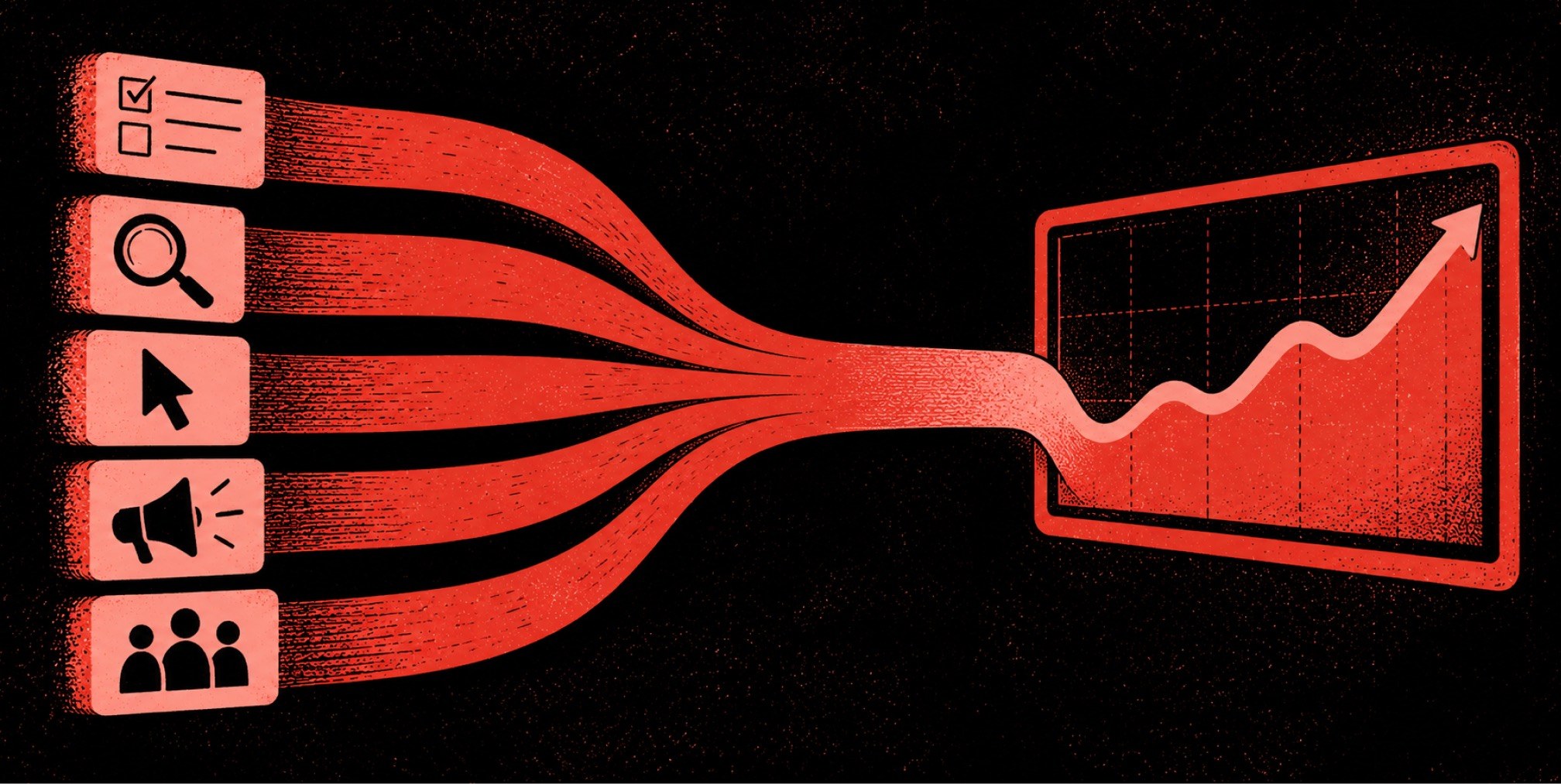
Brand awareness is measured by combining two kinds of evidence. The first is a recurring survey that asks real people whether they recall or recognize your brand. The second is a set of behavioral signals that move with awareness: branded search, direct traffic, share of voice and social mentions. No single number captures awareness. A tracking system that uses both, run on the same schedule against a fixed baseline, tells you whether awareness is growing and whether your spend is the reason.

Quincy Samycia
Play IconPause Icon
0:00
0:00

What brand awareness actually means

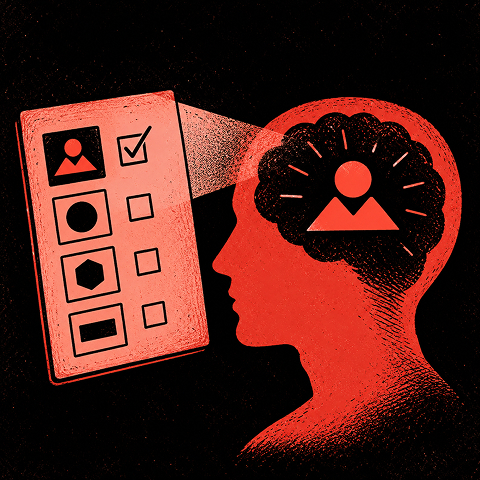
Three levels of brand awareness showing aided recognition, unaided recall, and top-of-mind recall.
Brand awareness survey measuring whether a brand is remembered by buyers.
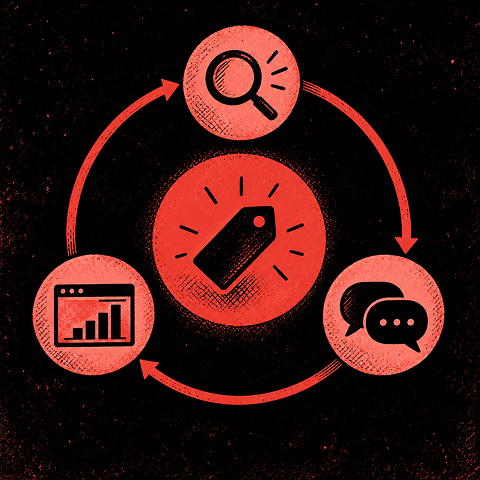
Branded search, website traffic, and social mentions tracked between brand awareness surveys.
No items found.

Academic researchers have tightened the definition. A 2022 article in the Journal of Advertising by Lars Bergkvist and Charles R. Taylor defines brand awareness as the likelihood that a person retrieves a brand identifier and a product category or category need from memory across brand-relevant situations.

That definition has a practical consequence. Awareness is not “people have heard of us.” It is whether your brand comes to mind when a buyer has a need. A SaaS buyer who needs a revenue intelligence tool and thinks of you has awareness. A buyer who nods when shown your logo has a weaker form of it.

The terms readers use for this overlap, so here is how we use them:

The three standard ways to measure awareness

If someone asks for the three ways to measure brand awareness, the standard survey answer is a ladder of three questions, each easier to pass than the last. B2B International describes them as top-of-mind recall, spontaneous (unaided) recall, and prompted (aided) recognition.

MeasureQuestion you askWhat it showsTypical useTop-of-mind“Which brand first comes to mind in [category]?”Category dominance. The first name given signals a strong association with the category.Market leaders, category creatorsUnaided recall“Which brands in [category] can you name?”Real memory strength without cuesChallengers building salienceAided recognition“Which of these brands have you heard of?”Basic familiarityEarly-stage brands, new markets

Read them as a funnel. If aided recognition is healthy but unaided recall is low, people know you when they see you but do not think of you when they need you. That is a positioning and frequency problem, not a reach problem. It calls for different work than low recognition does.

A second way to read the ladder is as three levels of the same thing. Some guides list “four levels” of awareness, often recognition, recall, image and identity. Zapier lists those four dimensions alongside the unaided and aided distinction. The first two are measurable by survey directly. Image and identity are about meaning, so measure them with association questions rather than awareness percentages.
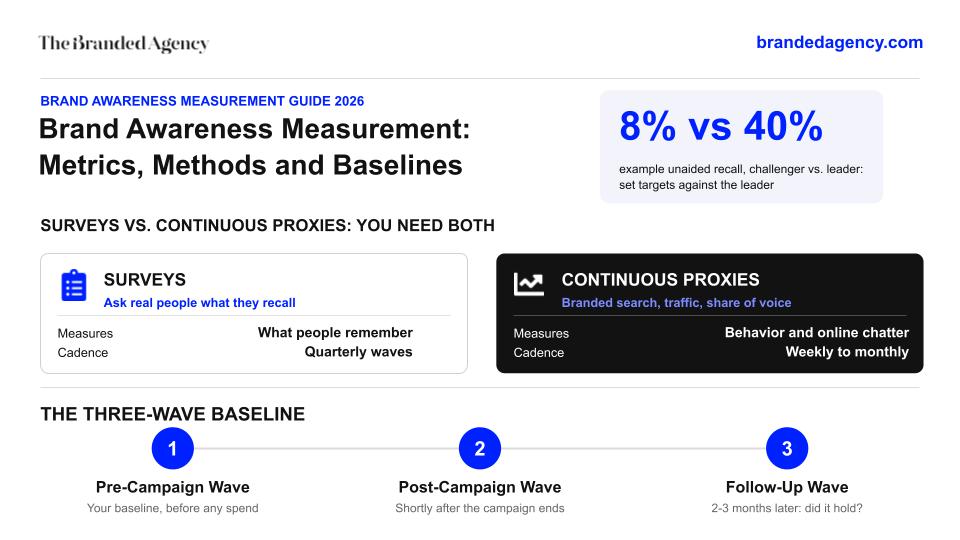
Brand awareness measurement infographic comparing surveys and continuous tracking metrics, with a three-wave baseline for measuring campaign impact.

How to run a brand awareness survey

Surveys are the backbone of awareness research. A 2024 systematic review in TEM Journal found that surveys are frequently used for data collection in brand-awareness studies. Here is the setup we recommend for a growth-stage company.

Survey results measure what exists in people’s minds, so they are never perfectly precise. The practical aim, as FlexMR frames it, is to find meaningful trends rather than overread small percentage differences. A two-point move between waves is usually noise. A sustained climb across three waves is a signal.

When to add qualitative research

Surveys quantify attributes you decided to ask about. The American Marketing Association notes that qualitative methods elicit unaided associations but are harder to quantify and scale. If you are repositioning or entering a new category, run a small round of interviews first. They tell you what words buyers use, and you can then build those words into the survey.

‍

Free Brand Health Audit

Make sure your brand is built to sell

Search has changed. Your customers aren't just Googling anymore. They're asking ChatGPT, Perplexity, Gemini and other AI platforms what to buy, who to trust and which brands they should consider.

If your brand isn't showing up clearly in those answers, you're already losing opportunities. Our free Brand Health Audit shows you where your brand stands across traditional search, AI search and brand positioning.

checkmark icon
AEO Health
checkmark icon
GEO Visibility
checkmark icon
Brand Health

Sample brand audit

Live preview

Traditional search

72

AI search (GEO)

34

Brand positioning

58

The continuous metrics that fill the gaps between surveys
Rising branded search volume indicating stronger brand awareness and consideration.
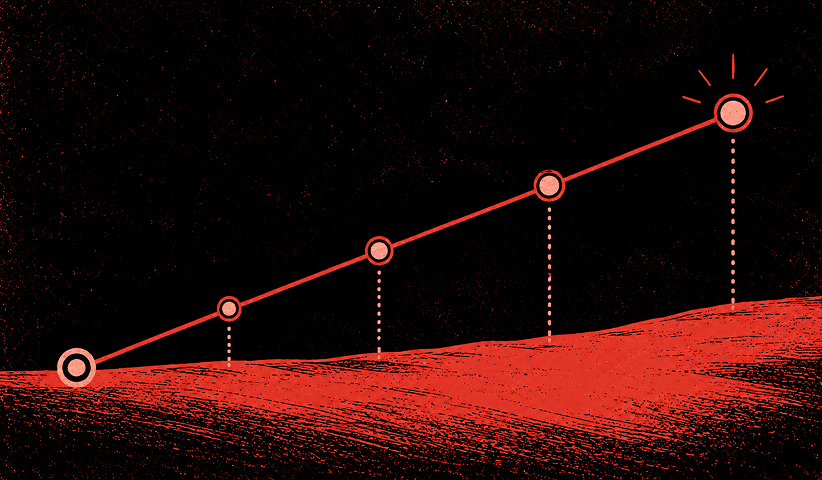
Brand awareness trend measured against a fixed baseline and competitive benchmark.
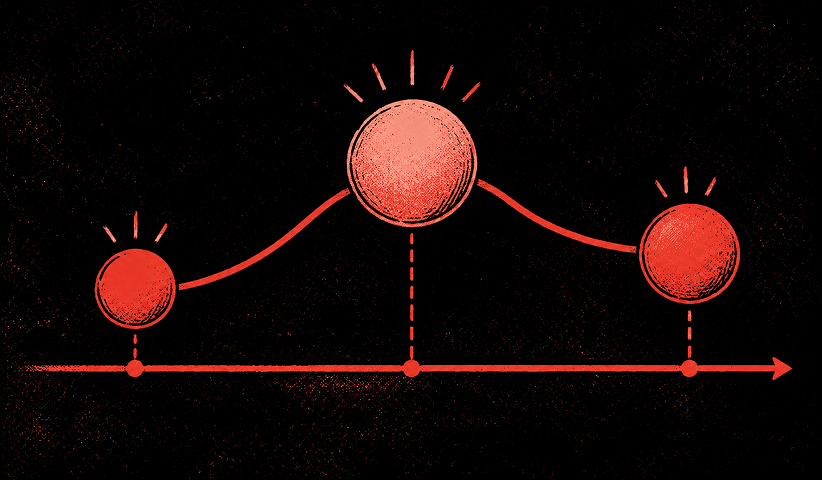
Brand awareness measured before, after, and months following a campaign to test lasting recall.
Control and exposed groups compared to measure incremental brand awareness lift from marketing.

Surveys are periodic and cost money. Proxy metrics run all the time and cost little. Their weakness is that they measure behavior and online chatter, not memory. FlexMR cautions that tracking software captures what is written online rather than everything in consumers’ minds. Use them to see direction between survey waves, never as the only evidence.

Branded search volume

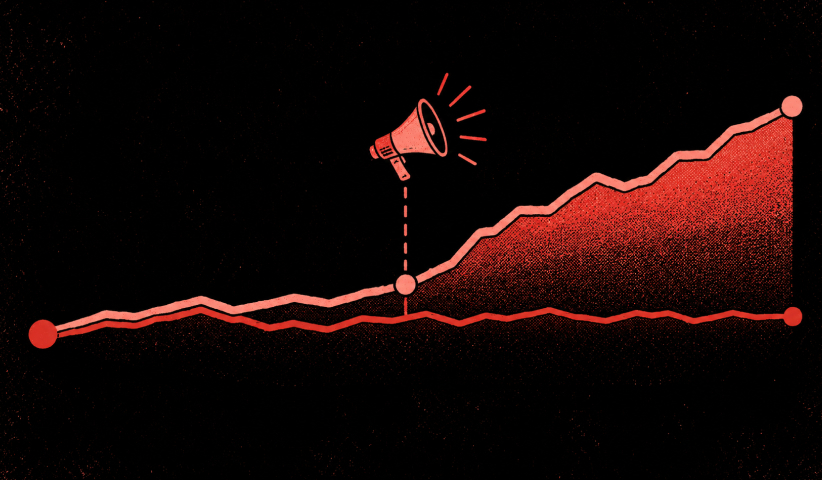
When more people know you, more people type your name into a search engine. It is one of the cleanest behavioral signals available. Google’s team describes branded search data as a daily, high-frequency proxy for consideration that can reveal near-immediate shifts after a campaign launches.

Two cautions from the same case study. Use queries specific to your brand, not generic category searches. And validate the trend against brand lift studies rather than trusting search data alone.

In Search Console, Google now offers a branded queries filter in the Performance report. It splits queries into branded and non-branded, so you can chart branded impressions and clicks without maintaining a keyword list by hand. Track impressions as your awareness signal and clicks as your navigation signal. If you want the SEO side of this, see our piece on brand visibility through SEO.

Direct and organic traffic

Direct visits and new users can reflect people who remembered you and typed your URL. Semrush recommends watching direct, referral, organic, organic-social and new-user traffic in Google Analytics 4. It also flags two traps: direct traffic can be misattributed, and paid campaigns can make traffic growth look like awareness growth.

So segment. Look at new users from direct and organic channels, exclude campaign-tagged traffic, and read the pattern against your spend calendar.

Share of voice

Share of voice shows how much of the conversation you own compared with competitors. Zapier defines social share of voice as your mentions divided by total mentions for you and your competitors, multiplied by 100. Track the same competitor set every period. If you add a new rival mid-year, your share will drop for reasons that have nothing to do with performance.

Social listening and mentions

Mention volume and sentiment tell you whether people talk about you, and in what tone. Count unprompted mentions that name you, not follower totals. Likes and follower counts are vanity numbers unless they connect to the buyers you want. If organic social is part of your plan, our guide to organic social media strategy and ROI explains how to tie it to outcomes.

‍

‍

Want to learn more about brand platforms, Brand Strategy and Brand Identity? Keep reading!

If you need help with your companies brand strategy and identity, contact us for a free custom quote.

Which metric should you choose?

Brand awareness dashboard combining survey results with search, traffic, share of voice, and consideration trends.

People ask for the key metric for brand awareness. The honest answer is that it depends on the objective, and the objective depends on your stage.

Your situationLead metricSupport withLaunching in a new categoryUnaided recallShare of voice, branded searchEntering a new market or segmentAided recognitionDirect and new-user trafficCrowded category, you are known but not chosenTop-of-mind and considerationBrand lift, branded searchRepositioning an established brandAssociation and perception shiftsSurvey plus qualitative interviewsPre-fundraise or board reportingTrend in unaided recall vs. named competitorsShare of voice

The research literature backs the idea of a basket. The TEM Journal review found that unaided awareness, aided awareness, perceived value, trust and word of mouth recur as awareness measures, and that digital contexts add elements such as information quality and market opinions. Our own guide to branding campaign objectives shows how to match an objective to the right metric before a campaign starts.

Set a baseline before you spend anything

An awareness number without a baseline is trivia. Before you launch a campaign or a rebrand:

Choose benchmarks that mean something

Industry averages make weak targets. Onclusive recommends comparing against your own baseline, your competitive set and relevant category norms rather than a generic average. A VC-backed challenger at 8% unaided recall in a category where the leader sits at 40% has a different job from a market leader defending its position. Set the target relative to the leader and your own starting point.

Measure over time, not right after exposure

Immediate post-exposure responses can confuse short-term memory with durable awareness. The TEM Journal authors’ perspective is that awareness should be tracked over time. In practice, run a wave before a campaign, one shortly after it ends, and another two to three months later. If the score falls back to baseline, you bought a blip. If it holds, you built memory.

Prove the lift is yours: lift studies and incrementality

Proxies can move for reasons you did not cause: seasonality, press, a competitor stumbling. To attribute movement to your marketing, add an experiment.

Google’s ASOS case study shows the combination. U.S. measurement using brand lift and geo experiments found a 22% lift in site visits and sales and a 14% lift in brand consideration, and in Canada a 200% lift in brand recall and a 300% lift in searches. These are one retailer’s results under its own conditions, not benchmarks for your business. The lesson is the method: mindset measures, incremental outcomes and search behavior, read together.

If you want to design this yourself, our practical guide to incrementality testing walks through the setup.

A simple tracking dashboard

One page is enough. Keep it to the following:

MetricSourceCadenceWhat a healthy trend looks likeUnaided recallSurveyQuarterlyClimbs across 3+ waves, gap to leader narrowsAided recognitionSurveyQuarterlyRises in target segmentsTop-of-mindSurveyQuarterlyFirst-named share increasesBranded impressionsSearch ConsoleWeeklyRises after campaigns and holdsDirect and organic new usersGA4WeeklyGrows with spend excludedShare of voiceListening toolMonthlyStable or rising vs. fixed competitor setConsiderationSurvey or lift studyQuarterlyMoves with recall, not ahead of it

Read the whole page together. Onclusive’s advice is to pair periodic brand-tracking surveys with continuously monitored proxies. When the survey and the proxies agree, you can be confident. When they disagree, investigate before you report.

Perspective: awareness is only worth measuring if it connects to growth

We see two failure modes in growth-stage companies. The first is reporting impressions and follower counts as if they were awareness. They are activity, not memory. The second is measuring awareness well and then never connecting it to pipeline, so the board decides it is a nice-to-have and cuts it.

Our view is that brand and performance are one system. That is what we mean by brand-backed performance™: the positioning and creative that make a buyer remember you also lift the efficiency of every paid and retention channel downstream. So we measure awareness alongside the commercial numbers it should move: branded search, conversion rates on direct traffic, cost of acquisition, repeat purchase. When awareness rises and those follow, the brand work is paying for itself. When awareness rises and they do not, the problem is usually in the offer, the site or the follow-up, and that is worth knowing too.

We also advise setting expectations early. Awareness measurement is directional. Chasing a one-point survey wiggle wastes a quarter. Pick a baseline, pick a handful of metrics, hold the method steady and judge the trend.

Where The Branded Agency fits

Measuring awareness is one job. Building it is another, and the two work best under one roof. We handle brand strategy and positioning, the website that converts the attention you earn, and the paid media management that scales it. Our paid media management starts from 5,500 USD per month, and Growth Strategy engagements start from 8,500 USD per month. Branding and web projects are scoped individually. See current options on our pricing page.

‍

Frequently Asked Questions

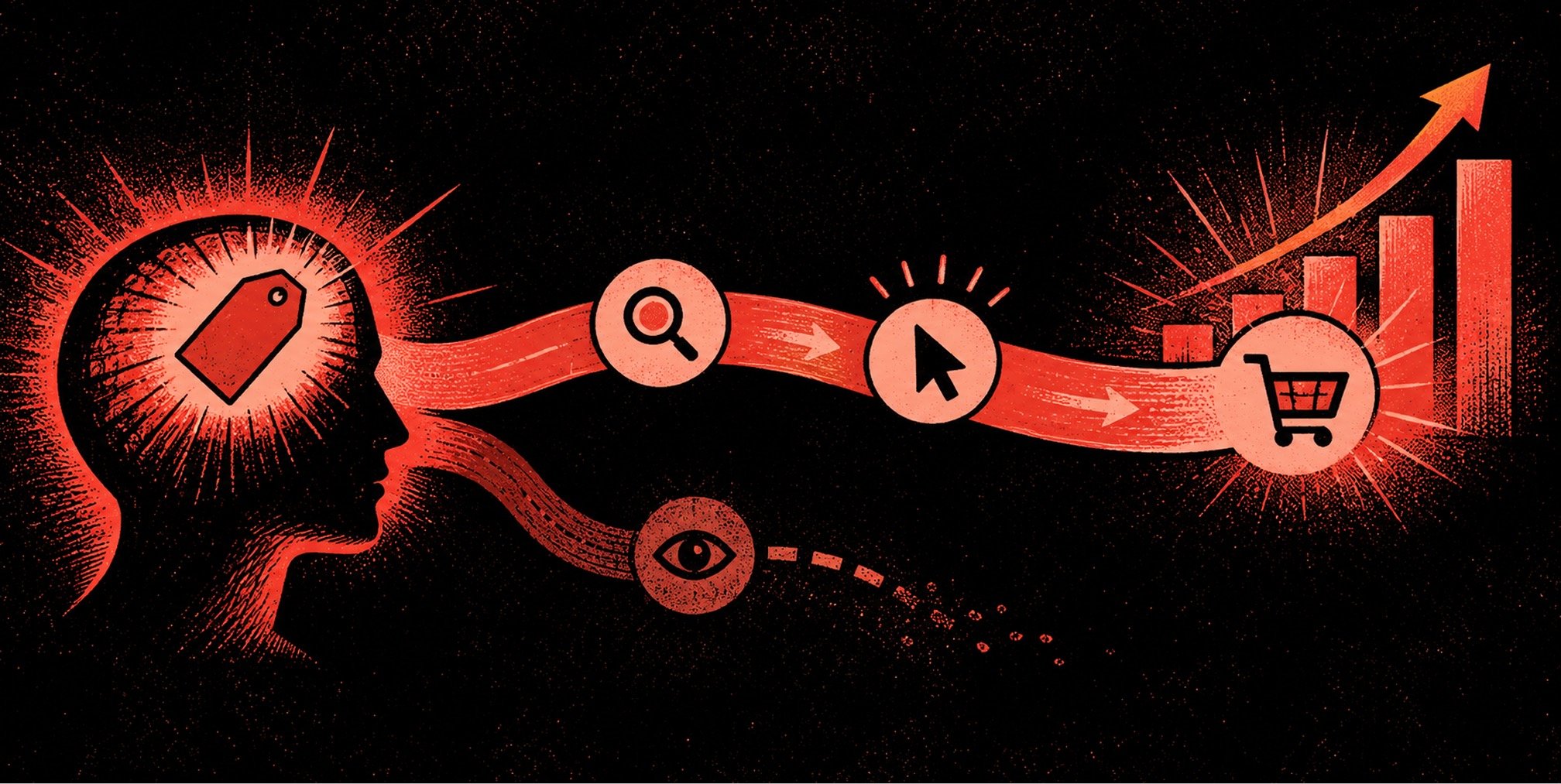
Brand awareness flowing into branded search, direct traffic, conversion, and business growth.

What are the three ways to measure brand awareness?

The standard survey measures are top-of-mind recall, unaided recall and aided recognition. You ask for the first brand named in a category, then all the brands someone can name without help, then which brands they recognize from a list. Many teams add continuous proxies such as branded search and share of voice between survey waves.

What is the key metric for brand awareness?

There is no single one. Choose the metric that matches your goal: unaided recall if you are building a new category position, aided recognition if you are entering a market, top-of-mind if you are already known but not chosen. Whichever you pick, repeat it on the same schedule so you can see the change over time.

How can you track brand awareness for free?

Start with Search Console’s branded queries filter for branded impressions, and Google Analytics 4 for direct and organic new users. Add a short survey sent to your own customer and prospect lists, and a manual count of unprompted mentions. These are proxies and carry bias, so treat them as direction rather than proof.

How often should you measure brand awareness?

Quarterly surveys suit most growth-stage companies, with search and traffic metrics reviewed weekly or monthly. Add an extra wave around a major launch or rebrand. Measure again a couple of months after a campaign ends to check whether the gain held.

‍

An image of the author Quincy Samyica

Quincy Samycia

As entrepreneurs, they’ve built and scaled their own ventures from zero to millions. They’ve been in the trenches, navigating the chaos of high-growth phases, making the hard calls, and learning firsthand what actually moves the needle. That’s what makes us different—we don’t just “consult,” we know what it takes because we’ve done it ourselves.

Want to learn more about brand platform?
If you need help with your companies brand strategy and identity, contact us for a free custom quote.

We do great work. And get great results.

DrTung’s
Breathed new life into a storied oral care brand with a smarter site and marketing for scalable growth.

+2.3x
Increase in revenue YoY

+126%
Increase in repurchase rate YoY

READ MORE
DrTung’s oral care product image with a smiling man, tooth powder tabs, and activated charcoal floss.
Smartphone on a textured blue surface displaying a DrTung’s ad with the text “Make the Switch” and an image of a woman holding herbal tooth powder tabs.
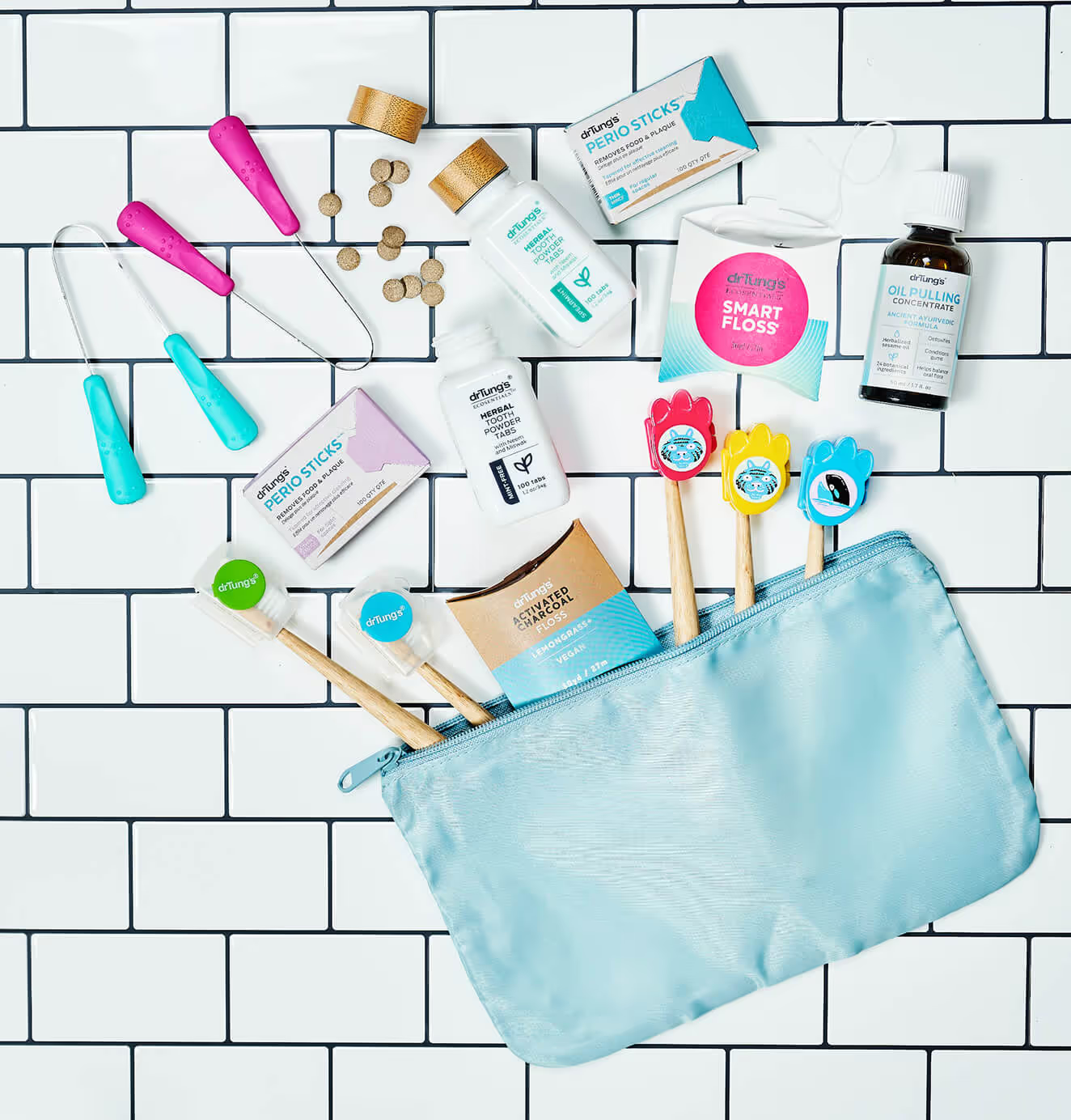
Flat lay of DrTung’s oral care products, arranged with a blue pouch on white tile.
DrTung’s Activated Charcoal Floss packaging arranged in a repeating pattern on a bright blue background.
Mary Louise Cosmetics
Scaled a heritage-inspired clean beauty brand with modern performance marketing and farm-to-face storytelling.

+93%
Revenue growth in first 90 days

+144%
Increase in attributed revenue

READ MORE
Mary Louise Lilac & Shea Body Butter jar with creamy texture and lavender sprigs on a beige surface.
A Mary Louise Miracle Serum bottle with a dropper cap, lying on a bed of small yellow flowers.
Mary Louise body butter promotional print materials with product photography and skincare application imagery.
Mary Louise Miracle Serum bottles arranged in a close-up pattern with pale yellow dropper caps.
Eyecart
Made eye care feel modern, then marketed it like a DTC darling—with the results to match.

+91%
Increase in conversion rate

+46%
Increase in AOV

READ MORE
Eyecart optical care campaign image with a smiling woman holding a branded magnifying lens over one eye.
Eyecart billboard campaign featuring Blephaclean eye care wipes and healthy eye care messaging.
Multiple laptop screens display the Eyecart website, showcasing product pages and banners promoting eye care items.
Eyecart outdoor campaign posters featuring eye care products, skincare visuals, and modern branding.
Lucky Girl Rosé
We turned a zero-carb rosé into a lifestyle brand that makes every moment worth celebrating.

+200%
Increase in conversion rate

+688%
Increase in attributed revenue

READ MORE
A bottle of Lucky Girl rosé wine nestled among pink and white flowers in a rustic outdoor setting.
Lucky Girl rosé picnic setup with wine bottle, fruit, sunglasses, and The Lucky Club booklet.
Lucky Girl rosé campaign visual with a wine glass, gold tray, red nails, and Pour Yourself Some Luck text.
Lucky Girl rosé wine bottle with floral label design and soft pink lifestyle styling.