What Are Brand Guidelines?
08/11/2025
Branding
Brand guidelines define the rules for your brand’s visuals, tone, and messaging to ensure consistency across every touchpoint. Including a mission statement in your brand guidelines is essential, as it defines why your brand exists and influences consistent messaging throughout your brand identity.

Brand guidelines are a set of directives and principles that help define and shape a company or organization’s brand identity. These guidelines encompass several aspects such as the tone of voice used in marketing communications, brand colors, logos, fonts, and other visual elements. Without clear guidelines, a brand slowly loses its grip on what it is and how it's expressed, leading to inconsistency and a lack of recognition. Brand guidelines are crucial for maintaining consistency, which is key to establishing brand awareness and loyalty. Maintaining a consistent brand identity helps build trust and recognition among consumers, which translates to increased customer loyalty and revenue.
.png)
A Guide to Brand Guidelines


Having clear brand guidelines in place is crucial for companies as it ensures that their brand is consistently portrayed across all marketing channels.
This consistency, in turn, helps to establish brand awareness and loyalty among customers.
Therefore, whether you are a new startup or an established business aiming to revamp your brand image, having brand guidelines is an essential component of building and sustaining a robust brand presence in the marketplace.
In this blog post, we will provide an all-encompassing guide on brand guidelines and answer the fundamental question of what they are.
Additionally, we will present and share visual and non-visual brand guidelines.
We have two primary sets of brand guidelines, our Brand Identity Guidelines that focus more on visual elements, and our Brand Communication Strategy and Guidelines that emphasize non-visual components of the brand.
If you require comprehensive assistance on your brand guidelines and don't know where to start, you can book a consulting call with us.
Brand Consistency for your Target Audience
Brand consistency is a critical factor in building trust, recognition, and long-term loyalty with your target audience. In a digital landscape where consumers interact with brands across multiple platforms—social media, websites, email, and ads—consistency ensures that every touchpoint reinforces a clear and unified identity.
At its core, brand consistency means maintaining the same visual identity, tone of voice, and messaging across all channels. This includes elements like logos, colors, typography, and imagery, as well as how your brand communicates—whether it’s professional, conversational, bold, or playful. When these elements are aligned, your audience can instantly recognize and connect with your brand.
Consistency also builds credibility and trust. When messaging feels disjointed or inconsistent, it can create confusion and weaken brand perception. On the other hand, a cohesive presence signals reliability and professionalism, making customers more confident in choosing your brand over competitors. In fact, brand consistency can increase revenue by as much as 23% when the same branding guidelines are used across marketing collateral.
Another key aspect is ensuring that your brand aligns with your audience’s expectations and values. Identifying and understanding your target audience is a huge part of developing an effective brand strategy. This means consistently delivering on your brand promise—whether that’s quality, innovation, customer service, or expertise. Every interaction should reinforce what your brand stands for and why it matters to your audience.
Maintaining consistency doesn’t mean being repetitive or rigid. Successful brands find ways to stay adaptable within a defined framework—keeping their core identity intact while tailoring content to different platforms and formats. For example, a brand’s tone may shift slightly between LinkedIn and TikTok, but the underlying message and personality remain recognizable. Clear brand standards help guide marketing efforts and foster customer loyalty.
Who needs brand guidelines?
They can be used by everyone in your team, from writers, designers, marketers and anyone else who need the visuals and information from your brand guidelines to create branded materials or understand your brand identity/brand story. Brand guidelines help ensure everyone is on the same page when it comes to messaging and branding.
Whether you’re just starting out with a brand new brand or looking to reinvigorate an existing brand, brand guidelines are an essential part of building and maintaining a strong brand presence in the marketplace.
By outlining your brand’s key messaging, visual identity, and brand voice, brand guidelines can help ensure that your company is conveying the right brand message and building brand awareness and loyalty with your customers.
The brand guidelines can come in a digital format or a physical copy describing how your brand functions with the use of different elements and creative branded assets to form a cohesive brand identity. Having a centralized set of brand guidelines helps teams create content that is aligned with the brand's identity, which enhances collaboration and ensures consistency across all platforms.
Visual Brand Identity Guidelines, may also be referred to as a brand guide, brand guidelines, brand style guide, brand bible, brand book, branding book, branding guide and branding guidelines.
These can all be treated in the same way or as distinct resources–depending on your company needs and what brand expert you’re listening to.
What is the purpose of brand guidelines?
To ensure brand consistency and clarity across all of your brand's marketing and communications efforts.
This includes materials such as online content, social media posts, email newsletters, advertisements, and more. With clear brand guidelines in place, you can be confident that all brand messaging is communicated correctly and consistently to your target audience.
This blog has been written by The Branded Agency, we are a diverse group of creative branding experts and we're ready to help you with all of your branding needs.
Whether you're a startup that's just getting started and needs everything from brand positioning, brand strategy, brand messaging and a visual brand identity, or a fortune 100 company that's looking for brand extension, product branding or rebrand, we're here to help.
The Branded Agency has affordable rates for all your digital marketing and branding needs.
Reach out to us so we can chat!
The Branded will be sharing our tips on brand guidelines, examples we created for our clients, and we'll highlight the purpose of different brand guidelines.
So, if you are enjoying this article thus far keep reading!
Visual Brand Identity Guidelines vs. Brand Communication Guidelines
The Branded Agency offers two different types of brand guidelines, one is visual and the other is non-visual.
Visual Brand Identity Guidelines focus on the brand’s visual elements, such as the brand’s logo, color scheme, and typefaces. Comprehensive logo guidelines should specify proper usage, placement, and restrictions for the primary logo and any multiple logos used by the brand. While most companies only allocate minimal space for logos in their guidelines, thorough documentation of logo usage is essential for maintaining brand integrity. Organizations with sub brands should also include clear guidelines for each sub brand to ensure consistency across all divisions and projects.
Non-visual Brand Communication Strategy & Guidelines focus on brand messaging, positioning and voice. This brand guideline helps to ensure that the brand’s key messaging is communicated consistently across all of the brand’s marketing and communications efforts, whether it’s in a blog post, an email newsletter, or on social media.
If you’re looking to create brand guidelines for your brand, we recommend working with a branding agency that has experience in creating both visual brand identity guidelines and non-visual brand communication strategy and guidelines.
You’re welcome to book a discovery call with us–we can help guide you towards the correct strategy and solution for your business.
Let’s take a look at branding guidelines for our client: RealPekka an outdoor clothing startup from Poland.
Brand Identity and Guidelines


Brand Communication Guidelines
Let’s take a look at brand communication strategy and guidelines for our client: Upstart Epoxy.
This Brand Communication Strategy and guidelines we created for them identifies their brand mission, vision, communication objectives and principles, their brand messaging and brand voice and tone.
The brand communication guidelines also includes copywriting guidelines and a brand voice chart
What's included in branding guidelines?
As previously mentioned, there are two different types of brand guidelines, one is visual and the other are non-visual guidelines. Each set of documents have different formats and included a unique set of guidelines.
It's also important to know that you shouldn't create any brand guidelines until your brand positioning, brand strategy and brand identity system has been created. The reason for this is your guidelines will elements from these documents and provide a set of rules to follow.
Visual Brand Guidelines
This is where we take your brand identity system and create a set of rules and guidelines to follow, before you get to this stage you will need to have a logo, color palette, typography, iconography, patterns, shapes and other visual elements created.
The guidelines will usually include logo usage guidelines, color guidelines, typography guidelines, iconography guidelines, photography guidelines, packaging guidelines, website guidelines, social media guidelines, rendering guidelines, shape and pattern guidelines and sometimes much more.
Brand Communication Guidelines
The brand communication strategy and guidelines expands on your brand positioning.
We will identify your communication objectives and principles and align our brand messaging and guidelines to support these goals.
Brand Communication Guidelines are less common, most people tend to focus on the visual aspect of their brand, however, by clearly articulating your key messages to your target audience, you'll find that there will be an increase in engagement, brand recall and brand sentiment.
Let's take a step back and revisit the three thing's mentioned earlier in the post that you must have before you create your brand guidelines.
Brand Positioning
To position your brand properly, you should always start with research and analysis.
To effectively formulate your brand positioning you need to become an expert in the niche you're looking to penetrate.
Your research should include identifying your direct and indirect competitors and creating a SWOT analysis and positioning maps to better understand these competitors positioning in the market place.
Your research should look at industry trends, consumer drivers, psychological drivers and motivators and much more.
All of this research will help you identify the problem that exists for the consumer and the solution you will provide them with.
You'll then be able to simply your business using the golden circle, what do you do?, how do you do it? and Why do you do it?
From there, you you create your brand purpose and purpose statement, brand pillars, brand vision, brand personality, brand tagline and key messages.
Want to learn more about brand platforms, Brand Strategy and Brand Identity? Keep reading!
If you need help with your companies brand strategy and identity, contact us for a free custom quote.
Brand Identity System

Brand guidelines are the foundation for maintaining a consistent and recognizable brand identity. They serve as a comprehensive reference for anyone using your brand, ensuring that every visual, written, and experiential element aligns with your core values and messaging. Brand assets—including visuals, logos, and terminologies—are crucial components of brand management, and clear guidelines are essential to ensure their proper use, legal compliance, and to maintain brand integrity.
Applying branding elements consistently across all touchpoints is key to building trust and recognition with your audience. Application examples in brand guidelines showcase how the rules apply in real-world scenarios, making the guidelines actionable and easier to implement.
Brand Communication Guidelines
Let’s take a look at brand communication strategy and guidelines for our client: Upstart Epoxy.
This Brand Communication Strategy and guidelines we created for them identifies their brand mission, vision, communication objectives and principles, their brand messaging and brand voice and tone. Maintaining a consistent brand voice across all communications is crucial for clear messaging and strong brand recognition. Brand voice describes the consistent personality of the brand, such as being bold, authoritative, or playful, while tone of voice defines how that voice shifts based on context.
The brand communication guidelines also includes copywriting guidelines and a brand voice chart
What's included in branding guidelines?
As previously mentioned, there are two different types of brand guidelines, one is visual and the other are non-visual guidelines. Each set of documents have different formats and included a unique set of guidelines.
It's also important to know that you shouldn't create any brand guidelines until your brand positioning, brand strategy and brand identity system has been created. The reason for this is your guidelines will elements from these documents and provide a set of rules to follow.
Visual Brand Guidelines
This is where we take your brand identity system and create a set of rules and guidelines to follow. Before you get to this stage, you will need to have a logo, color palette, typography, iconography, patterns, shapes, and other visual elements created.
The guidelines will usually include logo usage guidelines, color guidelines, typography guidelines, iconography guidelines, photography guidelines, packaging guidelines, website guidelines, social media guidelines, rendering guidelines, shape and pattern guidelines, and sometimes much more. When specifying your color palette, it's important to define both primary and secondary colors, as secondary colors play a key role in creating visual hierarchy and enhancing user experience. Be sure to outline acceptable color combinations and provide hex codes for each color to ensure clarity and consistency across all applications. In the typography section, specify the body text style, including font choices, sizes, and styles, to maintain consistency and clarity throughout your content.
A comprehensive brand style guide should include logos, colors, fonts, images, illustrations, icons, mission, vision, values, voice, tone, formatting preferences, and copy guidelines to maintain brand consistency.
Brand Communication Guidelines
The brand communication strategy and guidelines expands on your brand positioning.
We will identify your communication objectives and principles and align our brand messaging and guidelines to support these goals.
Brand Communication Guidelines are less common, most people tend to focus on the visual aspect of their brand, however, by clearly articulating your key messages to your target audience, you’ll find that there will be an increase in engagement, brand recall and brand sentiment. Content marketing also plays a key role in establishing a cohesive online presence and differentiating your brand through strategic and consistent messaging.
Let’s take a step back and revisit the three thing’s mentioned earlier in the post that you must have before you create your brand guidelines.
Brand Positioning: Brand Story, Core Values, Brand Personality and more
To position your brand properly, you should always start with research and analysis.
To effectively formulate your brand positioning you need to become an expert in the niche you’re looking to penetrate.
Your research should include identifying your direct and indirect competitors and creating a SWOT analysis and positioning maps to better understand these competitors positioning in the market place.
A huge part of this process is identifying your ideal target audience—understanding their demographics, behaviors, and preferences is essential for developing an effective marketing strategy.
Your research should look at industry trends, consumer drivers, psychological drivers and motivators and much more.
All of this research will help you identify the problem that exists for the consumer and the solution you will provide them with.
You’ll then be able to simply your business using the golden circle, what do you do?, how do you do it? and Why do you do it?
From there, you you create your brand purpose and purpose statement, brand pillars, brand vision, brand personality, brand tagline and key messages.
Brand Guidelines Template and Identity System
The first thing you should do when you are looking to create your visual brand identity is brand concepts.
Brand concepts explore potential visual identities for your brand, they will include example logo styles, sample color palettes, typography, iconography, photography, these brand concepts will be illustrated through moodboards and be accompanied by clear explanations of the creative and visual direction of the brand.
Once a brand concept has been selected, the creative direction of the brand becomes clear and you can now create the custom visual elements needed to create your brand identity system.
Typically, you’d start by designing the brands logo, followed by shapes and patterns. You’d finalize your selection of typography and your color palette and you may decide to create custom iconography and other design elements, depending on the brand concept chosen. Using branded templates for presentations, social media, and marketing materials helps ensure a cohesive visual identity and keeps all materials brand consistent.
When all of the visual branding elements have been created, you’ll be ready to create your visual branding guidelines. Digital brand guidelines allow for real-time collaboration among team members, ensuring that everyone has access to the most current information and resources, which enhances teamwork and efficiency.
Logo Usage Guidelines
A logo is one of the most recognizable elements of a brand, and consistent usage is essential to maintaining a strong and professional identity. The brand's logo should always be used in a way that preserves its integrity and recognition, ensuring it remains a powerful symbol of your brand.
The first rule is to use the approved logo versions only. This may include primary, secondary, and simplified variations designed for different contexts, and each version should include the company name to ensure branding consistency. Using the correct version ensures clarity and legibility whether the logo appears on a website, social media, print material, or merchandise.
Maintaining proper spacing and sizing is equally important. Your logo should always have sufficient clear space around it to avoid visual clutter and ensure it stands out. Minimum size requirements should also be followed to preserve readability, especially on smaller screens or materials.
When considering logo design, focus on creating eye-catching logos that effectively convey your brand identity and confidence. Color consistency plays a major role in brand recognition. Always use the official brand color palette for your logo, and avoid altering colors unless using an approved monochrome or reversed version for specific backgrounds. Logo guidelines should also address how the logo appears on a dark background to maintain visual clarity and brand integrity. Consistent color usage reinforces brand identity and professionalism.
It’s also important to avoid distorting or modifying the logo. This includes stretching, rotating, adding effects, or combining it with other elements in ways that alter its original design. The logo should always appear as intended to maintain brand integrity.
Placement matters as well. Ensure your logo is positioned in a way that is visible and balanced within the design, without competing with other elements. It should complement the overall layout while remaining clearly identifiable.
Brand colours
The colors used in the brand guidelines should be predetermined by the finalized brand concept or the finalized color palette in your brand identity system. This palette typically includes a primary color and one to four additional colors, which together help maintain a consistent brand color palette.
The brand colors need to align with the essence of the brand and should resonate with your target audience. Secondary colors play a crucial role in creating visual hierarchy, distinguishing categories, and enhancing user experience through their emotional and functional associations.
Your brand guidelines should include color codes in RGB, CMYK, and HEX at the very least. Specifying hex codes and acceptable color combinations ensures clarity and consistency across all applications. You also have the option to include Pantone colors if you have access to it.
Here is why branding colours matter
Study after study proves that more than half (62-90%) of customers’ assessment of products is based on the colours alone.
Getting your brand’s palette right is important, and making it clear in detail in your brand guideline will be helpful.
We can think about it like this:
Color psychology is the study of how colours affect perceptions and behaviours. It allows us to understand colour and use it to our advantage, especially when it comes to marketing and branding.
Maintaining a consistent brand color palette is one of the easiest ways to help your target audience identify your brand, typically including a primary color and one to four additional colors.
Every set of brand guidelines should include that to have the basic foundation of a brand guideline book. Other elements that can be considered are:
Brand Fonts and Typography
Your brand guidelines should include primary and secondary typography and web safe fallback font. For consistency and clarity, it's best to limit your branding to two fonts—one for headings and one for body text.
Your typography guidelines should clearly show and explain how and when to use the different typography for website body copy, headings and buttons. Be sure to specify the body text style, including font choices, sizes, and styles, to ensure uniformity across all content.
These typography guidelines are helpful for website designers, graphic designers and anyone working or publishing on your brands blog.
Brand Voice and Brand Tone
Typically, your brand voice and brand tone would be created in a brand communication strategy and guidelines document; however, some agencies do offer a master brand book that may include some of these non-visual elements in visual brand guidelines. Maintaining a consistent brand voice across all communications is crucial for clear messaging and strong brand recognition. Brand voice describes the consistent personality of the brand—such as being bold, authoritative, or playful—while tone of voice defines how that voice shifts based on context.
For more details on creating a brand voice and brand tone and brand communication guidelines visit our other blog post here brand voice guideline and this blog post what is a brand voice
Brand Shapes and Brand Patterns
Brand shapes are a useful design elements that can be used on branding and marketing collateral, your brand shapes could be a standard circle, square, rectangle, triangle, or, your brand shapes could be a more unique customized shape.
Your brand shapes may or may not be repurposed and used to create a pattern, but, it's an option that may make everything more closely aligned and cohesive.
Brand patterns maybe used for packaging, background images, social media and other areas.
Your brand shapes and patterns used in your brand guidelines should include usage applications of what you should and shouldn't do.
Photography guidelines
If your business is required to do photoshoots on a regular basis, you may want to include camera setup guidelines, lighting guidelines, studio setup guidelines in addition to your typical people and product photography guidelines.
At a basic level photography guidelines usually includes example people and product photography example imagery ad do's and don'ts.
Outline any photography usage that needs to be approved by a brand representative first and include any licensing or sharing agreements for third-party images.
Overall, it's important to create brand guidelines that clearly outline and explain all of your brand elements in detail.
Iconography Guidelines
To effectively use iconography in your marketing campaigns, it's essential to have clear iconography guidelines They help to create a consistent brand identity that resonates with your target audience, using carefully selected design elements such as color, fonts, and iconography.
To fully utilize the power of iconography in your marketing campaigns, it's important to have clear guidelines for how to use these visual elements.
Typically, iconography guidelines will include usage guidelines, style guidelines and dos and don'ts.
Brand Applications
Brand applications is where you showcase the branding elements and show real life examples of how it can be applied to across various platforms and elements.
Typically, you will apply the logo, colors, typography, shapes and patterns to business cards, envelopes, t-shirts, coffee mugs, vehicle wraps and other promotional items.
This is perhaps one of the most important parts of the brand guidelines document, you are taking the set of rules and guidelines you created and showing how they can be applied in real life scenarios.
Sometimes, depending on the brand and budget you may be able to get more creative and find more innovative ways to apply the brand guidelines to real life products.
Brand Guidelines Template and Identity System

By following a set of rules and principles, your internal team will achieve brand consistency for external communication with your audience. Brand guidelines matter because they ensure consistency across all brand touchpoints, building trust and recognition with your audience, which leads to increased customer loyalty and revenue.
It is also a tool that will set the standard and tone for your business and will lessen any confusion internally, which results in less confusion externally! Clear brand standards streamline decision-making, improve efficiency, and help teams stay aligned during the creative process.
Branding Guidelines help your team and other stakeholders understand the essence of the brand and feel confident that they are promoting or representing the brand story and brand image in a professional and cohesive way. Effective brand guidelines balance detailed technical specifications with a clear narrative of the brand's identity, ensuring both clarity and inspiration.
Your brand guidelines are a great onboarding tool for new employees, it's important they understand the brand positioning and are aligned with the mission and vision. Brand guidelines should be updated periodically to reflect brand growth and changes.
How do you create brand guidelines?
A senior graphic designer, creative director, or brand strategist is responsible for creating your company's brand guidelines. A brand manual is essential for establishing consistent branding, improving your visual identity, and achieving measurable marketing results through clear brand guidelines. A comprehensive brand style guide outlines everything from typography and color palette to tone of voice and mission statement, providing instructions for consistent communication across marketing materials.
They should have the knowledge and experience to do this, however, if you don’t have these key positions within your organization you may want to consider hiring a branding agency to assist you with your brand identity and brand guidelines.
Our agency, The Branded Agency have created more than 100+ brand guidelines for all different types of businesses.
We’ve worked with small startups and fortune 100 companies across a wide variety of industries.
Visual brand guidelines take 2-3 weeks to create and the cost for this starts at $4,500 USD.
If you’d like to book a call to review your brand identity system and discuss your project, please contact us directly for a free custom quote.
The second option is through hiring a freelancer from websites like Upwork, Dribbble, Behance and Fiverr.
However, keep in mind that when working with a freelancer from one of these platforms, it’s likely they won’t have the knowledge of experience to execute at a high level.
Examples of brand guidelines
Here are 2 different examples of visual brand guidelines for you to review.
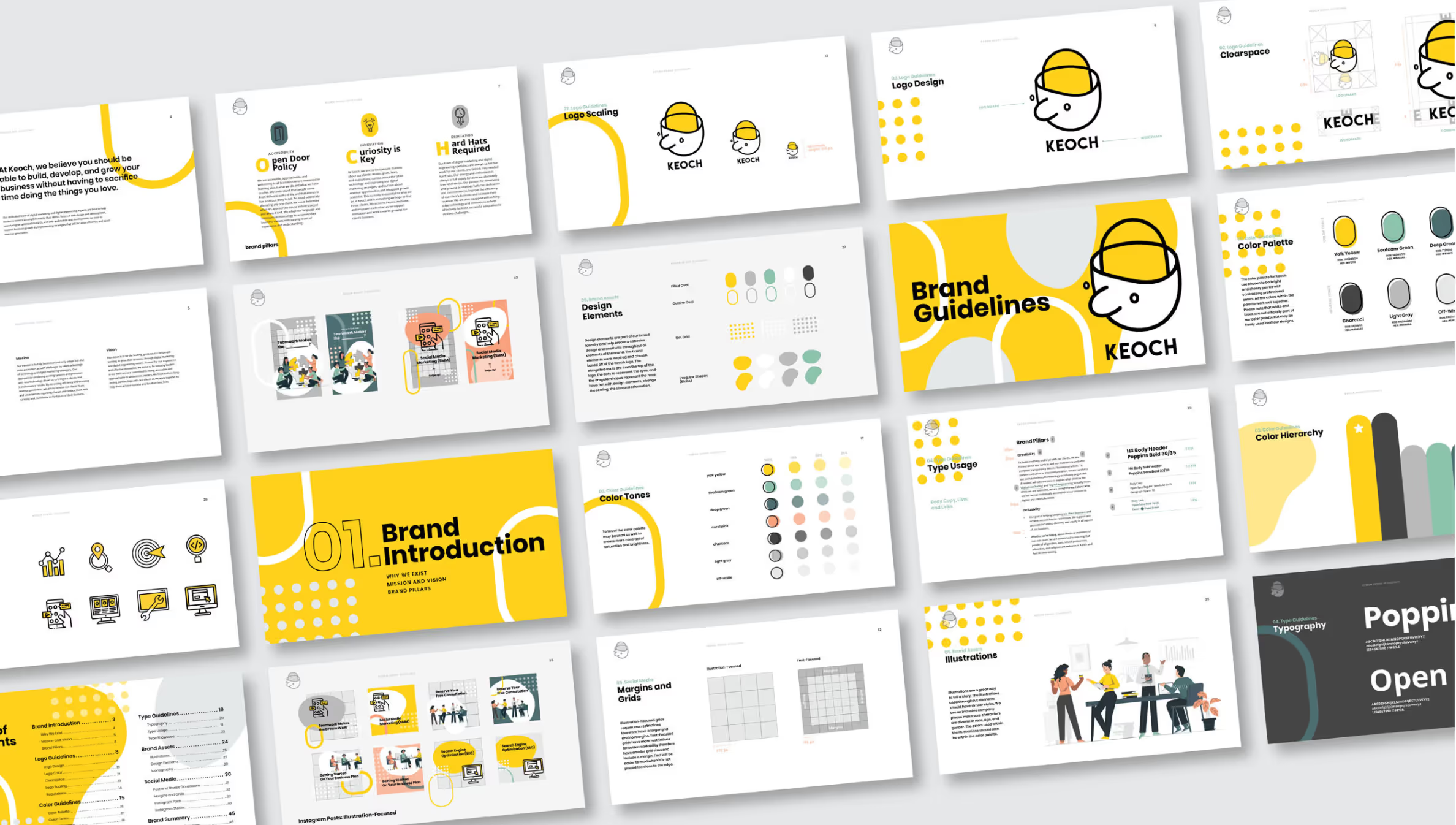
Keoch

The image above is an example of the brand identity and guidelines we created for Keoch.
The brand identity and guidelines we created for them include colour palette, colour guidelines, colour applications, colour gradients, colour tones, typography, typography pairings, typography usage, typography applications, illustration guidelines, iconography guidelines, social media guidelines and more.
These Brand Identity and Guidelines will help them be consistent with their visual communication across all channels.

Pianu Brand Guidelines
The Image above is an example of the brand identity and guidelines we created for Pianu.
Pianu hired us to reposition their brand, create a new marketing and brand strategy and a complete rebrand , which included research and analysis, marketing strategy, product strategy, brand positioning, brand identity system, brand communication strategy and a redesign of their website and mobile app.
Dropbox brand Guidelines
Dropbox’s brand guidelines are centered around simplicity, clarity, and functionality—reflecting its role as a tool designed to make work and collaboration effortless. Every element of the brand is intentionally minimal, ensuring that the product and user experience remain the focus.
At the core of Dropbox’s identity is its clean and modern visual system. The logo is simple and geometric, often paired with plenty of white space to create a sense of openness and ease. This minimalist approach allows the brand to feel accessible while maintaining a professional and trustworthy presence.
Typography plays a key role in reinforcing this identity. Dropbox uses clear, legible fonts that prioritize readability across digital and print formats. The tone is straightforward and human, avoiding overly technical or complex language. This ensures that communication feels approachable and easy to understand for a wide audience.
Color usage is deliberate and consistent. While the brand is widely associated with its signature blue, Dropbox also incorporates a broader palette in creative contexts to add energy and flexibility. However, colors are always used with intention—never overwhelming the design or distracting from the message.
Imagery and illustrations follow a similar philosophy. Visuals are often simple, abstract, or conceptual, helping to communicate ideas without unnecessary complexity. This supports the brand’s goal of making information and collaboration feel intuitive.
Another defining aspect of Dropbox’s brand is its focus on utility and user-centric design. Whether in marketing materials or product interfaces, the emphasis is on helping users understand how Dropbox fits into their workflow. Messaging highlights ease of use, organization, and productivity.
Consistency across all touchpoints is essential. From website design to social media and product UI, Dropbox maintains a unified look and feel that reinforces its brand values. This consistency builds trust and ensures that users have a seamless experience wherever they interact with the brand.
The Branded can create high-quality Brand Identity Guidelines and a brand communication strategy for your business that will align your team and help you connect with. your target audience.
Well, you've come this far!
It's time to get in touch with us to discuss your branding and marketing needs.
You're in good hands with The Branded we are a full service branding and creative agency designed to help the next generation of businesses.
FAQs for Brand Guidelines
Does a small business need brand guidelines?
Yes, even small businesses benefit greatly from brand guidelines. They help ensure consistency in how your brand looks, sounds, and communicates as you grow. This is especially important when working with freelancers, designers, or marketing partners, as it keeps everyone aligned and prevents a fragmented brand image.
Do you need social media guidelines?
Absolutely. Social media guidelines help maintain a consistent voice, tone, and visual style across platforms. They also provide direction on how to engage with audiences, respond to comments, and handle brand messaging—ensuring your presence feels cohesive and professional.
What should be included in brand guidelines?
Brand guidelines typically include logo usage, color palette, typography, tone of voice, imagery style, and messaging principles. Some also cover social media standards, content examples, and do’s and don’ts to ensure consistency across all channels.
How often should brand guidelines be updated?
Brand guidelines should be reviewed regularly—typically once a year or whenever there are significant changes to your brand strategy, audience, or visual identity. Updating them ensures your brand stays relevant and aligned with your business goals.
Who should use brand guidelines?
Brand guidelines should be used by anyone representing your brand, including internal teams, marketing agencies, designers, content creators, and external partners. They act as a central reference point to ensure consistency across every touchpoint.

Sloane Avery
As entrepreneurs, they’ve built and scaled their own ventures from zero to millions. They’ve been in the trenches, navigating the chaos of high-growth phases, making the hard calls, and learning firsthand what actually moves the needle. That’s what makes us different—we don’t just “consult,” we know what it takes because we’ve done it ourselves.
Want to learn more about brand platform?

If you need help with your companies brand strategy and identity, contact us for a free custom quote.
We do great work. And get great results.
+2.3xIncrease in revenue YoY
+126%Increase in repurchase rate YoY


+93%Revenue growth in first 90 days
+144% Increase in attributed revenue


+91%Increase in conversion rate
+46%Increase in AOV


+200%Increase in conversion rate
+688%Increase in attributed revenue