Brand With Purpose: How to Build a Business That Actually Matters
08/10/2026
Branding
Discover how to build a purpose-driven brand that turns authentic values into stronger customer loyalty, sharper differentiation, and sustainable business growth.

Brand purpose is not about attaching a cause to your marketing. It is about defining why your business exists beyond profit and proving that purpose through your products, customer experience, decisions, and daily operations. In 2026, audiences are more skeptical of performative messaging, which makes authenticity and consistency essential. The strongest purpose-driven brands connect what they believe with how they operate, creating deeper trust, stronger loyalty, and a clearer reason for customers to choose them.
.png)


How to Build a Brand With Purpose in 2026

Key Takeaways
- Brand purpose is not dead in 2026, but it is under more scrutiny than ever. Any brand, including a small business, can define and prove its purpose if it treats purpose as an operating system rather than a slogan.
- A clearly defined brand purpose is the brand's core reason for existing beyond profit. It must be visible in product design, customer experience, and daily operations-not buried in a forgotten mission statement.
- Use concrete brand purpose examples from Nike, Dove, Patagonia, Coca Cola, Tesla, and local businesses to see the full spectrum of purpose, from global movements to neighborhood impact.
- Follow a practical, step-by-step framework any founder or marketer can use in 2026 to discover, test, and embed a strong brand purpose that drives both loyalty and revenue.
- Finish with a self-assessment checklist and FAQ to tackle common questions like "Can a small business afford purpose?" and "What if my customers don't care about social issues?"
Introduction: Is Brand Purpose Dead in 2026?
The debate has been raging for years. Advocates like Jim Stengel argue that purpose driven brands outperform competitors by significant margins. Skeptics like Mark Ritson counter that most purpose talk is hollow posturing. By mid-2026, one thing is clear: purpose is no longer a differentiator by default. Audiences demand proof through behavior, product design, and customer experience.
So is brand purpose dead? No. But lazy, unproven, or performative purpose is. The brands that survive and grow are the ones treating purpose as a driving force behind every decision, not a tagline printed on a tote bag.
This guide is for founders, marketers, and small business owners who want to build a brand with purpose that also grows revenue and loyalty. We will move from definition to importance, through frameworks and real brand purpose examples, and end with an implementation checklist and FAQ you can act on this week.
Free Brand Health Audit
Make sure your brand is built to sell
Search has changed. Your customers aren't just Googling anymore. They're asking ChatGPT, Perplexity, Gemini and other AI platforms what to buy, who to trust and which brands they should consider.
If your brand isn't showing up clearly in those answers, you're already losing opportunities. Our free Brand Health Audit shows you where your brand stands across traditional search, AI search and brand positioning.

Sample brand audit
Live preview
Traditional search
72
AI search (GEO)
34
Brand positioning
58
What Is Brand Purpose, Really?


Brand purpose is the core reason a brand exists beyond making money. It is a higher reason for a brand's existence-a specific human problem or aspiration the company is uniquely positioned to improve.
A company's brand purpose connects three things: unmet human needs, what the company is uniquely good at, and the change it wants to create in the world. Purpose is not a vague platitude like "make the world better." It is a sharp, testable statement that gives deeper meaning to everything the company does.
Here are examples of succinct purpose statements at different scales:
- Tesla: Accelerate the world's transition to sustainable energy.
- Dove: Champion women's self esteem and redefine real beauty.
- Patagonia: Use business to protect the planet.
- A local print shop: Empower neighborhood small businesses to look professional without breaking the bank.
A strong brand purpose must be broad enough to last a decade but specific enough to guide daily decisions on product, hiring, and customer experience. If every employee understands it and can repeat it on day one, you are on the right track.
Brand Purpose vs. Vision, Mission, and Values
Many teams confuse these four elements and end up with overlapping, unusable statements. Here is a clear distinction:
- Purpose = "Why we exist beyond profit." The true essence of the brand.
- Brand vision = "Where we are trying to get by a specific future point (e.g., 2030)."
- Mission statement = "What we do each day to move toward the vision."
- Values = "How we behave while doing it." Values guide how a company operates and makes decisions.
Consider how Tesla's mission to accelerate the world's transition to sustainable energy connects to a brand vision of a fossil-fuel-free transportation system, a mission of building electric vehicles and energy products, and values rooted in innovation and urgency. If you are clarifying your own mission, a guide to writing an effective brand mission statement can help you connect daily actions to long-term vision. A local coffee shop's purpose might be "to be the inclusive gathering place our town deserves," with a vision of every resident feeling welcome, a mission of serving quality coffee and hosting community events, and values of warmth and accessibility.
When writing each element, keep purpose outward-facing (impact on people's lives and the planet), while vision and mission can be more business-centric. Avoid jargon. Test clarity by reading each statement to someone outside your company.
Why Brand Purpose Is Still Important in 2026
Since 2020, a cascade of market shifts-pandemic disruption, climate change urgency, social justice movements, and AI disruption-has made empty purpose statements more visible and more punishable. A June 2026 study by AMA New York, Charney Research, and Toluna found that 80% of B2B buyers and 50% of consumers actively direct purchases toward purpose-led companies, and data on why effective branding matters for engagement, loyalty, and growth reinforces how big the upside can be. Here is why brand purpose is still important:
- Differentiation: A strong brand purpose can differentiate a company in crowded markets where products are otherwise similar. Purpose creates real value that competitors cannot easily replicate.
- Resilience: Purpose strengthens trust when backed by consistent action. Brands that demonstrate a genuine commitment to purpose see increased loyalty even during crises.
- Talent: Millennials prioritize purpose over profit in their job choices, and brands with a clear purpose attract better talent and employee loyalty. A clear brand purpose can inspire employee loyalty and engagement across the organization.
- Focus: Purpose should influence everyday business decisions, making trade-offs clearer and faster. It becomes a powerful tool for strategy.
Two-thirds of consumers choose brands based on their social stance. Clear brand purpose can increase brand awareness by up to 65%, and purpose can increase customer lifetime value by up to 306%. That said, purpose alone does not sell-it amplifies a good offer and credible execution.
A brand without purpose can survive. But a brand with a strong, believable purpose can grow faster, command loyalty, and weather volatility.
Types of Brand Purpose (And How to Find Your Lane)
Not every brand should chase the same kind of purpose. Some brand purpose focuses on connection, some on empowerment, some on societal change. Here are five practical "purpose lanes":
- Enabling Connection: Bringing people closer together. (WhatsApp globally; a niche community app locally.)
- Inspiring Exploration: Encouraging curiosity and growth. (Google organizing the world's information; a local bookstore curating discovery.)
- Elevating Pride: Helping people feel confident in their true self. (Dove's Real Beauty; a neighborhood salon celebrating every skin type.)
- Solving Everyday Frustrations: Removing friction from daily life. (Amazon's convenience; a tradesperson who makes home repairs stress-free.)
- Impacting Society: Driving environmental sustainability or social justice at scale. (Patagonia's activism; a local refill store reducing packaging waste.)
To choose your lane, look at customer feedback, your founder's passion, category norms, and personal conviction. Where does the brand naturally fit? As you clarify this, it helps to think in terms of core brand pillars like purpose, personality, positioning, perception, and promotion. Focus on a single dominant lane rather than trying to claim every possible impact area-this keeps messaging and actions sharp.
How to Discover Your Brand's Purpose
Think of this as an archaeological dig, not a creative writing exercise. The purpose already exists in your behavior, origin stories, and customer outcomes.
Step-by-step process:
- Investigate founder and origin stories. Why did the company start? What problems did it first try to solve problems around?
- Analyze what customers actually value most. Dig into reviews, support tickets, and social comments from 2021–2026. Conduct market research to understand customer values, or run a strategic brand audit to see how your current positioning and messaging land with real people.
- Identify moments when employees felt most proud or energized. These moments often reveal the company's reason for being at an emotional level.
- Look at category pain points and societal tensions related to your product or services.
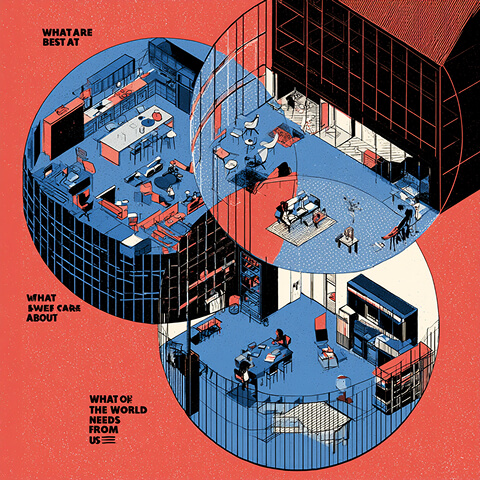
A simple exercise: draw three intersecting circles on paper. Label them "What we are best at," "What we care about," and "What the world needs from us." The overlap is your purpose territory.
Micro-example: An independent Canadian print shop discovers that customers keep praising its affordable design help, not just its printing. The overlap? Empowering local small businesses to look polished without enterprise budgets. That is the purpose.
This phase should include interviews or workshops with internal and external stakeholders-engage stakeholders to foster a sense of community around the discovery, not just the leadership team writing in isolation.
From Insight to Statement: Crafting a Strong Brand Purpose
After discovery, condense your insights into one short, memorable statement (1–2 sentences) that passes three tests: clarity, truth, and usefulness for decisions. Define your brand purpose in a simple, memorable statement, then translate it into clear brand objectives that guide growth, perception, and loyalty.
Practical guidelines:
- Start with a verb tied to impact: "equip," "refresh," "protect," "inspire."
- Be specific about who you serve (e.g., "young families," "independent retailers").
- Avoid clichés like "change the game" without detail.
- Make it simple enough that a new hire can remember it.
Before and after examples:
| Weak Version | Sharpened Version |
|---|---|
| "We make the world better." | "We equip independent retailers to compete with big-box stores through affordable, beautiful print." |
| "We care about people." | "We help everyday athletes find the courage to move, regardless of the obstacles holding them back." |
| "Innovation for all." | "We create products that make professional-grade technology universally accessible." |
Test draft statements with real customers and frontline staff for resonance and believability. The statement is a tool, not a slogan-it only matters if it influences what the brand does next.
Want to learn more about brand platforms, Brand Strategy and Brand Identity? Keep reading!
If you need help with your companies brand strategy and identity, contact us for a free custom quote.
Embedding Purpose in Brand Strategy and Experience

A purpose that does not change the brand experience is just corporate poetry. Embedding purpose means aligning four areas, all of which sit inside a coherent brand strategy framework covering positioning, audience, messaging, and identity:
- Product and service design. Purpose shapes products, operations, marketing, and business decisions. If your purpose is environmental sustainability, your packaging, materials, and supply chain must reflect that.
- Customer experience and service. Every touchpoint should carry the purpose forward.
- Marketing and storytelling. Marketing campaigns should amplify real actions, not invent them.
- Internal culture and operations. Company culture must reinforce what the brand claims.
Patagonia's product repair program turns its environmental purpose into a tangible brand experience. Dove's Real Beauty workshops bring its self esteem mission into schools. A local café hosting weekly community events lives its purpose of being a third place. Purpose becomes even more visible when it shapes strategic, emotionally resonant brand marketing campaigns rather than one-off slogans.
Ask yourself: "If our purpose is X, what must change in how we design, price, and deliver Y?"
Consistency over three to five years of aligned behavior transforms a declared purpose into a trusted one.
Brand Purpose and Customer Experience
Customer experience is where brand purpose is either proven or broken-it is the only part customers actually feel. Map the customer journey (discovery, purchase, onboarding, support, loyalty) and look for chances to bring purpose to life at each stage.
Concrete examples:
- A purpose about simplicity → fewer clicks and clearer pricing online.
- A purpose about community → post-purchase follow-ups inviting customers into events.
- A purpose about sustainability → repair options, refill programs, or recycling instructions in packaging.
- A purpose about empowerment → proactive support that helps customers solve problems independently.
Train customer-facing teams to translate the abstract purpose into everyday decisions and tone of voice. Measure whether purpose is improving customer experience using NPS, repeat purchase rates, and qualitative feedback. Purpose enhances customer loyalty and emotional connection when it shows up consistently in customers lives.
Brand Purpose for Small Businesses
There is a persistent myth that only global giants can afford purpose. The truth is the opposite: a small business often has an advantage because it is closer to its community and can act faster.
In 2026, small businesses face tight margins, local competition, and limited marketing budgets. A compelling brand purpose can focus scarce time and money on what matters most.
Small business brand purpose examples: If you are building a company from the ground up, a guide to branding for small businesses can help you connect purpose to visual identity, messaging, and everyday marketing.
- A neighborhood print shop committed to helping local small businesses look professional without massive budgets.
- A wedding and events printer focused on making meaningful life events beautiful and affordable.
- A local café that exists to be a safe, inclusive "third place" for its town, serving one cup at a time.
- A tradesperson who aims to restore trust in their industry by radical transparency and reliability.
Three low-cost ways to express purpose:
- Local partnerships (co-host events, cross-promote with aligned businesses).
- Thoughtful packaging and signage that tells your brand story.
- Consistent storytelling on your website and even on receipts.
Document your purpose in a simple internal guide so that every new hire, even on a three-person team, understands why the business exists—and use it as the brief for long-term branding campaigns that build awareness and loyalty, not just short-term promotions.
Brand Purpose Examples: Global Brands Doing It Well
Global brands provide visible case studies of purpose at scale. Here are the standout brand purpose examples worth studying:
Nike exists to bring inspiration and innovation to every athlete in the world-and considers everyone an athlete. Its purpose is to inspire positive change through equality. The 2018 "Dream Crazy" campaign featuring Colin Kaepernick drove a roughly 31% increase in online sales and added approximately $6 billion in brand value. Nike proved that letting no obstacles hold you back is more than a tagline. Takeaway: courage backed by operational alignment pays off.
Dove's purpose focuses on women's self esteem and body positivity. Through campaigns, workshops, and educational content, Dove has helped millions of young women rethink beauty standards. It is a great example of a timeless brand purpose that is both specific and enduring.
Patagonia fights climate change through business. In 2022, the founders transferred 100% of company ownership to trusts and nonprofits dedicated to environmental protection. The company's commitment goes beyond marketing-it is structural.
Tesla's mission is to accelerate the world's transition to sustainable energy. By building electric vehicles, solar products, and battery storage, Tesla connects a clear purpose to tangible products. It is the rare company whose purpose is also its core business model.
Coca Cola's purpose is to refresh the world and inspire moments of happiness. Through emotional, feel-good marketing campaigns and global brand experiences, Coca Cola connects with people at an emotional level. Its purpose is to inspire moments of optimism and togetherness.
Starbucks aims to inspire and nurture the human spirit-one person, one cup, one neighborhood at a time. Its focus on community and belonging turns a coffee transaction into a brand experience.
Google organizes the world's information and makes it universally accessible and useful. Purpose driven companies like Google show that a functional purpose-making knowledge available-can be just as compelling as an emotional one.
These examples work because the companies took real risks and made operational choices aligned with their purpose, not because of wording alone. Purpose-driven brands generate higher engagement on digital platforms and outperform competitors on multiple levels, especially when they set sharp branding campaign objectives aligned with overall strategy.
When Brand Purpose Backfires
By 2026, audiences are fluent in spotting greenwashing and performative allyship. Mis-executed purpose can damage trust more than silence. Brands that engage in purpose marketing risk being labeled as engaging in purpose-washing if actions do not match words.
Common failure patterns:
- Announcing support for a cause while funding organizations that contradict it.
- Launching one-off "purpose campaigns" that do not match core products, pricing, or labor practices.
- Jumping onto trending social issues with no history or expertise.
- Overclaiming impact without transparent data.
A 2026 study of U.S. companies found that rhetorical similarity-copy-and-paste purpose statements-correlates with worse performance in external stakeholder ratings.
Risk check before going public with purpose:
- Does this align with our operations and supply chain?
- Can we sustain this stance for years, not just one news cycle?
- Would our employees recognize this as true?
The remedy for risk is focus, humility, and proof: start small, act first, talk second.
Authenticity: Aligning Brand Purpose With Culture
Authenticity is determined by employees and customers, not the brand team. Company culture must reinforce what the brand says.
How to audit internal alignment:
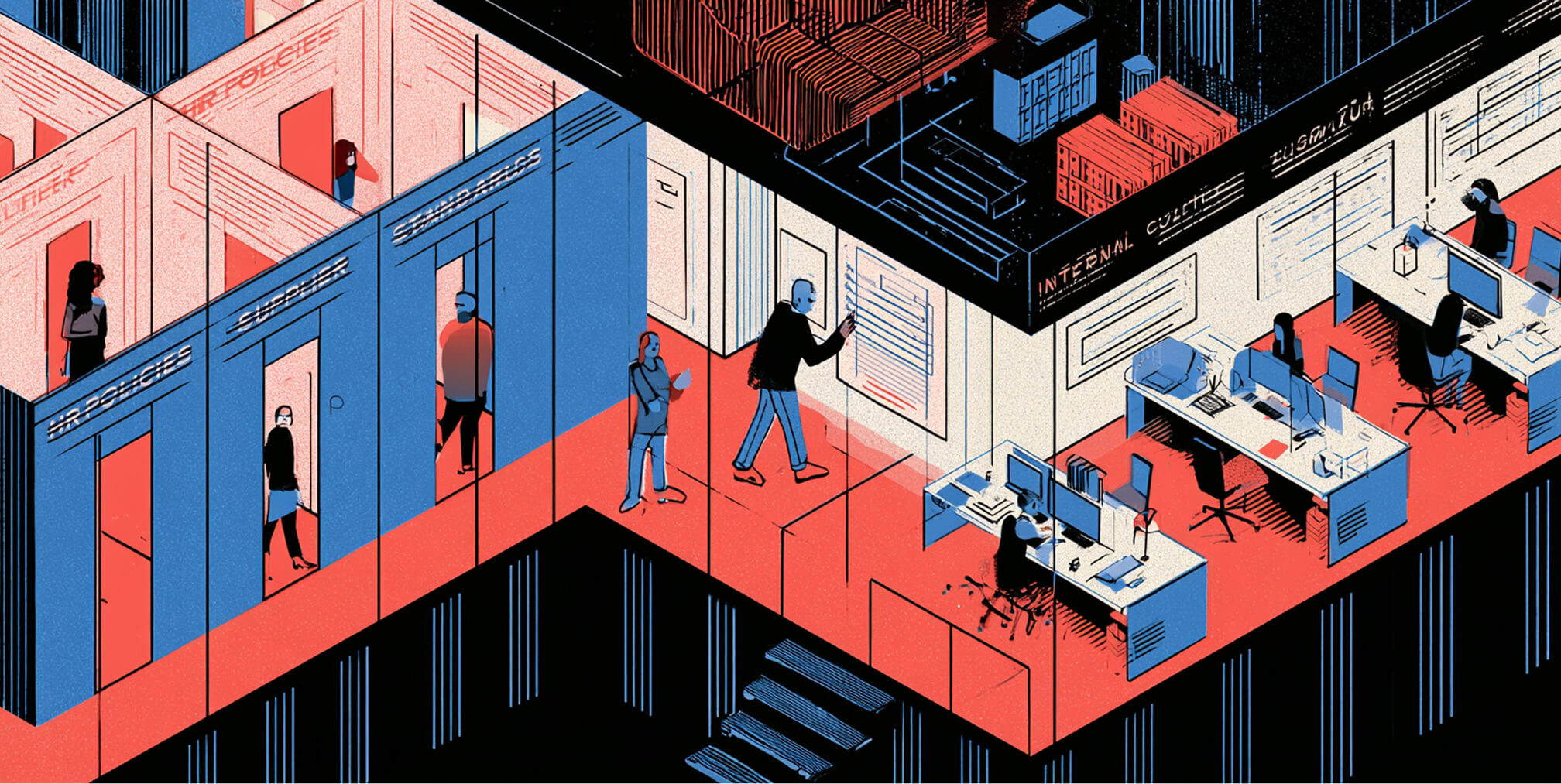
- Compare HR policies, supplier standards, and internal communications to the public purpose statement.
- Conduct anonymous employee surveys asking whether daily decisions reflect the stated purpose.
- Look for "shadow purpose" behaviors-rewarding short-term revenue over promised values.
Authentic messaging connects a brand's mission to its products to strengthen loyalty. Brands align corporate values with consumer beliefs to build trust-but only when those values are lived internally. Purpose-driven brands often outperform competitors on multiple levels precisely because alignment is real.
Embed purpose into hiring, onboarding, and performance reviews so it shapes who is promoted and celebrated. Authenticity also means acknowledging trade-offs publicly instead of pretending to be perfect.
Controversy and Courage: Taking a Stand
Meaningful purpose often divides opinion. Neutrality on every issue is itself a stance in 2026. Consumers prefer companies that take a stand on social issues-two-thirds of consumers choose brands based on social issues.
Nike's Kaepernick campaign is the textbook example: protests erupted, but brand value increased by over $6 billion. Nike's purpose was clear, its history aligned, and leadership was prepared to sustain the stance.
When should a brand take a public stand?
- The issue is directly connected to the brand's purpose and stakeholders.
- The brand is prepared to act, not just issue statements.
- Leadership is willing to sustain the stance under criticism.
Even smaller brands can take principled stands-refusing certain clients, choosing ethical suppliers, or supporting local causes despite potential backlash. Define in advance which topics you will speak on, which you will not, and why. This prevents impulsive decisions during a social media storm.
Measuring the Impact of Brand Purpose
In 2026, unmeasured purpose is indistinguishable from marketing spin. You need both impact metrics and business metrics. Communicate your brand purpose consistently across all channels, and measure whether it is landing.
Three categories of metrics: As you choose what to track, consider emerging branding trends for 2026-from purpose-led storytelling to AI-enabled personalization-so your scorecard reflects where the market is going, not just where it has been.
| Category | Examples |
|---|---|
| Brand & Customer | Awareness, NPS, share of voice around values, preference |
| Business Performance | Revenue growth, pricing power (~13% premium in B2B per the AMA New York study), retention, lifetime value |
| Societal and Planetary | Emissions reductions, volunteer hours, community investment, diversity stats |
Create a simple "purpose scorecard" that leadership reviews quarterly. Honest reporting-including missed targets and setbacks-actually strengthens credibility over time.
Step-by-Step Framework to Build a Purpose-Driven Brand
Here is a seven-step framework that stitches everything together:
- Diagnose: Assess current brand perception and internal culture. This week: survey 10 customers and 10 employees on what the brand stands for.
- Discover: Unearth founder stories, strengths, and stakeholder needs. This week: run a 90-minute origin story workshop.
- Define: Craft a sharp purpose statement and supporting brand vision and mission. This week: draft three candidate statements.
- Design: Align products, services, and customer experience around purpose. This week: audit one product line against the draft purpose.
- Deploy: Communicate purpose internally first, then externally. This week: rewrite your onboarding document.
- Demonstrate: Take visible actions that prove the purpose. This week: launch one small initiative that lives the purpose.
- Document: Measure, report, and refine over time. This week: define three KPIs tied to purpose.
Start with one pilot area before rolling purpose alignment across the entire organization. The full cycle can take months to a couple of years. Even partial progress-one strongly purpose-aligned campaign per year-can have noticeable impact if it is genuine.
Purpose-Driven Marketing and Storytelling
Marketing should not invent purpose. It should amplify and humanize what the brand is tangibly doing. Your brand story is what connects you to your target audience at a human level.
Storytelling principles for purpose driven brands:
- Lead with human stories and customer outcomes, not corporate self-congratulation.
- Show behind-the-scenes efforts: how sourcing, design, or community work actually happens.
- Avoid exploiting trauma or sensitive issues for attention.
- Use consistent visuals and tone that reflect the brand's personality.
A strong purpose-driven story arc follows challenge → response → impact. For example, a local print shop could tell the story of a first-time bakery owner who could not afford professional marketing materials-until the shop created an affordable design-and-print package that helped the bakery's grand opening succeed.
Content formats suited to purpose storytelling in 2026: short-form video, founder letters, annual impact stories, customer spotlights, and live community events shared online. For structure, many brands lean on compelling brand story frameworks that drive success to keep narratives focused on real people and outcomes. As a side note, professionals across industries-from real estate figures featured on programs like bravo's million dollar listing, hgtv's house hunters, and nbc's open house, to those recognized in publications like newsweek's america's best lists-have increasingly built personal brands around purpose. Author Ivan Estrada is one example of a professional who weaves purpose into brand storytelling across platforms. Authenticity matters more than production budget, especially for a small business.
Brand Purpose in the Age of AI and Automation
As AI automates more tasks, human-centric purpose becomes a key differentiator that algorithms cannot replicate. Purpose-driven brands create products and experiences that connect at a level no chatbot can fake.
How AI can support purpose: In 2026, many creative teams are moving toward human-led, AI-powered design and storytelling workflows that keep strategy and empathy at the center while using automation for scale.
- Identifying patterns in customer feedback related to values and expectations.
- Personalizing experiences in line with brand purpose (e.g., recommending sustainable options).
- Automating low-value work so teams can focus on mission-critical, human tasks.
However, brands should never delegate ethical decisions to AI without clear human oversight aligned with brand values. A retailer might use AI to help customers find lower-impact products, while keeping human escalation paths for nuanced issues-or partner with an AI content creation agency that blends ethics with performance-driven storytelling instead of outsourcing judgment entirely to algorithms.
Make your use of AI transparent and publicly connect how you deploy technology back to your stated purpose. Apple aims to create products built on innovative hardware that remain intuitive for everyone-its use of on-device AI reinforces a purpose around privacy and accessibility.
Common Myths About Brand Purpose
"Purpose is just CSR or philanthropy." Purpose goes far beyond donations. It shapes products, hiring, pricing, and operations. It is the company's reason for being, not a side project.
"Only big brands can afford to be purpose-driven." A good brand purpose costs nothing to define. A neighborhood shop with a clear purpose has an advantage over a corporate chain with a vague one. Over 20% of Gen Z consumers prefer to pay more for sustainable brands, regardless of company size.
"Purpose always means taking a side in politics." Brand purpose does not have to be political. It can focus on functional or emotional value-reliability, joy, simplicity, community.
"Purpose automatically drives sales." Purpose alone does not sell. Research shows its effect is often mediated through brand distinctiveness and trust. You need a good product and credible execution, starting with fundamentals like a memorable, strategic brand name aligned with your values.
"Once written, a purpose statement never evolves." A credible purpose usually starts narrow and practical, then expands. Brand purpose should reflect the values of its target audience, and those values shift over time. 90% of millennials would switch brands for a purpose-driven one-the bar keeps rising.
Purpose is a discipline, not a fad. It is about creating a positive impact consistently, not chasing campaign trends.
Practical Checklist: Are You Truly a Purpose-Driven Brand?
Use this quick self-assessment to benchmark your current state:
- [ ] Can you state your brand purpose in one sentence without reading it off a wall?
- [ ] Does your purpose go beyond just your products and services to address a human need?
- [ ] Is there visible evidence of purpose in your customer experience?
- [ ] Do your products and pricing align with what you claim to stand for?
- [ ] Does company culture reflect the stated purpose in hiring, recognition, and daily operations?
- [ ] Can a frontline employee explain the purpose and how it affects their work?
- [ ] Are you measuring purpose-related impact at least quarterly?
- [ ] Have you reported honestly on setbacks, not just wins?
- [ ] Do you positively impact society or your community in a verifiable way?
- [ ] Are you willing to make trade-offs that prioritize purpose over easy profit?
- [ ] Has your purpose remained consistent for at least two years?
- [ ] Would your customers describe your brand the way you describe it?
A majority of "no" answers signals that the brand is still in the "purpose as marketing" phase rather than "purpose as strategy." Pick two to three "no" areas to focus on over the next quarter. Shifting toward a strong brand purpose is a journey accessible to organizations of any size, starting today.
Conclusion: Brand With Purpose, Not Just Positioning
By 2026, the brands that endure are those that treat purpose as a practical compass for what they make, how they show up, and who they serve. A brand with purpose is not a feel-good exercise-it is a strategy for long-term success, one that creates positive change while building real brand value.
Brand purpose must be proved through consistent experience, not claimed. It is a sense of mission that drives both human impact and commercial outcomes. Take one immediate step this week: run a discovery workshop, rewrite your purpose statement, or adjust one customer touchpoint to reflect the brand you want to become.
Think of purpose as an ongoing discipline-revisited annually and refined as the world, your customers, and your business evolve. The next decade will not belong to brands with the biggest promotions. It will belong to brands with purpose. Choose accordingly.
FAQ
How often should we revisit our brand purpose?
Your core purpose is meant to last many years-often a decade or more. However, review it annually to ensure it is still relevant, credible, and inspiring. Use key milestones like annual planning cycles or impact reporting as natural checkpoints. Minor adjustments are fine; frequent overhauls signal the purpose was not authentic to begin with. A major pivot, acquisition, or market shift is the only reason to fundamentally rewrite it.
Can a brand have more than one purpose?
A brand should have one overarching purpose. That single purpose can lead to multiple missions, programs, or initiatives across departments. Having several competing "purposes" confuses employees and customers, making it harder to execute brand purpose effectively. Treat sub-initiatives as expressions of one central idea, not separate agendas.
What if our customers don't care about social or environmental issues?
Brand purpose does not have to be overtly social or political. It can focus on functional or emotional value-reliability, saving time, feeling confident, or being treated fairly. Align your brand purpose with your company's core values and with what customers already care about. Test different purpose-driven messages in marketing campaigns and surveys to see which dimensions resonate most.
How much budget should we allocate to purpose-driven initiatives?
There is no universal percentage. Treat purpose as a lens on all spending, not a separate line item. Start by aligning existing budgets-product development, customer service, marketing-with purpose. Then dedicate a modest experimental budget to new purpose-led pilots. For a small business, even low-cost actions like policy changes, better communication, or local partnerships can meaningfully express purpose without major money.
Do B2B companies need a brand purpose too?
Absolutely. B2B buyers are actually more responsive to purpose than consumers-the AMA New York study found B2B buyers willing to pay a roughly 13% premium for purpose-aligned partners. A B2B purpose might be "helping small manufacturers modernize sustainably" or "making complex compliance simple and humane." Focus on the real human beings in client organizations-their stress, ambitions, and life goals-rather than abstract business outcomes.

Quincy Samycia
As entrepreneurs, they’ve built and scaled their own ventures from zero to millions. They’ve been in the trenches, navigating the chaos of high-growth phases, making the hard calls, and learning firsthand what actually moves the needle. That’s what makes us different—we don’t just “consult,” we know what it takes because we’ve done it ourselves.
Want to learn more about brand platform?
If you need help with your companies brand strategy and identity, contact us for a free custom quote.
We do great work. And get great results.
+2.3xIncrease in revenue YoY
+126%Increase in repurchase rate YoY



+93%Revenue growth in first 90 days
+144% Increase in attributed revenue




+91%Increase in conversion rate
+46%Increase in AOV


+200%Increase in conversion rate
+688%Increase in attributed revenue