Branding and Image: How to Build a Strong Brand People Remember
07/29/2026
Branding
Discover how to align your brand identity with customer perception to build a memorable brand image, increase loyalty, and create a sustainable competitive advantage.
Your brand isn't what you tell people it is. It's what they believe it is. That gap between intention and perception is where branding and image either work for you or against you. Whether you're launching a startup or managing a heritage company, understanding how brand image forms, why it matters, and how to shape it deliberately is one of the highest-leverage investments you can make.
.png)


How Perception Shapes Business Growth and Customer Loyalty

This guide breaks down the relationship between brand image, brand identity, and brand equity with real data and examples. Then it gives you a practical framework for building, measuring, and managing a brand image that drives loyalty, pricing power, and long-term growth.
Key Takeaways
- Brand image refers to how consumers perceive your brand based on every touchpoint they encounter. Brand identity refers to the deliberate elements you control (logo, voice, values). When these two align, trust grows. When they diverge, revenue suffers.
- A strong brand image directly impacts pricing power: research shows strong brands can charge up to 2× what weaker competitors do in the same category. Brand equity accounts for roughly 74% of corporate value among S&P 500 companies.
- Building a strong brand follows an iterative loop: define your mission and brand personality → design your visual identity → deliver consistent customer experience → listen to feedback → adjust. Expect early perception shifts in 3–6 months, with deeper equity forming over 2–3 years.
- You can measure brand image using customer surveys, social listening, branded search volume, and NPS-combining quantitative data with qualitative insights to catch drift before it becomes a crisis.
- Both massive and small brands can build a favorable brand image. Global players like Coca Cola sustain theirs through decades of consistency, while smaller brands win through authenticity, niche focus, and great customer service.
What Is Brand Image?
Brand image is the overall perception and emotional picture that consumers hold about a particular brand at any given time. It's shaped by everything people encounter: your brand's products, advertising, packaging, customer service, social media posts, reviews, and word-of-mouth.
A few critical things to understand about brand image:
- It's external and dynamic. You don't fully control it. It lives in consumers minds, and it can shift fast-after a viral TikTok, a product recall, or a sustainability announcement.
- It's multi-dimensional. It includes cognitive associations (what people think), emotional responses (what they feel), and evaluative judgments (how they rate you vs. alternatives).
- It varies by audience. Gen Z and Boomers may hold entirely different perceptions of the same brand in 2024. How audiences perceive your brand depends on their values, media consumption, and direct experience.
Consider how Coca Cola's brand image is closely linked to happiness, sharing, and nostalgia-reinforced by decades of consistent storytelling. Patagonia, by contrast, has built an image anchored to environmental activism and durability. Both are strong, but they serve different target customers with different emotional connections.
different target customers with different emotional connections. Why Is Brand Image Important?
Brand image influences whether people notice you, trust you, choose you, and pay what you ask. It's the foundation of long-term profitability-not just through direct sales, but through referrals, reduced marketing spend, and resilience when things go wrong. Here's why brand image is important enough to prioritize:
- Trust and credibility. A positive brand image acts as a shortcut for decision-making. When many consumers already trust a brand, new customers face lower perceived risk.
- Customer loyalty. People who feel an emotional connection to a brand keep coming back, even when cheaper alternatives exist. Think Nike vs. generic sportswear, or Starbucks vs. local coffee.
- Pricing power. According to Kantar research, strong brands can charge up to twice the price of weaker competitors. Brand-driven consumers paid 11% more on average-and for brands seen as meaningfully different, the premium rose to 38%.
- Lower acquisition costs. A positive brand generates organic referrals, social proof, and word-of-mouth that reduce how much you spend attracting potential customers.
- Resilience risk. A single controversy can damage image and revenue fast. After Bud Light's 2023 backlash over an influencer partnership, total sales dropped approximately 17% year-over-year, and U.S. volume to retailers declined 14–16.6% across successive quarters.
The Role of Brand Image in Consumer Perception and Loyalty
Brand image shapes first impressions long before any purchase. The moment consumers encounter your website, social profiles, packaging, or a friend's recommendation, a perception forms.
- Consistent positive experiences build brand loyalty over time. Zappos built a caring, customer-centric image through 24/7 support and no-hassle returns, leading to high repeat purchase rates throughout the 2010s.
- Emotional positioning often drives loyalty more than rational product features. Coca Cola's "Open Happiness" campaign connected the brand to feelings, not formulas.
- A strong image reduces perceived risk with new products. When Apple launched the Apple Watch, existing customers who trusted iPhone quality were far more willing to try a new category from the same brand.
- Customer satisfaction at each touchpoint reinforces or weakens image. One bad support call can undo months of good marketing materials.
Brand Image, Brand Equity, and Business Growth
Brand equity is the financial and competitive value created when a positive brand image meets consistent delivery on the brand promise. It's the reason a logo can be worth billions.
- NielsenIQ estimates that brand equity contributes approximately 59% of corporate value globally and 74% for S&P 500 companies.
- Apple holds the highest brand value globally at roughly US$1.3 trillion (Kantar BrandZ, 2025), demonstrating how strong brand equity compounds over decades.
- Dove's "Real Beauty" campaign, running since 2004, built a values-driven image that increased market share and consumer loyalty across multiple markets over more than a decade.
- BERA.ai research shows that a 1% increase in brand meaning and uniqueness reduces consumer price sensitivity by approximately 0.57%, meaning a 10% improvement yields roughly 6% more pricing flexibility.
Brand image may feel "soft," but these are hard outcomes: higher conversion, lower churn, higher lifetime value, and stronger resilience during downturns.
Brand Image vs. Brand Identity
Brand identity is the deliberate internal construction-your logo, brand colors, typography, brand voice, mission, and values. Brand image is the external market perception: what the market perceives when your name comes up. The gap between them is where trust is either built or lost.
A strong brand identity reflects what you want the world to see. But if the image and brand identity don't match, confusion and distrust follow. A brand that claims to be "eco-friendly" while shipping in excessive plastic packaging will lose credibility fast.
When alignment is tight-like Duolingo's playful green identity matching its humorous social media image-consumers experience authenticity. That consistency builds a good brand.
Key Differences Between Image and Brand Identity
Brand identity elements (you control):
- Name, logo, brand colors, typography, tagline
- Brand voice, tone, and key messaging
- Mission, values, and brand personality traits
- Marketing materials and campaign creative
Brand image elements (co-created):
- Customer reviews, social mentions, earned media
- Customer service experiences and product reliability
- Public responses to crises or controversies
- How consumers perceive you relative to competitors
Identity is relatively stable over years. Image can change in weeks after a major launch, scandal, or viral moment. Identity is mostly controlled by the brand team; image is shaped by customers, employees, media, and critics alike.
Why Alignment Between Image and Brand Identity Matters
When brand identity and consumer perception match, customers experience the brand as authentic, and this strengthens brand loyalty and pricing power.
- Coca Cola's long-term alignment between its red-and-white brand colors, joyful advertising, and in-store experience has sustained its strong brand equity for over a century.
- Misalignment erodes perception fast: a "premium" identity paired with poor service and cheap packaging quickly undermines how the market perceives you.
- Alignment is an ongoing management task, not a one-time exercise. Regular audits comparing your stated brand values with actual customer feedback help you catch drift early.
Ask yourself: if a stranger browsed your website, walked into your store, and called your support line, would they describe the same brand? If not, alignment work is overdue.
Want to learn more about brand platforms, Brand Strategy and Brand Identity? Keep reading!
If you need help with your companies brand strategy and identity, contact us for a free custom quote.
Core Components of a Strong Brand Image
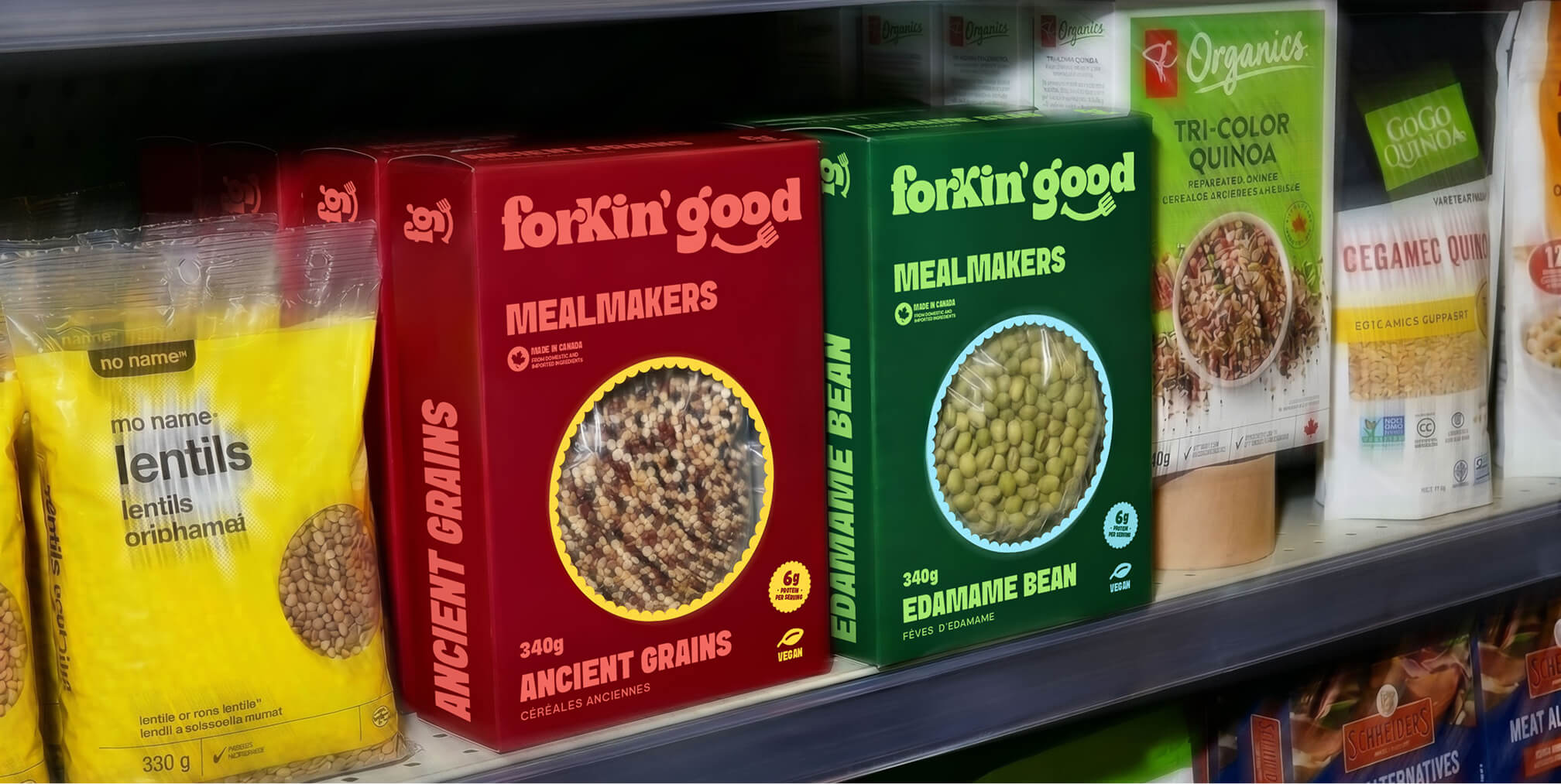
A strong brand image is built deliberately across several interconnected components. Consistency across all of them matters more than perfection in any single one.
Brand Personality and Brand Values
Brand personality is the set of human traits associated with your brand-playful, expert, rebellious, caring. These guide your brand voice, creative choices, and how consumers encounter you at every touchpoint, and a distinct brand persona makes those traits concrete enough to apply consistently.
Brand values are the belief systems behind decisions: sustainability, innovation, inclusivity, heritage. They act as filters for campaigns, partnerships, and internal culture.
- Nike's personality: competitive, inspirational, aspirational. Its values include performance and equality.
- Patagonia's personality: responsible, expert, activist. Its values: environmental protection, durability, zero-waste.
Quick exercise: List 5–10 personality adjectives and 3–5 core values. Test them with employees and target customers. If they don't match what people already say about you, you have a gap to close.
Visual Identity and Brand Colors
Your visual identity translates brand personality into design: logo, brand colors, typography, imagery style, all codified through clear visual brand guidelines. It's what makes a brand recognizable even without a name attached.
- Coca Cola's red signals energy and joy. Tiffany's blue communicates luxury and exclusivity. Duolingo's green says playful learning.
- Consistent use of visual elements across channels-packaging, website, app, social-builds recognition that compounds over time.
- Color associations matter: blue for trust and reliability (banks, B2B SaaS), green for nature and health (eco brands), black for luxury and sophistication.
Maintaining consistency doesn't mean never evolving. Many brands refresh photography, campaign aesthetics, or secondary palettes every 1–3 years while keeping core identity elements stable.
Customer Experience and Service Behaviors
Every interaction-from onboarding emails to the returns process-either reinforces or weakens the intended brand image. Great customer service can become a brand's most powerful differentiator.
- Zappos: 24/7 support, surprise shipping upgrades, and lenient returns built a caring image that drove word-of-mouth and loyalty.
- Apple Stores: minimalist layout, hands-on demos, and premium packaging reinforce the brand's design-led identity at every physical touchpoint.
- Frontline employees are often the "real" brand in the eyes of customers, making internal culture central to image. If your brand values say "playful," your chatbot error messages should reflect that too.
Map your key customer journeys-pre-purchase, purchase, post-purchase-and compare them to your stated brand promise. Where do they diverge?
Social Proof, Reviews, and Public Reputation
Online reviews, star ratings, and social media comments heavily influence consumer perception. In many categories, they matter more than advertising.
- User-generated content and authentic influencer partnerships humanize a brand and build trust faster than polished ads.
- Airbnb shifted its image from "cheap lodging" to "authentic local experiences" by surfacing guest stories and real photography-a brand based approach that turned customers into storytellers.
- Brands that respond to negative reviews publicly, with genuine problem-solving, turn visible complaints into positive brand signals.
How to Build a Strong Brand Image Step by Step
This is the actionable core. Whether you're a startup or an enterprise, brand image building follows an iterative process: define → express → deliver → listen → adjust. Here's how to move through it over 6–24 months.
Clarify Mission, Vision, and Brand Values
Start by articulating why you exist (brand mission statement), what future you're working toward (brand vision), and which values are non-negotiable. Clear purpose helps avoid opportunistic campaigns that clash with core beliefs and damage brand perception.
- Run workshops with leadership and cross-functional teams within the first 30 days.
- Draft a 1–2 sentence mission and 3–5 core values.
- Test them: do employees recognize these values in daily operations? If not, refine until they ring true.
Define Positioning and Brand Persona
Brand positioning describes the unique identity your brand occupies in the market, and applying a structured brand positioning framework helps make those choices explicit and defensible. Use a simple formula:
For [target audience] who [need], [brand] is the [category] that [key differentiator]. Well-crafted brand positioning templates and examples can make this process faster and more rigorous.
Create a brand persona that captures tone and style-"helpful expert," "bold challenger," "caring guide." Allocate 2–4 weeks for competitor research and audience analysis, then 1–2 weeks to refine your positioning with stakeholder feedback.
Design or Refresh Brand Identity (Logo, Brand Colors, Voice)
With positioning defined, translate it into tangible identity elements that support brand design and development:
- Logo, brand colors, typography, imagery style
- Verbal identity: brand voice, tone guidelines, tagline
- A simple brand kit or style guide documenting usage rules
Plan 8–12 weeks for a full identity refresh with professional support. For incremental updates, shorter timelines work. Think of recognizable benchmarks-the Nike swoosh, the Duolingo owl-as examples of consistent brand identity that maintain a unique identity across decades.
Align Customer Experience With Promised Brand Image
Audit real customer journeys to see if they match the desired image:
- Use mystery shopping, usability tests, and customer interviews over one quarter.
- Identify quick wins: faster response times, simpler returns, thoughtful touches like handwritten notes or playful microcopy.
- Implement operational changes-training, scripts, service standards-so front-line teams embody brand values daily.
A consistent brand image requires the experience to match the promise at every step.
Communicate Consistently Across Channels
Building a strong brand means coordinated messaging across website, email, social media, packaging, and PR, all guided by a coherent brand communication strategy.
- Choose 3–5 core messages and themes that appear repeatedly over at least 6–12 months.
- Adapt tone per channel (conversational on TikTok, polished on LinkedIn) while keeping underlying brand personality stable.
- Use an editorial calendar and asset templates. As a brand grows, these tools prevent drift-especially when working with agencies or scaling teams.
Post relevant content regularly. Hosting events, both virtual and in-person, can also increase brand awareness and reach new audiences.
Use Customer Feedback to Refine Brand Image
Customer feedback is the most direct way to see whether image and identity are aligned or drifting apart.
- Run post-purchase surveys, NPS tracking, and periodic brand perception surveys. Review results monthly or quarterly.
- Use social listening tools to catch shifts in sentiment or emerging themes before they snowball.
- Act on feedback visibly: fix recurring service issues, change confusing packaging, and communicate those changes transparently.
Tropicana's 2009 packaging redesign is a cautionary example: the new design looked generic, loyal customers objected, and the company reversed course. Listening quickly would have prevented millions in lost sales.
Feedback loop: Listen → Analyze → Decide → Act → Communicate. Repeat continuously.
Measuring, Managing, and Improving Brand Image
What gets measured gets managed. To measure brand image effectively, combine quantitative data with qualitative insights. Here's a practical toolkit you can implement within 30–90 days.
Surveys, Brand Tracking, and Consumer Perception
Rigorous tracking connects perception shifts to outcomes, supporting a data-driven view of why branding matters.
- Run baseline brand perception surveys asking how key audiences describe the brand, which attributes they associate with it, and how it compares to competitors.
- Include both existing customers and non-customers to see how image differs between those with and without direct experience.
- Repeat every 6–12 months to track shifts. Turn results into word clouds or attribute maps to visualize trends.
- Customer surveys with open-ended questions often reveal the language real people use-which should inform your key messaging.
Digital Signals: Search, Social Listening, and Website Behavior
- Branded search volume (e.g., "[brand] reviews," "[brand] alternatives") indicates awareness and interest trends over time.
- Social listening metrics: share of voice vs. competitors, sentiment analysis, trending topics linked to your brand.
- Website behavior: time on site, bounce rate, and navigation paths reveal whether content and design match the intended image.
- Build a simple monthly dashboard tracking 5–10 indicators. Watch for sudden drops-they often signal an image issue before it hits revenue.
Brand Image in B2B vs. B2C Contexts
In B2C, brand image often centers on lifestyle, emotion, and quick recognition-how target customers feel when they see your product on a shelf or in a feed. In B2B, image leans on expertise, reliability, and the brand's reputation for long-term partnership value.
- B2B metrics to watch: share of voice in trade media, branded pipeline contribution, win-rate lift when the brand is known vs. unknown.
- Even in B2B, emotional drivers matter. Research with 454 industrial buyers found that credibility and company-buyer identification correlated directly with willingness to pay a price premium.
- High quality products are table stakes in B2B; what differentiates is perceived product quality combined with the brand's reputation for service and reliability.
Real-World Examples of Brand Image in Action
Coca-Cola: Consistency, Brand Colors, and Emotional Storytelling
Coca Cola has used the same core brand colors-red and white-and script logo for decades, building instant recognition across 200+ countries. NielsenIQ estimates Coca-Cola's brand value at US$97.9 billion, representing over a third of its stock value.
- "Share a Coke" (launched 2011 in Australia, expanded globally) personalized bottles and drove both sales and social engagement, reaching new customers through a simple, shareable idea.
- Seasonal campaigns-Christmas trucks, polar bears-reinforce a warm, nostalgic brand personality year after year.
- Even as the portfolio expands (Coca-Cola Zero Sugar, flavored variants), the core image stays anchored in joy and togetherness. Successful brand images don't require standing still; they require an unshakable center.
Apple: Premium Brand Identity and Loyal Community
Apple's minimalist design, sleek aesthetics, and consistent messaging built a premium, innovative brand image starting in the late 1990s. By 2025, Apple held the highest brand value globally at roughly US$1.3 trillion.
- Physical Apple Stores, unboxing experiences, and a tightly integrated ecosystem reinforce the perception of quality and ease of use at every step.
- Despite high prices, Apple enjoys intense brand loyalty-loyal customers wait in line for launches and upgrade within the ecosystem. The effective marketing strategy is inseparable from the product experience itself.
- Apple demonstrates how aligning product, service, and communication over decades builds a resilient, strong image that competitors struggle to replicate.
Airbnb and Burger King: Evolving Brand Image to Stay Relevant
Airbnb shifted from a purely functional value proposition ("cheaper than hotels") to an emotional narrative of belonging and local experiences from around 2014 onwards. The updated logo, warmer brand colors, and "Belong Anywhere" slogan were identity tools used to reshape consumer perception and attract new audiences.
Burger King's 2021 global rebrand used retro-inspired visuals and messaging about ingredient quality to address health-conscious expectations. Both examples show that evolving image and brand identity is sometimes necessary to match shifting consumer values-but the evolution must feel authentic, not forced.
When a brand stand reflects genuine change in product or service, audiences respond. When it's cosmetic, they see through it.
FAQs About Branding and Image
How long does it take to build a strong brand image?
Early shifts in perception can appear within 3–6 months of focused effort, but building a truly strong, trusted brand image usually takes 2–3 years of consistent delivery. Timelines depend on budget, category, and starting awareness. A niche B2B brand with a clear target audience may move faster than a mass-market consumer brand. Set 90-day, 12-month, and 3-year goals for awareness, perception, and loyalty metrics. Treat brand image as an ongoing investment like product development, not a one-off campaign project.
What are the biggest mistakes companies make with brand image?
The most common pitfalls include inconsistent messaging across channels, chasing every cultural trend, overpromising and underdelivering on product or service quality, ignoring negative customer feedback, and executing confusing rebrands. Sudden, drastic visual changes without explanation can alienate loyal customers-Tropicana's 2009 packaging redesign forced a costly reversal after consumer backlash. Cause-marketing that doesn't align with real brand values risks damaged consumer perception. Regular brand audits help catch these issues before they become crises.
How can small businesses compete on brand image with global brands?
Small brands can't match Coca Cola's media spend, but they can win on authenticity, community focus, and personal relationships. Focus on a narrow, clearly defined audience, a distinctive brand personality, and outstanding customer experience rather than broad awareness. Low-cost tactics work: consistent social media posts, local partnerships, hosting events, and prompt, human responses to reviews and messages. A strong, credible image within a niche can be more valuable than weak visibility to everyone.
How often should we update our brand identity to keep our image fresh?
Core identity elements-name, logo, brand colors-should be updated rarely, roughly every 7–15 years or when there's a major strategy shift. Lighter refreshes of photography, messaging style, and campaign creative every 1–3 years keep you culturally relevant without confusing existing customers. The goal is evolution, not revolution: keep recognizable elements so long-time loyal customers still feel at home. Always validate significant identity changes through customer testing before a full rollout.
What's the first thing I should do tomorrow if my brand image is weak?
Start with a quick reality check: collect recent reviews, social comments, and internal feedback to understand current consumer perception. Then define or revisit your mission, values, and a simple positioning statement to clarify what your brand should stand for. Choose one or two high-impact touchpoints-your website homepage, customer service scripts, or primary social profile-and improve them within the next 30–60 days. Visible, early improvements build momentum and credibility for the deeper brand work that follows.

Quincy Samycia
As entrepreneurs, they’ve built and scaled their own ventures from zero to millions. They’ve been in the trenches, navigating the chaos of high-growth phases, making the hard calls, and learning firsthand what actually moves the needle. That’s what makes us different—we don’t just “consult,” we know what it takes because we’ve done it ourselves.
Want to learn more about brand platform?
If you need help with your companies brand strategy and identity, contact us for a free custom quote.
We do great work. And get great results.
+2.3xIncrease in revenue YoY
+126%Increase in repurchase rate YoY



+93%Revenue growth in first 90 days
+144% Increase in attributed revenue




+91%Increase in conversion rate
+46%Increase in AOV

+200%Increase in conversion rate
+688%Increase in attributed revenue