Creating an Unforgettable Experience: Your Ultimate Guide to Event Branding

03/04/2025

Branding / Marketing Strategy

Create an event brand that gives people a clear reason to attend. Learn how to connect your strategy, messaging, visual identity, and attendee experience before, during, and after the event.

Abstract illustration of red, black, and blue balloons on a textured blue and black background.

Event branding is the process of defining an event’s identity and expressing it through messaging, visual design, and the attendee experience. It establishes who the event is for, what makes it relevant, and what people can expect from attending. For a conference, trade show, product launch, or company event, those decisions should guide everything from the registration website and invitations to stage graphics, signage, and follow-up communications. Each element should reinforce the event’s purpose while helping attendees find information, navigate the experience, and participate. This guide explains how to develop an event branding strategy, create a consistent identity, and apply it across physical and digital materials. You’ll also find practical branding ideas and ways to evaluate results through attendance, engagement, and attendee feedback.

Sloane Avery
Play IconPause Icon
0:00
0:00

Defining Your Event Brand

A smiling man wearing glasses and a tech conference badge, standing in a vibrant event space.
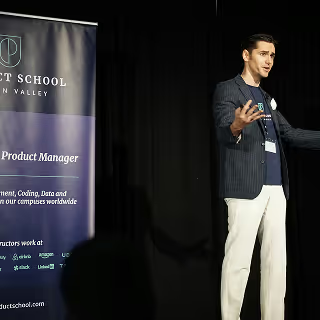
A speaker gesturing energetically on stage beside a "Product School" banner.
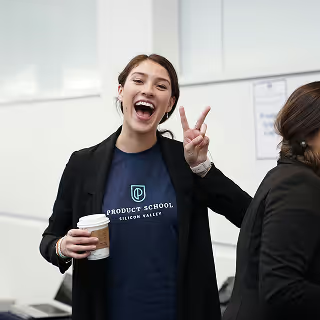
A cheerful woman flashing a peace sign and holding coffee at a tech event.
No items found.

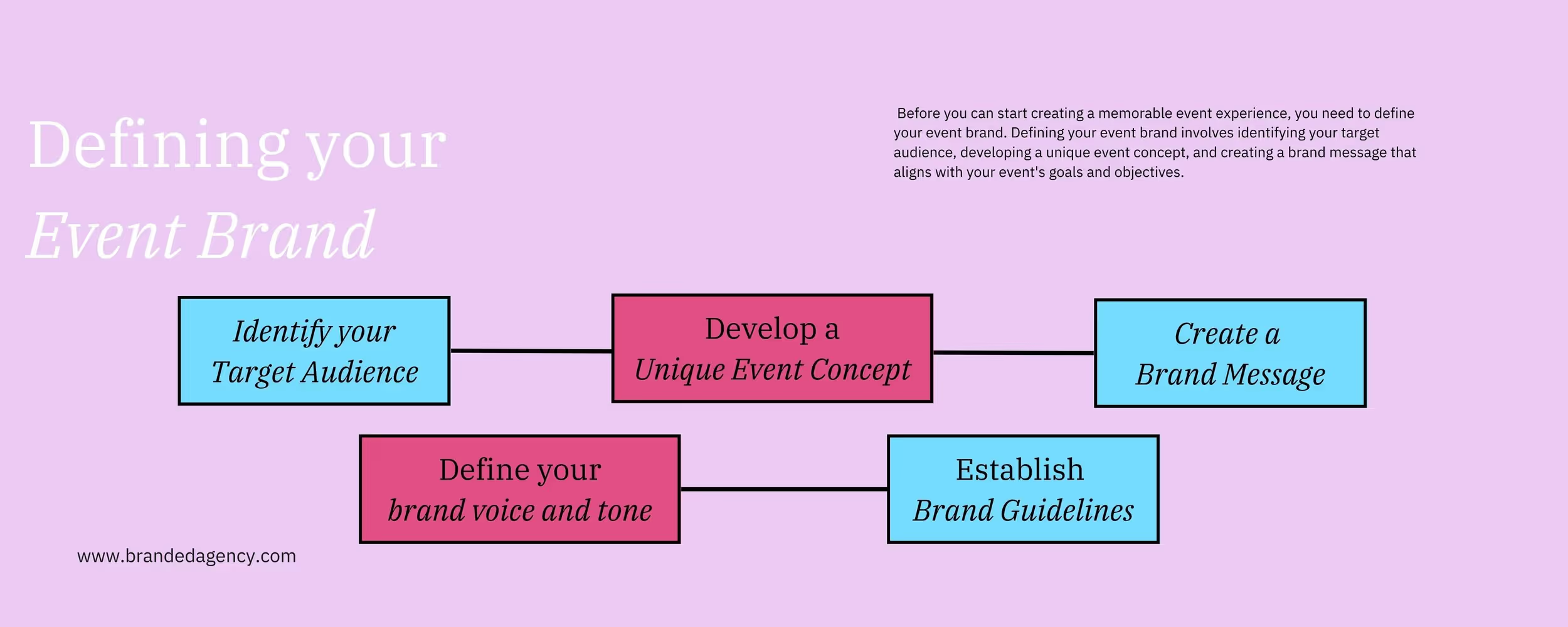
To define your event brand, clarify who the event serves, why people should attend, what distinguishes it, and how that promise will shape the experience. These decisions guide your messaging, visual identity, programme, and communications before, during, and after the event.

Start with a practical brief that your marketing, design, and event teams can use.

1. Clarify Your Event’s Purpose

Identify what the event should accomplish for both the organiser and the attendee.

Your business might want to introduce a product, strengthen customer relationships, or connect with potential partners. Attendees need their own reason to participate, such as learning a skill, evaluating a solution, or meeting relevant peers.

Define the intended outcome and how you will assess it. For example, an educational event could measure whether attendees leave with a clearer understanding of the topic through a post-event survey.

2. Identify Your Target Audience

Define your audience through their motivations, needs, and circumstances. Useful questions include:

  • Who should attend? Consider their role, interests, experience, and relationship with your organisation.
  • What are they looking for? Identify the knowledge, connections, or experiences they value.
  • What might prevent attendance? Explore barriers such as cost, travel, timing, or an unclear agenda.
  • What will help them participate? Consider accessibility, language, format, and support needs.

Use previous registration data, attendee surveys, customer interviews, and feedback from sales or community teams to inform these decisions. For a new event, speak with prospective attendees before finalising the concept.

Plan accessibility early. W3C’s guidance on making events accessible covers considerations for in-person, virtual, and hybrid formats, including venues, platforms, presentations, and participant needs.

3. Develop a Distinctive Event Concept

Your event concept connects the audience’s needs with a specific experience. Define the central topic, format, programme, and reason to choose your event over other ways of spending that time.

A theme can express the concept, but the agenda needs to support it. If you promise practical learning, provide opportunities to practise. If you promise meaningful networking, design activities that help relevant people meet.

Also clarify the event’s relationship with the organising brand. Decide whether it needs a distinct identity, follows the company’s existing identity, or combines both.

4. Create a Clear Event Brand Message

Your core message should explain who the event is for, what attendees can gain, and what makes that benefit credible. A brand messaging framework can help organise the main promise and its supporting points.

Use this starting structure:

For [audience], [event name] offers [specific value] through [format, programme, or evidence].

Hypothetical example:

“For B2B marketing leaders, Growth Lab is a one-day workshop for developing a campaign plan through expert-led sessions, peer feedback, and practical planning exercises.”

Use the same central message across the event website, invitations, advertisements, and speaker materials. Adapt the length and emphasis to each format while keeping the offer accurate.

5. Define Your Event’s Brand Voice and Tone

Choose a brand personality that fits the audience, purpose, and host organisation. Translate traits such as “welcoming,” “curious,” or “expert” into specific writing choices.

Your voice should remain recognisable, while your tone responds to the situation. A launch announcement can sound enthusiastic; a schedule change should be calm, clear, and direct.

Document these choices in your brand voice guidelines, with examples for invitations, registration confirmations, speaker introductions, and attendee support.

6. Establish Practical Event Brand Guidelines

Create shared brand guidelines that explain how approved messaging and design should appear across event materials.

Include:

  • Identity rules: Logo versions, colours, typography, imagery, and layout.
  • Messaging: The event description, attendee benefits, voice, and preferred terminology.
  • Brand relationships: How organiser, event, sponsor, and partner identities appear together.
  • Applications: Examples for the website, emails, signage, badges, presentations, and social posts.
  • Assets and approvals: Current file locations, an update owner, and a contact for questions or exceptions.

Document strategic decisions first, then add visual specifications as the identity is approved. This gives the team a clear foundation for designing and delivering the event.

Free Brand Health Audit

Make sure your brand is built to sell

Search has changed. Your customers aren't just Googling anymore. They're asking ChatGPT, Perplexity, Gemini and other AI platforms what to buy, who to trust and which brands they should consider.

If your brand isn't showing up clearly in those answers, you're already losing opportunities. Our free Brand Health Audit shows you where your brand stands across traditional search, AI search and brand positioning.

checkmark icon
AEO Health
checkmark icon
GEO Visibility
checkmark icon
Brand Health

Sample brand audit

Live preview

Traditional search

72

AI search (GEO)

34

Brand positioning

58

Creating a Brand Identity for Your Event
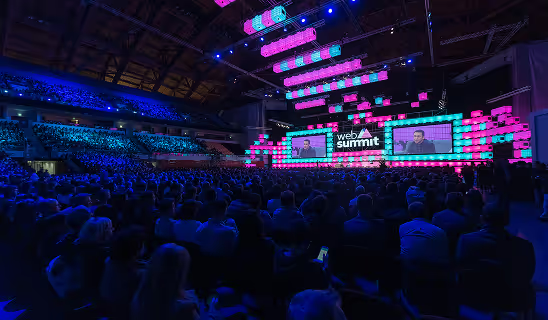
Large audience seated in a stadium-style venue watching presentations at Web Summit.
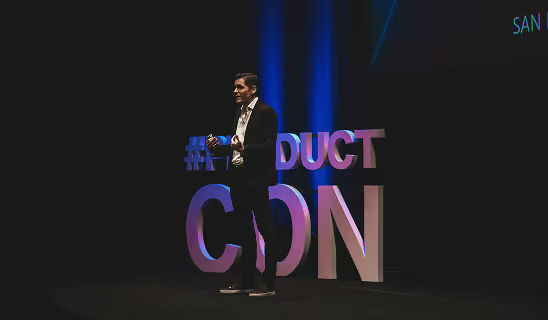
Man delivering a keynote speech on stage at a conference labeled “Product Con.”
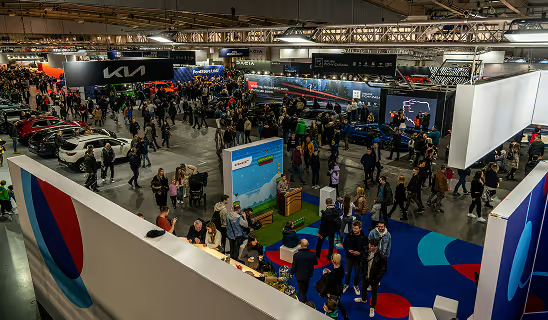
Overhead view of a bustling trade show floor filled with booths and attendees.
Young designer reviewing documents at a desk with a computer displaying a color wheel.
Here are some key steps to creating a cohesive and visually appealing brand identity for your event

An event brand identity brings your concept to life through its logo, colours, typography, imagery, and layouts. These elements should help people recognise the event, understand its character, and find essential information across digital and physical materials.

Translate Your Brand Personality Into Design

Use the personality defined in your event strategy to guide visual decisions. Make each trait specific enough for designers to apply.

For example, a hypothetical creative workshop could express:

  • Energy: Bold accent colours and expressive photography.
  • Curiosity: Illustrations that encourage exploration.
  • Clarity: Readable typography and straightforward layouts.

Check these choices against your audience, venue, and event format. A design that works in a social post also needs to remain useful on a ticket, presentation slide, or directional sign.

Create a Flexible Event Logo

Your event logo should be recognisable at different sizes and work alongside organiser and sponsor identities. Understanding the relationship between logo design and brand identity helps you build a visual system around the mark.

Prepare approved versions for light and dark backgrounds, small applications, and single-colour printing. Test them on realistic materials, including mobile screens, badges, stage graphics, and merchandise.

For recurring events, decide how dates, locations, or annual themes will appear without requiring a completely new identity each year.

Choose Colours and Typography for Readability

Give each colour a clear role, such as backgrounds, headings, accents, or calls to action. Define a typography hierarchy that makes event names, session titles, times, and supporting information easy to distinguish.

For websites and digital materials, test colour combinations against the WCAG text-contrast requirements. Ordinary text generally requires a contrast ratio of at least 4.5:1 at Level AA.

Test printed signs at their intended size and viewing distance, and check presentation slides under venue lighting. Essential information should remain easy to read wherever attendees encounter it.

Build Templates for Everyday Applications

Turn your design decisions into reusable templates for:

  • Event announcements and speaker profiles.
  • Registration pages and confirmation emails.
  • Tickets, badges, and directional signage.
  • Presentation slides and stage screens.
  • Post-event resources and follow-up communications.

Document the rules in your visual brand guidelines. Include approved assets, sponsor placement, editable areas, and a contact for design questions.

Promoting Your Event

Event promotion should explain who the event is for, what attendees can expect, and how to register. Coordinate your website, social content, emails, and partner materials around the same central message.

Build a Clear Event Website and Registration Experience

Your event page should answer the questions people ask before committing:

  • Who should attend, and what will they gain?
  • When and where does it take place?
  • What does the programme include?
  • What does each ticket cover, and what is the total price?
  • Where can attendees find accessibility information and support?

Keep the identity consistent from the promotional page through checkout and confirmation. When comparing ticketing platforms, review options for embedding checkout, managing ticket types, setting capacity limits, and checking in guests.

Test the complete registration journey on mobile. Confirm that ticket descriptions, payment steps, confirmation messages, and event details are clear before promotion begins.

Create a Focused Social Media Strategy

Choose channels based on where your intended attendees spend time and seek relevant information.

Build content around specific reasons to attend: useful session topics, speaker expertise, demonstrations, networking opportunities, or audience questions. Provide speakers and partners with approved graphics and suggested copy.

An event hashtag can help organise public posts, but it needs a supporting distribution plan. Give each promotional post a clear next step, such as viewing the programme or registering.

Use Email to Move People Towards Attendance

Plan emails around the recipient’s relationship with the event:

  • Prospective attendees: Explain the value, programme, and registration options.
  • Previous attendees: Highlight what is new or particularly relevant.
  • Registered attendees: Share arrival instructions, preparation materials, and schedule updates.
  • After the event: Deliver promised resources and request feedback.

Use clear subject lines, readable mobile layouts, and one primary call to action. Remove registered attendees from messages that continue asking them to buy the same ticket.

Work With Relevant Creators and Partners

Choose speakers, community organisations, industry partners, or creators whose audiences overlap with yours. Consider their subject expertise, audience relevance, and communication style alongside their reach.

Agree on deliverables, dates, approved information, and how paid or gifted arrangements will be communicated. Give each partner a trackable link so you can review visits and registrations associated with their activity.

Providing a Memorable Event Experience

The attendee experience is where your event delivers on its brand promise. Registration, arrival, sessions, support, and follow-up should reflect the expectations created by your promotion.

Make Arrival and Navigation Straightforward

Send practical joining instructions before the event, including travel information, entrance locations, check-in requirements, and a support contact.

At the venue, use clear signs, visible staff identification, readable schedules, and directions to accessible routes and facilities. Test check-in procedures and prepare a backup process for connectivity problems.

For virtual or hybrid events, explain how to join, navigate sessions, ask questions, and request technical help.

Design Participation Around Your Event Promise

Choose activities that support the reason people came.

If you promise practical learning, include exercises and useful takeaways. If networking is central, provide structured introductions or discussions that help relevant attendees meet.

Hypothetical example: A workshop promoted as “leave with a campaign plan” could include a planning template, guided working time, and feedback. Its value should be visible in the programme and the materials attendees take away.

Prepare Your Team to Support Attendees

Brief staff and volunteers on the event purpose, schedule, accessibility arrangements, and common questions. Make it clear who can resolve ticketing issues, handle complaints, and approve changes.

Use calm, direct communication when something goes wrong. Explain what has changed, what attendees should do, and when they can expect another update.

Afterwards, send promised resources and respond to unresolved questions. Follow-through is part of the experience.

Measuring Event Brand Success

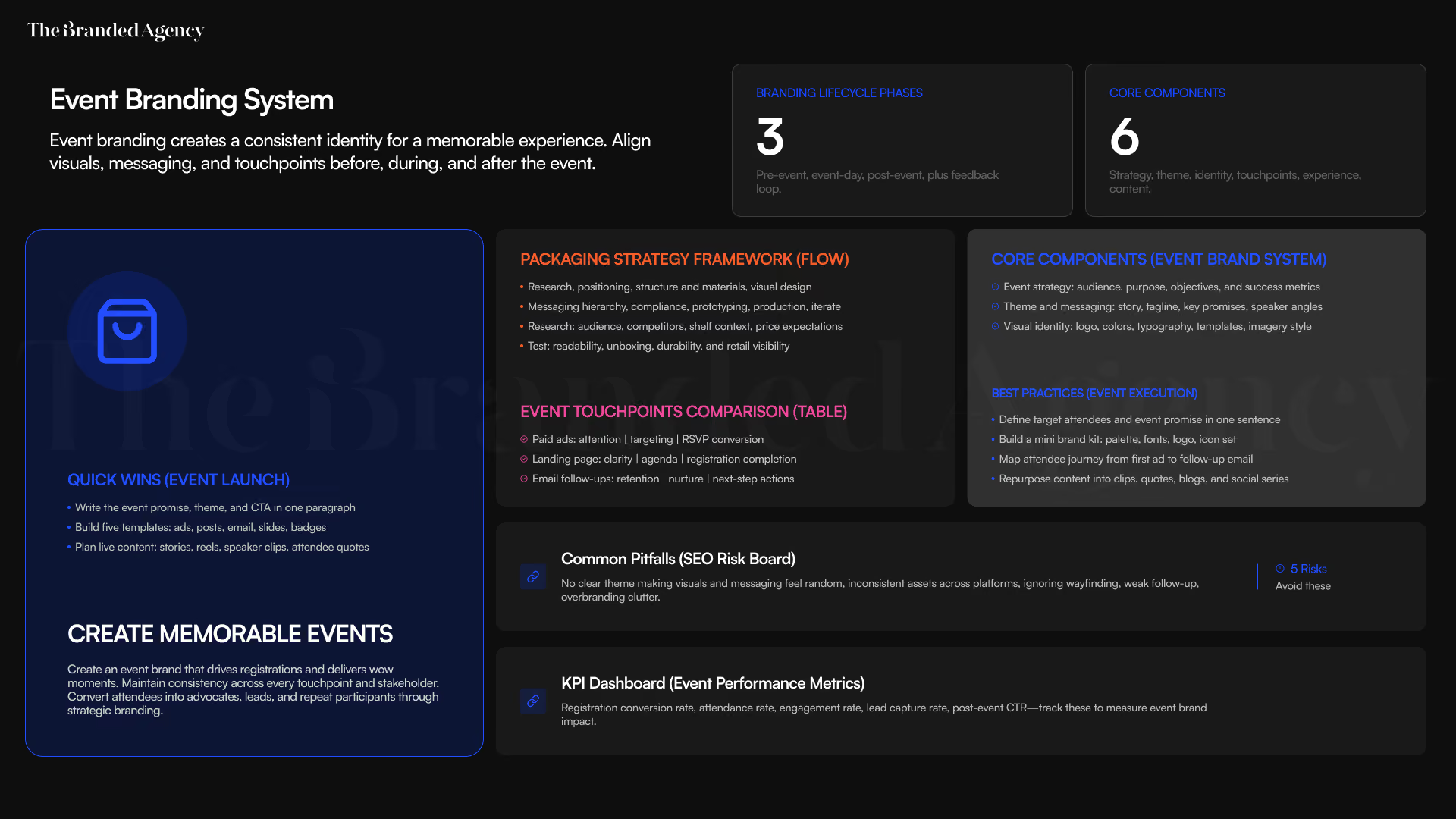
Measure event branding through a combination of audience perceptions, participation, and commercial results. Ticket sales show demand, while attendee research helps establish whether people understood the event’s purpose and experienced its promised value.

Set measurable brand objectives before promotion begins. Record the starting point, target audience, desired result, deadline, evidence source, and person responsible for reviewing progress.

Track Registrations, Revenue, and Attendance Separately

Monitor ticket sales by type, cancellations, refunds, and actual attendance. Separate paid tickets, complimentary admissions, and walk-ins so the figures remain meaningful.

A useful attendance calculation is:

Attendance rate = checked-in registered attendees ÷ valid registrations × 100.

Define how cancellations are excluded, and report walk-ins separately. For recurring events, compare equivalent periods, such as registrations four weeks before each event.

Review revenue alongside event costs. Pricing, programme changes, advertising spend, and venue capacity can all influence results, so a sales increase alone does not establish the effect of branding.

Measure Social Engagement Against Its Purpose

Choose metrics that match the activity:

  • Distribution: Reach and impressions.
  • Interaction: Relevant comments, shares, saves, and questions.
  • Website response: Visits from tagged campaign links.
  • Registration: Completed bookings associated with those visits.

A popular post does not necessarily produce attendance. Review whether the content reached relevant people and prompted the intended action.

Ask Whether the Experience Matched Expectations

Use a short post-event survey to investigate the promise made in your marketing. Ask questions such as:

  • What was your main reason for attending?
  • How well did the event meet that expectation?
  • Which session or activity was most useful?
  • What made participation difficult?
  • How would you describe the event to a colleague?

Report the number of responses alongside the findings. For recurring events, keep core questions consistent so comparisons are useful.

Turn Findings Into Improvements

Assign each priority improvement to an owner and set a review date.

If attendees valued the programme but struggled with arrival, improve joining instructions and signage. If prospective attendees misunderstood the offer, revisit the event page and campaign message. Use the evidence to decide which part of the event needs attention.
‍

Want to learn more about brand platforms, Brand Strategy and Brand Identity? Keep reading!

If you need help with your companies brand strategy and identity, contact us for a free custom quote.

Building an Event Website That Helps People Attend
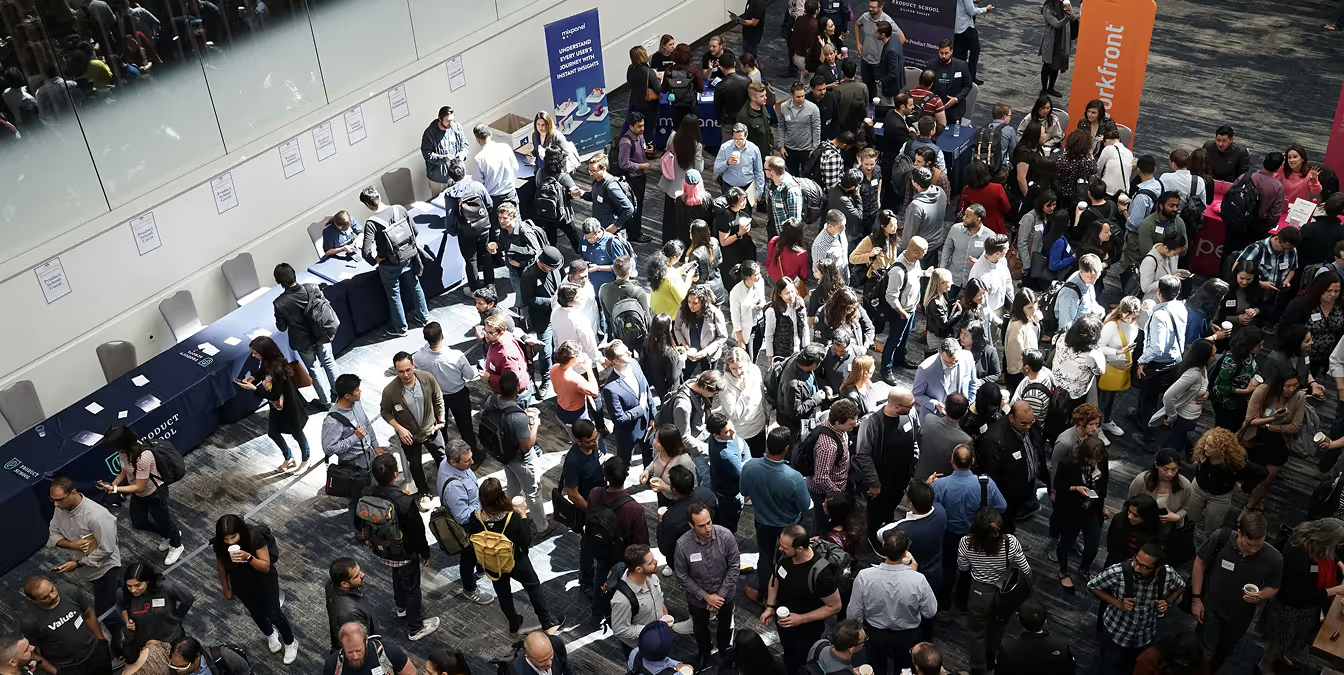
Crowded registration area at a tech conference, with people gathering around booths.

An event website gives prospective attendees a central place to understand the event, review the programme, and register. It also supports people who have already booked by providing current schedules, joining instructions, and contact information.

For a smaller event, a dedicated page on your existing website may be enough. A larger conference or recurring event may need separate pages for sessions, speakers, exhibitors, and attendee resources.

Publish Clear, Complete Event Information

Organise the website around the questions people need answered:

  • Event overview: Who the event serves, what it covers, and what attendees can expect to gain.
  • Date and time: Start and finish times, including the time zone for online participation.
  • Location or format: The venue address, travel information, or details about how virtual access will work.
  • Programme and speakers: Session descriptions, confirmed presenters, and relevant experience.
  • Registration: Ticket options, inclusions, total prices, booking deadlines, and cancellation terms.
  • Attendee support: Accessibility information, a contact method, and answers to common questions.

For virtual events, explain when joining links will arrive, whether recordings will be available, and whether participants need an account or software download.

Make the Website Easy to Use

Treat website design and development as part of the attendee experience. Make schedules easy to scan, keep registration buttons visible, and test pages on mobile devices.

Follow established accessible form design practices: use clear field labels, explain required information, and provide helpful error messages. Ask for information you need to process the registration and support attendance.

Publish essential details as readable page text, even when they also appear in promotional graphics.

Support Search Visibility and Keep Details Current

Use a descriptive page title, clear headings, and consistent event information across your website and promotional listings. Give each event its own page so visitors can distinguish it from previous or upcoming editions.

For eligible event pages, follow Google’s Event structured data guidance. The markup should match the information visitors can see. Google’s event search experience currently requires a physical location; online-only events are not supported, and correctly implemented markup does not guarantee a rich result.

Assign someone to update programme changes, ticket availability, and event status. After the event, clearly identify the page as a past event and provide relevant recordings, resources, or information about the next edition.

Event Branding Ideas That Support the Experience

Useful event branding ideas connect the event’s identity with something attendees can see, do, or take away. Choose activities and materials that support the event’s purpose and fit the available budget.

Consider these options:

  • A distinctive welcome area: Combine the event name, a clear welcome message, and practical directions at the entrance.
  • A participation wall: Invite attendees to contribute questions, ideas, or responses to a prompt related to the event theme.
  • Branded workshop materials: Create worksheets, notebooks, or digital templates that help participants apply what they learn.
  • A photo setting: Design a backdrop or installation that expresses the event concept and gives attendees an optional place to take photographs.
  • Networking prompts: Use optional interest labels or conversation cards to make introductions easier.
  • A resource collection: Bring session summaries, presentation materials, and useful links together in a branded page after the event.

Hypothetical example: An event about practical innovation could invite attendees to submit a business challenge before arrival, explore selected challenges in workshops, and leave with a branded action-plan template.

This gives the visual identity a role throughout the experience. Prioritise a few well-executed ideas that reinforce the event’s promise.

What Is Onsite Branding for an Event?

Onsite branding is the application of an event’s identity throughout its physical venue. It includes entrance graphics, directional signs, stage backdrops, badges, printed materials, and branded spaces.

Plan these elements around the attendee’s route through the event:

  • Arrival: Entrance identification, registration signs, and check-in information.
  • Navigation: Room names, maps, directional signs, and accessible route information.
  • Sessions: Stage graphics, presentation templates, speaker identification, and schedules.
  • Shared spaces: Networking areas, information desks, and clearly identified sponsor or exhibitor zones.

Use consistent naming across the website, programme, signs, and staff briefings. An attendee should not need to work out whether “Workshop Room Two” and “Studio B” mean the same place.

Before production, check viewing distances, lighting, dimensions, mounting requirements, and placement with the venue. Keep safety signs visible and make essential directions readable without relying on colour alone.

For recurring events, consider reusable structures with replaceable panels for dates, sponsors, or session details.

Branded Event Elements: A Production Checklist

Create a shared list of the materials your team needs before, during, and after the event:

  • Before: Event pages, invitations, advertisements, speaker graphics, registration confirmations, and tickets.
  • During: Badges, signage, stage screens, presentation slides, programmes, activity materials, and support information.
  • After: Thank-you emails, surveys, recordings, session summaries, and future-event announcements.

For each item, record its purpose, format, owner, approval deadline, and final file location. This helps designers, organisers, printers, and partners work from the same information.

Your brand guidelines should show how event, organiser, and sponsor identities appear together. Provide approved templates while allowing practical adjustments for different formats.

How to Choose Event Apps and Tools

The best event tools are those that solve a clear organisational or attendee need. Start with the event format, audience size, programme complexity, and support capacity.

Assess the functions you need:

  • Registration and check-in: Booking management, ticket delivery, capacity controls, and attendance records.
  • Agenda access: Session information, personalised schedules, and programme updates.
  • Networking: Optional attendee profiles, meeting requests, or relevant group discussions.
  • Virtual participation: Streaming, captions, moderated questions, and technical support.
  • Feedback and reporting: Surveys, participation records, and usable data exports.

Compare the full cost, branding options, accessibility, integrations, support availability, and how attendee information is handled. Test the tasks that matter most using the devices attendees and staff will have available.

A simple event may work well with a mobile-friendly website, email updates, and registration software. A dedicated app becomes more useful when attendees need to navigate multiple sessions, arrange meetings, or receive frequent updates.

Before launch, run a rehearsal covering registration, confirmation, check-in, schedule changes, and feedback collection. Assign someone to manage each system and document a backup process for essential tasks.

Planning a Company Brand Event

Man in a suit smiling and holding a glass at a professional networking event.

A company brand event brings your organisation’s identity into a shared experience, such as a product launch, customer workshop, partner conference, or employee gathering. Start by connecting the business objective with a clear reason for people to participate.

Create a Shared Event Brief

Before commissioning designs or launching promotion, document these decisions:

  • Purpose: What should attendees understand, experience, or be able to do afterwards?
  • Audience: Who is the event for, and what makes it relevant to them?
  • Brand relationship: Will the event use the company identity directly or have a distinct identity connected to it?
  • Programme: Which sessions, demonstrations, or activities will deliver the promised value?
  • Budget and scope: What can the team realistically deliver across the venue, production, promotion, technology, and attendee support?
  • Responsibilities: Who owns delivery, approves messaging and design, and communicates changes?
  • Measurement and follow-up: What evidence will you collect, when will you review it, and what happens after the event?

Bring marketing, sales, operations, and relevant subject experts into the planning process. Give external suppliers approved briefs, current assets, and clear deadlines.

Make the Company’s Promise Tangible

Choose activities that demonstrate what your company offers.

Hypothetical example: A software company launching a reporting tool could organise a workshop where participants use sample data to build a report. The invitation explains the learning outcome, the session delivers guided practice, and the follow-up includes instructions attendees can use later.

This connects the message with a specific experience. Before launch, rehearse the programme, test registration and presentation equipment, and confirm that staff can answer common questions.

Bring Your Event Brand to Life

Effective event branding connects a clear purpose with consistent communication and a well-delivered experience. The event’s name, design, promotion, programme, and support should all help attendees understand what to expect and get value from participating.

Start with an agreed brief, create the materials your team needs, and test the attendee journey before launch. Afterwards, review feedback alongside attendance and commercial results to decide what to improve.

If you need help developing your event’s positioning, messaging, or visual identity, explore our branding services or contact The Branded Agency to discuss your project.

Event Branding FAQs

What Is Event Branding?

Event branding is the process of defining an event’s identity and expressing it through messaging, visual design, and the attendee experience. It communicates who the event is for, why it matters, and what people can expect before, during, and after attending.

How Does Event Branding Differ From Corporate Branding?

Corporate branding represents an organisation across its products, services, and communications. Event branding applies or adapts that identity for a particular audience, purpose, and experience. An event can have its own name and visual style while remaining clearly connected to the organising company.

What Are the Key Components of Event Branding?

The main components are audience definition, event positioning, messaging, visual identity, promotional materials, and attendee experience. Practical guidelines explain how to apply these elements across websites, emails, signage, presentations, and support communications. Measurement helps assess whether the event delivered its intended value.

How Do I Identify My Event’s Target Audience?

Identify the people most likely to benefit from the event’s purpose and programme. Research their interests, responsibilities, goals, and barriers to attending through interviews, surveys, customer feedback, and previous registration data. Use demographics where relevant, alongside evidence about why people would participate.

How Do I Develop a Distinctive Event Concept?

Choose a specific audience need, define the value your event will provide, and design a format that supports it. Compare existing events to identify relevant differences. Test the concept with prospective attendees and ask whether the proposed programme gives them a compelling reason to attend.

Why Does an Event Need a Consistent Brand Identity?

A consistent brand identity helps people recognise event communications and connect promotional materials with the experience itself. Shared colours, typography, imagery, and naming also help attendees navigate websites, programmes, and venues. Document these choices so organisers, speakers, and suppliers can apply them correctly.

How Do You Measure Event Branding Success?

Compare results with the objectives established before promotion began. Use audience research to assess understanding and perceptions, registration and check-in records to measure attendance, and feedback to evaluate the experience. Track commercial outcomes separately, considering other influences such as pricing, programme changes, and advertising spend.

How Do I Choose Colours for My Event Brand?

Start with the organising brand’s existing palette, the event’s personality, and the contexts where colours will appear. Define roles for backgrounds, text, and accents, then test combinations on screens and printed materials. For digital applications, follow WCAG text-contrast guidance to support readability.

An image of the author Sloane Avery

Sloane Avery

As entrepreneurs, they’ve built and scaled their own ventures from zero to millions. They’ve been in the trenches, navigating the chaos of high-growth phases, making the hard calls, and learning firsthand what actually moves the needle. That’s what makes us different—we don’t just “consult,” we know what it takes because we’ve done it ourselves.

Want to learn more about brand platform?

If you need help with your companies brand strategy and identity, contact us for a free custom quote.

We do great work. And get great results.

DrTung’s
Breathed new life into a storied oral care brand with a smarter site and marketing for scalable growth.

+2.3x
Increase in revenue YoY

+126%
Increase in repurchase rate YoY

READ MORE
DrTung’s oral care product image with a smiling man, tooth powder tabs, and activated charcoal floss.
Smartphone on a textured blue surface displaying a DrTung’s ad with the text “Make the Switch” and an image of a woman holding herbal tooth powder tabs.
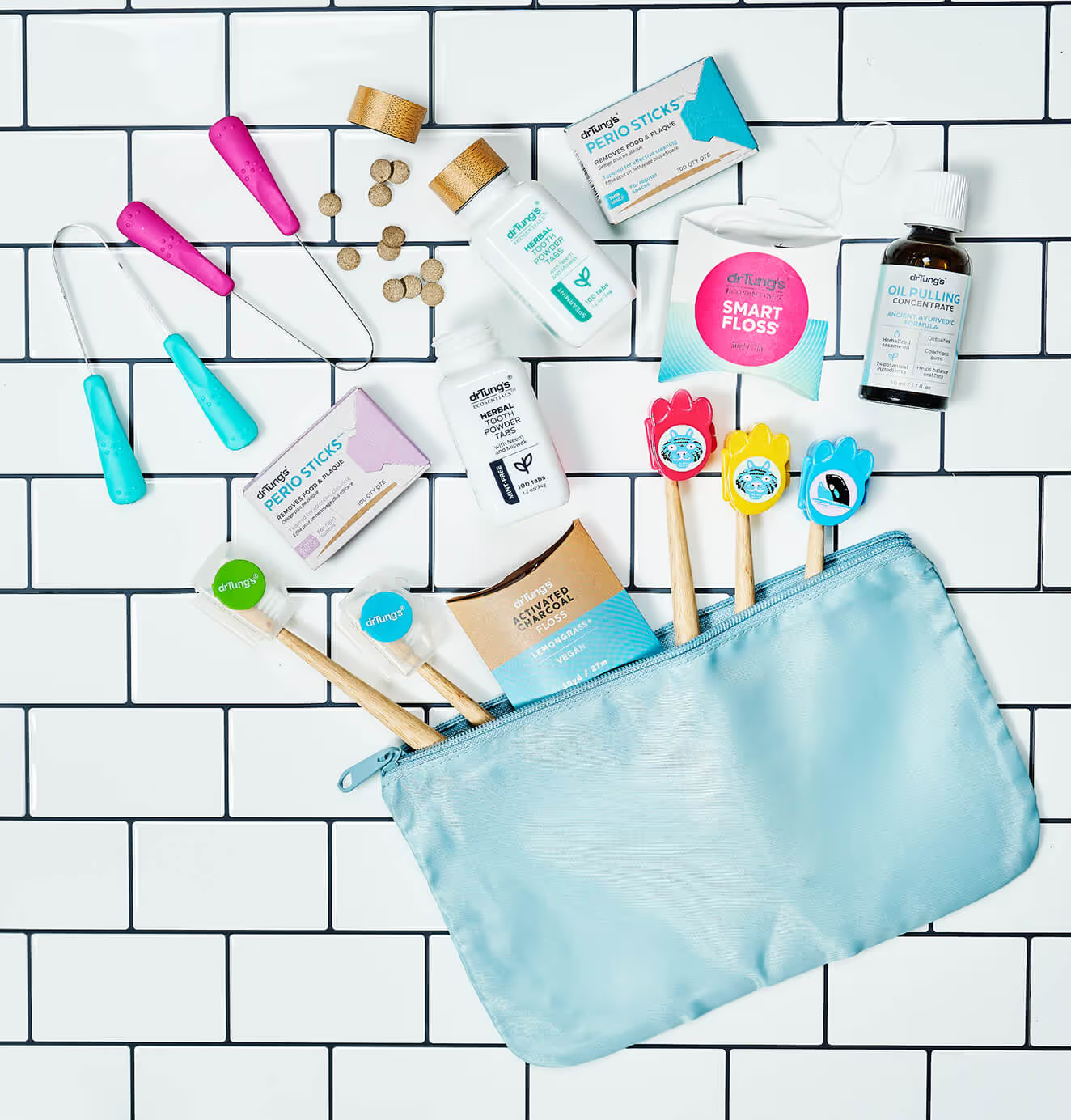
Flat lay of DrTung’s oral care products, arranged with a blue pouch on white tile.
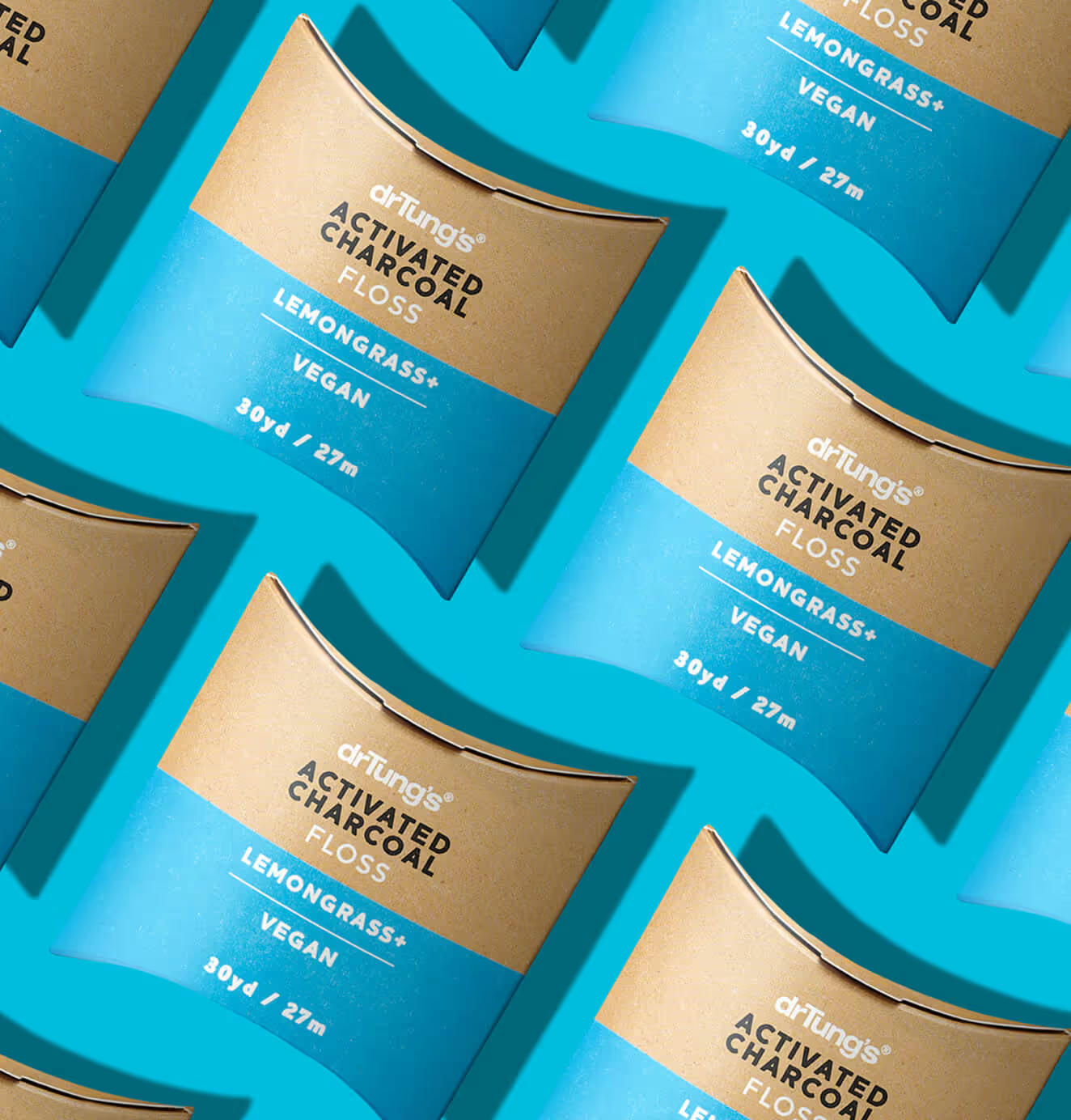
DrTung’s Activated Charcoal Floss packaging arranged in a repeating pattern on a bright blue background.
DrTung’s oral care product image with a smiling man, tooth powder tabs, and activated charcoal floss.
Smartphone on a textured blue surface displaying a DrTung’s ad with the text “Make the Switch” and an image of a woman holding herbal tooth powder tabs.
Flat lay of DrTung’s oral care products, arranged with a blue pouch on white tile.
DrTung’s Activated Charcoal Floss packaging arranged in a repeating pattern on a bright blue background.
Mary Louise Cosmetics
Scaled a heritage-inspired clean beauty brand with modern performance marketing and farm-to-face storytelling.

+93%
Revenue growth in first 90 days

+144%
Increase in attributed revenue

READ MORE
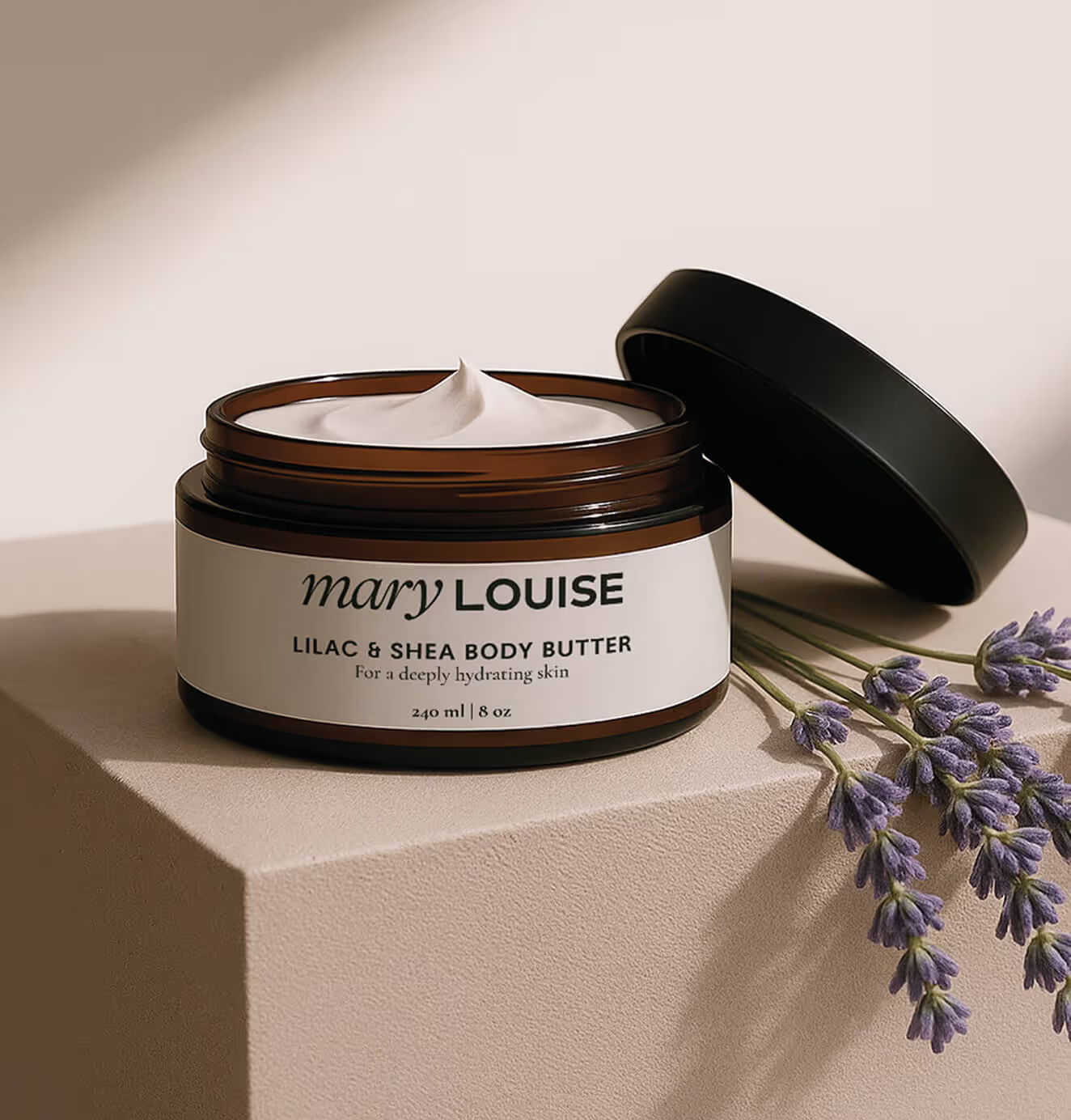
Mary Louise Lilac & Shea Body Butter jar with creamy texture and lavender sprigs on a beige surface.
A Mary Louise Miracle Serum bottle with a dropper cap, lying on a bed of small yellow flowers.
Mary Louise body butter promotional print materials with product photography and skincare application imagery.
Mary Louise Miracle Serum bottles arranged in a close-up pattern with pale yellow dropper caps.
Mary Louise Lilac & Shea Body Butter jar with creamy texture and lavender sprigs on a beige surface.
A Mary Louise Miracle Serum bottle with a dropper cap, lying on a bed of small yellow flowers.
Mary Louise body butter promotional print materials with product photography and skincare application imagery.
Mary Louise Miracle Serum bottles arranged in a close-up pattern with pale yellow dropper caps.
Eyecart
Made eye care feel modern, then marketed it like a DTC darling—with the results to match.

+91%
Increase in conversion rate

+46%
Increase in AOV

READ MORE
Eyecart optical care campaign image with a smiling woman holding a branded magnifying lens over one eye.
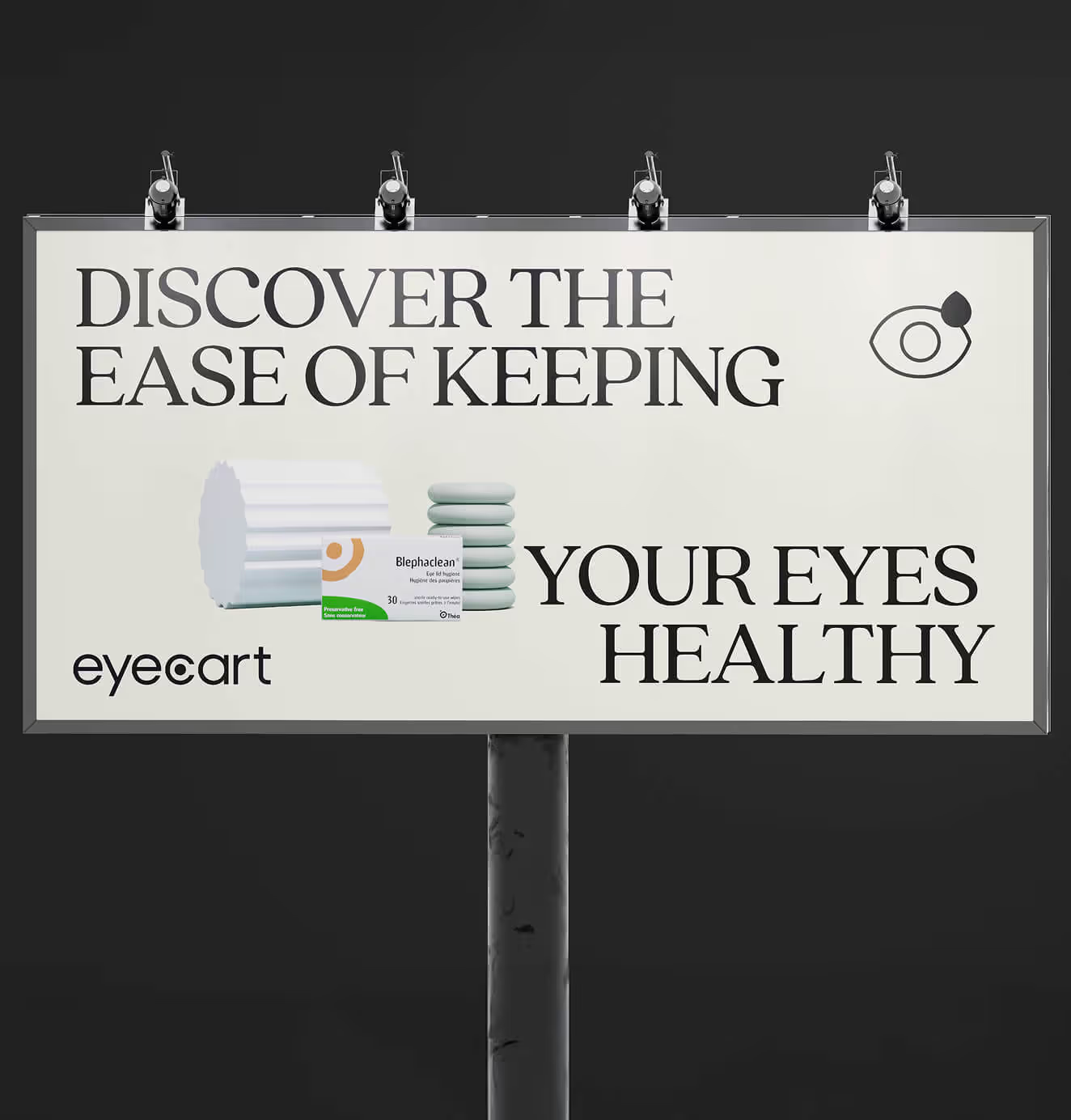
Eyecart billboard campaign featuring Blephaclean eye care wipes and healthy eye care messaging.
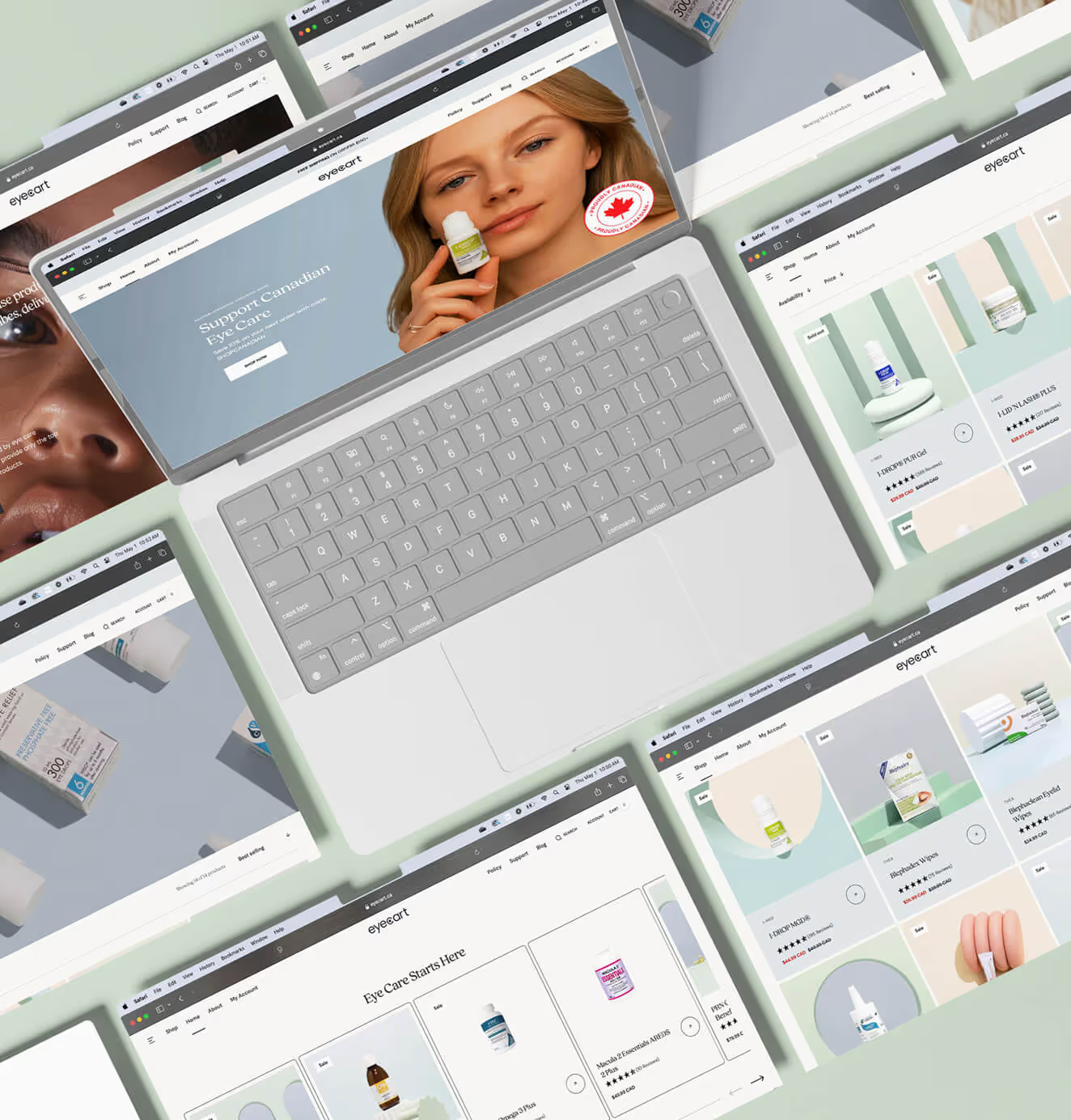
Multiple laptop screens display the Eyecart website, showcasing product pages and banners promoting eye care items.
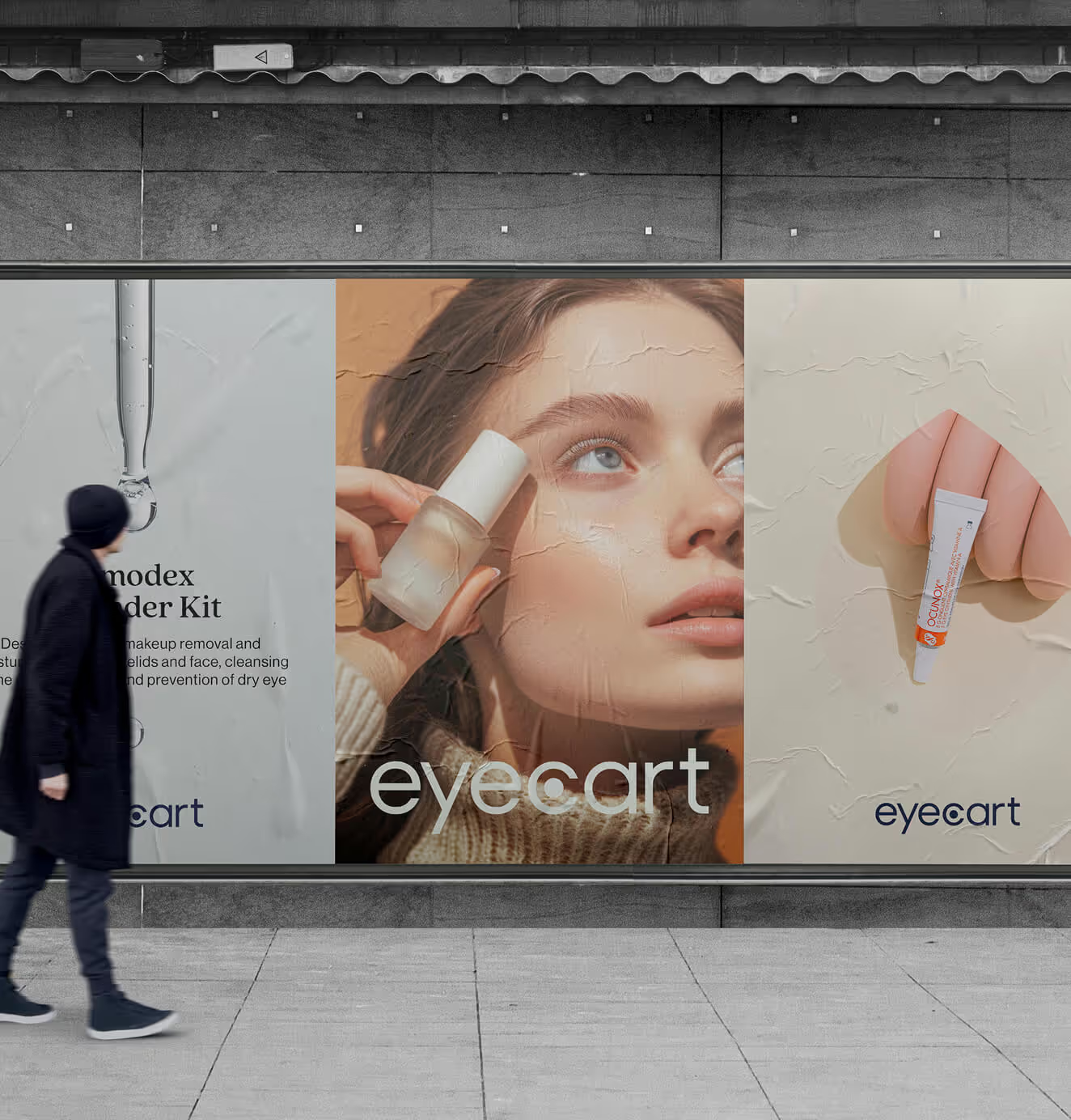
Eyecart outdoor campaign posters featuring eye care products, skincare visuals, and modern branding.
Eyecart optical care campaign image with a smiling woman holding a branded magnifying lens over one eye.
Eyecart billboard campaign featuring Blephaclean eye care wipes and healthy eye care messaging.
Multiple laptop screens display the Eyecart website, showcasing product pages and banners promoting eye care items.
Eyecart outdoor campaign posters featuring eye care products, skincare visuals, and modern branding.
Lucky Girl Rosé
We turned a zero-carb rosé into a lifestyle brand that makes every moment worth celebrating.

+200%
Increase in conversion rate

+688%
Increase in attributed revenue

READ MORE
A bottle of Lucky Girl rosé wine nestled among pink and white flowers in a rustic outdoor setting.
Lucky Girl rosé picnic setup with wine bottle, fruit, sunglasses, and The Lucky Club booklet.
Lucky Girl rosé campaign visual with a wine glass, gold tray, red nails, and Pour Yourself Some Luck text.
Lucky Girl rosé wine bottle with floral label design and soft pink lifestyle styling.
A bottle of Lucky Girl rosé wine nestled among pink and white flowers in a rustic outdoor setting.
Lucky Girl rosé picnic setup with wine bottle, fruit, sunglasses, and The Lucky Club booklet.
Lucky Girl rosé campaign visual with a wine glass, gold tray, red nails, and Pour Yourself Some Luck text.
Lucky Girl rosé wine bottle with floral label design and soft pink lifestyle styling.