Global Expansion Benefits: Why Growing Beyond Borders Strengthens Your Business
07/27/2026
International Marketing
Learn how global expansion helps businesses unlock new revenue opportunities, strengthen resilience, and build a competitive advantage with a scalable international growth strategy.
.png)





Key Takeaways
Global expansion in 2026 is increasingly driven by three practical goals: finding new revenue, reducing exposure to one economy, and accessing talent wherever it is strongest. Entering international markets transforms how a company operates, competes, and scales.
- Companies active in 3+ foreign markets typically see more stable revenue during downturns, a lesson reinforced by 2020–2023 exporter data and IMF-era volatility.
- The main benefits of global expansion include new customers, diversified revenue streams, cost efficiencies, stronger brand recognition, and access to global talent.
- Understanding cultural differences, local laws, and the regulatory environment is essential to avoid costly missteps.
- A successful global business expansion depends on market research, strategic planning, local partnerships, and operational discipline.
- This guide walks through the benefits, examples, risks, and practical foundations of expanding globally.
Introduction: What Global Expansion Means Today
Global expansion is the intentional growth of business operations, teams, and revenue streams across multiple markets, not just the occasional overseas sale. A company may begin by selling to international customers online, but true global business expansion usually includes localized offerings, local hiring, support in the local market, and ongoing operations in target countries.
From 2021 to 2026, many SaaS, e-commerce, and manufacturing companies accelerated international expansion to offset slowdowns in domestic markets. Advances in logistics, cloud software, digital payments, and remote work since around 2015 have made doing business globally more realistic for SMEs, not only multinationals.
The difference is commitment. Selling remotely into one market is useful; building a business global enough to serve different countries consistently requires a market entry plan, compliance, and adaptation to local culture. Below, we’ll cover the core benefits of global expansion, the enablers that make them possible, and FAQs for leaders considering expanding internationally.
Free Brand Health Audit
Make sure your brand is built to sell
Search has changed. Your customers aren't just Googling anymore. They're asking ChatGPT, Perplexity, Gemini and other AI platforms what to buy, who to trust and which brands they should consider.
If your brand isn't showing up clearly in those answers, you're already losing opportunities. Our free Brand Health Audit shows you where your brand stands across traditional search, AI search and brand positioning.

Sample brand audit
Live preview
Traditional search
72
AI search (GEO)
34
Brand positioning
58
Core Benefits of Global Expansion
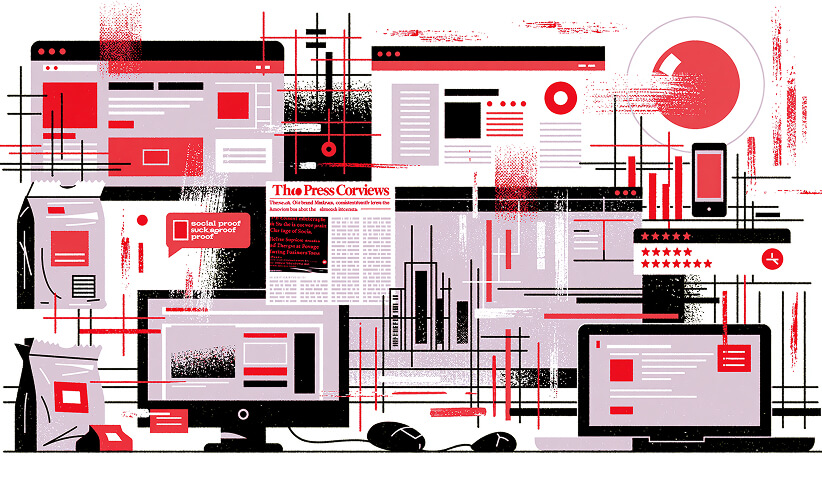


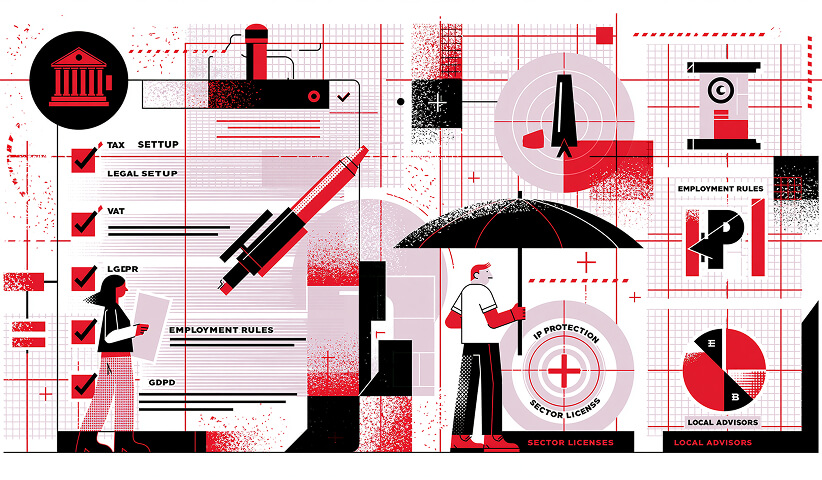
This is the heart of the article: why go global? The benefits of global expansion are strongest when they are tied to specific business outcomes: access to new markets, lower risk, better costs, stronger innovation, and higher credibility.
For example, a consumer brand entering the EU in 2024 may unlock millions of buyers while extending mature product lines. A B2B SaaS firm opening an office in Singapore in 2025 may improve market presence across ASEAN while hiring regional specialists. A US company adding Germany and the Netherlands could stabilize EU revenue during UK post-Brexit volatility.
In short, global expansion benefits are not only about size. They are about resilience, optionality, and building a stronger global business over time.
Access to New Customers and Foreign Markets
Accessing millions of potential buyers outside local borders drives business growth. Cross-border e-commerce reached about US$1.21 trillion in 2025, and around 59% of global shoppers buy from retailers outside their home country, according to DHL’s cross-border commerce research. That makes the global marketplace a practical channel for reaching international customers.
Expanding internationally also helps companies tap fast-growing middle classes in emerging markets such as India, Indonesia, Vietnam, Brazil, and the UAE. Regional hubs matter: Singapore can support Southeast Asia, Dubai can support the Gulf, and Mexico can support Latin America and US-nearshoring.
Imagine a mid-size UK retailer launching in the UAE in 2024. After seeing demand data from local customers, it adds Saudi Arabia with adapted pricing and delivery promises. A simple chart could compare domestic-only reach against multi-market reach, showing how new labor markets, customer segments, and distribution channels expand the opportunity.
Revenue Diversification and Risk Reduction
By entering new markets, businesses can diversify their revenue streams, reducing reliance on a single market and minimizing risks associated with local economic fluctuations. Risk diversification protects businesses against economic downturns in any single country.
The 2020–2022 pandemic and 2022–2024 European energy price shocks showed why this matters. Companies dependent on domestic markets or one market were more exposed to sudden demand drops, currency swings, and policy changes. Exporter research from the US Department of Commerce has also found that manufacturers with diversified export activity tend to show greater stability than those with narrow exposure.
Revenue from different markets can peak at different times. Seasonal demand in the Northern and Southern Hemispheres, or stronger Asia and Middle East sales during a 2023 home-market slowdown, can smooth cash flow. Revenue diversification helps stabilize a company's finances against domestic economic downturns.
Cost Efficiency and Economies of Scale
Global expansion enables companies to achieve economies of scale, which can lead to lower production costs and increased profitability by spreading fixed costs over a larger sales volume. A larger global scale can improve procurement, shared R&D, centralized support, and competitive pricing.
Between 2022 and 2025, many companies redesigned supply chains around “China+1” or “Europe+1” strategies. Nearshoring manufacturing to Mexico or Eastern Europe, hiring support teams in Poland or the Philippines, and sourcing materials from multiple continents can improve operational efficiency. Secured supply chains reduce reliance on a single supplier network by sourcing materials from multiple countries.
Resource optimization secures cheaper raw materials and lowers operational costs. Some companies may achieve economies with 10–20% unit-cost reductions when volume and fixed costs are spread across global markets, but this must be balanced against added complexity, compliance, and local operating costs.
Innovation, Learning, and Product Improvement
Fostering innovation is facilitated by exposure to diverse regulatory and cultural environments. Global markets force teams to solve new problems: mobile-first services in India, super-app integrations in Southeast Asia, sustainability expectations in the EU, and data residency requirements in regulated sectors.
For example, a tech company that adapts to GDPR-style data protection or regional cloud hosting may later use those improvements globally as a competitive edge. This is promoting innovation through constraint.
Reverse innovation also matters. Low-bandwidth apps or simplified product lines developed for emerging markets can succeed later in mature economies as cost-effective alternatives. Extended product lifecycles occur when mature domestic products are introduced to markets with lower saturation.
Brand Recognition and Global Credibility
Global expansion can enhance brand recognition and reputation, as operating internationally elevates a brand's visibility and credibility among a wider audience. Business resilience is perceived as companies with a global presence are generally seen as more robust.
Offices, local websites, and localized customer support in the USA, Germany, Japan, or the UAE signal commitment. By 2024 procurement norms, many enterprise buyers preferred vendors with proven regional presence.
A European D2C brand entering the US and Australia between 2022 and 2025 could see compounding social proof from press, influencers, and customer reviews. With consistent branding adapted to local cultures and languages, a local brand can become a recognizable international business within a few years.
Access to Global Talent and Skills
Since 2020, remote and hybrid work have made distributed teams normal. Expanding globally allows companies to tap into a diverse talent pool, fostering innovation and creativity by bringing together individuals with different perspectives and expertise.
Companies can access specialized skill sets and cheaper labor pools worldwide through global expansion. Engineering talent in Central and Eastern Europe, design talent in Western Europe, customer support in Latin America, and AI specialists in North America and Israel can all become part of a global workforce.
A US startup might hire a product team in Berlin and a support team in Manila in 2024 to provide round-the-clock service. A diverse workforce can improve creativity, cultural intelligence, and customer satisfaction in diverse markets.
Want to learn more about Marketing? Keep reading!
If you need help with your company’s marketing, contact us for a free custom quote.
Strategic Considerations Before You Expand Internationally

Understanding the benefits is not enough. Businesses must assess readiness, alignment, and risk tolerance before entering global markets. A well-defined market entry strategy is essential for businesses looking to expand internationally, as it helps navigate new markets, address localization challenges, and capitalize on emerging opportunities.
Boards, CEOs, and founders should treat global expansion strategies as long-term commitments. Many projects take 12–36 months to become profitable, depending on the sector and country. Smaller firms can pilot through distributors, local partnerships, or Employer of Record models before full international business expansion.
Financial and Operational Readiness
Expanding internationally often costs more and takes longer than expected, especially in regulated markets like the EU, UK, and Japan. The costs associated with international expansion can be significant, including initial setup and annual maintenance fees for foreign subsidiaries, as well as potential termination costs if the expansion does not meet business goals.
Typical costs include thorough market research, legal and tax advice, entity setup or EOR fees, localization, marketing, and initial hiring. Conducting extensive market research is critical for understanding local consumer behavior, preferences, and regulatory frameworks, which can significantly influence the success of global expansion efforts.
Financial planning should include best-case, base-case, and downside scenarios over three years. Watch economic indicators such as inflation, interest rates, and currency movement. Operational readiness means strong home processes, scalable technology, and service capacity across time zones.
Leadership Alignment and Global Vision
A successful global expansion strategy requires commitment from founders, executives, and functional leaders. Ask:
- Why are we expanding now?
- Which key markets matter most?
- How much risk and investment can we accept?
- What will success look like in 3–5 years?
Leadership must spend time in the target market during the first 12–24 months. Local stakeholders, partners, regulators, and customers provide a valuable resource for understanding the local context. Incentives should support long term success, not only short-term home-market targets.
Cultural Differences: Turning Diversity into a Competitive Advantage
Cultural differences are often treated as a risk, but they can become a competitive advantage. Cultural differences can significantly impact marketing, sales, and workplace communication, making it essential for businesses to understand local customs and practices when expanding internationally.
Understanding cultural norms, values, and communication styles is crucial for building relationships and effectively marketing in foreign markets, as missteps can lead to costly failures. Negotiation in Japan, relationship-led business practices in the Middle East, and direct feedback norms in Germany all require adaptation without stereotyping.
Cultural differences can pose substantial challenges during global expansion, as misunderstandings of local customs and consumer behavior can lead to ineffective marketing strategies and poor customer engagement. Done well, cultural insight improves brand recognition, business operations, and trust.
Adapting Products, Marketing, and Customer Experience
Localization means more than translation. It includes language, imagery, pricing, colors, product features, payment methods, and local tastes. Packaging sizes may change for Japan, digital wallets may be added in India, and subscription pricing may be adjusted to match purchasing power.
Campaigns should be tested with focus groups or A/B testing before launch. Cultural nuances can affect whether a message feels trustworthy or careless. Native-language chat, regional holiday coverage, and locally relevant support improve customer satisfaction.
Building Effective Cross-Cultural Teams
Managing distributed teams requires intentional communication. A shared working language, documented processes, overlapping hours, and clear meeting norms reduce confusion across different countries.
Investing in cultural training for employees can help bridge cultural divides and enhance communication and operational effectiveness in international markets. Cross-cultural training, internal playbooks, and local cultural ambassadors help teams navigate feedback styles, conflict resolution, and leadership expectations.
Managing a global workforce introduces complexities such as varying employment regulations, scheduling across time zones, and cultural differences, which can make maintaining control of international activities difficult for organizations.
Operational and Compliance Foundations for Global Expansion
Realizing global expansion benefits depends on strong operational and compliance foundations. Navigating regulatory challenges is a significant hurdle for businesses expanding internationally, as each market has its own distinct rules, regulations, and compliance standards that can be overwhelming for organizations used to operating within a single jurisdiction.
Common issues include entity setup, employment rules, tax, data protection, international trade requirements, intellectual property protection, and supply chain controls. This is not a legal manual, but it shows where specialist advice is essential.
Legal, Tax, and Regulatory Compliance
Compliance and legal risks are critical challenges in global expansion, as each country has unique employment laws, tax codes, and labor standards, and noncompliance can lead to fines or reputational damage. Non-compliance can erase the benefits of global expansion quickly.
Review company law, corporate taxes, VAT or sales tax, data protection such as GDPR in the EU and LGPD in Brazil, employment regulations, and sector licenses. Some EU VAT registrations may require local representation, while countries such as France or Spain have strict dismissal rules.
Legal and regulatory compliance must balance tax efficiency with transparency, especially after stricter OECD anti-avoidance scrutiny since 2021. Local advisors help companies avoid home-country assumptions.
Structuring Global Hiring and HR Operations
Companies can hire internationally through a local subsidiary, Employer of Record, professional employer organization, or contractors where appropriate. Each model affects control, speed, cost, and regulatory exposure.
Labor laws vary widely. Probation periods, benefits, notice periods, collective bargaining, working time, payroll taxes, and mandatory social contributions differ across labor markets. Country-specific contracts, handbooks, and benefits are critical to compete for global talent.
Supply Chain, Logistics, and Local Operations
Physical products require special attention to customs, inventory, landed costs, and delivery expectations. Distribution centers in the Netherlands can support EU delivery, while the UAE can support Gulf operations.
Rules of origin, post-Brexit UK-EU arrangements, USMCA, and freight volatility from 2021–2024 all affect margins. A company shifting part of production from one country to a nearshore location can improve resilience while expanding globally. One nearshoring case reported an 80% lead-time reduction, showing how supply chains can support both resilience and growth.
Designing a Practical Global Expansion Strategy

A clear international strategy turns ambition into an actionable roadmap. It should define objectives, select markets, choose business models, and sequence expansion.
For example, a mid-size company in 2024 might first enter a culturally similar country, validate demand, then expand into a second market after 18 months. The goal is balance: global consistency in brand and product, with local responsiveness in channels, pricing, and service.
Setting Clear Objectives and KPIs
Define what you want from global business expansion: revenue growth, talent access, strategic positioning, risk diversification, or foreign investment opportunities that can attract new capital from global investors and government incentives.
Useful KPIs include revenue by region, market penetration, time to profitability, customer acquisition cost, churn, contribution margin, and employee retention. Early metrics may include pilot sign-ups; later metrics should measure sustainable growth.
Review performance regularly. If market specific challenges are too severe, adjust or exit.
Choosing Markets and Entry Models
Not all foreign markets are equal. Prioritize based on demand, ease of doing business, competitive environment, cultural distance, and regulatory complexity. OECD, IMF, trade portals, and local government sources can support a comprehensive understanding of opportunity.
Common entry paths include exporting, distributors, licensees, sales offices, subsidiaries, and EOR-based hiring. Establishing strategic partnerships with local businesses can streamline market access and provide vital knowledge about the local market, which is crucial for successful global expansion.
A phased approach is usually best: test demand, prove fit, then invest more deeply. This keeps financial risk controlled while entering global markets.
Summary: Capturing the Benefits of Global Expansion
Global expansion, when planned carefully, gives companies access to new markets, diversified revenue, cost advantages, innovation, global talent, and stronger brand recognition. Expanding into international markets allows businesses to access a broader customer base, which can significantly increase potential revenue streams and enhance overall business resilience against economic downturns.
The strongest international growth stories combine strategic clarity, cultural sensitivity, operational rigor, and realistic timelines. The goal is not to be everywhere. It is to choose the right different markets, build durable capabilities, and create a more resilient company.
Start by assessing readiness, selecting one or two priority markets, and sketching your first global expansion strategy. Then validate, learn, and scale with discipline.
Frequently Asked Questions
This FAQ covers timing, cost, and risk questions that often come up after leaders begin planning.
When is the right time for a business to expand internationally?
A company is usually ready when it has a stable domestic base, repeatable sales processes, strong unit economics, and enough cash to absorb 12–24 months of investment.
Good signals include inbound demand from international customers, proven product-market fit at home, and leadership bandwidth for at least one new market. Rushing too early often leads to retrenchment within 1–3 years.
How long does global expansion usually take to show results?
Many companies see meaningful revenue within 6–18 months of launch, but profitability can take 2–4 years. Regulated sectors such as finance, healthcare, and education may require 6–12 months of preparation before launch.
Plan in phases: validation, early growth, then scale-up. Unrealistic timelines make normal ramp-up look like failure.
Can small and mid-sized businesses benefit from global expansion, or is it only for large corporations?
SMEs can benefit, especially because technology, logistics platforms, and global service providers have lowered entry barriers since 2015 and especially after 2020.
Start narrow. Use distributors, marketplaces, local partnerships, or an Employer of Record before building full entities. Depth in a few countries is usually better than shallow spread.
How can a company manage currency and economic risks when operating in multiple countries?
Operating in several currencies creates FX risk, but it also spreads exposure across economies. Basic practices include pricing in stable currencies, matching costs and revenue in the same currency, and using simple hedging for predictable cash flows.
Finance teams should monitor inflation, interest rates, political stability, and demand trends in key markets. Diversified revenue streams and disciplined cash management matter more than complex financial engineering for most mid-sized firms.
What are early warning signs that a global expansion initiative is not working?
Red flags include repeated missed revenue targets, high local employee turnover, compliance issues, weak retention, or strong cultural resistance after localization.
Set go/no-go criteria before launch, such as minimum revenue, retention, or margin targets by a set date. Sometimes scaling back is the rational move because it frees resources for stronger opportunities elsewhere.

Quincy Samycia
As entrepreneurs, they’ve built and scaled their own ventures from zero to millions. They’ve been in the trenches, navigating the chaos of high-growth phases, making the hard calls, and learning firsthand what actually moves the needle. That’s what makes us different—we don’t just “consult,” we know what it takes because we’ve done it ourselves.
Want to learn more about brand platform?
If you need help with your companies brand strategy and identity, contact us for a free custom quote.
We do great work. And get great results.
+2.3xIncrease in revenue YoY
+126%Increase in repurchase rate YoY




+93%Revenue growth in first 90 days
+144% Increase in attributed revenue




+91%Increase in conversion rate
+46%Increase in AOV




+200%Increase in conversion rate
+688%Increase in attributed revenue