Klaviyo Email Marketing for Ecommerce in 2026
04/22/2026
Marketing Services / Marketing Strategy
Build a Klaviyo email marketing strategy around customer needs, timely automation, and repeat purchases. Learn which flows to prioritize and how to evaluate their contribution to profitable growth.

Klaviyo email marketing helps ecommerce brands use customer behavior and purchase history to deliver targeted campaigns and automated emails. Welcome messages, abandoned checkout reminders, product education, and replenishment flows can support customers from their first visit through their next purchase. Effective retention marketing starts with relevance: useful messages, appropriate timing, and offers that make sense for your customers and your margins. Sending more emails or increasing discounts doesn’t automatically create a more profitable business. Measurement matters just as much as execution. Email-attributed revenue is revenue credited to messages under your Klaviyo attribution settings. It does not, by itself, show how much additional profit those messages generated. Evaluating profitability requires accounting for costs and estimating which purchases would have happened without the emails. This guide explains how to plan core Klaviyo flows, segment your audience, support repeat purchases, and measure performance with a clearer understanding of revenue, retention, and return on investment.


Why Customer Retention Matters for Ecommerce Profitability


Customer retention can improve ecommerce profitability when repeat purchases generate enough margin to cover the cost of encouraging and fulfilling them. Acquisition brings new customers into your business; retention helps you build valuable relationships after their first order.
The two work together. A customer acquired through paid advertising may return after receiving useful product education, a timely replenishment reminder, or a relevant recommendation. Those additional orders can increase the value of the customer relationship without requiring another first-time acquisition.
But repeat revenue does not automatically mean higher profit. Discounts, product costs, shipping subsidies, returns, and marketing expenses all affect what your business keeps.
How Retention Marketing Supports Profitable Growth
An effective ecommerce retention marketing strategy gives customers useful reasons to return. That might mean helping them get better results from a product, reminding them when supplies could be running low, or introducing complementary products based on previous purchases.
To evaluate whether these efforts support profitability, track:
- Repeat purchase rate: How many customers make another purchase within a defined period.
- Time between purchases: How long customers typically take to order again.
- Customer contribution value: Revenue from a customer over a defined period, minus the variable costs of serving them.
- Retention program costs: Platform fees, creative production, and campaign management, with discounts reflected in net revenue.
These measures help you assess whether retention activity creates sustainable value. There is no universal percentage increase in profit that every brand should expect.
Where Klaviyo Email Marketing Fits
Klaviyo supports lifecycle marketing through targeted campaigns and automated messages informed by customer behavior. For an ecommerce brand, that can include welcoming subscribers, following up on abandoned checkouts, explaining how to use a purchase, and reconnecting with previous buyers.
The goal is to make each message relevant to the customer’s relationship with your brand.
Measurement requires care, too. Revenue credited to email under Klaviyo’s attribution settings is not the same as incremental profit. Some attributed purchases might have happened without the message. Comparing comparable customer groups—with and without the marketing activity, where practical—helps estimate its additional contribution.
In this guide, we’ll cover:
- How acquisition and retention work together.
- How to structure Klaviyo campaigns, segmentation, and automated flows.
- Which lifecycle messages to prioritize for your products and customers.
- How repeat purchases influence customer value and acquisition budgets.
- How to assess client examples using documented reporting periods, baselines, and attribution settings.
If paid acquisition is generating first orders but too few customers return, retention deserves closer attention. Start by understanding why customers stop buying, then build messaging that addresses those reasons.
Free Brand Health Audit
Make sure your brand is built to sell
Search has changed. Your customers aren't just Googling anymore. They're asking ChatGPT, Perplexity, Gemini and other AI platforms what to buy, who to trust and which brands they should consider.
If your brand isn't showing up clearly in those answers, you're already losing opportunities. Our free Brand Health Audit shows you where your brand stands across traditional search, AI search and brand positioning.

Sample brand audit
Live preview
Traditional search
72
AI search (GEO)
34
Brand positioning
58
How Customer Retention Can Improve Ecommerce Profitability


Customer retention can increase profitability by generating additional purchases from people your business has already acquired. The financial benefit depends on what those orders contribute after discounts, product costs, fulfillment, and marketing expenses.
An existing customer may already understand your products and trust your business. Relevant follow-up messages can help them choose a complementary product, replenish a favorite, or get more value from their original purchase.
However, returning customers are not automatically more profitable. Frequent discounts, costly incentives, or high return rates can reduce the value of repeat orders.
Measure Repeat Purchases Alongside Margin
To understand whether retention marketing is working, compare groups of customers acquired during similar periods and track:
- How many make a second purchase within a defined timeframe.
- How long they take to return.
- Revenue and contribution margin from subsequent orders.
- Discounts, returns, and retention marketing costs.
Consider product differences when interpreting results. A skincare brand and a furniture retailer should not expect the same purchase frequency.
The goal is to create useful reasons to return while preserving the profitability of each customer relationship.
How Klaviyo Supports Ecommerce Retention Marketing
Klaviyo connects customer and shopping data with targeted campaigns and automated email sequences. Its Shopify integration can bring purchase history and supported behavioral events into customer profiles, helping brands tailor messages to different stages of the buying journey.
Depending on your integration, tracking configuration, and available permissions, your ecommerce email marketing strategy can use:
- Product browsing and cart activity.
- Checkout abandonment.
- Previous purchases and order value.
- Time since the last purchase.
- Email engagement.
- Customer preferences and subscription status.
These signals provide context for deciding what to send and when. They do not guarantee higher conversions: message quality, deliverability, timing, product relevance, and customer eligibility still matter.
Campaigns and Flows Serve Different Purposes
Campaigns are messages scheduled for a selected audience, such as a product launch or seasonal promotion.
Flows are automated sequences that respond to defined triggers and conditions, such as a new subscription or purchase.
Both have a role. The balance of revenue attributed to campaigns and flows varies by brand, audience, and sending strategy. There is no universal rule that flows should generate most of your email revenue.
Five Core Klaviyo Flows to Evaluate for Your Ecommerce Store
Prioritize flows around your customer journey and product model. Before activation, check triggers, audience eligibility, timing, exclusions, and purchase-related exit conditions to prevent irrelevant or overlapping messages.
1. Welcome Series
A welcome series introduces your business after someone subscribes to marketing. It should explain what makes your products relevant and help subscribers decide what to explore first.
Useful content includes:
- A concise brand story.
- Product benefits and buying guidance.
- Genuine customer reviews.
- Relevant bestsellers or starting points.
- A first-order incentive, if it fits your margins.
Separate existing customers from prospective first-time buyers where appropriate. Someone who has already purchased should not receive messaging that assumes they are unfamiliar with your products.
2. Abandoned Cart and Checkout Flows
These flows follow up when an eligible customer adds products to a cart or starts checkout without completing an order.
The trigger matters. Klaviyo distinguishes between an Added to Cart flow for Shopify and a checkout-based abandonment flow. Neither means you can email every anonymous visitor.
Effective messages can:
- Remind shoppers which products they considered.
- Answer questions about shipping, returns, or product suitability.
- Provide relevant reviews or support options.
- Offer an incentive when justified by your strategy.
Test timing rather than assuming the first hour works best for every store. Exclude customers who purchase, prevent overlapping reminders, and use urgency only when the deadline or stock limitation is genuine.
3. Post-Purchase Education
Post-purchase flows help customers use and enjoy what they bought. Depending on the product, messages might explain setup, care, usage, or troubleshooting.
Time the content around the customer’s likely experience. Instructions may be useful before delivery; a review request should allow enough time to try the product.
Introduce complementary products when they are relevant. Resolve customer needs before pushing another purchase.
4. Replenishment Reminders
Replenishment flows can suit products customers use up, including skincare, oral care, and household essentials.
Klaviyo’s replenishment flow guidance explains how to build purchase-triggered reminders. Set timing using product quantities, expected usage, and observed reorder patterns.
A reminder estimates when someone may need more; it cannot know exactly when they will run out. Adjust or suppress messages for customers who have already reordered or receive the product through an active subscription.
5. Win-Back Flows
Win-back flows reconnect with previous customers whose time since purchase exceeds a relevant threshold.
Define inactivity using your product’s normal buying cycle. Several months without an order may be unusual for a frequently purchased consumable but expected for a durable product.
Messages can highlight:
- Relevant product developments.
- Recommendations based on previous purchases.
- Useful education or a reminder of product benefits.
- An offer that makes financial sense.
Limit repeated outreach to unresponsive recipients. Evaluate whether win-back activity generates additional profitable purchases, alongside unsubscribes and complaints, rather than judging success by attributed revenue alone.
Want to learn more about Email Marketing Services? Keep reading!
If you need help with your company’s branding and marketing, contact us for a free custom quote.
Case Studies: Retention Marketing in Action

The following client projects show how The Branded Agency incorporated email into broader brand and ecommerce strategies. They illustrate different approaches to retention; they should not be read as guarantees of revenue growth or isolated proof of email’s financial impact.
Case Studies: Retention Marketing in Action
Retention marketing connects what brings customers to a brand with what gives them a reason to return. The following projects show how The Branded Agency integrated email flows, customer education, and brand messaging into broader ecommerce strategies.
These examples illustrate the work implemented. They do not isolate the financial impact of email from changes to branding, advertising, or the website.
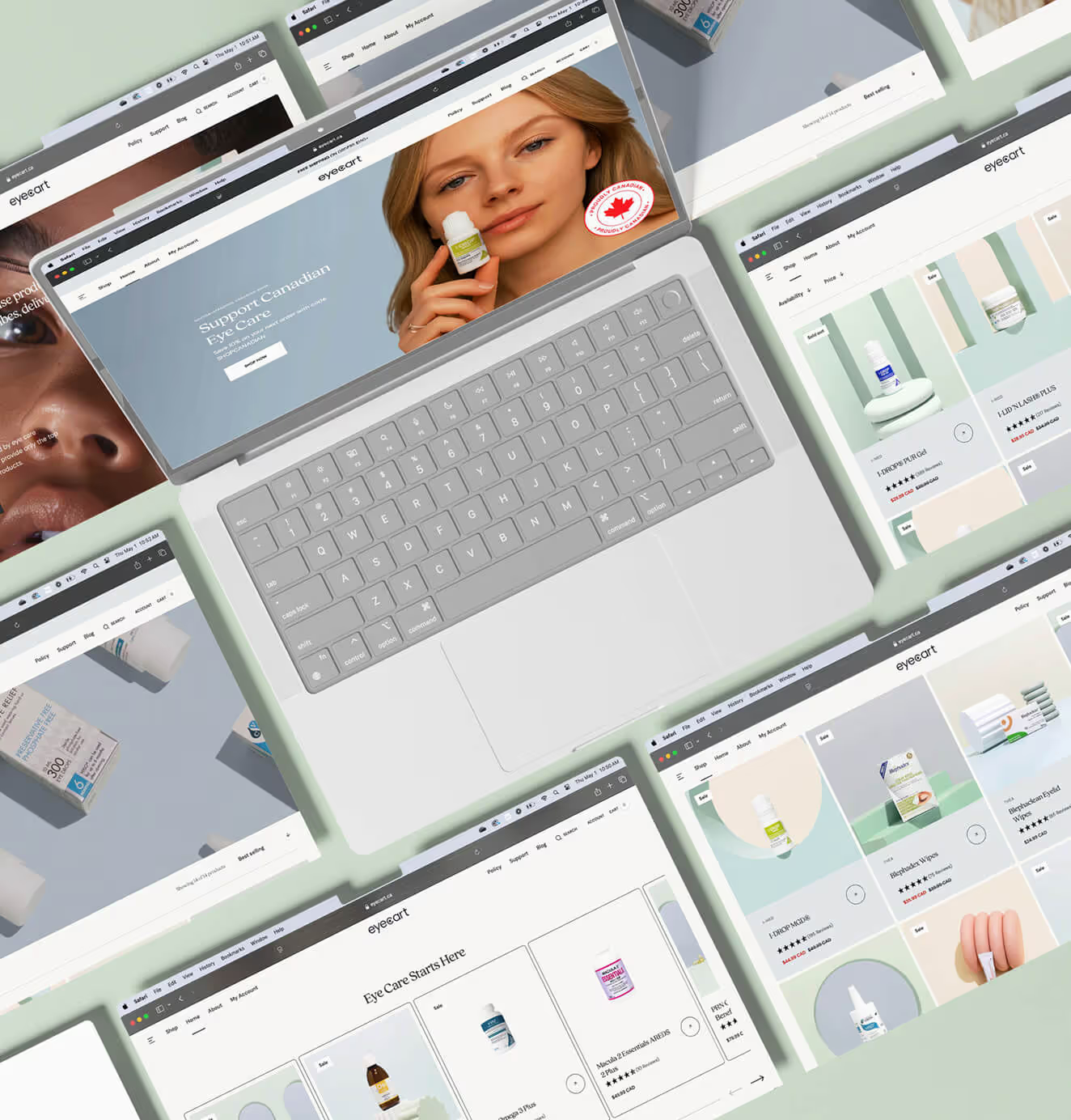
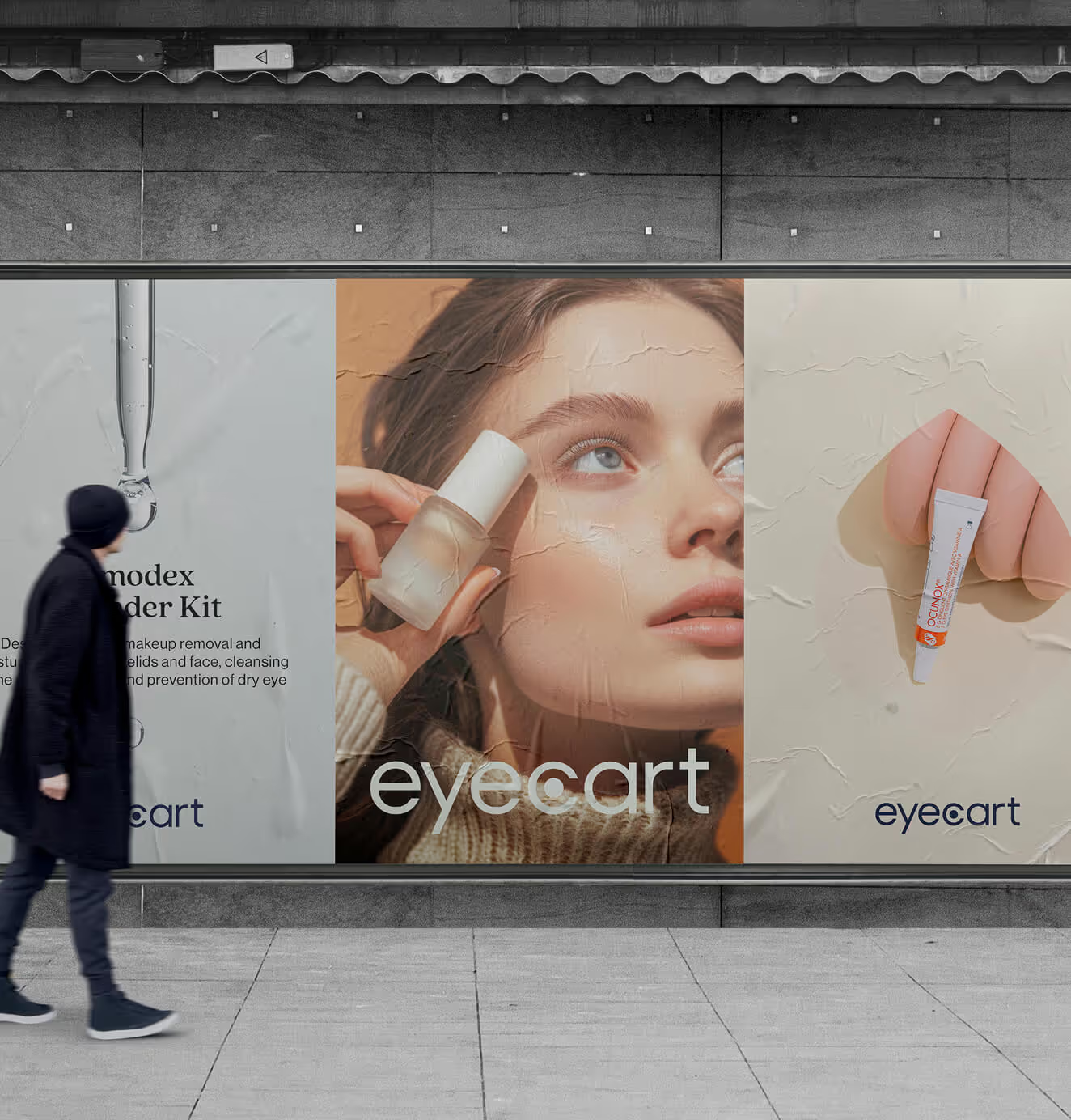
Eyecart: Building a Customer Retention System
Eyecart launched to help Canadians access clinical-grade eye care products when pandemic restrictions disrupted access to clinics. As the business developed, its marketing needed to support ongoing customer relationships alongside product sales.
Our work introduced:
- Automated post-purchase messages and cart recovery flows.
- Product recommendations informed by purchase history.
- Segmentation for different customer needs.
- Monthly educational campaigns focused on eye care.
The strategy connected product discovery with useful follow-up communication. Customers could receive information relevant to their purchases and interests instead of the same promotional message.
Retention work accompanied brand repositioning and a migration from WooCommerce to Shopify. That broader scope matters when evaluating performance: changes in store revenue cannot automatically be assigned to email alone. Explore the Eyecart case study.
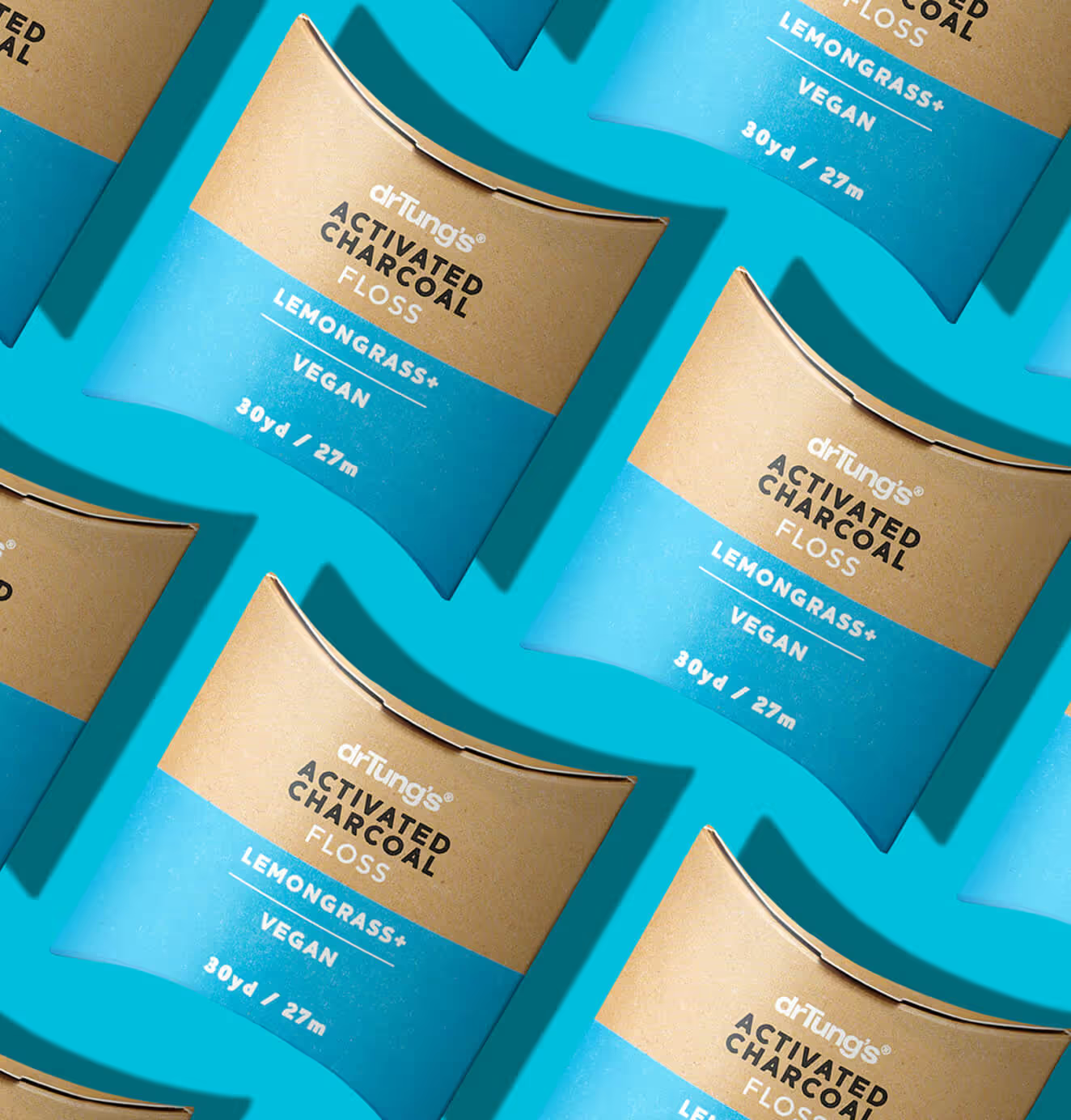
DrTung’s: Aligning Lifecycle Emails With Product Education
DrTung’s needed its ecommerce experience to communicate an established oral care brand’s expertise to both consumers and dental professionals.
We audited, rewrote, and restructured existing email flows to reflect the updated positioning. The retention program included:
- Welcome sequences introducing the brand and its products.
- Replenishment reminders.
- Educational product journeys.
- Messaging aligned with the broader website and marketing strategy.
This project demonstrates how retention content can extend product education beyond the product page. Different messages serve different needs, from understanding a first purchase to considering a reorder.
The engagement also included paid media, website improvements, and a Shopify migration. Evaluating email’s contribution requires separating its reporting from overall business growth. Read the DrTung’s case study.
Acknowledge: Bringing the Brand’s Sourcing Story Into Retention
Acknowledge’s positioning centered on regenerative farming, ingredient transparency, and the connection between its products and their source.
Our work brought that story into the brand identity, website, content, and email journeys. Retention messaging formed part of a customer experience designed to explain:
- Where ingredients come from.
- The brand’s farming practices.
- What distinguishes its approach to product development.
The practical lesson is that retention content needs a clear reason for customers to stay interested. For Acknowledge, that meant carrying the sourcing story across touchpoints rather than relying entirely on promotional offers.
The project combined several marketing and ecommerce changes, so it should be evaluated as a coordinated engagement unless reporting isolates individual contributions. Explore the Acknowledge case study.
NOWATA: Connecting Acquisition With Lifecycle Messaging
NOWATA’s engagement combined clearer brand messaging, website conversion work, paid acquisition, and retention marketing.
The email program included:
- Welcome sequences.
- Abandoned cart reminders.
- Post-purchase messages.
- Win-back flows.
These sequences extended the customer journey beyond the advertising click and initial order. The intention was to maintain a consistent explanation of the product across ads, landing pages, and follow-up emails.
NOWATA illustrates how acquisition and retention can be planned together. Its overall sales growth reflects a broader program; it should not be presented as revenue generated exclusively by retention flows. Read the NOWATA case study.
How to Evaluate Retention Marketing Case Study Results
Email-attributed revenue is sales revenue credited to messages under the account’s Klaviyo attribution settings. It does not establish how much additional profit email created.
To assess a reported result, look for:
- Reporting dates: Exact baseline and comparison periods.
- Metric definitions: Whether a figure represents revenue, order rate, repeat purchase rate, or another measure.
- Starting values: The underlying amounts or rates, alongside percentage changes.
- Attribution settings: The model, lookback windows, and treatment of automated opens or clicks.
- Other changes: Advertising spend, promotions, product launches, website updates, and seasonality.
- Financial context: Discounts, returns, product costs, fulfillment expenses, and marketing costs.
Where practical, a comparable customer group withheld from the marketing activity can help estimate incremental impact. A before-and-after comparison alone cannot establish that email caused the entire change.
How Acquisition and Retention Support Sustainable Growth
Retention can improve acquisition economics when customers generate additional contribution profit through repeat purchases. That may give a business more flexibility in what it can afford to spend acquiring similar customers.
However, higher revenue-based lifetime value does not automatically justify a higher customer acquisition cost. The decision also depends on margins, retention expenses, cash availability, and how quickly acquisition spending is recovered.
A disciplined approach is to:
- Acquire customers within a defined budget.
- Support their experience with relevant education and follow-up.
- Measure repeat purchases and contribution profit over a consistent period.
- Check how long it takes to recover acquisition costs.
- Adjust advertising spend using observed results.
The goal is to connect acquisition spending with the value customers actually generate, then grow at a pace the business can sustain.
Final Thoughts

Sustainable ecommerce growth depends on what happens before and after the first purchase. Acquisition brings people to your store, the shopping experience helps them make a decision, and relevant follow-up gives them reasons to return.
A coordinated strategy connects:
- Customer acquisition: Reach audiences whose needs match your products.
- Conversion optimization: Help shoppers understand your offer and complete a purchase.
- Lifecycle marketing: Support customers with education, recommendations, and timely reminders.
- Behavioral email automation: Deliver messages based on relevant actions and purchase history.
- Performance measurement: Evaluate repeat purchases, contribution margin, and marketing costs together.
Retention marketing can strengthen this system when the messaging serves customers and the resulting purchases contribute to profit. Its value depends on your products, execution, and customer behavior—not simply the number of flows running.
Treat Klaviyo as part of your broader ecommerce growth strategy. Use reporting to identify opportunities, test improvements, and distinguish revenue credited to email from additional profit generated.
Build a Klaviyo Retention Strategy Around Your Business Goals
At The Branded Agency, we help ecommerce brands connect customer segmentation, lifecycle messaging, creative, and automation with their wider marketing strategy.
If acquisition is generating first orders but too few customers return, start by reviewing the post-purchase experience and the economics of repeat buying. That review can reveal where better education, more relevant timing, or a stronger offer could help.
Contact us to discuss your Klaviyo email marketing strategy and identify practical opportunities to improve retention and measure its contribution to your business.

Quincy Samycia
As entrepreneurs, they’ve built and scaled their own ventures from zero to millions. They’ve been in the trenches, navigating the chaos of high-growth phases, making the hard calls, and learning firsthand what actually moves the needle. That’s what makes us different—we don’t just “consult,” we know what it takes because we’ve done it ourselves.
Want to learn more about brand platform?
If you need help with your companies brand strategy and identity, contact us for a free custom quote.
We do great work. And get great results.
+2.3xIncrease in revenue YoY
+126%Increase in repurchase rate YoY



+93%Revenue growth in first 90 days
+144% Increase in attributed revenue




+91%Increase in conversion rate
+46%Increase in AOV


+200%Increase in conversion rate
+688%Increase in attributed revenue