Logo Branding Guidelines
08/08/2025
Branding
Learn how to create and apply logo branding guidelines that ensure your brand identity remains consistent, recognizable, and impactful across all platforms.

Logo Branding is an essential aspect of a business as it helps create an identity and set the tone for all communication with customers. A well-designed logo is the cornerstone of any successful brand, as it is often the first thing that customers see and remember. A comprehensive brand book, which outlines your brand guidelines, visual assets, voice, and tone, serves as a key resource for maintaining brand consistency and streamlining creative processes. To create an effective logo that accurately represents your brand and attracts customers, it is important to follow certain guidelines. Establishing a solid foundation at the beginning of the branding process—by defining your mission, messaging, and voice—ensures clarity and consistency in all branding efforts. A thorough brand book helps keep everyone, including internal teams and the creative team, on the same page when it comes to logo and brand asset usage. This makes it easy for anyone in an organization to effectively represent the brand.
.png)
Logo Branding Guidelines for Brand Identity Creation


Here are some Logo Branding and Brand Identity Projects The Branded Agency have done. If you are a small business in need of logo branding, checkout our mini brand in a box branding packages.
A brand guide includes all your brand assets—such as logos, color palettes, and typography—and is essential for maintaining brand consistency across all platforms. The best brands use comprehensive brand identity guidelines to ensure every visual and messaging element is applied consistently, which helps build recognition and trust. Brands that maintain a consistent visual identity are more likely to be trusted by consumers, much like we trust friends with stable personalities. Brand guidelines help ensure that all content produced aligns with the brand identity, which is crucial for building brand awareness and trust.
Introduction to Brand Guidelines
Brand guidelines, sometimes called a brand style guide, are the backbone of a strong brand identity. These comprehensive documents outline exactly how your brand should look, sound, and feel across every platform and piece of communication. By providing clear instructions on logo usage, brand style, color palettes, and tone of voice, brand guidelines ensure that everyone—from internal teams to external partners—represents your brand consistently and accurately. This consistency builds recognition and trust, helping your brand stand out in a crowded marketplace. A well-crafted brand guideline document acts as a reference point for all creative decisions, making it easier for your team to stay on brand and deliver a unified experience to your audience.
Brand Story
A compelling brand story is at the heart of every successful brand guideline. This narrative goes beyond just facts and figures—it shares the brand’s origin, mission, and the values that drive its visual identity. By weaving together the brand’s history, purpose, and personality, the brand story creates an emotional connection with your audience and sets the stage for all brand communications. Including your brand story in your brand guidelines ensures that every piece of content, from marketing campaigns to social media posts, reflects your unique journey and core values. This alignment not only inspires loyalty and engagement but also differentiates your brand in a competitive landscape, making your visual identity and messaging truly memorable.
Choosing the Right Colors for your Logo
Colors play a crucial role in logo design as they have the power to evoke emotions and create associations.
When choosing colors for your logo, consider the emotions you want to evoke and the image you want to convey.
For example, blue is often associated with trust and stability, while red is associated with energy and excitement.
It is also important to choose colors that are consistent with your brand’s overall color scheme and complement each other.
To maintain a cohesive visual identity, your logo branding guidelines should include a defined brand color palette with clear color specifications, such as RGB values, hex codes, and CMYK values. Providing exact color codes in your guidelines ensures consistent color usage across print and digital platforms, and specifying these color specifications helps prevent color shifts between printing and screens.
Simple Logo Branding is Key
A logo should be simple and easy to recognize, even when it is small.
Even simple logos require careful attention to small details, such as typography choices and color contrasts, to ensure a cohesive and recognizable brand identity.
Complex logos are often difficult to reproduce and can become distorted when resized.
Additionally, simple logos are more memorable and easier for customers to associate with your brand.
When designing your logo, focus on creating a design that is simple, recognizable, and memorable.
Logo Typography Matters
The typeface you choose for your logo can have a significant impact on the overall look and feel of the design.
When selecting a typeface, consider the tone you want to convey and choose a font that aligns with your brand’s personality.
It is also important to choose a font that is legible, even when it is small.
Your logo branding guidelines should include a typography section that not only specifies the font and weighting used in the logo text, but also outlines which fonts to use for body copy and other content types. This ensures brand consistency across all marketing materials and reinforces your brand identity.
Logo Usage
A logo should be versatile and be able to be used in a variety of contexts, such as on business cards, websites, and social media platforms.
To ensure consistency and professionalism, create comprehensive logo usage guidelines. These guidelines should include logo rules for proper logo placement, logo spacing, and logo size across all applications. Clearly define your primary logo, standard logo, and different logo versions, such as horizontal, stacked, and submark/icon versions, specifying when and how each should be used. Include do's and don'ts, clear examples, and examples of incorrect usage to help users understand both proper and bad logo usage. Specify how much space (padding) to leave around the logo to maintain clarity and visual impact, and set minimum and proportional size rules to keep your logo clear and readable in both print and digital formats. Your logo should also look good in black and white and in its simplest form, without effects, to ensure flexibility and consistency. Providing guidance on spacing and padding around your logo is essential for a clean, uncluttered appearance and strong visual impact.
Identity Guidelines and Clear Space
Identity guidelines are a vital part of your brand guidelines, providing detailed instructions on how to use your brand’s visual elements—like logos, icons, and color schemes—correctly. One of the most important aspects of these guidelines is clear space, which refers to the minimum amount of space that must surround your logo or other brand elements. Specifying clear space in your identity guidelines ensures that your logo is never crowded or overshadowed by other design elements, preserving its visual impact and legibility. By defining these rules, you help maintain consistent branding across all touchpoints, protect your brand’s reputation, and make sure your logo always looks its best, no matter where it appears.
File Format and Social Media
In today’s digital world, your brand needs to look sharp and consistent everywhere—from your website to social media platforms like Facebook, Instagram, and formerly Twitter. That’s why your brand guidelines should clearly specify which file formats to use for different applications, such as PNG for web, SVG for scalable graphics, or JPEG for photos. Including instructions on optimizing images for each social media platform ensures your logo and visuals always appear crisp and professional. Additionally, your guidelines should outline your brand’s social media strategy, covering tone of voice, content types, and engagement best practices. By addressing file formats and social media usage in your brand guidelines, you empower your team to maintain a cohesive brand presence across all digital channels.
Make it a Unique Logo
Your logo should be unique and distinguishable from other logos in your industry. Documenting your brand's logo and its unique characteristics in your brand guidelines is essential to ensure consistency and professionalism across all applications.
When designing your logo, consider the logos of your competitors and make sure that your design is different and memorable. Your brand's origin story and mission statement should inform your logo design, helping to establish authenticity and purpose in your visual identity.
Additionally, avoid using clip art or stock images in your logo, as this will make it less unique and less memorable. Defining your brand personality and buyer persona is crucial to ensure your logo resonates with your target audience and communicates the right message.
Before we dive into the three main types of logos, let’s examine why they are so powerful for businesses. A comprehensive brand style guide should articulate the mission statement, explain the name and tagline, and identify the voice and tone of the brand.
It is not a surprise that attractive logos draw attention and succeed, but what really matters is how your logo reflects your unique brand identity.
The mark you choose to represent yourself will make all the difference in distinguishing you from other competitors.
Your brand identity should be strong enough that people can recognize it with just one look; after all, this emblem serves as an embodiment of who you are and what makes your business stand out!
Your logo is the foundation of your brand and will be one of the most important elements in building a positive first impression.
We understand how difficult it can be to create an ideal logo that accurately captures your vision, but trust us; we are here to help you make wise choices!
Selecting the right design and making effective revisions requires thoughtful consideration - let’s work together to ensure you have a visually-impactful representation of who you are as a business.
Here are five frequently asked questions about logo branding guidelines:
What are logo branding guidelines?
Logo branding guidelines are a set of rules that define how a brand’s logo should be used in various contexts. These logo usage guidelines are a key part of a comprehensive brand manual or brand book, which provide clear instructions on maintaining brand consistency and identity across all materials.
Why are logo branding guidelines important?
Logo branding guidelines are important because they ensure that the brand’s logo is used consistently across all platforms and mediums. This consistency helps to build brand recognition and trust among consumers. Internal stakeholders are just as likely to misuse brand elements as external partners, making guidelines essential for consistency throughout the organization.
What should be included in logo branding guidelines?
Logo branding guidelines should include rules for the correct usage of the logo, such as minimum size, clear space, and color variations. A comprehensive brand style guide should also include elements such as brand voice, typography, color palette, and logo usage guidelines, as well as guidelines for photography and other visual elements used with the logo.
Who should follow logo branding guidelines?
Anyone who uses the brand’s logo, including employees, contractors, and partners, should follow the logo branding guidelines to ensure that the brand’s identity is maintained consistently.
How can I create logo branding guidelines for my brand?
Creating logo branding guidelines involves defining the rules for using the logo in different contexts and ensuring that everyone who uses the logo understands and follows these rules. A brand style guide is the rulebook for everything you create, from what fonts to use to how logo treatments work with different color schemes. A well-structured guide streamlines design workflows and improves collaboration among team members, making it easier to produce on-brand content. It’s often best to work with a branding professional to ensure that the guidelines are comprehensive and effective.
Types of Logos


A logo is an integral visual representation of your brand, so it’s paramount that you make a lasting first impression.
Your brand's logo is a key part of your overall visual language, which includes all brand assets and communicates your brand identity.
It should communicate who owns the company and what services or products they offer.
Additionally, it will help establish which industry or niche you are trying to affect with your presence.
Logo Types
- Logo Brandmark
- Logo Lettermark
- Logo Wordmark
- Logo Combination Mark
Logo Brandmark
For those unfamiliar, a brandmark (often referred to as an icon or pictorial mark) is just the symbol without any text.

Think Apple’s apple, Twitter’s bird and Snapchat’s ghost—all are examples of well-known global brandmarks. We recently designed some for our customer HumanCentric; here are two concepts we created for them!
It's important to ensure your logo works effectively across all digital platforms, maintaining clarity and recognition whether it's used on websites, apps, or social media.


HumanCentric is a brand committed to helping individuals achieve their greatest potential in the workspace.
They offer an array of products that are designed with comfort and efficiency, allowing for greater creativity and productivity within your personalized space.
Their commitment lies in creating workspaces that feel homey yet professional, so you can reach those creative heights!
Here is the marketing and branding services we provided for our client HumanCentric.
We started by offering minimal design elements that would give them the opportunity to further develop their brand identity.
To maintain consistency when applying your logo in different contexts, it's helpful to use branded templates that ensure every asset aligns with your logo branding guidelines.

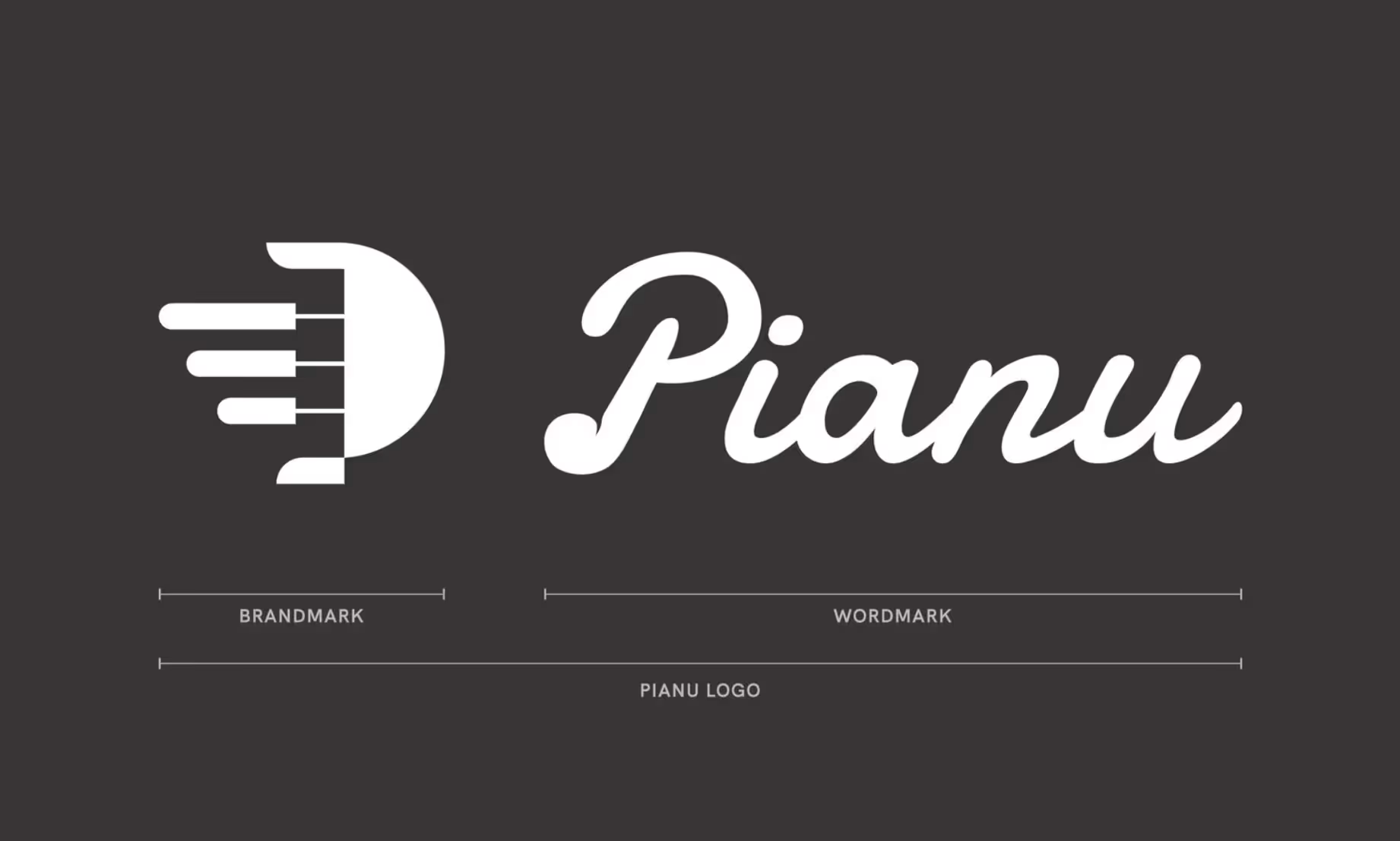
Pianu is an innovative music App that integrates a variety of approaches to piano lessons.
By utilizing gamification and unique design, Pianu helps customers learn how to play the piano and build a deep appreciation for it as well.
When they approached us, we were asked to craft a brand identity - including logo - as well as devise a market strategy focused on expanding their reach with potential customers.
The brandmark is designed to look like piano keys as well as a hand, which represents the hands of the audience playing and learning piano.
It’s straightforward, creative and unique, all while staying true to their brand identity.
When your logo appears alongside partner logos, it's essential to have clear co-branding guidelines to define placement, spacing, and visual harmony, ensuring both brands are represented professionally.


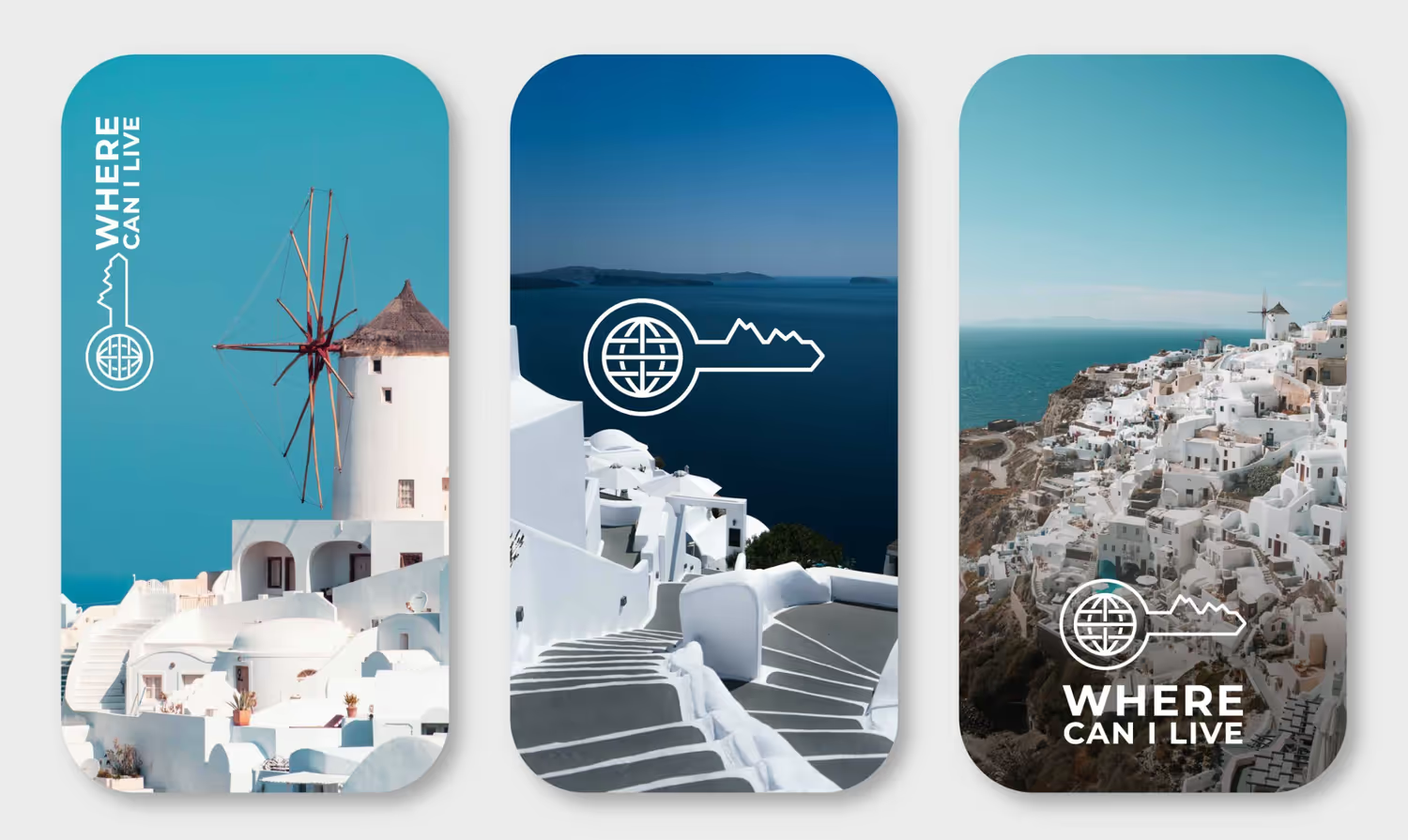
Ready to start a new life abroad?
Where Can I Live is your ultimate go-to source.
They provide incredible guides on the best global destinations, connect you with immigration and relocation partners in respective countries, and offer useful advice based on decades of experience.
With their personalized approach to helping those looking for an international move, Where Can I Live has become one of the most reliable online sources available today!
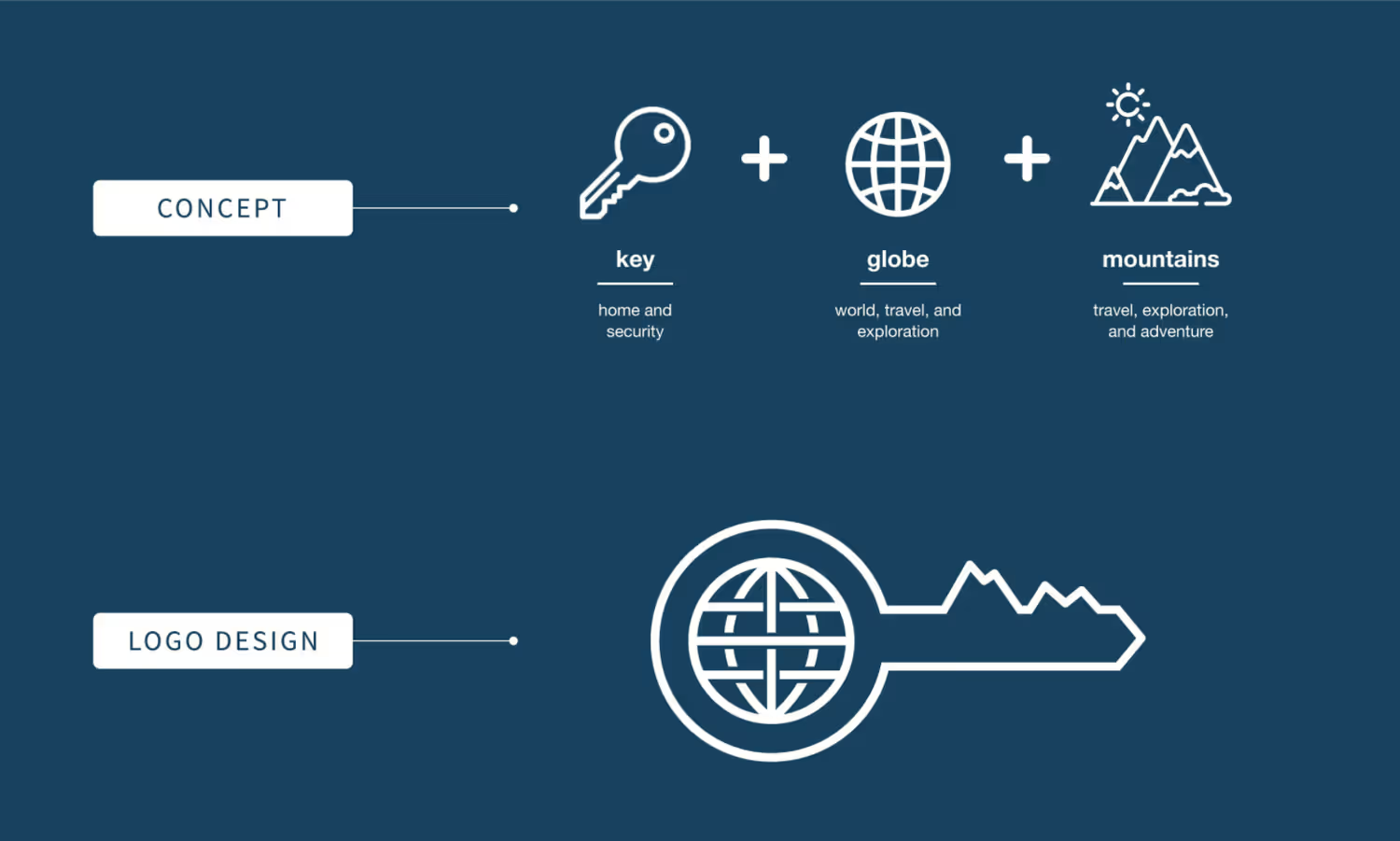
The brandmark logo design of the keys was purposefully broken down in this infographic.
The key symbolizes home and security, the globe is a representation of their global reach, while the mountains signify adventure.
This customized logo we crafted for them eloquently communicates their brand identity and mission to its audience.


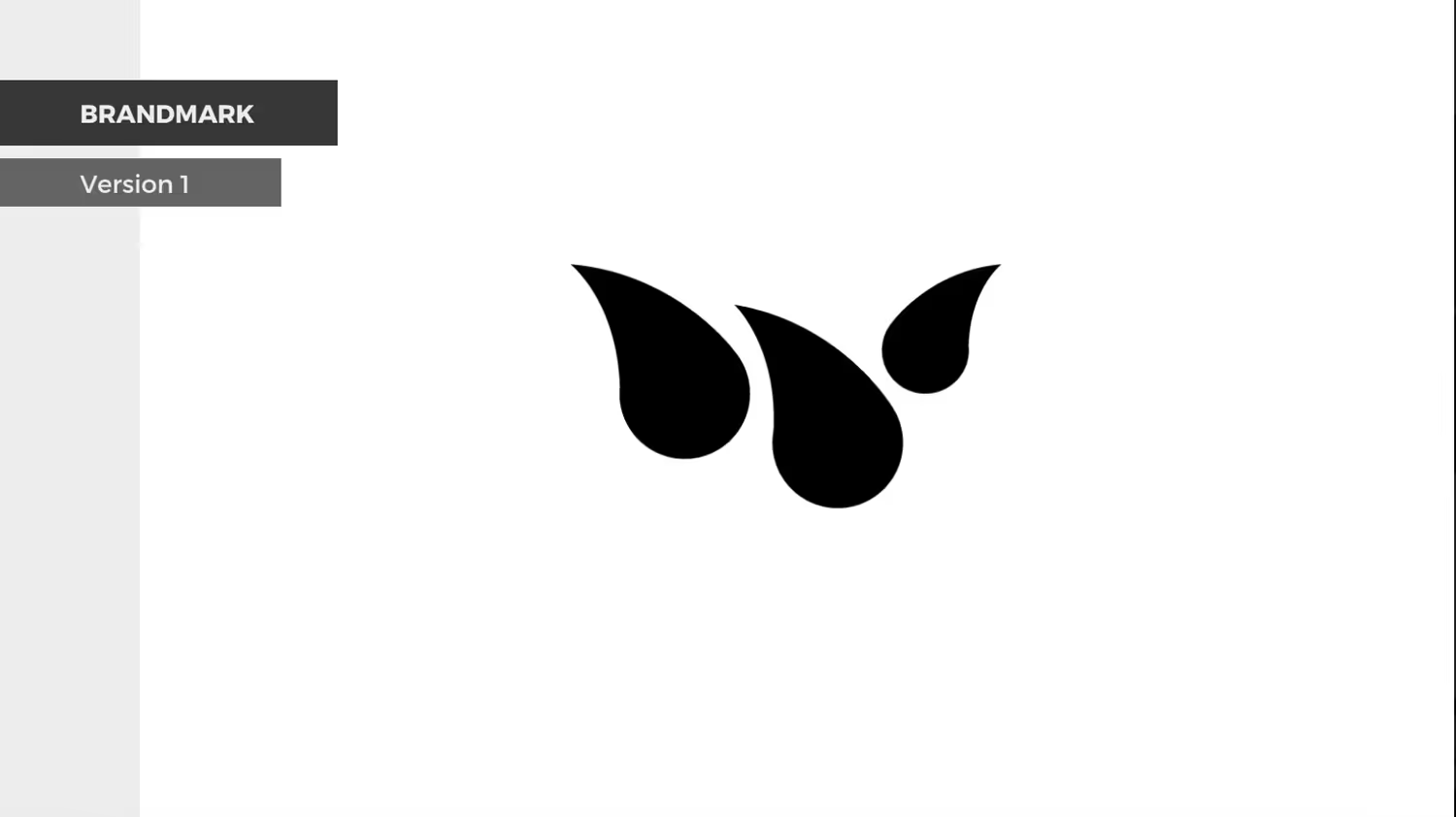
Take a look at the haircare brand we’re currently working with. We designed their logo to have an effortlessly minimalistic style, and these are a few of the Brandmark concepts!
Want to learn more about brand platforms, Brand Strategy and Brand Identity? Keep reading!
If you need help with your companies brand strategy and identity, contact us for a free custom quote. Defining your brand voice is a crucial part of your logo branding guidelines, ensuring consistency in how your brand communicates across all platforms. It's also important to regularly update your brand strategy and identity to stay relevant in a changing market.

A lettermark logo is designed solely around a company or brand’s initials and can be seen in iconic brands such as CNN, HP, HBO.
To demonstrate the power of this visually stunning design choice, take a look at our client’s custom-made example which we have lovingly crafted just for them.
Juci Botanicals is an eco-friendly skincare brand that emphasizes the importance of skin health and preservation.
Consequently, their logo was crafted to reflect nature’s beauty with a modern design.
The curves in the lettermark create a friendly personality that exemplifies what this unique brand stands for - natural skincare products made responsibly and sustainably!
View more of our work with them on how we created a brand identity that reflects their brand values, as well as a brand guideline and communication strategy here.
Logo Wordmark
Wordmarks are a vital component of branding as they generally comprise just the company's name in typography.
For that reason, many renowned businesses have opted to go with this simple solution—including Google, Facebook and Disney!
By keeping it straightforward, these companies reflect their brand power without any fuss.
Our client, Polar Bears, is a go-to for media and monetization solutions.
With its extensive commercial knowledge as well as operational background, it has become the frontrunner in consultancy, agency management and technology through the hybrid in-housing approach.
If you're curious to learn more about the work we did for Polar Bears, check it out here.
Our mission was to craft a logo and accompanying branding identity that truly embodied their unique brand story and core values.
This project is an extraordinary example of our wordmark capabilities; an extension of the polar bear design with friendly rounded typography plus two adorable bear ears atop!
Custom Logo Design Service

Remember, your brand is more than just a logo and website.
It also encompasses how consumers experience it in relation to their perception of your business.
If you want to stand out from the competition, establish customer loyalty and remain memorable, logos are essential.
Plus, they have become an expected part of any successful business – so make sure yours delivers!
When you partner with our marketing and branding agency, we will help your business soar to success.
To create the perfect logo for your company, a creative briefing is essential.
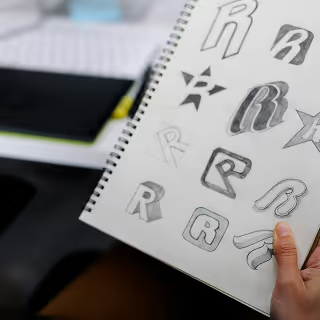
We take that information and dive into research before hashing together ideas- both on paper through sketches as well as digitally! For digital logo creation, we use Adobe Illustrator as our preferred tool to create vector logos, ensuring your logo maintains quality at any size.
Once we have something amazing in mind, it’s time to refine its details until perfection; then we deliver all of the new logo concepts right to you so you can pick which one best fits your brand vision.
All in all, that’s our procedure for designing logos (as you can see on the logo-focused infographic shown above).
If you would like to discuss further details with us, please feel free to book a call or reach out via this page.
We promise we don’t bite - marketing and branding are what we do best, and together we will create something amazing!
Brand Identity and Logo Design For Small Businesses
Every brand has its own set of logo guidelines, yet there are some which should be essential for every business. Many brands include multiple logo versions and typography standards in their guidelines to ensure consistency across different materials and maintain a cohesive brand identity.
Here’s a list of the three most important ones:
- Colour palette
- Typography & Font
- Logo Variations
Brand Colour palette
Let your brand colours dictate the logo design.
This will establish a cohesive presentation and make it easier to maintain consistency.
When referencing hues in your guidelines, be sure to include Pantone names/numbers, CMYK, RGB and Hex codes as appropriate.
If you are having trouble pairing colors together for maximum effect then use color combination tools or consult an experienced designer.
Rekindle your brand purpose and then head to the colour wheel.
If you need help selecting a unique palette, this blog post will come in handy.
Through choosing an appropriate hue choice for your business, you can stand out from the rest of your competitors within the same niche! choosing your brand colours
Brand Typography
Your logo branding guidelines can be used to determine the fonts that work best for your brand and logo.
If you think a script typeface might not mesh well with a more vibrant logo, make sure to jot it down.
Perhaps a more minimalistic logo design will not match well with complicated lettermarks or wordmarks.
By including that type of information in your guidelines, you will not only help yourself but also everyone on your team.
Here are some questions to get you started on setting typography rules:
- Determine your brand fonts
- Why is this your brand font? What does it communicate?
- What other types of font will you use for other types of communication
- Are there exceptions to your fonts? Shading, effects surrounding the typography?
Brand Logo Variations
When creating your brand guidelines, it can be advantageous to include a variety of logo versions such as wordmarks, brandmarks and lettermarks (depending on the needs of your company).
All variations should complement one another while adhering to the overall style aesthetic.
Your usage guide should provide recommendations regarding how each logo version may be used.
Your audience will recognize and create trust in your branding when they see consistent logos.
Be sure to include specific instructions on how each logo should be used: like if a lettermark is only for emails or a brandmark should only appear on social media!
Having this guidance documented in your guidelines will make the process smoother, providing clarity and allowing everyone involved with creating content to have direction.
Now that you are equipped with the knowledge of three main logo types, an essential logo guideline and why logos/guidelines are vital for success, you can start your journey in creating a great logo.
We understand how daunting this process may be so don't hesitate to reach out if any help is needed!
Brand Style Guide or Branding Guidelines
A Brand Style Guide is an important part of any branding and marketing plan – it sets the tone and aesthetic direction for all communications created by your business.
It covers everything from typography to colour palette, imagery styles and more.
Examples of Company Logo Design
The Branded Agency is the best company in logo design and development.
We create custom logos for businesses of all sizes, across all industries.
View our portfolio to see some examples of our previous work or contact us to get started on your project today!
Creating a cohesive branding strategy isn’t easy, but it’s worth it.
We’re one of the best Digital Marketing and Branding Agency, and we don’t take that lightly.
We live up to our work and are always wanting to make sure that our services serve you.
Let’s get in touch to chat more? We can’t wait to hear from you and get to know your brand vision!
Best Practices for Brand Guidelines
Creating effective brand guidelines is all about clarity, consistency, and accessibility. Start by using straightforward language and supporting your rules with clear visual examples—showing not just what to do, but also what to avoid. Specify your color palette, brand fonts, and logo usage rules, and include dedicated sections for social media and digital use to ensure your brand looks great everywhere. Establish a consistent tone of voice that reflects your brand’s personality, and make sure your guidelines are easy for all stakeholders to access and understand. Finally, treat your brand guidelines as a living document—review and update them regularly to keep your brand identity fresh and relevant. By following these best practices, you’ll create brand guidelines that support a strong, unified brand identity and deliver a seamless brand experience across every touchpoint.

Sloane Avery
As entrepreneurs, they’ve built and scaled their own ventures from zero to millions. They’ve been in the trenches, navigating the chaos of high-growth phases, making the hard calls, and learning firsthand what actually moves the needle. That’s what makes us different—we don’t just “consult,” we know what it takes because we’ve done it ourselves.
Want to learn more about brand platform?
If you need help with your companies brand strategy and identity, contact us for a free custom quote.
We do great work. And get great results.
+2.3xIncrease in revenue YoY
+126%Increase in repurchase rate YoY


+93%Revenue growth in first 90 days
+144% Increase in attributed revenue


+91%Increase in conversion rate
+46%Increase in AOV


+200%Increase in conversion rate
+688%Increase in attributed revenue