Marketing Agency Worldwide: How Global Digital Agencies Drive Growth
07/24/2026
Marketing Services
Learn how a marketing agency worldwide can unify your global strategy, localize campaigns for every market, and accelerate international growth with measurable results.
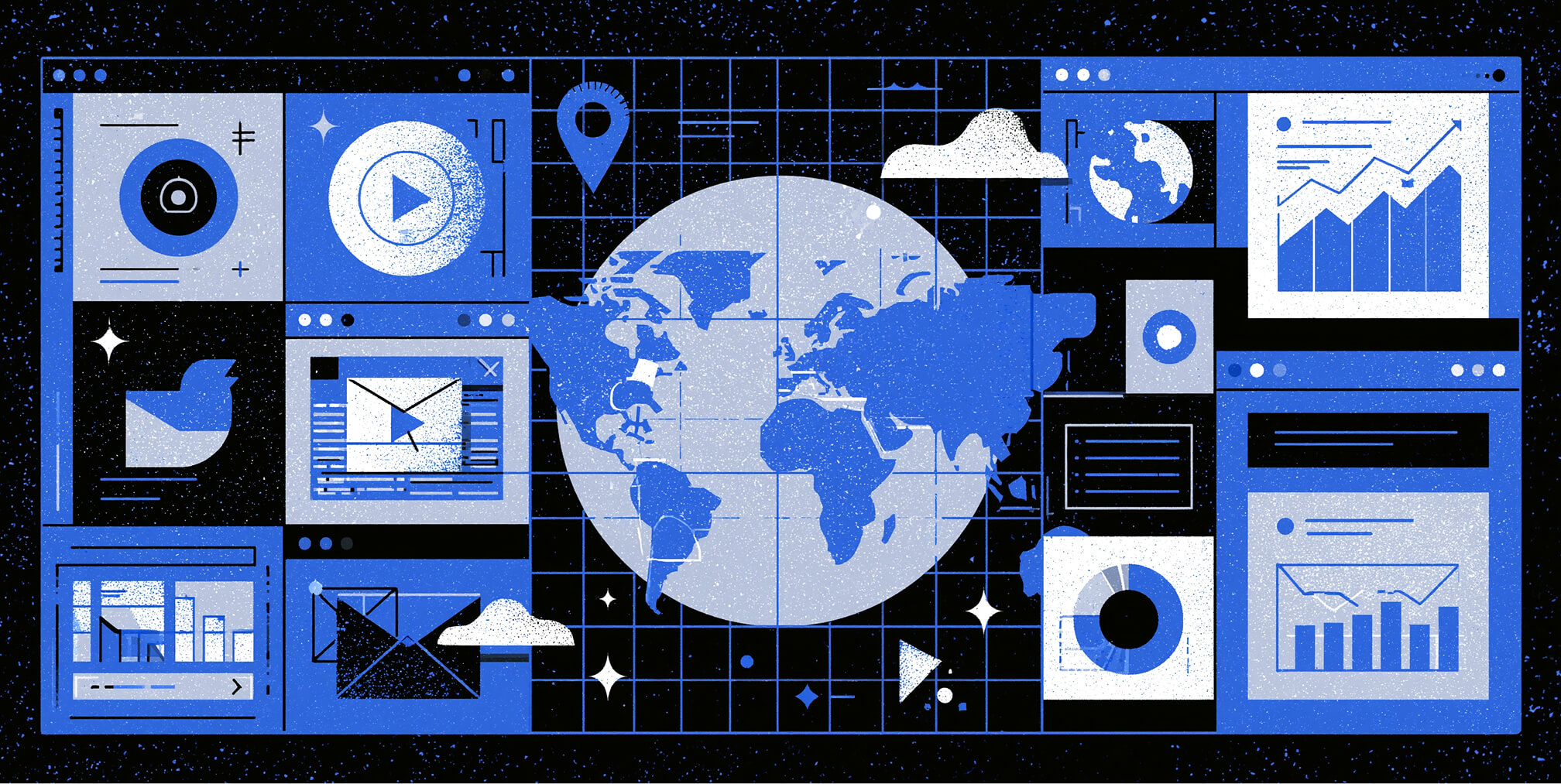
A marketing agency worldwide is an agency built to run digital marketing, web design, social media, advertising, and analytics across multiple countries. Unlike a local marketing agency that focuses on one city or country, a global digital agency manages multi-language content, regional media plans, local seo, compliance, and cross-border reporting.
.png)


How Worldwide Marketing Agencies Support Global Growth
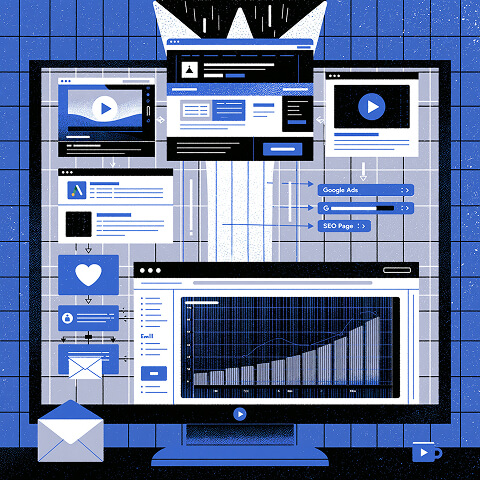


For example, a 2023 e commerce company launching in the US, UK, and Germany might use one integrated digital strategy: shared brand positioning, localized websites, google ads campaigns, German and English SEO pages, social media content adapted to each market, and one analytics dashboard tracking revenue by country.
A worldwide agency helps clients coordinate marketing services such as SEO, PPC, email marketing, creative development, paid media, web development, content marketing, data analytics, and reputation management.
Key benefits include:
- Central strategy with local market expertise
- Consistent brand guidelines with flexible localization
- Faster expansion into new territories
- Better budget allocation across channels and countries
- Cross-border Return on Investment tracking across currencies, platforms, and regions
This guide covers the main agency types, how global campaigns work, how to choose the right marketing agency, and how to collaborate with one effectively.
Types of Marketing Agencies Worldwide
Marketing agencies is an umbrella term. Some specialize in one channel, while others offer full service marketing across strategy, creative, media, technology, and analytics.
Full-service digital marketing agency: A full service digital agency handles SEO, public relations, paid media, social strategies, content strategy, media buying, web design, and reporting across global channels. This is best for leading brands, large corporations, and fast-scaling companies that need brand consistency in many markets, supported by an integrated strategy, branding & performance marketing approach.
SEO and content marketing agencies: These agencies focus on Search Engine Optimization (SEO), which is a critical component of digital marketing that improves website visibility in search engine results pages (SERPs). A SaaS-focused SEO agency working across North America and Europe, for example, might create multilingual content hubs, technical SEO fixes, and generative engine optimization assets.
Social media and influencer agencies: These marketing specialists create social media campaigns, creator partnerships, community programs, and social commerce ideas. They are useful when consumer behavior, trust, humor, trends, and visual creativity differ sharply by region.
Performance and PPC agencies: Pay-Per-Click (PPC) advertising is a model of internet marketing where advertisers pay a fee each time one of their ads is clicked, allowing targeted traffic to websites. Performance marketing agencies usually specialize in google ads, Meta, LinkedIn, digital advertising, CRO, ROAS, and CPA.
Web design and UX agencies: These firms create websites, landing pages, mobile experiences, localized checkout flows, and web development solutions. They fit a company entering new countries where currency, payment methods, speed, accessibility, and UX affect growth.
PR and communications firms: PR firms manage media relations, reputation management, crisis response, executive visibility, and regulated communications in industries like healthcare, finance, and technology, often partnering with full-service branding agencies to build strong business identities.
Pick each type this way:
- Need one partner? Choose a full service digital agency.
- Need long-term organic growth? Choose SEO and content.
- Need awareness? Choose social media and influencer support.
- Need faster revenue? Choose performance marketing.
- Need better conversion? Choose web design and CRO.
- Need trust and press? Choose PR.
Free Brand Health Audit
Make sure your brand is built to sell
Search has changed. Your customers aren't just Googling anymore. They're asking ChatGPT, Perplexity, Gemini and other AI platforms what to buy, who to trust and which brands they should consider.
If your brand isn't showing up clearly in those answers, you're already losing opportunities. Our free Brand Health Audit shows you where your brand stands across traditional search, AI search and brand positioning.

Sample brand audit
Live preview
Traditional search
72
AI search (GEO)
34
Brand positioning
58
How Global Digital Agencies Run Worldwide Campaigns
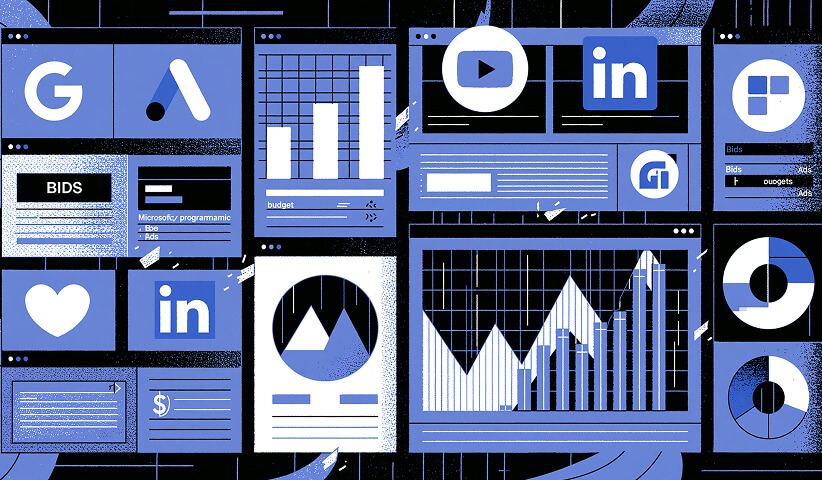
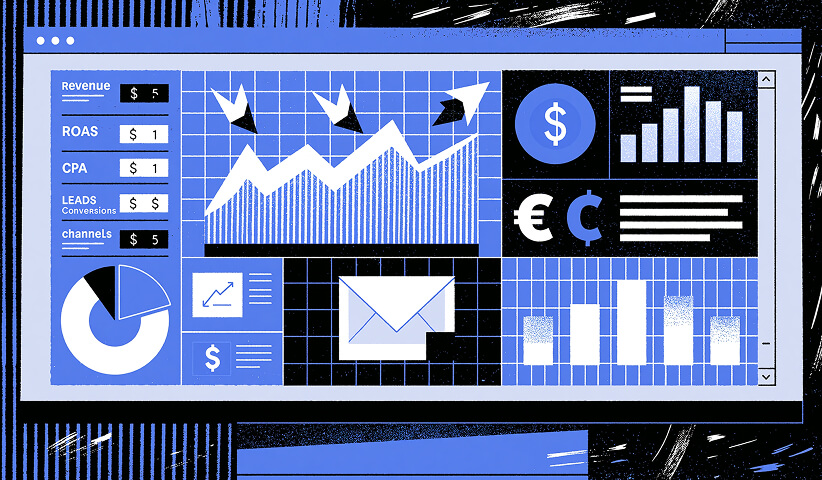
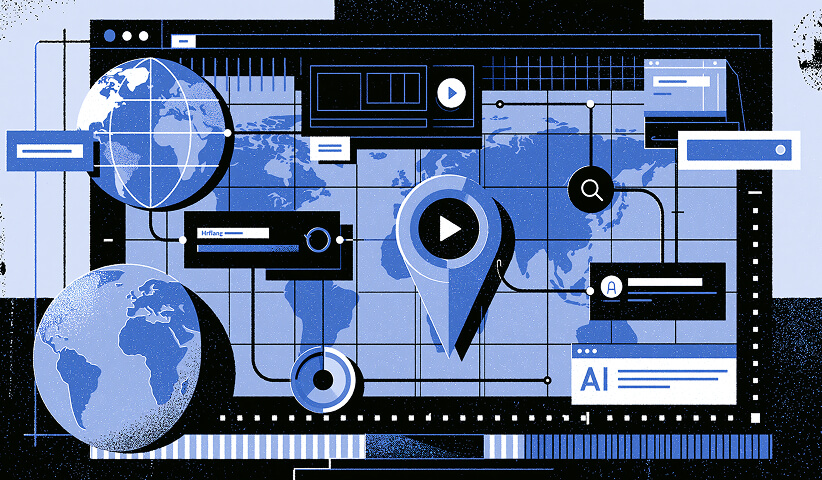
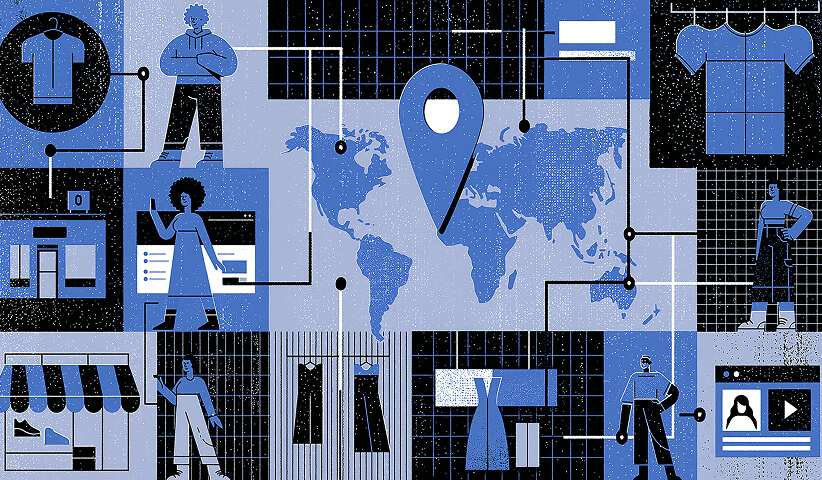
A global digital agency coordinates SEO, paid media, social media, email, web design, and analytics across multiple countries. Growth marketing strategies focus on integrating various marketing channels, such as SEO, paid media, and content marketing, to create a cohesive approach that drives measurable results. Digital marketing strategies often integrate various channels such as social media, email marketing, content marketing, and SEO to create a cohesive approach to reach and engage customers.
The best model combines centralized strategy with local execution. The central team sets positioning, KPIs, budget rules, data standards, and brand governance. Local teams adapt messaging to fit local traditions, slang, regional taboos, humor, and consumer behaviors rather than merely translate content.
Campaigns are often structured by regions such as North America, EMEA, and APAC. Agencies must have physical offices or strategic alliances in target markets to navigate local media landscapes and regulatory environments effectively. Agencies must prioritize cultural nuance and localization, global infrastructure and local presence, cross-border data analytics, and integrated service capabilities to effectively navigate diverse international markets.
A 2024-style B2B software launch might include LinkedIn Ads, google ads, and localized blog content in English, Spanish, and German. The central team builds the message, while local specialists adapt examples, landing pages, email workflows, and sales enablement.
A typical workflow looks like this:
- Audit the brand, competitors, websites, and channel performance by market.
- Define global KPIs and local goals.
- Create regional personas and localized creative.
- Launch media, SEO, email, and web tests.
- Use marketing automation, AI-assisted optimization, incrementality testing, and media mix modeling.
- Report weekly by country and monthly across the world.
A successful growth marketing strategy often includes rigorous measurement foundations, such as incrementality testing and media mix modeling, to understand which channels are driving growth and to align these efforts with clear branding campaign objectives and SMART brand goals.
Key Digital Marketing Services Offered by Worldwide Agencies
Top marketing agencies worldwide usually provide integrated marketing services instead of one isolated channel. That matters because global marketing generates massive amounts of data from various platforms, regions, and demographics.
SEO and generative engine optimization: Agencies improve technical SEO, international site architecture, multilingual content, and AI search visibility, frequently collaborating with an AI content creation agency that integrates artificial intelligence with creative strategy. One SaaS case study reported a 223% organic traffic lift in 11 months, while another reported 205% YoY organic user growth.
Paid media: Paid media teams manage google ads, Microsoft Ads, Meta, LinkedIn, display, and programmatic. A common target might be raising ROAS from 2.5 to 4.0 in six months through bid testing, landing page changes, and smarter media buying.
Social media and community management: These services cover posts, short-form video, creator campaigns, social commerce, and community engagement. Video-first behavior is now central; TechRadar reported that video represented more than 62% of EU internet traffic in 2025 and social commerce was growing about 30% annually, pushing teams toward human-led, AI-powered creative services in 2026.
Content marketing and copywriting: Agencies create articles, guides, thought leadership, product pages, and sales content. A good content strategy can increase qualified leads by 60% YoY when pages match local buying psychology and search intent, underpinned by effective digital branding to build a strong online presence.
Web design and development: A digital marketing agency may redesign multilingual websites, improve speed, create localized checkout flows, and support CRO. For example, a manufacturing business could increase global leads by 120% after modernizing pages and analytics.
Conversion rate optimization: CRO teams test CTAs, forms, layouts, proof points, pricing pages, and local trust signals. A simple language and payment-method test can reduce cost per acquisition by 20–30% in a new market.
Email and marketing automation: Email marketing workflows support onboarding, lead nurture, abandoned carts, and customer retention. Agencies may lift open rates by 15–25% through local send times, segmentation, and translated lifecycle content.
Analytics and attribution: A successful marketing agency should be capable of creating a unified reporting system to aggregate fragmented global data for consistent ROI tracking. The agency must be capable of synthesizing international data and tracking cross-border Return on Investment (ROI) across different currencies and platforms.
Want to learn more about Marketing? Keep reading!
If you need help with your company’s marketing, contact us for a free custom quote.
How to Choose the Right Marketing Agency for a Global Strategy
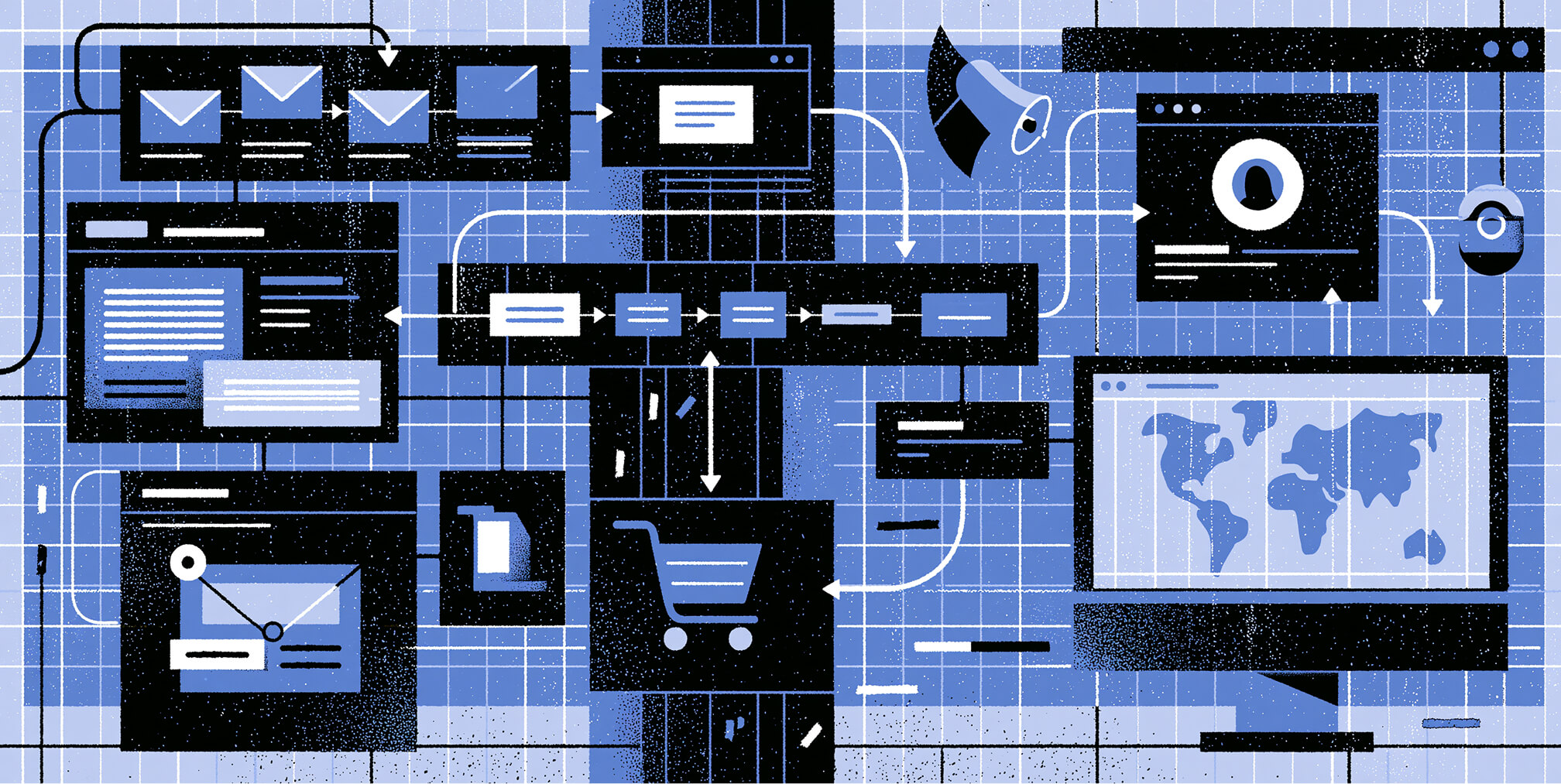
Choosing the right marketing agency is a strategic decision that can significantly impact your business growth. In global work, the wrong agency can waste budget, dilute your brand, create compliance risk, and slow market entry. To ensure global campaigns translate effectively into local revenue, businesses must prioritize local market expertise, structural agility, and data compliance frameworks alongside standard agency credentials.
Evaluate agencies with these criteria:
- Industry experience: Agencies with niche experience tend to deliver better results, as they understand specific business models and markets such as healthcare, fintech, SaaS, retail, or commerce.
- Geographic coverage: Confirm offices, time zones, partners, languages, and local media knowledge.
- Proof of outcomes: Successful cross-border campaigns require agencies to demonstrate a portfolio that reflects measurable outcomes within specific verticals. It is important to check an agency's case studies and client portfolio to ensure they have a proven track record of solving similar problems to yours.
- Localization ability: Agencies should demonstrate proven ability to adapt creative messaging to local cultural nuances, respecting regional taboos, humor, and consumer behaviors.
- Brand governance: Successful marketing agencies provide systems to maintain core brand guidelines across all markets while allowing enough flexibility for local relevance.
- Scalability: Evaluating marketing agencies can involve examining their resource scalability, ensuring rapid deployment of resources for international campaigns. The selection of a marketing agency should involve evaluating their ability to scale operations rapidly when launching campaigns in new international territories.
- Data and technology: Look for analytics, automation, CRM, attribution, and privacy capabilities, including AI tools that boost website traffic and optimize digital campaigns.
- Transparency: Transparency in strategy is crucial; choose agencies that clearly explain their processes and what you can expect at each stage of the partnership.
- Cultural fit: A good cultural fit between your business and the agency can enhance collaboration and communication, making the partnership more effective.
- Pricing and contracts: Compare retainers, project fees, media percentages, SLAs, data ownership, and exit terms, especially when budgeting for social media marketing costs across platforms and content types.
Questions to ask:
- “Show us case studies of multi-country campaigns since 2021.”
- “How do you handle localization and translations?”
- “Can your dashboards show ROI by market, currency, and channel?”
- “Who will work on our account?”
- “How do you test incrementality?”
Compare proposals side by side by scope, deliverables, timelines, projected benchmarks, market coverage, and reporting detail.
Best Practices for Working with a Worldwide Marketing Agency
Success depends not only on hiring the best marketing agencies, but also on how you collaborate with them. Even a strong agency needs clear goals, fast feedback, clean data, and accountable decision-making.
Use this playbook:
- Define global and local goals before launch.
- Appoint one internal owner to coordinate in house teams, regional leaders, and the agency.
- Align on KPIs, with weekly tactical reporting and monthly strategy reviews.
- Create shared brand guidelines, legal notes, design rules, and localization standards.
- Maintain one source of truth for data and dashboards.
- Schedule cross-region reviews so one market’s success can inspire another.
- Set realistic timelines: paid media can show signals in 30–60 days, while SEO often needs 3–6 months for early impact.
- Manage approvals across time zones with clear deadlines.
- Test constantly with A/B tests, creative variations per language, landing page experiments, and iterative optimization.
Effective growth marketing requires a focus on accountability and the ability to adapt strategies in real-time based on performance data and changing consumer behavior.
A simple 90-day launch plan for 2026 might look like this:
- Weeks 1–2: audit, kickoff, data access, and team setup.
- Weeks 3–4: market research, personas, competitor review, and KPI mapping.
- Weeks 5–6: creative, localization, tracking, and technical fixes.
- Weeks 7–8: pilot campaigns in one or two markets.
- Weeks 9–12: optimize, expand, and produce the first global performance review.
Global Trends Shaping Marketing Agencies Worldwide in 2024–2026
Technology, privacy, and consumer behavior are changing how every digital agency works, including how teams design the perfect marketing prompt structure for 2026 to scale on-brand AI content. The global marketing landscape is dominated by a few massive holding companies that own individual agency networks and rapidly growing digital-first independent giants.
Key trends include:
- AI and LLM optimization: Agencies now use AI for research, creative variants, translation support, and generative engine optimization. Some case studies report major traffic lifts when traditional SEO, topical authority, and LLM SEO work together.
- Privacy and data compliance: Privacy regulations require compliance with international data laws like GDPR in Europe, CCPA in California, and APPI in Japan. Since Universal Analytics stopped processing standard data in July 2023, many teams rebuilt reporting in GA4 and privacy-first systems.
- Social commerce and creators: Consumers increasingly buy through creators, communities, and short-form video. Agencies are adapting with influencer operations, creator briefs, affiliate tracking, and localized social proof.
- First-party data: Brands are investing in owned communities, email lists, CRM segmentation, and customer data platforms because third-party tracking is less reliable.
- Unified platforms: Agency networks include those specializing in data and tech integration, as well as those focused on creative strategy. More tools now combine attribution, MMM, dashboards, CRM, and automation.
- ROI pressure: Brands want proof that marketing can drive revenue, not just impressions. According to IMARC, the global digital marketing market was valued around USD 456.7 billion in 2025 and is forecast to reach about USD 1,200.3 billion by 2034.
- Changing agency structures: The traditional agency model is giving way to hybrid teams, fixed retainers, performance incentives, and data-led operating systems.
Massive agency holding companies often referred to as the “Big Five” manage billions in ad spend and offer end-to-end services from market research to digital transformation. These massive conglomerates own hundreds of specialized agencies worldwide, covering advertising, PR, media buying, and digital transformation.
Among digital-first giants, Accenture Interactive is the world's largest marketing agency based on revenue, generating approximately $4.4 billion and employing over 18,000 people across 40 offices globally. Deloitte Digital, a digital advertising agency within Deloitte Consulting, has an estimated revenue of $2.6 billion and is known for comprehensive service offerings that include strategy, logistics, branding, and cybersecurity. IBM iX, serving as a global business design partner, has over 15,000 employees and generates approximately $3 billion in revenue, utilizing IBM Design Thinking principles to solve business problems.
Historic advertising agencies such as leo burnett still influence creative standards, but today’s winners combine creativity, technology, analytics, and speed, often underpinned by brand packages engineered for scalable growth.
Case Study-Style Examples of Worldwide Marketing Success

These examples show how a marketing agency worldwide can drive growth when strategy, localization, and measurement work together.
- DTC apparel brand entering three continents: A US brand launched in the UK, Germany, and Australia with paid media, influencer partnerships, localized landing pages, and regional returns policies. Over 12 months, ROAS increased from 1.8x to 3.5x, international revenue reached 40% of total sales, and Germany CPA fell 30% after copy and payment localization.
- B2B SaaS company expanding into LATAM and EMEA: The company used SEO, LinkedIn Ads, multilingual blogs, and localized case studies in Spanish, French, and German. In nine months, monthly SQLs grew 3x, LATAM and EMEA represented 45% of organic traffic, and CAC dropped 25%.
- Healthcare brand operating in the EU and US: The agency supported content, paid media, email, compliance reviews, privacy notices, and regulated claims. After 12 months, there were no regulatory infractions, EU traffic grew 80% YoY, and US email open rates improved 25%.
- Manufacturing company modernizing lead generation: The business had outdated regional websites across Asia, Europe, and North America. After web design, SEO, CRO, retargeting, and unified analytics, global leads increased 120%, conversion rates improved 80%, and PPC cost per lead fell 40%.
Frequently Asked Questions About Worldwide Marketing Agencies
Here are common questions potential clients ask before hiring global digital agencies.
- What’s the difference between a global digital agency and a local marketing agency?
A global agency handles multiple countries, languages, platforms, and regulations, while a local shop usually focuses on one market. - How much does a worldwide marketing agency typically cost per month in 2024–2026?
Costs vary widely. SEO retainers may range from $4,000 to $25,000+ per month, and paid media management may combine a flat fee with 10–15% of ad spend. - Can a single agency handle SEO, PPC, web design, and social media across multiple countries?
Yes, but confirm that the agency has local specialists, integrated services, and a reporting system that can connect performance across markets. - How long before I see results from international SEO and paid campaigns?
Paid campaigns often show early signals in 30–60 days. International SEO usually needs 3–6 months for early traction and 9–12 months for stronger impact. - Should I choose one global partner or multiple specialist agencies by region?
One partner improves control and brand consistency. Multiple regional specialists can add deeper local insight, but coordination becomes harder. - How do time zones and language differences affect collaboration?
They can delay approvals, so use shared documentation, clear deadlines, overlapping meeting windows, and native-language review. - What contracts and SLAs should I expect?
Expect clear deliverables, timelines, ownership terms, reporting frequency, revision rules, data access, confidentiality, and exit clauses.
Conclusion: Building a Future-Proof Global Marketing Engine
Marketing agencies worldwide help brands scale by combining strategy, creative, seo, paid media, web design, social media, email, analytics, and local market expertise. The strongest partners do more than run campaigns; they create systems that connect budget, customers, content, media, and revenue across the world.
Before choosing an agency, audit your current marketing setup. Look for gaps in localization, data, reporting, compliance, channel integration, and regional expertise. Businesses that invest in strategic, data-driven partnerships with marketing agencies will.

Quincy Samycia
As entrepreneurs, they’ve built and scaled their own ventures from zero to millions. They’ve been in the trenches, navigating the chaos of high-growth phases, making the hard calls, and learning firsthand what actually moves the needle. That’s what makes us different—we don’t just “consult,” we know what it takes because we’ve done it ourselves.
Want to learn more about brand platform?
If you need help with your companies brand strategy and identity, contact us for a free custom quote.
We do great work. And get great results.
+2.3xIncrease in revenue YoY
+126%Increase in repurchase rate YoY




+93%Revenue growth in first 90 days
+144% Increase in attributed revenue




+91%Increase in conversion rate
+46%Increase in AOV



+200%Increase in conversion rate
+688%Increase in attributed revenue