Design Packaging: From Custom Boxes to AI-Powered Creativity
06/24/2026
Design / Print & Packaging
.png)


Introduction to Packaging Design

Free Brand Health Audit
Make sure your brand is built to sell

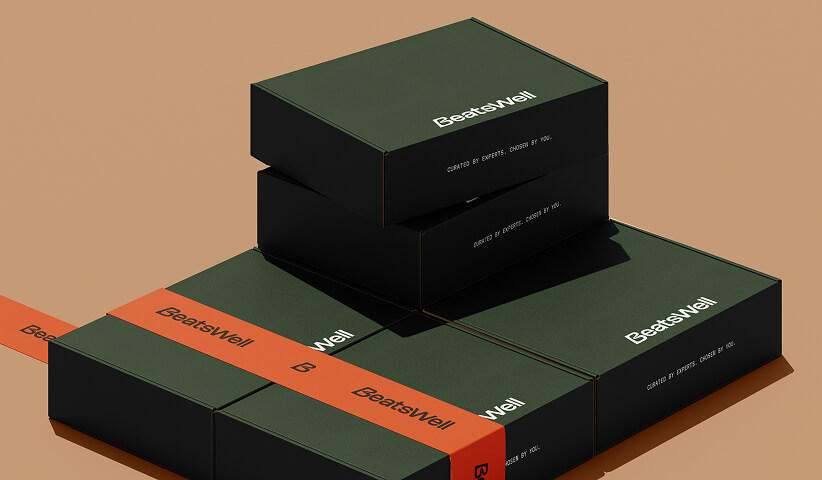
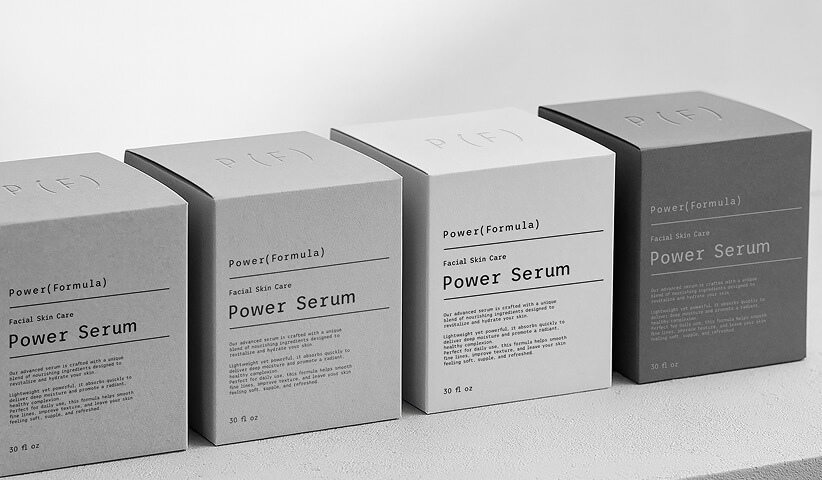
Types of Custom Packaging: Mailer, Product & Shipping Boxes


Want to learn more about Design, Print, and Packaging? Keep reading!
Design Tips: Standout Ideas You Can Apply Today
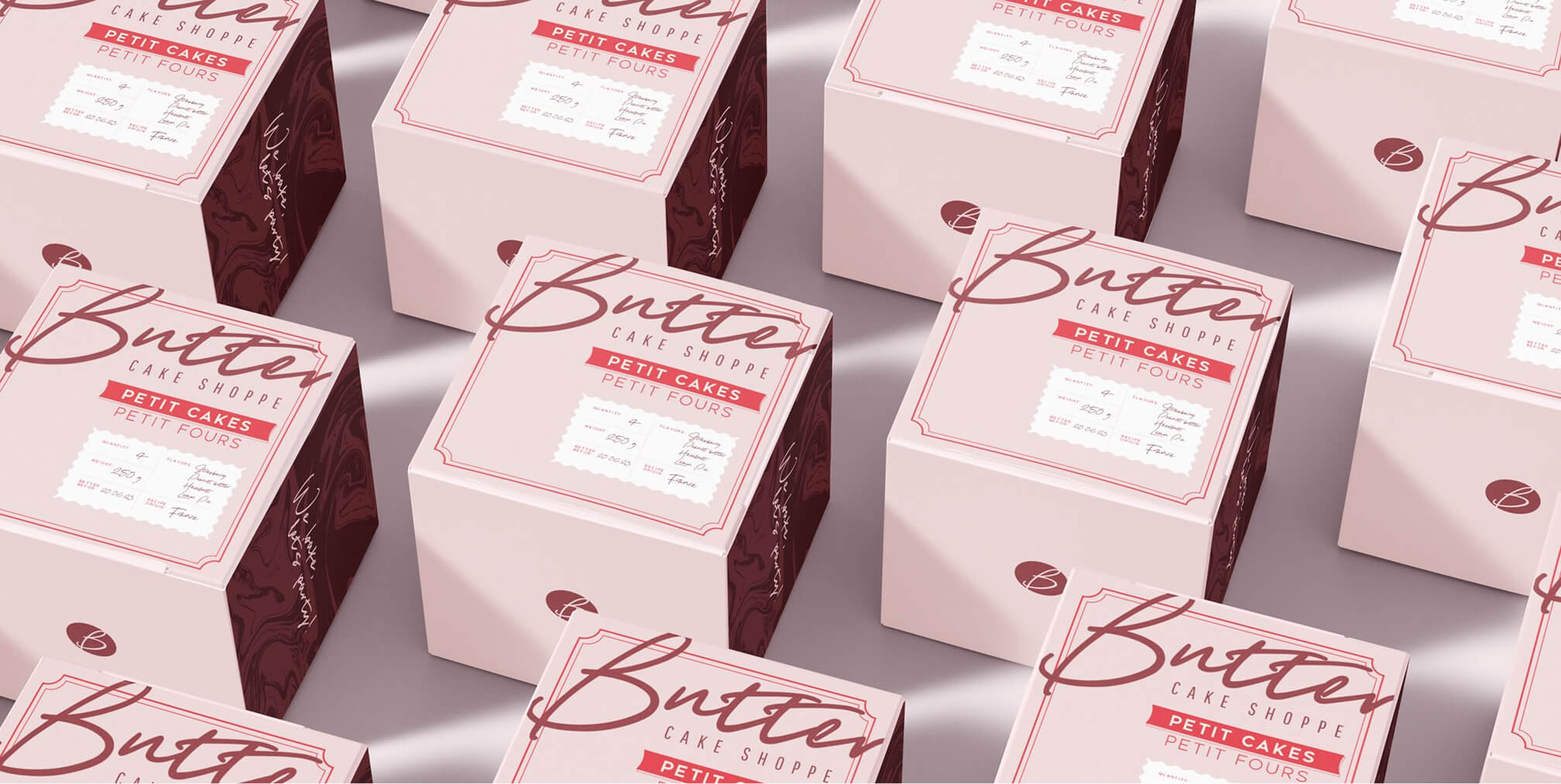
This section collects practical tips you can implement immediately, each with a concrete example from recent packaging projects—especially helpful if you’re considering an all-in-one small business branding package that includes custom packaging.
Use bold patterns on simple structures
Using patterns in packaging design can elevate a simple structure, making it visually appealing and engaging for consumers. Diagonal stripes at 45° angles—like those on Husky toolkit mailer boxes—cut through visual clutter, lifting in-store pickups by 22% in testing.
Design the interior as well as the exterior
Consider utilizing every available space in your packaging; for example, adding a decorative pattern on the interior can enhance the perceived value of the product inside. L’Occitane’s 2023-2024 gift boxes feature floral interior prints that extend engagement 3x via unboxing shares.
Embrace simplicity with recycled kraft plus a single bright color
Brands like Who Gives A Crap use recycled paper with lime green accents to appeal to the 65% of eco-conscious shoppers who respond to modern, earthy aesthetics. Simplicity often communicates quality more effectively than visual complexity.
Build a layered unboxing experience for luxury products
For shoes, high-end electronics, or premium cosmetics, create layers: tissue paper, protective sleeves, scented inserts, and QR-coded thank-you cards. Brands are using innovative packaging trends to create memorable ‘unboxing’ moments that merge digital engagement with physical product interaction. This approach drives 40% higher NPS scores.
Let the product show through die-cut windows
For food and cosmetic packaging, transparent sleeves or die-cut windows at 20-30% transparency showcase the quality product without spoilage risk. KIND bars use this technique to display their nut-and-fruit bars directly.
Transform bags into functional or visually interesting packaging
Innovative packaging designs can turn bags into more than just containers. For example, incorporating transparent windows into food bags allows customers to see the product inside, increasing trust and appeal. Some brands have even designed bags that can be repurposed as wearable items or storage, enhancing both functionality and consumer experience.
Design bottles with style, material, and tactile features in mind
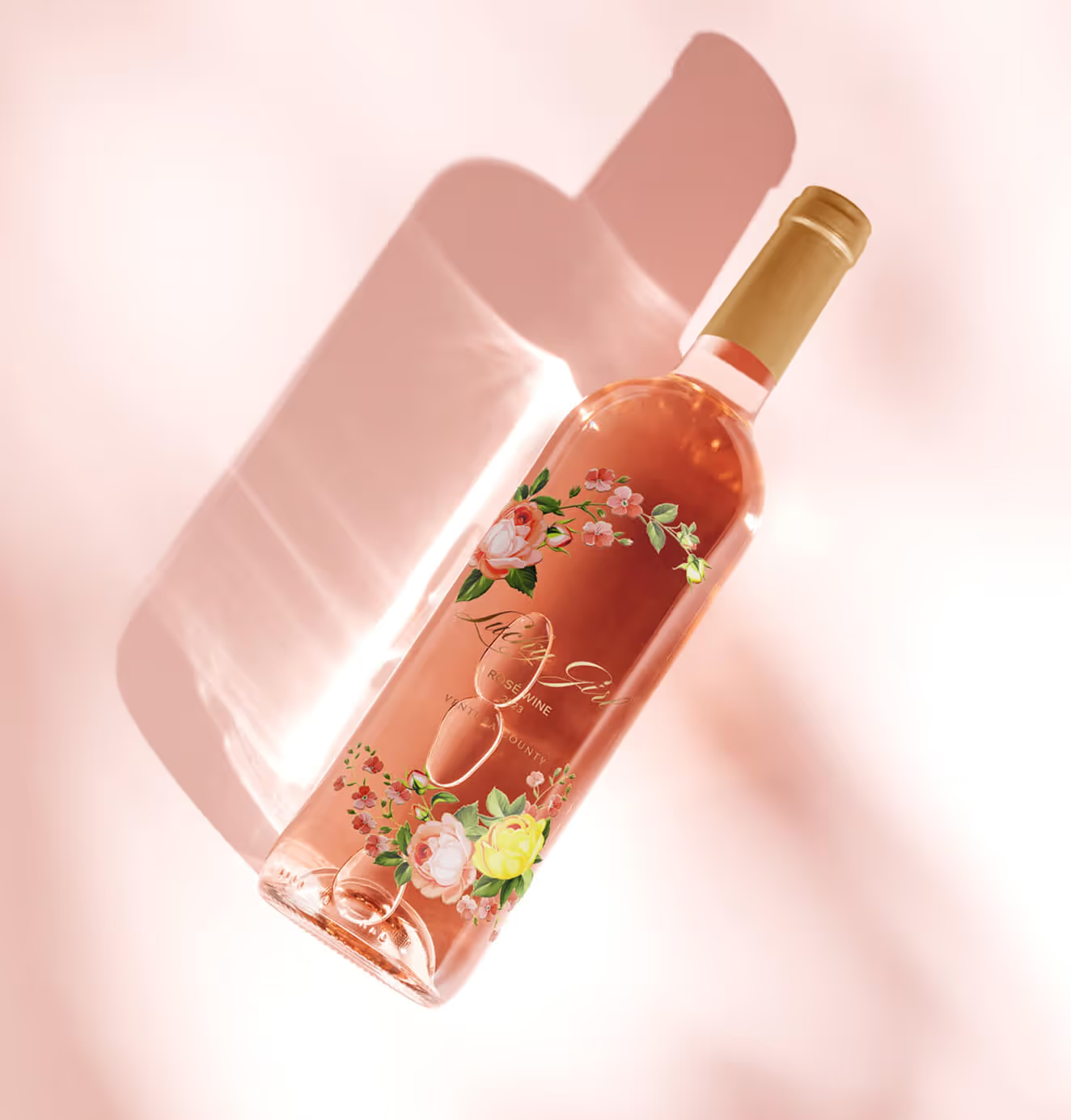
Bottles offer a versatile canvas for packaging design. Using unique shapes, textured surfaces, or premium materials can make bottles stand out on shelves and feel more engaging in hand. For instance, matte finishes, embossed logos, or ergonomic grips not only improve aesthetics but also add functional value to the packaging.
Use storytelling through illustrations and origin narratives
Tony’s Chocolonely prints slavery-free comic strips on their chocolate bar wrappers, connecting packaging to brand values and boosting loyalty by 18%. Short origin stories, illustrated maps, or brand characters all work.
Consider reusability in your design
Sturdy tins, glass jars, or boxes designed to become storage containers reduce waste by 50% over their lifecycle. Anchor Hocking jars double as planters, extending brand presence in customers’ homes.
Play with texture and finish strategically
Spot UV on key claims (like “organic” foil on Burt’s Bees products) enhances trust signals by 30% in blind tests. Apply embossing, foil, or gloss strategically to logos and critical messaging rather than covering entire surfaces.
Building Packaging Design Skills (and Using AI Design Smartly)
The tools available to designers have transformed dramatically between 2024 and 2026, but foundational skills remain essential regardless of technology. Staying aware of broader branding trends for 2026 while using a comprehensive design platform can consolidate various design and manufacturing tasks, streamlining the workflow for packaging designers.
Foundational Design Skills
Before touching any ai design tool, master the basics:
- Color theory: Understanding analogous schemes for harmony, complementary for contrast
- Typography: Proper kerning (0-50 units), hierarchy between headlines and body copy
- Grid systems: 8-12pt baselines for consistent layout
- Dieline reading: Accounting for 3mm bleeds and 2pt safety margins
Practical exercises build intuition faster than theory alone. Try redesigning an existing cereal box—Kellogg’s packages teach hierarchy under constraints where 40% of front real estate goes to the hero image. Redesigning a 2024 energy drink can forces you to work within cylindrical printing limitations.
Using AI Design Tools Effectively
Using AI-powered tools can streamline the packaging design process by allowing designers to generate production-ready designs quickly based on descriptive input. Tools like Midjourney or Adobe Firefly generate concepts from prompts like “minimalist tea box, pastel green, embossed leaf, recycled kraft” in seconds, producing 10 variants for initial screening. Some 3D design tools also provide real-time updates, enabling designers to instantly visualize changes and see pricing adjustments as they modify their packaging designs.
However, AI outputs often ignore dieline physics, yielding roughly 25% unusable structures according to expert critiques. Treat AI as a starting point for concept exploration, then refine layouts, hierarchy, and branding manually. Human judgment remains critical for cultural nuance, brand consistency, and printability.
Building Your Inspiration Library
Keep a swipe file of 100+ packaging samples from supermarket visits and online audits. Study Whole Foods eco-lines, luxury cosmetic counters, and innovative food packaging. This visual library builds pattern recognition that speeds future projects while AI handles initial mockups 5x faster than traditional methods.
Sustainable and Multi-Purpose Packaging
Between 2020 and 2025, regulatory pressure like the EU Single-Use Plastics Directive (banning 10 items by 2026) combined with shifting consumer preferences to make sustainability non-negotiable. Eco-friendly choices have moved from a ‘nice-to-have’ to a commercial expectation, with many consumers willing to pay a premium for sustainable options—80% prefer sustainable packaging according to 2025 RRD data.
Material Choices
Sustainable packaging materials include biodegradable polymers, recycled plastics, and bio-based resins, which help reduce reliance on fossil-based plastics and promote recyclability. Hyper-sustainable materials such as seaweed-based films and mushroom leather are replacing traditional plastics in innovative packaging products.
Common sustainable materials for 2024-2026:
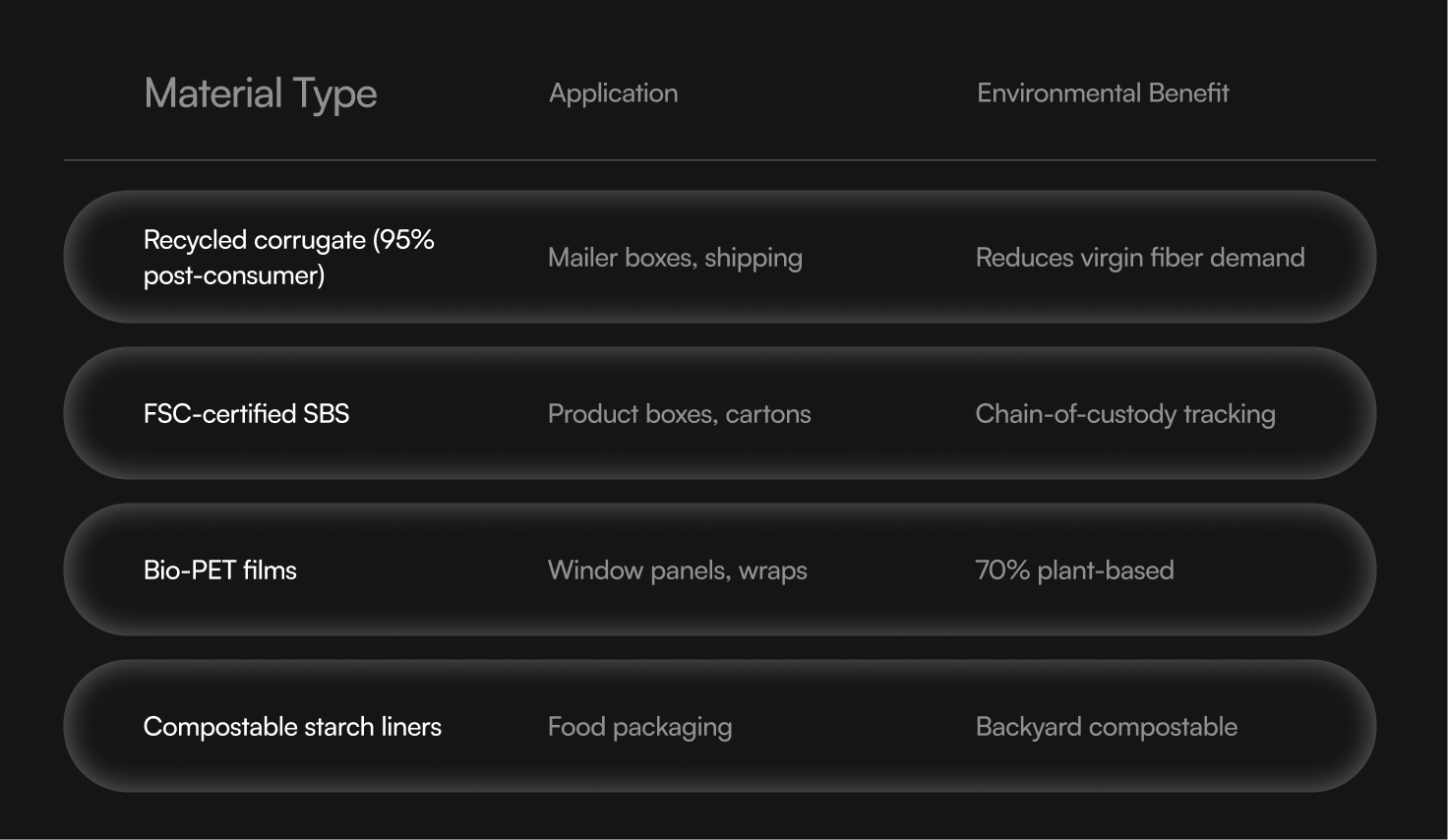
The global shift towards sustainability in packaging design is driven by increasing consumer demand for eco friendly products and practices. Even the traditional plastic bottle is being replaced with paper-based or bio-plastic alternatives across beverage and personal care categories.
Design Strategies for Reduced Impact
Material reduction techniques like ‘lightweighting’ and ‘right-sizing’ help minimize excess material and reduce carbon emissions during shipping. 3D scanning for right-sizing can cut package volume by 20-30%. Voidless designs with interlocking flaps eliminate plastic fillers entirely.
Eco-consciousness has shifted from a ‘niche’ value to a ‘luxury’ standard, focusing on circularity. This means designing for end-of-life from the beginning—choosing recyclable packaging that local facilities can actually process.
Multi-Purpose Packaging Examples
Design packaging that serves customers beyond initial purchase:
- Glass jars becoming vases (Estée Lauder approach)
- Sturdy boxes designed for decorative reuse as storage containers
- Refill systems where primary containers remain permanent
Communicating Sustainability On-Pack
Use How2Recycle icons (45% comprehension rate) and QR links to detailed lifecycle impact pages. Short claims like “100% recycled” or “home compostable” communicate clearly within limited space.
Sustainable packaging practices not only focus on the materials used but also on the entire lifecycle of the packaging, including its production, use, and disposal. Lifecycle analysis should guide every material decision.
How Custom Packaging Supports Brand & Product Lines

Brands managing multiple product lines—starter kits, refills, gift sets, seasonal items—need custom packaging systems that maintain coherence while differentiating individual offerings, just as clear branding campaign objectives keep your broader marketing aligned.
Visual Systems for Consistency
Packaging should maintain uniform colors, logos, and fonts across all products to speed up decision-making and build long-term trust, guided by clear visual brand guidelines. Create a visual system where:
- Logo placement follows golden ratio positioning consistently
- Color coding identifies flavors or variants (like Celsius energy drinks’ flavor rainbows)
- Shared illustration style or graphic language connects related products
Packaging design plays a crucial role in brand recognition, as it often features distinctive shapes and colors that help consumers remember the product. Packaging should reflect brand identity and personality, whether premium, playful, or minimalist, and many brands partner with full-service branding agencies to ensure that packaging and overall identity work together.
Differentiating Premium vs Entry-Level
Within a single brand, finishes communicate tier:
- Entry-level: Gloss laminate, standard corrugate
- Premium: Matte soft-touch, embossed logos, interior printing
- Limited editions: Foil stamping, unique structural elements
A well-designed package not only protects its contents but also attracts consumers’ attention and reflects the brand’s identity, making it easier to store and display the product.
Seasonal and Limited-Edition Packaging
Seasonal editions like holiday 2025 collector boxes can spike sales by 25%. Limited runs create urgency and collectability—customers purchase knowing the design won’t return. Plan seasonal refreshes 6-8 months ahead to meet production timelines.
Digital and Physical Alignment
Ensure physical packaging matches digital branding. Use 3D renders from tools like Substance Painter for website product pages, maintaining consistency between what customers see online and what arrives.
Brands are adopting augmented reality in packaging to create immersive experiences. Technology is transforming packaging into digital gateways aimed at engaging tech-savvy audiences. Smart packaging involves using QR codes and NFC tags to interact with consumers, revealing brand stories and tutorials.
Innovations in packaging design include creating empathetic, accessible designs for all users—considering how packaging opens for those with limited mobility or how labels read for those with visual impairments, and aligning physical touchpoints with emotionally resonant brand marketing campaigns that reinforce the same story across channels.
Creating a Packaging Style Guide
Document everything—logo placement rules, approved Pantone colors, minimum clear space requirements, approved materials, and sustainability standards. A style guide ensures future line extensions stay consistent and efficient to produce, slashing redesign costs by up to 40%. Robust brand guidelines that cover both visual and verbal elements keep your packaging aligned with every other brand touchpoint.
Frequently Asked Questions About Packaging Design
This section addresses common questions clients and newcomers ask about packaging projects. Consider these practical answers when planning your own work.
How long does it take to design packaging?
Timelines range widely based on complexity:
- Simple labels: 2 weeks from brief to print-ready files
- Standard product box: 4-6 weeks including prototyping
- Full packaging system (multiple SKUs, style guide): 8-12 weeks
Build in buffer time for stakeholder feedback rounds and prototype testing.
What files do printers need?
Most printers require:
- Dielines: PDF/X-1a format with precise fold and cut lines
- Vector artwork: CMYK color mode, 300dpi minimum for any raster elements
- Color profiles: ICC profiles matching their press specifications
- Pantone references: For spot colors requiring exact matching
Always request a pre-production meeting or template from your printer before finalizing designs.
What does packaging design cost in 2024-2026?
Expect these ranges (adjusted for recent inflation):
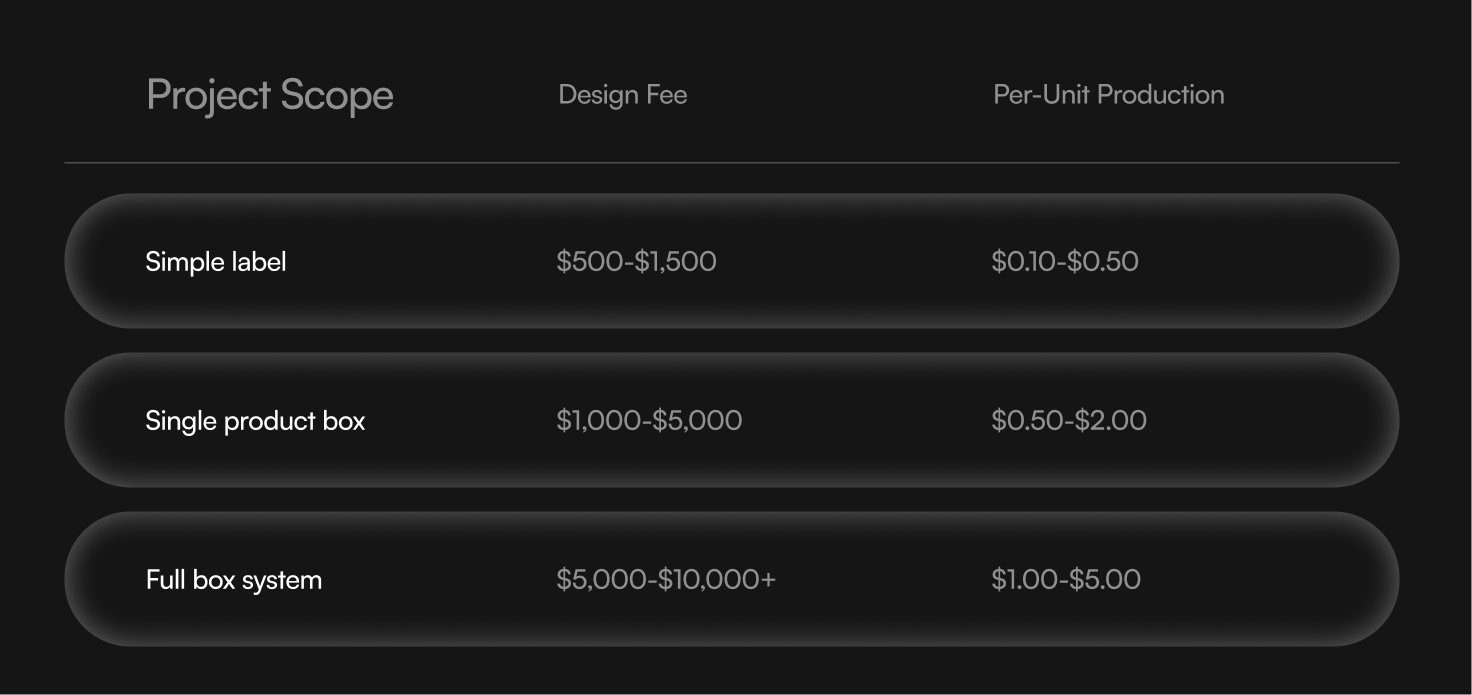
Production costs decrease significantly at higher volumes.
Can I start with small print runs?
Yes. Digital printing allows MOQs as low as 100 units, suitable for market testing before committing to offset runs (typically 1,000+ minimum). Digital printing costs more per unit but eliminates large upfront investments.
How can AI help my small team?
AI design tools accelerate concept generation 4x, letting small teams explore more directions before committing resources. Use AI for:
- Initial mockup generation from text prompts
- Rapid iteration on color schemes
- 3D visualization before physical prototypes
About 60% of AI outputs still need professional refinement for production readiness, but the time savings in early stages are substantial.
Getting Started with Your Next Packaging Project
Your next packaging project starts with understanding where you are today. Audit your current packaging—photograph each product, note what works, identify inconsistencies, and list customer complaints. This inventory becomes your starting point.
Choose one product line to refresh first. Maybe it’s your bestseller that deserves an upgrade, or a new launch where you can develop packaging from scratch without legacy constraints. Define your target customer for this specific line and create a simple brief covering audience, price point, channel, and timeline.
Before hiring designers or opening design software, gather 5-10 real-world samples that inspire you. Visit stores, order from competitors, collect examples that make you think “I want something like this.” This physical reference library guides conversations with designers and helps you articulate what you want.
As you plan production, explore AI-enhanced workflows for faster concept development and commit to sustainable materials where suitable for your product. The brands winning shelf space and screen time in 2026 are those investing in thoughtful, functional packaging that protects, attracts, and reflects their values. Start your project this month.

Quincy Samycia
Want to learn more about brand platform?