Process of Branding: From Traditional Frameworks to Branded Agency’s Golden Spiral™
07/27/2026
Branding
Learn the complete process of branding and discover how a strategic, repeatable framework helps businesses build stronger brands, increase customer trust, and accelerate sustainable growth.
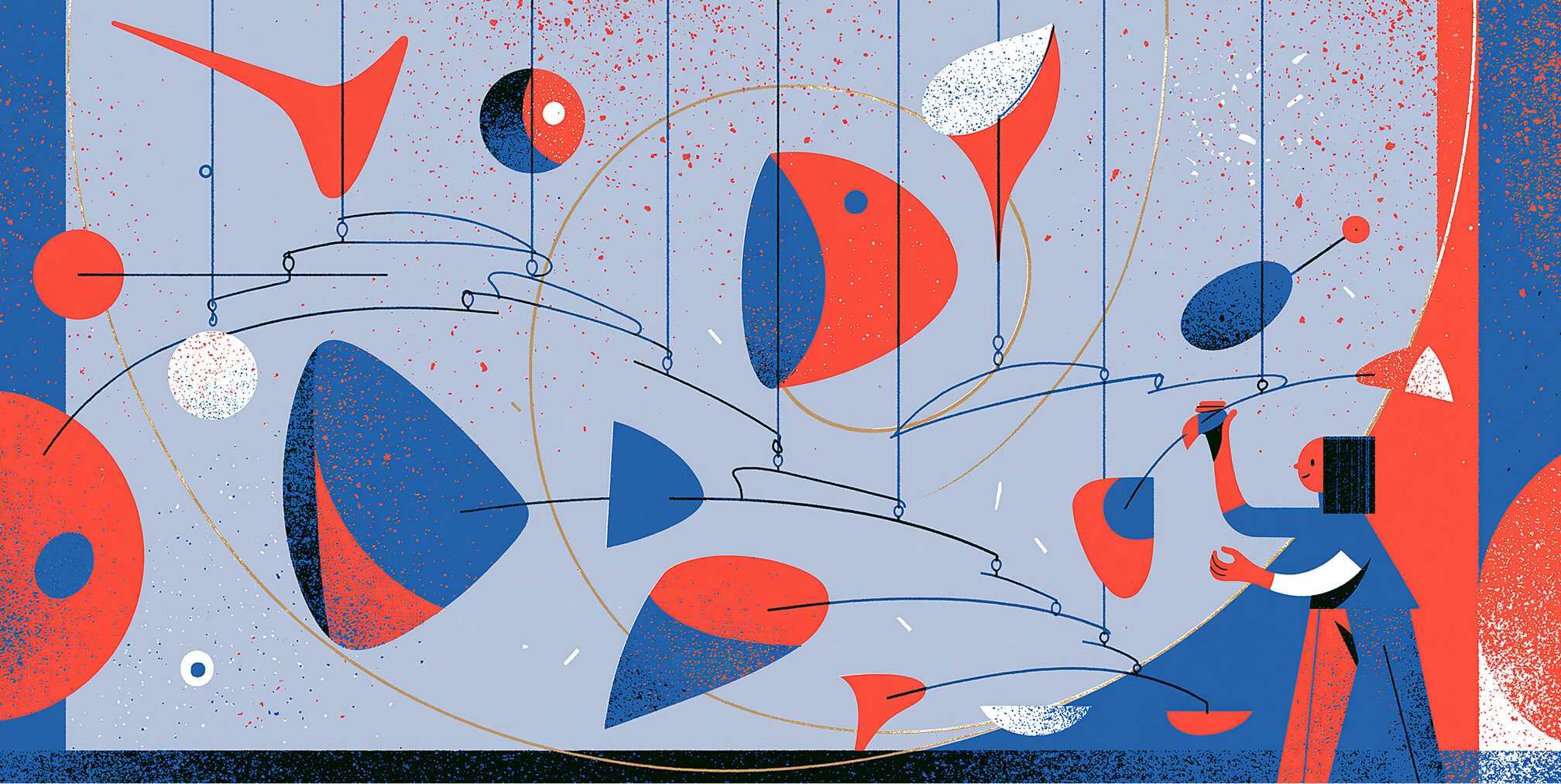
The branding process is a structured system for turning research, strategy, and creative direction into a clear identity that supports long-term growth. It moves beyond logo design to shape positioning, messaging, customer experience, marketing, and brand management across every touchpoint. When approached as an ongoing, iterative process rather than a one-time project, branding can strengthen recognition, improve marketing efficiency, lower acquisition costs, and build lasting customer loyalty.
.png)


How the Branding Process Builds Long-Term Business Value

Key Takeaways
- The process of branding is a structured system that moves from research and brand strategy to brand identity, launch, and ongoing brand building.
- The branding process includes six fundamental stages: research, strategy, identity, tools, launch, and management.
- Traditional models are usually linear: research → strategy → design → execution → monitoring.
- Branded Agency’s Golden Spiral™ is a living, iterative system that uses Brand-Backed Performance™ to unite strategy, creative, and performance marketing.
- Effective branding compounds over years and can create business success through lower acquisition costs, stronger recognition, and long-term brand loyalty.
Introduction: Why the Branding Process Matters for Business Success
A clear branding process turns scattered marketing into a coherent growth system. Since 2020, customers have become more fragmented, advertising has become more expensive, and every touchpoint now shapes trust. Branding is the strategic process of shaping public perception of a business, and branding is the process of creating a distinct identity and emotional connection for a product or company.
The process of branding is the repeatable sequence of actions that build brand strategy, brand identity, brand voice, and long-term brand equity. It is not just creating a logo. A logo should be simple scalable and memorable, but weak positioning can still sink a company. CB Insights’ startup failure research repeatedly shows that unclear differentiation and poor customer fit often appear before financial collapse.
For growth-focused companies, branding is a business development toolkit. It informs the business plan, product roadmap, marketing goals, sales enablement, customer experience, and even hiring. In this guide, we’ll explain the classic full brand process and show how Branded Agency evolves it through our Golden Spiral™ system.
Free Brand Health Audit
Make sure your brand is built to sell
Search has changed. Your customers aren't just Googling anymore. They're asking ChatGPT, Perplexity, Gemini and other AI platforms what to buy, who to trust and which brands they should consider.
If your brand isn't showing up clearly in those answers, you're already losing opportunities. Our free Brand Health Audit shows you where your brand stands across traditional search, AI search and brand positioning.

Sample brand audit
Live preview
Traditional search
72
AI search (GEO)
34
Brand positioning
58
What Is a Brand and What Is Brand Identity?
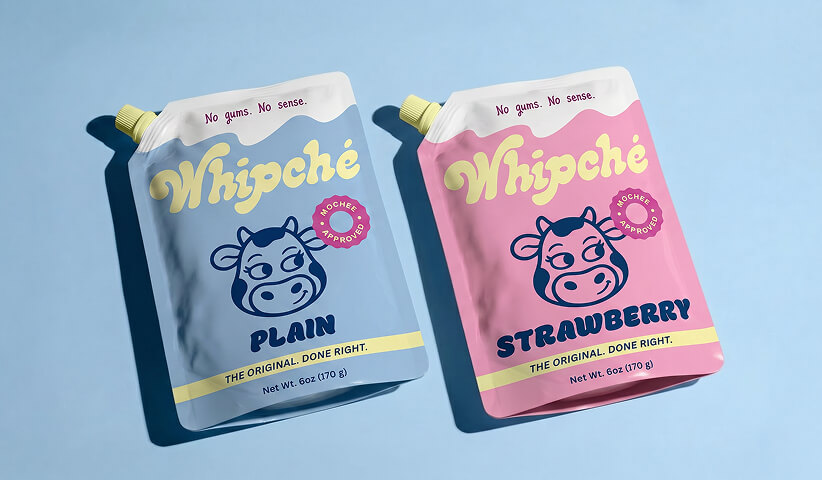
A brand is reputation plus visibility. It is what the market believes about a company after seeing its product, service, communication, culture, website, in store experience, support team, and social media platforms.
Brand identity is the tangible expression of that reputation. Brand identity encompasses elements like color palette and typography. Brand identity includes elements like logos and color palettes. Brand identity encompasses visual and verbal elements of a brand. Visual identity encompasses logo color palette typography imagery and packaging. Brand identity helps businesses stand out from competitors, and a strong brand identity helps differentiate a business from competitors.
Think about Patagonia: its brand works because the company’s environmental stance, product quality, and brand voice all reinforce the same promise. Or consider coca cola, where visible elements like the color scheme, script logo, packaging, and brand presentation trigger instant recognition.
Brand identity becomes the user interface of the strategy. It guides design decisions, copywriting, photography, sales decks, and customer interactions. Creating a strong brand identity requires research foundational planning and thoughtful design. A strong brand identity enhances overall brand awareness, and brand identity is crucial for building customer loyalty and trust.
Traditional Branding Process: The Classic 5–6 Stage Model
Most agencies and textbooks describe the branding process as a linear process with clear stages. The classic model usually includes research, strategy, identity and brand design, execution, and ongoing monitoring.
We respect this foundation. It gives teams a shared map, helps project management, and keeps stakeholders on the same page. But markets now move faster, so Branded Agency uses this base and evolves it into a more dynamic system.
Stage 1 – Brand Research and Context Analysis
Research is the crucial step that keeps a new brand from being built on assumptions. A successful brand is built around real-world data rather than assumptions.
Typical research includes:
- Market research helps identify target audience needs.
- Market research informs brand identity development.
- Effective branding requires understanding market trends.
- Competitor research is essential for effective market positioning.
- Understanding competitors helps refine brand strategy.
- Competitor analysis identifies market gaps by studying competitor strengths and weaknesses.
- Competitive analysis evaluates rival brands to uncover market strengths and opportunities.
- Audience feedback gathers customer insights to measure brand perception.
This stage uses customer interviews, 2024–2025 market reports, web analytics, social listening, client testimonials, and competitor audits. It also identifies “green space”: demand and narratives competitors have not fully claimed. Identifying differentiators can enhance brand visibility and reputation.
The output is a situation analysis: who the customers are, what competitors own, what the company can credibly claim, and where the target market is moving, along with clear opportunities for regular strategic brand audits to keep those insights current.
Stage 2 – Brand Strategy: Positioning, Purpose, and Architecture
Brand strategy is the backbone of business success. Brand strategy defines a company's direction and growth potential. A clear brand strategy enhances customer loyalty. Brand strategy is essential for navigating market fluctuations. Companies with a strong brand strategy outperform competitors by 20%, and a well-defined brand strategy can increase market share by 10%.
A powerful brand strategy balances internal purpose market awareness and external presentation. It includes:
- Brand purpose is the reason a business exists beyond making a profit.
- Brand purpose expresses the ultimate reason a business exists beyond making money.
- Brand purpose defines the mission vision and values of a business.
- A mission statement outlines what a business does to achieve its purpose, and effective brand mission statements give teams daily decision-making clarity.
- A vision statement defines the long-term goals and future impact of a brand.
- Core values establish the foundational principles that guide business decisions.
- Target audience definition involves deep demographic and psychographic tracking.
- Target audience definition includes understanding customer demographics and behaviors.
Brand positioning determines the unique selling proposition in the marketplace. Creating brand positioning takes between 2 and 8 months, depending on complexity, stakeholder alignment, and research depth. The goal is to answer: who do we serve, what problem do we solve, and why are we the best choice, using a clear brand positioning framework to align decisions.
This stage also covers brand architecture: whether the company uses a masterbrand, sub-brands, or product brands. A multi-product SaaS company launched between 2018–2024, for example, may need one masterbrand for trust and separate product brands for clarity.
The output is foundational strategy, positioning, brand values, a buyer persona, and an initial messaging platform.
Stage 3 – Brand Identity and Brand Design
This is where abstract concepts become concrete. Strategy turns into a new brand identity through visuals, language, and experience.
Core brand elements include:
- Logo design creates a versatile recognizable mark representing a brand's identity.
- A color palette includes a consistent set of colors based on psychological impact.
- Color palette evokes specific emotions and should be consistently used across all assets.
- Typography involves selecting fonts that reflect brand personality and ensure readability.
- Typography should reflect the brand’s tone and ensure readability.
- Imagery style defines the specific look of photos illustrations and icons used by a brand.
- A tagline is a short memorable phrase that captures a brand's essence.
Developing brand identity takes 2 to 8 months on average. Teams usually begin with a mood board, then explore concept routes, then refine through a few rounds of feedback. This stage also includes tagline options, elevator pitch, value propositions, and tone-of-voice pillars, all of which sit within a broader brand design and development process.
Brand voice is the tone of communication chosen for a brand. Brand voice and personality are the human traits assigned to business communications. Brand personality gives a business human traits that dictate interactions with customers. A distinctive personality helps different brands avoid sounding interchangeable.
The result is a cohesive brand identity: recognizable, flexible, and aligned with strategy.
Stage 4 – Brand Tools and Brand Style Guide
A brand is only useful if people can use it. This stage turns identity into daily tools for founders, marketers, sales teams, and partners.
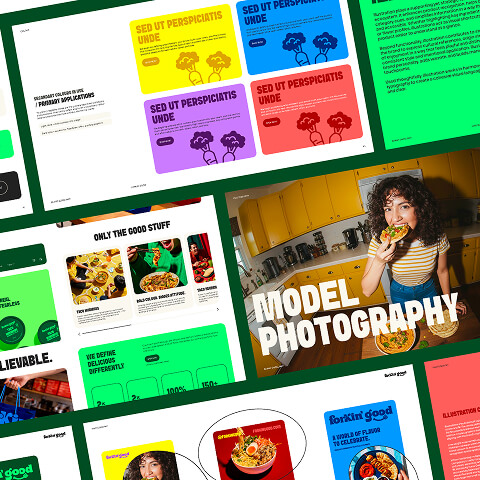
Brand guidelines detail rules for using logos fonts colors and tone. Brand guidelines are comprehensive style guides that maintain visual consistency. Modern style guides include logo usage, brand color palette, type hierarchy, photography direction, editorial rules, and brand voice examples.
Typical tools include:
- Pitch decks and one-pagers
- Social templates and ad templates
- Email signatures and CRM copy
- Website UI guidelines for the company’s own website
- A short video overview for internal training
- Brand style examples for do/don’t decisions
This business development toolkit protects consistency as more people create assets over time. Robust visual brand guidelines make consistency tracking and adherence to standards much easier across all channels.
Stage 5 – Brand Launch and Execution
Launch is where internal work meets the market. Internal launch trains employees to embody the brand and deliver on promises. External launch brings the new brand to customers through website updates, PR, paid media, email, events, and product announcements.
For 2024–2026, useful launch tactics include coordinated LinkedIn rollouts, staggered email campaigns, founder thought leadership, product-led announcements, and selective paid tests.
A touchpoint audit involves applying new visuals and messaging across customer interactions. Touchpoint integration ensures a seamless brand experience across customer channels. Clear KPIs matter here: awareness lift, engagement, qualified pipeline, conversion rate, and early sentiment.
Stage 6 – Brand Building and Ongoing Brand Management
Branding requires ongoing adjustments to meet market demands. This stage builds awareness, preference, and brand loyalty through content, customer experience, community, partnerships, product quality, and service, and data shows that strategic investment in branding compounds in measurable business value over time.
Companies with strong brands earn customer loyalty and trust. Brand awareness is crucial for customer loyalty because branding deeply shapes customer behaviour and long-term decision-making. Companies with strong brand awareness see increased customer retention. Effective brand awareness strategies include consistent messaging across channels. Brand awareness can be measured through customer recognition surveys.
Measurement includes brand tracking surveys, NPS, share of search, attribution models, sales feedback, and customer interviews. A 2024 review of brand equity models found that awareness, associations, loyalty, and perceived quality remain core dimensions across sectors.
The process loops back to research when the market shifts, a product line changes, or a merger creates new complexity.
Want to learn more about brand platforms, Brand Strategy and Brand Identity? Keep reading!
If you need help with your companies brand strategy and identity, contact us for a free custom quote.
Branded Agency’s Golden Spiral™: A Living System for Brand and Performance
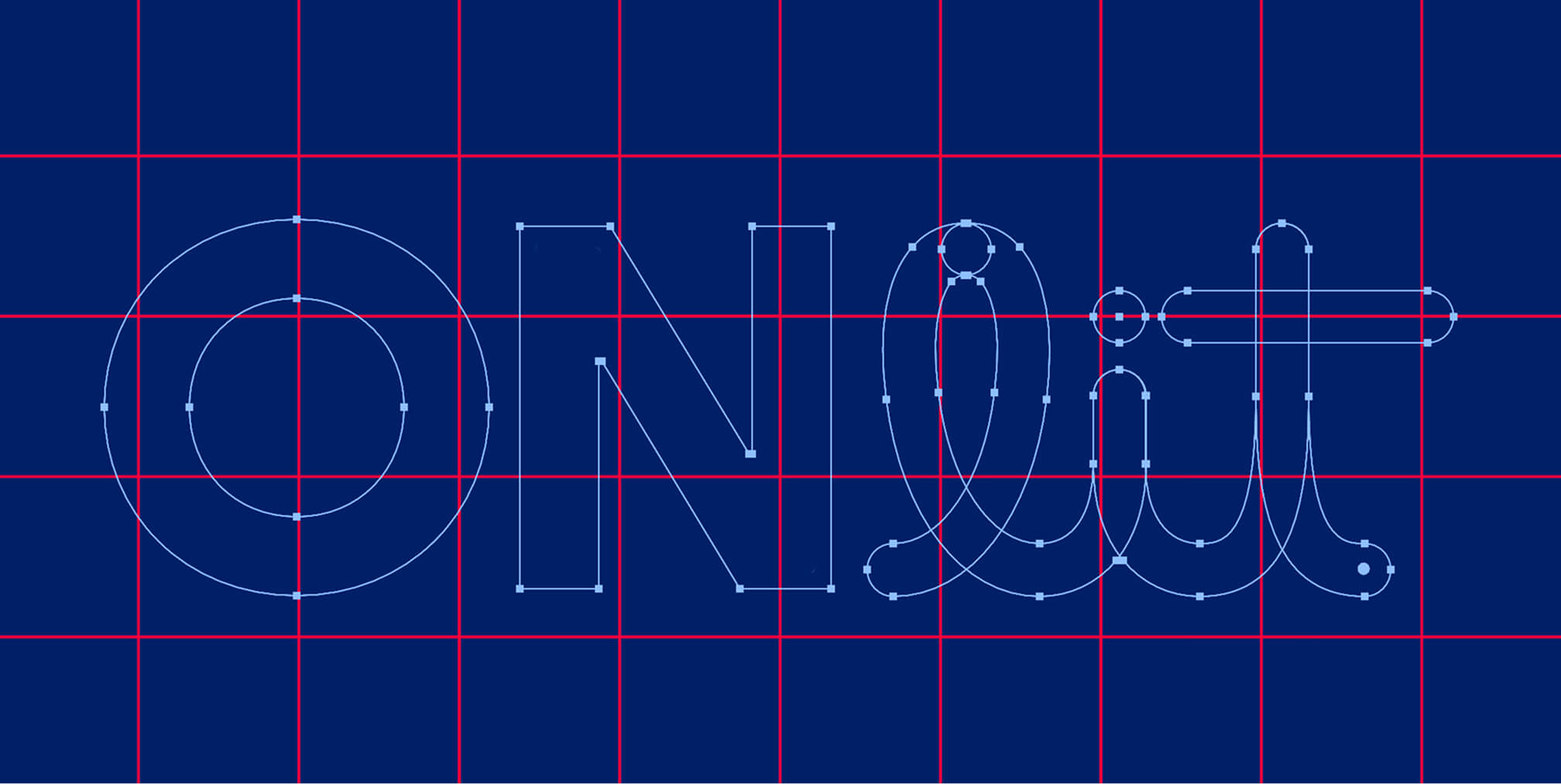
Branded Agency’s Golden Spiral™ is our integrated system for building a brand that grows in the real world. Inspired by natural growth patterns like the Fibonacci sequence, it treats brand as a living system rather than a static campaign.
Instead of stopping at a bold statement, we prove the brand’s truth across every touchpoint. We work across 20+ industries, using cross-sector pattern recognition to find green space that traditional linear approaches often miss.
Brand-Backed Performance™: Uniting Strategy, Creative, and Growth
Brand-Backed Performance™ is our operating model where brand strategists, creatives, and performance marketers work as one team. That means no beautiful brand work that fails to convert, and no hard-selling ads that damage long-term equity.
In practice, strategy sessions inform media plans, landing pages, ad creative, lifecycle flows, and CRM messaging. Campaigns become live tests of the brand, feeding data back into creative and strategy.
The outcomes we aim for include lower CAC, stronger recall, higher LTV, better conversion rates, and more efficient growth over 12–24 months.
From Linear Stages to a Golden Spiral™
Branding Process 1.0 completes each stage once. The Golden Spiral™ revisits research, strategy, expression, and proof at deeper levels as the company scales.
Each loop starts with insight: data plus human understanding. Then it moves through execution across brand and performance channels. Then it returns to measurement.
This is especially useful in fast-moving categories like AI, fintech, e-commerce, and healthcare, where customer expectations can shift in months, not years. The spiral helps a company adapt without losing its core brand identity and style.
Finding and Owning “Green Space” in the Market
Green space is the territory where demand exists but competitors have not fully claimed the narrative. It is not just a blank market; it is an underused opportunity for relevance.
For example, a feature-driven B2B platform might be stuck saying the same things as every competitor. A bit deeper research may reveal that customers actually want confidence, operational calm, and faster decision-making. That insight can reposition the company from “software with features” to “the operating system for confident teams.”
That secret sauce then shapes strategy, messaging, brand design, media, and sales enablement in one direction.
Proving Brand Truth Across Every Touchpoint
Brand truth is the intersection of what a company promises and what customers actually experience. A unique brand story can connect with customers on a personal level. A brand story is a narrative that builds emotional familiarity with customers.
Golden Spiral™ turns ads, landing pages, onboarding, product UX, support scripts, and sales conversations into proof points. We measure clicks and conversions, but also message resonance, sentiment, objections, and narrative adoption.
This protects the brand from empty slogans and generic positioning.
Step-by-Step: Building a Brand with Branded Agency
Our practical engagement flow adapts the traditional process into a working system. For many companies, core brand strategy and identity take 8–16 weeks. Full integrated performance rollout can take several more months.
Discovery and Diagnosis
We start with stakeholder interviews, audits, brand perception review, performance data, competitor research, and market analysis. This often reveals gaps between what leaders believe and what customers see.
We also clarify the core objective: fundraising in 2026, entering a new market, launching a product, improving retention, or repositioning a new business. The output is a diagnosis report and workshop with hypotheses about positioning and growth levers.
Brand Strategy and Narrative Platform
Next, we turn insight into an effective strategy: purpose, audiences, positioning, narrative pillars, proof points, and objection handling, building on a complete brand strategy framework that connects these pieces.
Branding strategy bridges the gap between a business and its customers. The narrative platform includes the core story, brand promise, product truth, customer truth, and practical messaging for sales, marketing, and product, forming the backbone of a scalable brand communication strategy.
We also define voice attributes like bold, empathetic, premium, plainspoken, or data-backed, then show how those traits appear in headlines, decks, emails, and microcopy, documenting them in practical brand voice guidelines.
Brand Identity, Design System, and Brand Style Guide
We translate the narrative into a flexible visual identity: logo suite, brand color palette, typography, iconography, imagery, layout principles, and visual brand guidelines with brand presentation examples.
We prototype important touchpoints early, such as homepage layouts, ad concepts, email templates, and pitch pages. This makes sure the identity works beyond a presentation deck.
Client collaboration is built in, with a few rounds of feedback to secure alignment before launch.
Integrated Launch and Performance Rollout
Launch connects brand and performance. We update the website, test acquisition campaigns, prepare PR, align lifecycle messaging, and choose channels based on where the target audience actually spends time.
For B2B, that may mean LinkedIn and thought leadership. For DTC, that may mean Instagram, TikTok, paid social, influencers, and retail activation.
Analytics are set up from day one so brand and performance metrics can be reviewed side by side. Launch is the first loop of the Golden Spiral™, not the end of the project.
Optimization, Iteration, and Long-Term Brand Building
After launch, we test creative, messaging, targeting, channels, offers, and landing pages. Insights from performance flow back into the brand narrative and style guides.
Quarterly or biannual reviews combine customer feedback, sales input, surveys, campaign data, and market signals. Over time, the brand becomes more meaningful while performance becomes more efficient.
Brand Voice, Consistency, and Brand Loyalty
A strong brand voice makes a company recognizable across ads, website copy, social posts, sales calls, and support channels. The voice should match the company’s brand personality and the customer’s expectations, guided by clear brand tone guidelines.
Consistency matters because repeated recognition builds trust. Consistent branding across channels increases customer recognition. Strong brands use consistent messaging, visuals, values, and customer experience without becoming rigid.
Loyalty comes from more than awareness. It comes from reliable products, transparent communication, clear values, customer community, and experiences that match the promise. Golden Spiral™ keeps voice and identity aligned with evolving customer expectations instead of freezing them in an old PDF.
How Long the Branding Process Takes and When to Invest Fully
A lean brand foundation can take 8–16 weeks. More complex work can take longer. Creating brand positioning takes between 2 and 8 months, and developing brand identity takes 2 to 8 months on average for companies with multiple teams, markets, or regulatory constraints.
Timing depends on company size, decision-maker availability, product complexity, legacy equity, research needs, and approval speed.
Invest in a full brand process when you are merging, entering new markets in 2025–2026, preparing for funding, launching a major product, repositioning a category, or fixing fragmented growth. A light refresh may be enough if the strategy is sound and only the brand color palette, typography, or logo needs refinement.
Do not rush the initial phases. Weak research and fuzzy strategy create expensive rework later.
FAQ
Is the branding process different for startups versus established companies?
The core stages are similar: research, strategy, identity, launch, and brand building. Startups usually move faster, accept more assumptions, and need sharp positioning quickly.
Established companies must protect existing brand equity, internal culture, customer expectations, and complex architecture. Branded Agency adjusts the Golden Spiral™ cadence based on maturity and risk.
How does branding connect to short-term performance metrics like ROAS or pipeline?
Strong positioning and identity improve credibility, recall, click-through rates, conversion rates, and retention. Brand-Backed Performance™ connects brand work to ROAS, CAC, qualified pipeline, and lifetime value.
Some effects take years, but campaign-level improvements can show up within weeks or months.
Do I need a full rebrand if I only dislike my logo or color palette?
Not always. A visual frustration may only require a focused identity update.
Before changing visuals, confirm whether the positioning, audience, messaging, and business strategy still fit the company’s goals. Changing visuals without strategy can confuse customers and dilute equity.
How often should a brand evolve its strategy or identity?
Review strategy at least annually. Revisit it sooner if regulations, technology, competitors, customer behavior, or product direction change.
Identity usually needs subtle evolution every few years, not constant reinvention. The Golden Spiral™ helps surface when change is truly needed.
Can I apply parts of this process in-house without hiring an agency?
Yes. Teams can begin with interviews, competitive research, a simple positioning statement, and basic style rules.
Agency support becomes more valuable when multiple products, markets, teams, and performance channels are involved. If you want brand and growth to move together, Branded Agency can help turn the process of branding into a system that compounds.

Quincy Samycia
As entrepreneurs, they’ve built and scaled their own ventures from zero to millions. They’ve been in the trenches, navigating the chaos of high-growth phases, making the hard calls, and learning firsthand what actually moves the needle. That’s what makes us different—we don’t just “consult,” we know what it takes because we’ve done it ourselves.
Want to learn more about brand platform?
If you need help with your companies brand strategy and identity, contact us for a free custom quote.
We do great work. And get great results.
+2.3xIncrease in revenue YoY
+126%Increase in repurchase rate YoY



+93%Revenue growth in first 90 days
+144% Increase in attributed revenue




+91%Increase in conversion rate
+46%Increase in AOV

+200%Increase in conversion rate
+688%Increase in attributed revenue