What Separates a Shopify Store From a Shopify Brand

01/22/2026

E-Commerce

Most Shopify stores sell products, but only brands build trust, loyalty, and long-term growth—this is what separates transactional storefronts from category-defining brands.

Abstract illustration showing two parallel retail experiences—one transactional and one brand-driven—symbolizing the difference between a Shopify store and a Shopify brand.

Anyone can launch a Shopify store. But very few build a brand. A store sells a product and hopes customers convert. A brand captures attention, builds desire, creates emotional loyalty, and returns compound value over time.

What Separates a Shopify Store From a Shopify Brand
Quincy Samycia
Play IconPause Icon
0:00
0:00
https://cdn.prod.website-files.com/673ec61d219571e72b3eba03/695826e75303071a38247462_333_What%20Separates%20a%20Shopify%20Store%20From%20a%20Shopify%20Brand.mp3

The Shopify Landscape Has Millions of Stores, But Few Real Brands

Stylized illustration of a cash register and a bicycle with baskets, representing functional commerce versus lifestyle-driven brand experience.
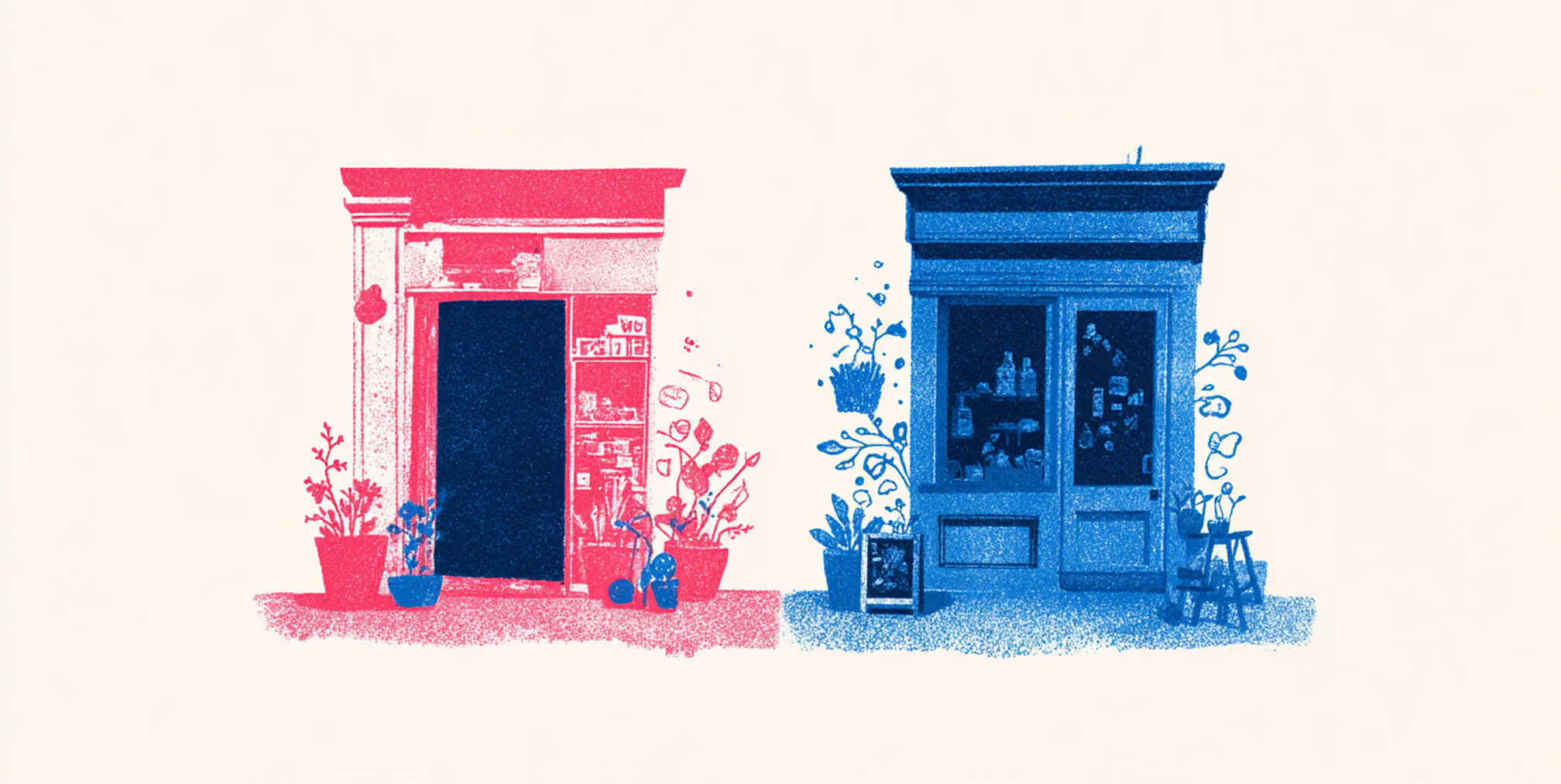
Abstract storefronts in contrasting colors, illustrating the difference between a generic online store and a curated brand identity.
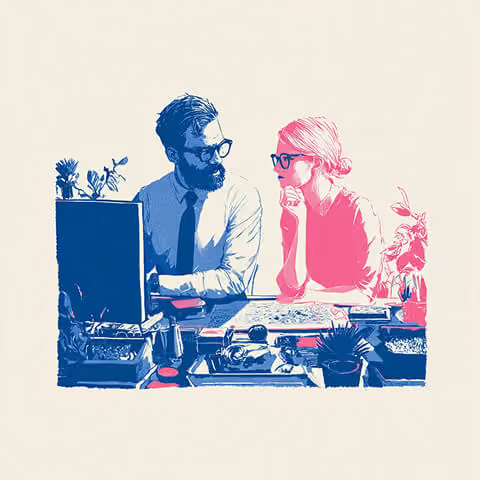
Illustration of two professionals collaborating at a desk, symbolizing strategic brand thinking beyond basic e-commerce setup.
No items found.

In 2026, Shopify has empowered more entrepreneurs than any platform in history. But the marketplace is crowded, and the winners aren’t the ones with the lowest price, the most products, or the trendiest theme.

The winners are the ones who build brands.

The Difference Between Selling and Belonging

Stores Sell Products, Brands Sell Identity

A store says: Here’s what we sell.
A brand says: Here’s who we are. Here’s why it matters. Join us.

Why Emotional Resonance Is Now a Growth Lever

The modern consumer buys based on:

  • alignment with values
  • aesthetic appeal
  • community affiliation
  • trust and transparency

A store gives you a transaction.A brand gives you connection.

Shopify’s Infrastructure Gives You a Store, Branding Gives You Meaning

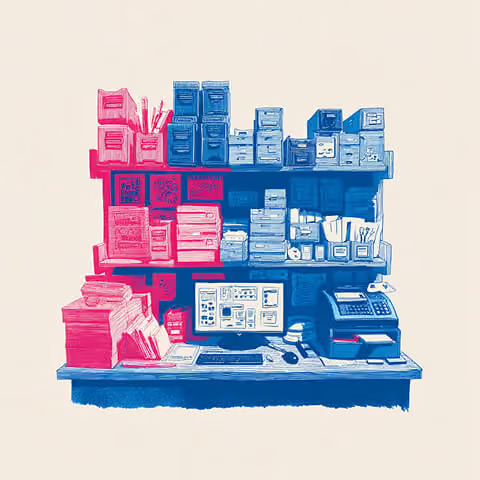
Organized shelves, tools, and packaging elements representing structured systems and operational consistency in branded Shopify businesses.
Close-up abstract controls and interface elements, symbolizing user experience, design systems, and intentional interaction design.
Stacked boxes and packaged goods, representing scalable operations and brand-ready fulfillment.
Workspace illustration combining production equipment and digital tools, symbolizing the integration of operations, design, and technology.

Theme Architecture and Design Systems

Shopify’s theme editor can create a layout.
But only design systems, reusable components, spacing rules, typography guidelines, create a brand experience that scales.

Content Structure and Story Hierarchy

Brands understand the importance of:

  • a compelling hero section
  • clear value props
  • intentional social proof
  • emotional product storytelling

Stores often just place content where the theme suggests.

Product Presentation as a Brand-Building Tool

Photos, descriptions, comparisons, UGC, and education all shape identity.
On a brand-driven Shopify storefront, the product page is narrative, not just information.

The Three Pillars That Turn a Shopify Store Into a Brand

Pillar 1: Visual Consistency (Design That Builds Trust)

Your brand should feel instantly recognizable.
Consistency in color, spacing, typography, and imagery tells customers:
“This business is professional. I can trust them.”

Pillar 2: Experience Consistency (The Journey Feels Connected)

From homepage to checkout, the experience should feel seamless:

  • aligned layouts
  • predictable interaction patterns
  • consistent messaging
  • cohesive user flow

Customers notice when pages feel mismatched or chaotic.

Pillar 3: Messaging Consistency (Your Story Feels Cohesive)

A great brand’s messaging stays consistent across:

  • product copy
  • emails
  • ads
  • onsite headlines
  • packaging
  • support communication

A store changes tone based on convenience.A brand stays on message.

Want to learn more about Website Design, Development and E-commerce? Keep reading!

If you need help with your company’s website and development, contact us for a free custom quote.

Design Differences Between a Store and a Brand

Crowd of shoppers moving through a shared space, representing customer journeys, community, and brand perception.

How Storefronts Use Templates vs. How Brands Use Systems

A store says: “This looks nice.”
A brand says: “This expresses who we are.”

Micro-Interactions That Shape Perception

Little animations, hover states, transitions, they all make the brand feel alive, intentional, and premium.

Visual Hierarchy That Guides Emotion

A brand knows how customers should feel at each moment, and designs accordingly.

Experience Differences Between a Store and a Brand

Navigation & Architecture That Feel “Effortless”

Brands reduce friction.
Stores overwhelm.

Packaging, Unboxing & Post-Purchase as Brand Touchpoints

A brand sees the post-purchase experience as part of the story, not an afterthought.

Support, Returns & Retention That Build Loyalty

The brand experience extends beyond Shopify, into every communication channel.

Why Brand Consistency Directly Impacts Conversion & LTV

Predictability Builds Trust

The more consistent the brand, the more reliable it feels.

Trust Increases Conversion

Customers buy when they feel safe.

Strong Identity Increases Repeat Purchases

Retention rises when the brand feels differentiated, memorable, and aligned with customer values.

Mistakes That Keep Stores From Becoming Brands

Inconsistent Typography, Color, and Spacing

This creates visual noise, and damages trust.

Copy That Doesn’t Reflect the Brand’s Personality

If your voice is inconsistent, your message becomes forgettable.

Overuse of Apps That Break Design Flow

Apps often inject clashing UX patterns, hurting the brand experience.

FAQs About Shopify Stores vs. Shopify Brands

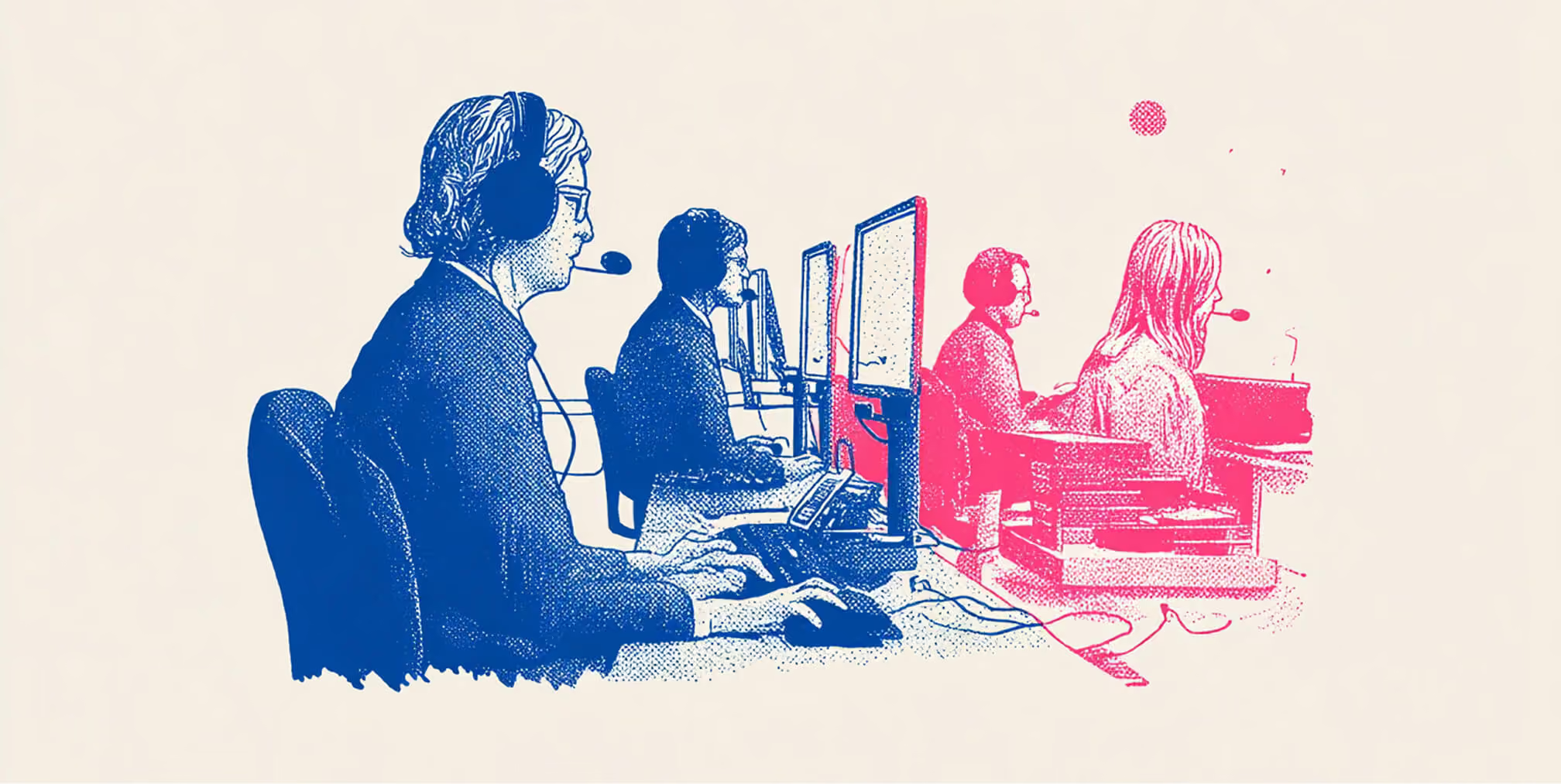
Illustration of customer support representatives at workstations, symbolizing brand trust, service experience, and long-term customer relationships.

1. What is the biggest difference between a Shopify store and a Shopify brand?

A store focuses on selling products. A brand focuses on building identity, trust, and emotional connection through consistent design, messaging, and experience.

2. Can a small Shopify store still build a strong brand?

Yes. Branding is not about size or budget. It starts with clarity, consistent messaging, and intentional design choices, even for early-stage stores.

3. Does branding really impact conversion rates on Shopify?

Absolutely. Strong branding improves trust, reduces hesitation, and helps customers feel confident in their decision, which directly increases conversion.

4. Why do so many Shopify stores struggle to feel memorable?

Most rely on templates, generic copy, and scattered design choices. Without a clear narrative and consistent system, nothing sticks emotionally.

5. How do design systems help turn a store into a brand?

Design systems create consistency across typography, spacing, layouts, and components. This consistency makes the experience feel professional, intentional, and trustworthy.

6. Is storytelling more important than product features?

Features explain what a product does. Storytelling explains why it matters. Customers often buy based on meaning first, then justify with features.

7. How does brand consistency affect retention and lifetime value?

When customers feel aligned with a brand’s identity and values, they are more likely to return, recommend it, and stay loyal beyond a single purchase.

8. Can apps and plugins hurt brand experience on Shopify?

Yes. Overusing apps can introduce inconsistent UI patterns, slow performance, and visual clutter, all of which weaken brand perception if not carefully managed.

A Store Is Built, A Brand Is Designed, Lived, and Repeated

Anyone can build a Shopify store. But creating a brand requires intention, consistency, and disciplined storytelling.

Shopify gives you the infrastructure. Your brand gives you the edge. When the two work together, your store becomes more than a sales channel, it becomes a world customers want to return to.

If you’re ready to transform your Shopify presence into a true brand experience, The Branded Agency can help. To get started, simply contact us, and we’ll build the identity and experience your brand deserves.

An image of the author Quincy Samyica

Quincy Samycia

As entrepreneurs, they’ve built and scaled their own ventures from zero to millions. They’ve been in the trenches, navigating the chaos of high-growth phases, making the hard calls, and learning firsthand what actually moves the needle. That’s what makes us different—we don’t just “consult,” we know what it takes because we’ve done it ourselves.

Want to learn more about brand platform?

If you need help with your companies brand strategy and identity, contact us for a free custom quote.

We do great work. And get great results.

DrTung’s
Breathed new life into a storied oral care brand with a smarter site and marketing for scalable growth.

+2.3x
Increase in revenue YoY

+126%
Increase in repurchase rate YoY

READ MORE
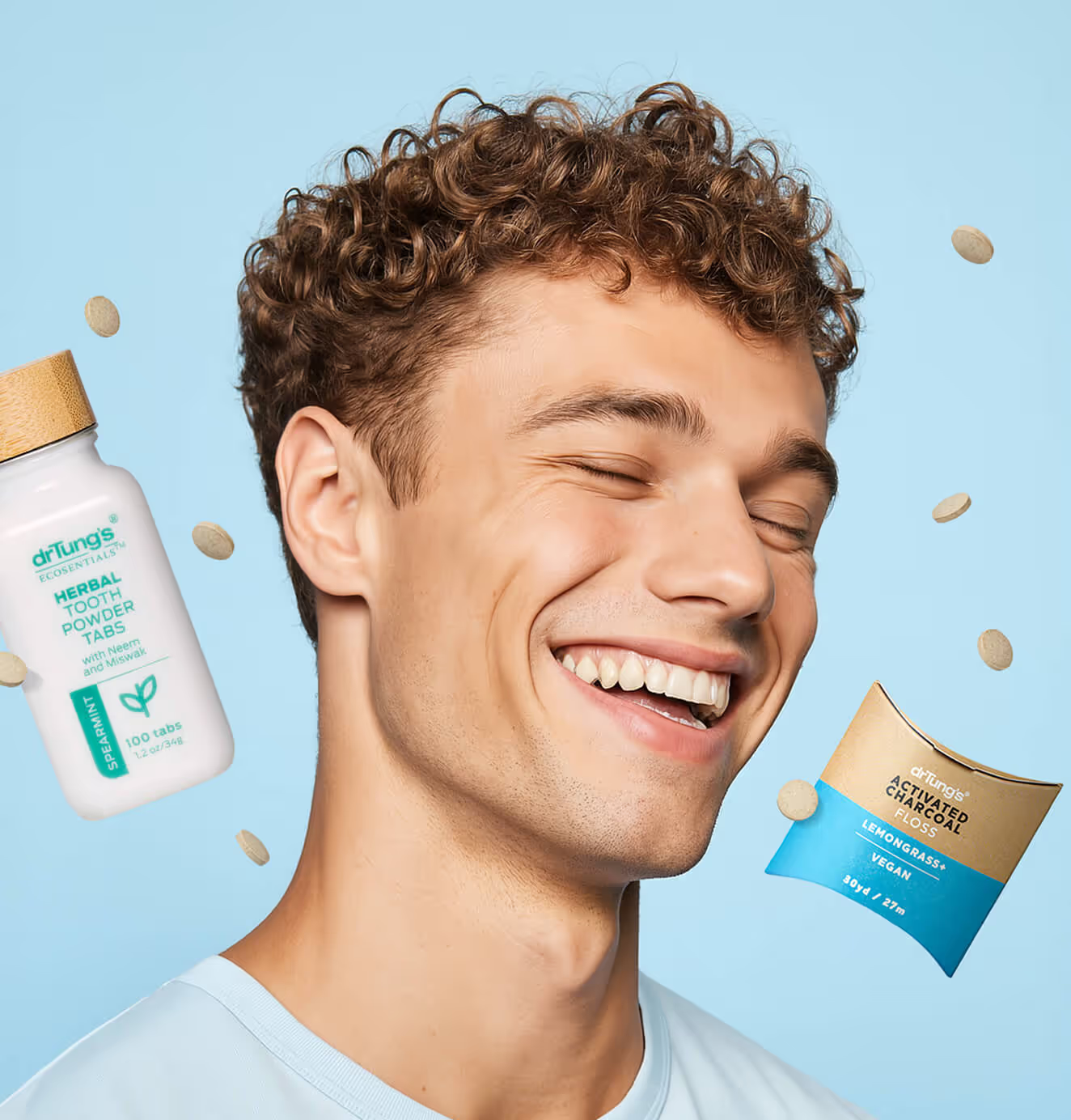
DrTung’s oral care product image with a smiling man, tooth powder tabs, and activated charcoal floss.
Smartphone on a textured blue surface displaying a DrTung’s ad with the text “Make the Switch” and an image of a woman holding herbal tooth powder tabs.
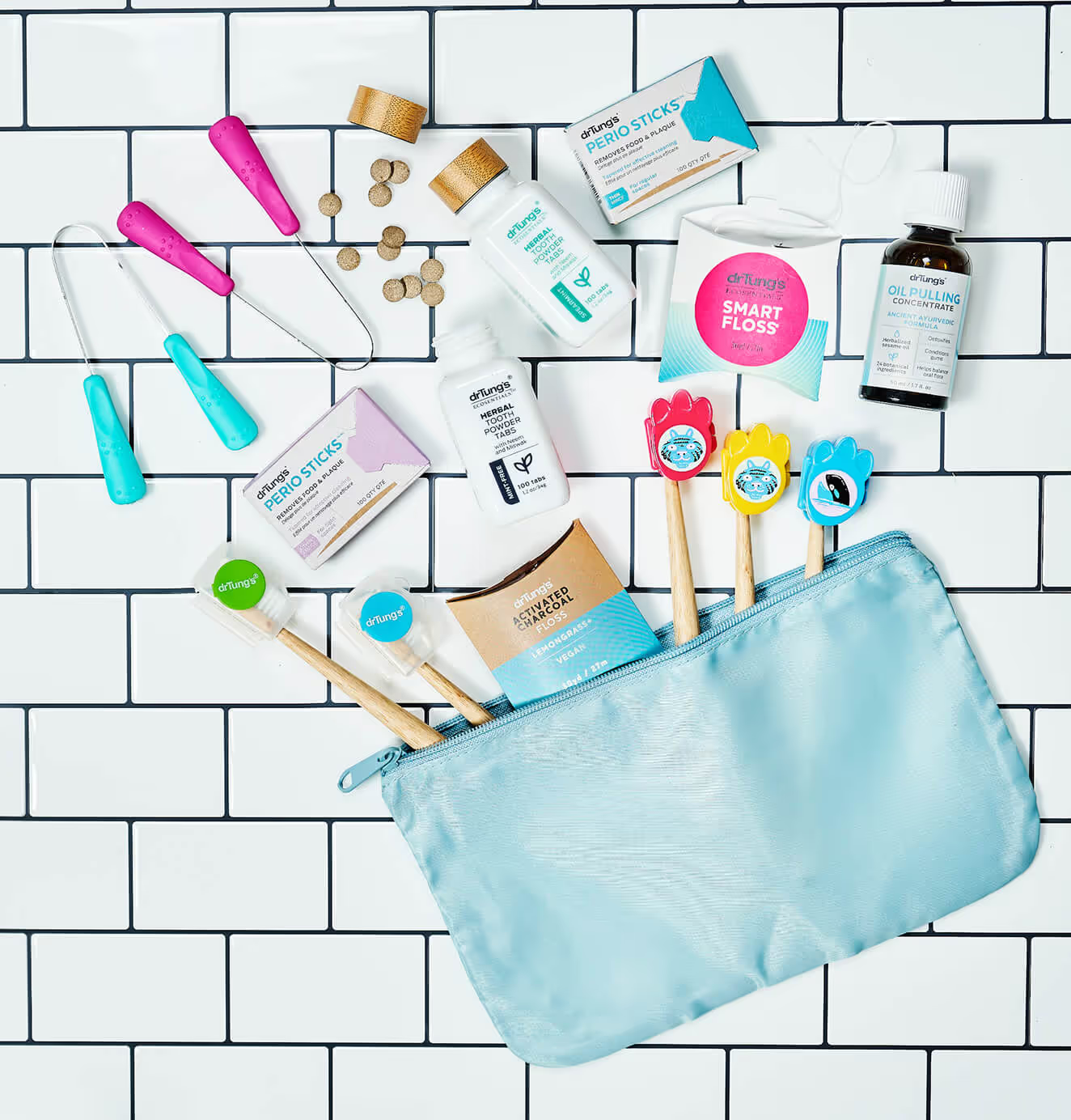
Flat lay of DrTung’s oral care products, arranged with a blue pouch on white tile.
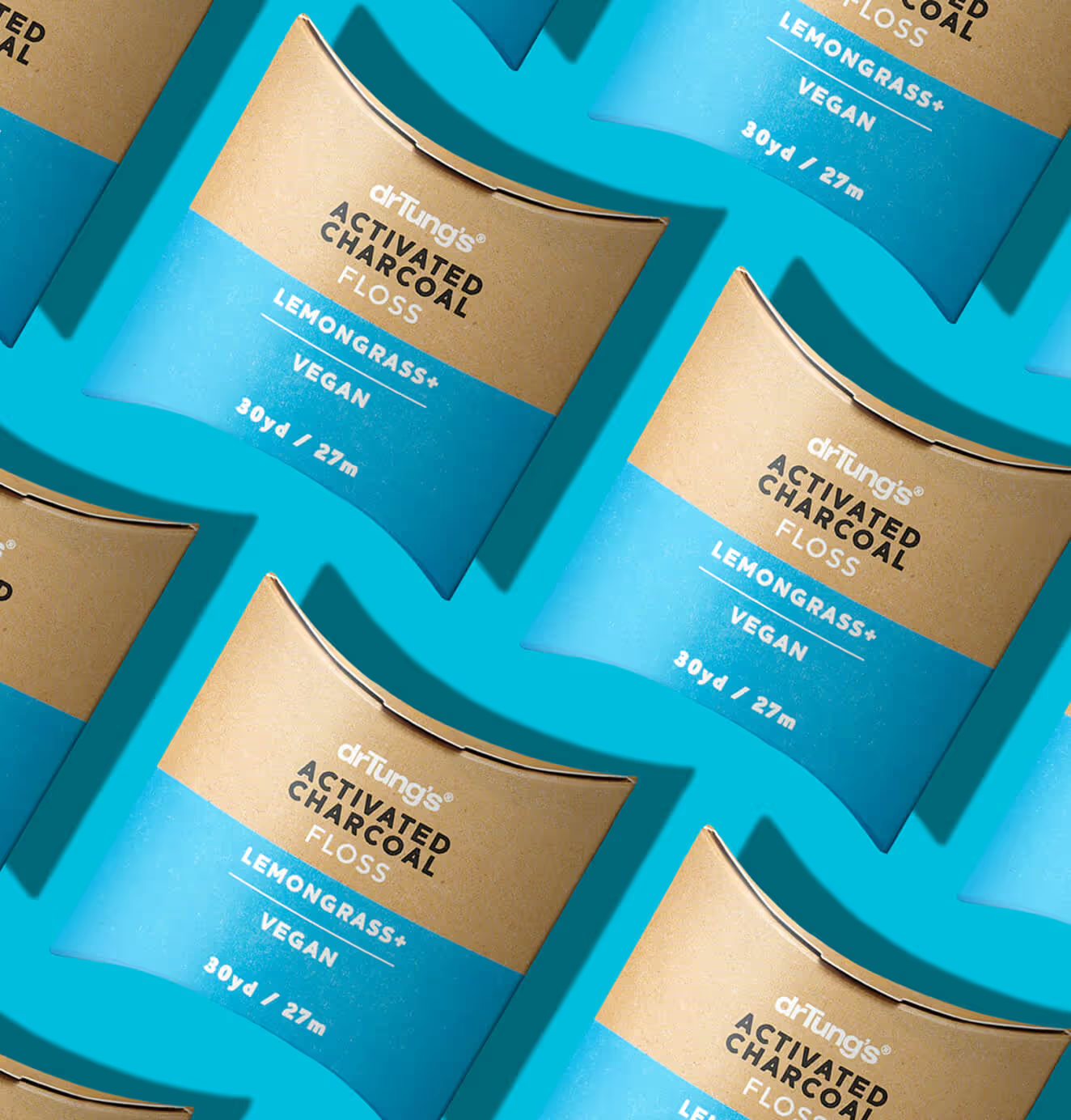
DrTung’s Activated Charcoal Floss packaging arranged in a repeating pattern on a bright blue background.
DrTung’s oral care product image with a smiling man, tooth powder tabs, and activated charcoal floss.
Smartphone on a textured blue surface displaying a DrTung’s ad with the text “Make the Switch” and an image of a woman holding herbal tooth powder tabs.
Flat lay of DrTung’s oral care products, arranged with a blue pouch on white tile.
DrTung’s Activated Charcoal Floss packaging arranged in a repeating pattern on a bright blue background.
Mary Louise Cosmetics
Scaled a heritage-inspired clean beauty brand with modern performance marketing and farm-to-face storytelling.

+93%
Revenue growth in first 90 days

+144%
Increase in attributed revenue

READ MORE
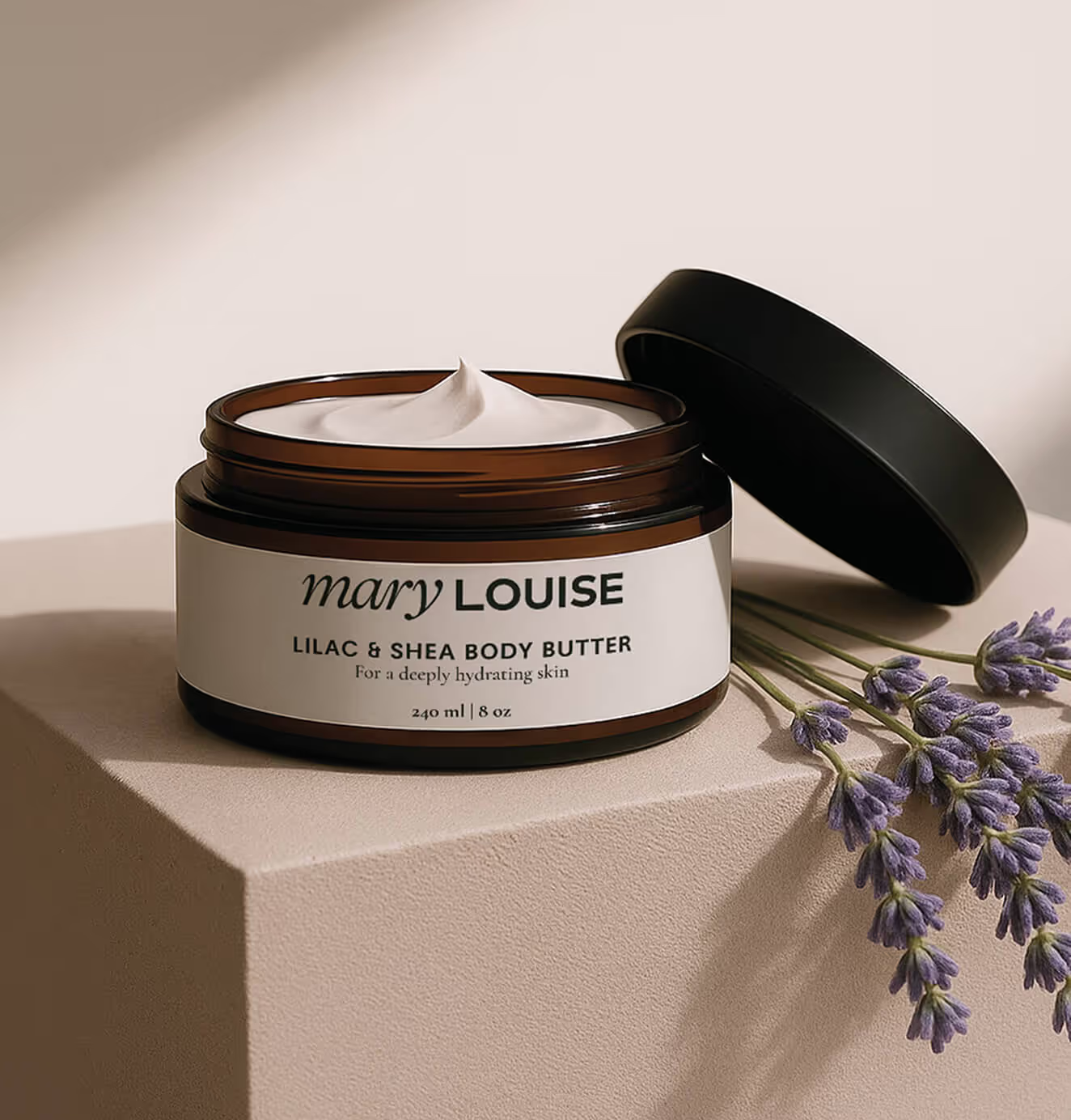
Mary Louise Lilac & Shea Body Butter jar with creamy texture and lavender sprigs on a beige surface.
A Mary Louise Miracle Serum bottle with a dropper cap, lying on a bed of small yellow flowers.
Mary Louise body butter promotional print materials with product photography and skincare application imagery.
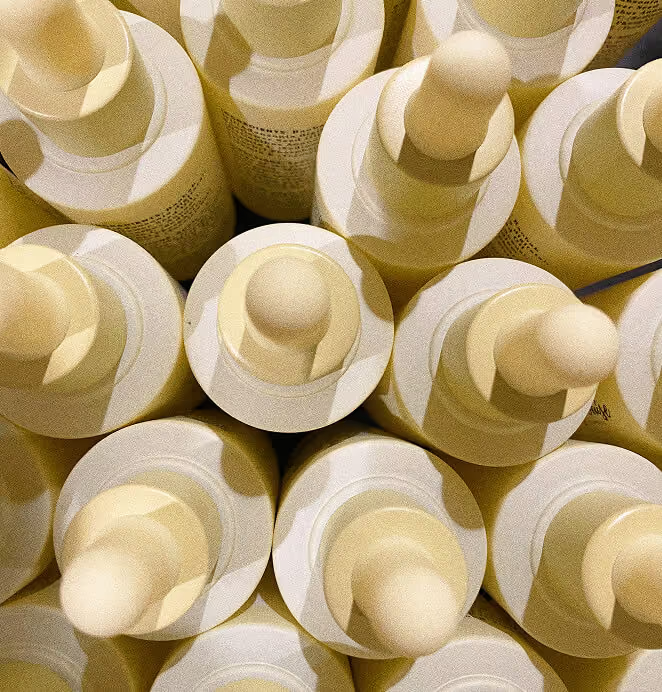
Mary Louise Miracle Serum bottles arranged in a close-up pattern with pale yellow dropper caps.
Mary Louise Lilac & Shea Body Butter jar with creamy texture and lavender sprigs on a beige surface.
A Mary Louise Miracle Serum bottle with a dropper cap, lying on a bed of small yellow flowers.
Mary Louise body butter promotional print materials with product photography and skincare application imagery.
Mary Louise Miracle Serum bottles arranged in a close-up pattern with pale yellow dropper caps.
Eyecart
Made eye care feel modern, then marketed it like a DTC darling—with the results to match.

+91%
Increase in conversion rate

+46%
Increase in AOV

READ MORE
Eyecart optical care campaign image with a smiling woman holding a branded magnifying lens over one eye.
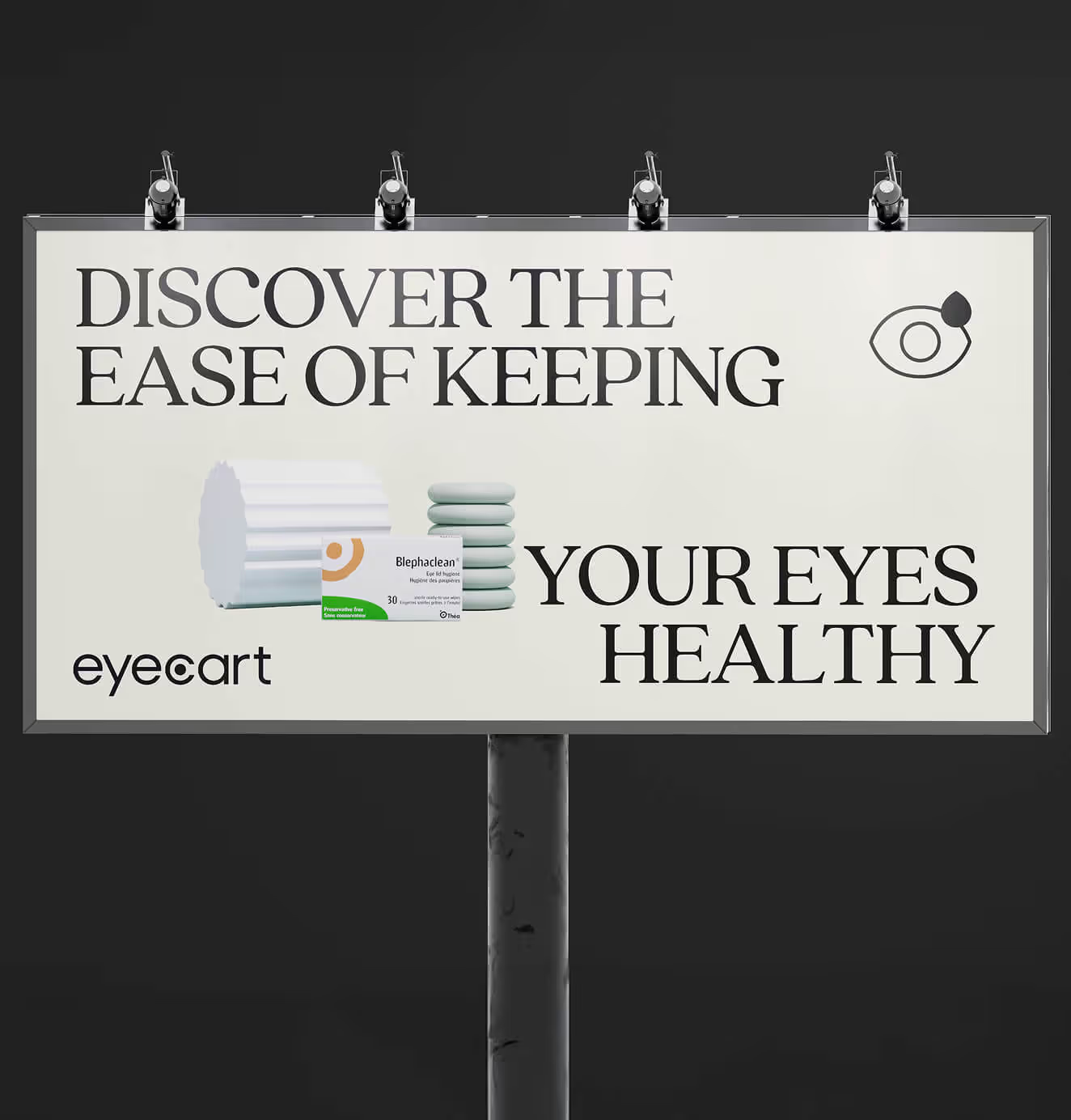
Eyecart billboard campaign featuring Blephaclean eye care wipes and healthy eye care messaging.
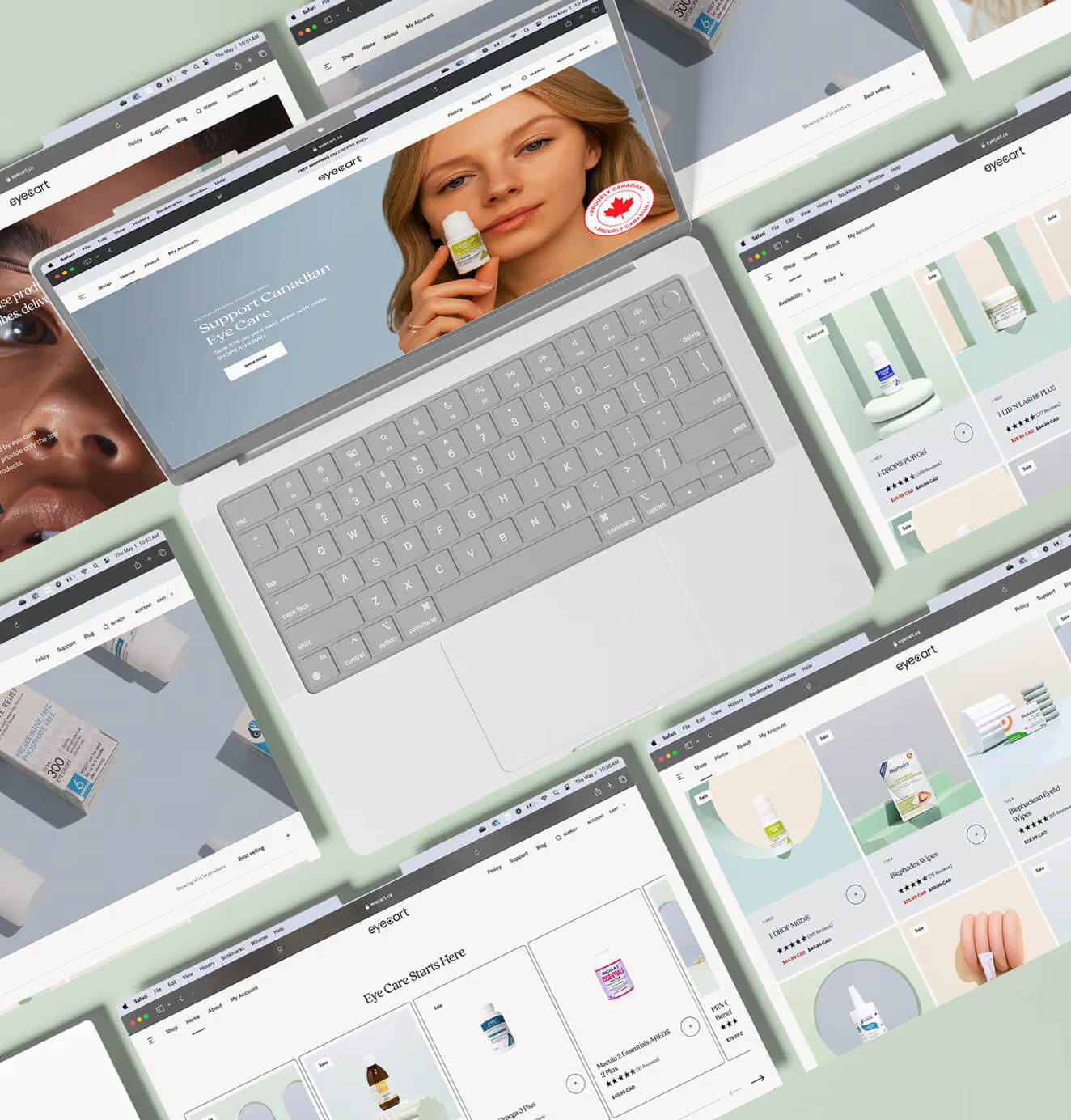
Multiple laptop screens display the Eyecart website, showcasing product pages and banners promoting eye care items.
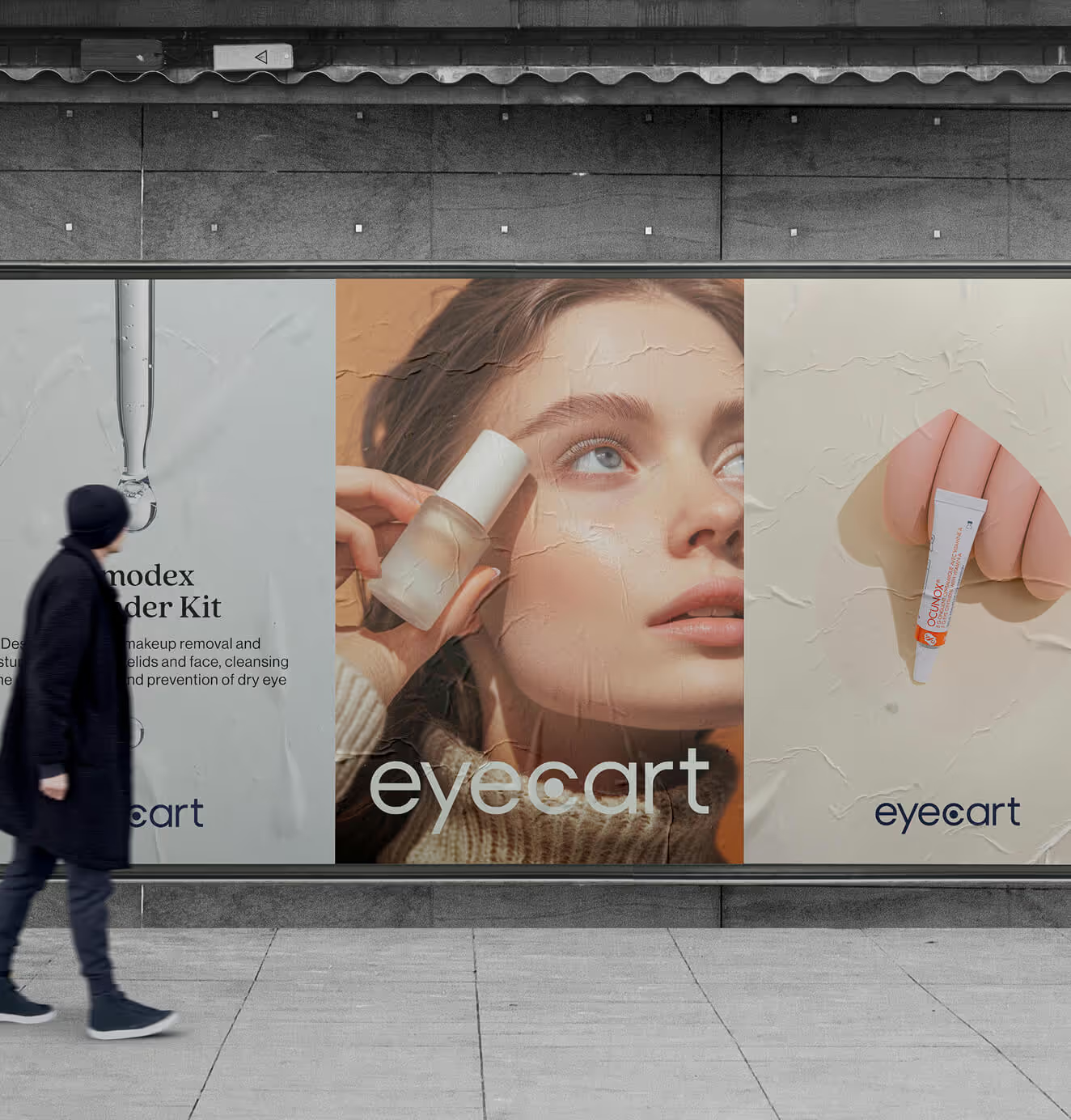
Eyecart outdoor campaign posters featuring eye care products, skincare visuals, and modern branding.
Eyecart optical care campaign image with a smiling woman holding a branded magnifying lens over one eye.
Eyecart billboard campaign featuring Blephaclean eye care wipes and healthy eye care messaging.
Multiple laptop screens display the Eyecart website, showcasing product pages and banners promoting eye care items.
Eyecart outdoor campaign posters featuring eye care products, skincare visuals, and modern branding.
Lucky Girl Rosé
We turned a zero-carb rosé into a lifestyle brand that makes every moment worth celebrating.

+200%
Increase in conversion rate

+688%
Increase in attributed revenue

READ MORE
A bottle of Lucky Girl rosé wine nestled among pink and white flowers in a rustic outdoor setting.
Lucky Girl rosé picnic setup with wine bottle, fruit, sunglasses, and The Lucky Club booklet.
Lucky Girl rosé campaign visual with a wine glass, gold tray, red nails, and Pour Yourself Some Luck text.
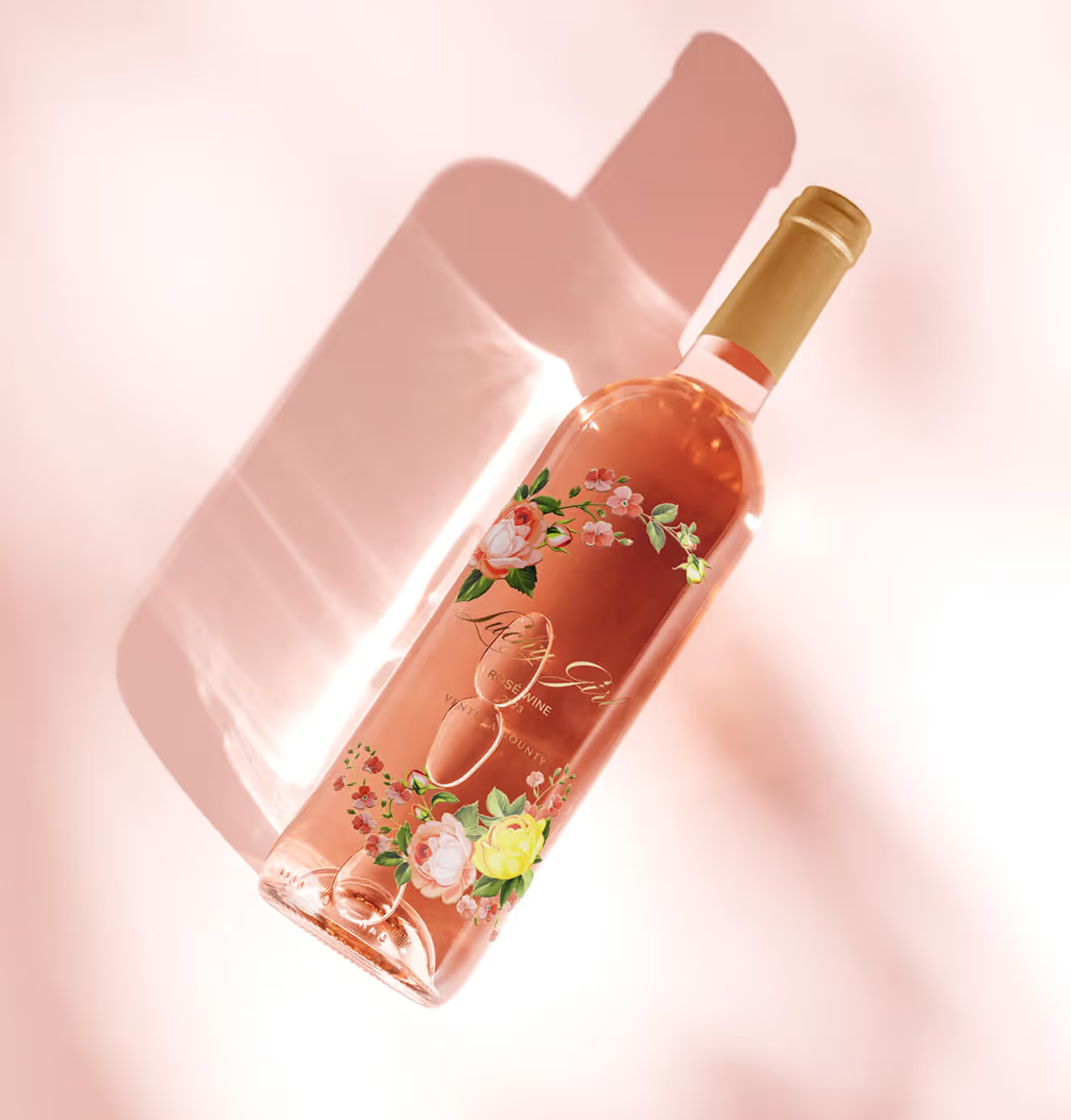
Lucky Girl rosé wine bottle with floral label design and soft pink lifestyle styling.
A bottle of Lucky Girl rosé wine nestled among pink and white flowers in a rustic outdoor setting.
Lucky Girl rosé picnic setup with wine bottle, fruit, sunglasses, and The Lucky Club booklet.
Lucky Girl rosé campaign visual with a wine glass, gold tray, red nails, and Pour Yourself Some Luck text.
Lucky Girl rosé wine bottle with floral label design and soft pink lifestyle styling.