Skincare Packaging Design: From First Impressions to Functional, Sustainable Beauty
06/29/2026
Print & Packaging
Learn how strategic skincare packaging design combines functionality, sustainability, and brand storytelling to attract customers, build trust, and increase product sales.
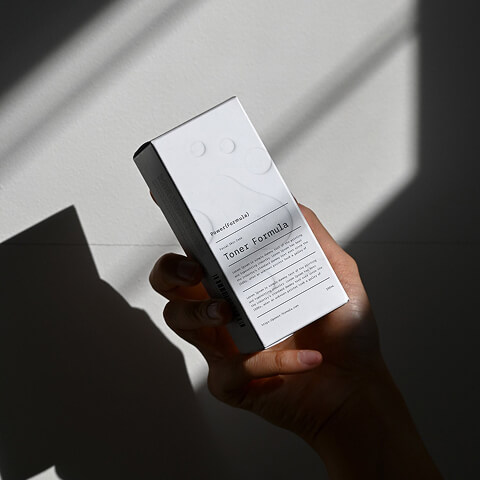
Skincare packaging design is no longer just about making a product look attractive on the shelf. It plays a direct role in how a brand is perceived, how well a formula is protected, and how clearly a product communicates its value to the customer. From primary packaging that preserves efficacy to secondary packaging that shapes first impressions, great skincare packaging brings together brand storytelling, usability, and sustainability in one cohesive system.
.png)


Why Skincare Packaging Design Matters
Key Takeaways
- Skincare packaging is a strategic tool for branding, first impressions, functionality, and sustainability—not just a container
- Primary packaging (jars, pumps, bottles) and secondary packaging (boxes, sleeves, kits) must work together to protect products and tell a clear brand story
- Different skincare formats like face creams, facial oils, night creams, and face masks demand distinct packaging design solutions
- Eco-conscious choices, refill systems, and recyclable materials are now baseline expectations in 2024-2026 skincare packaging trends
- Prototyping, testing, and refining packaging before launch significantly improves usability and market success
What Skincare Packaging Design Really Does (Beyond Looking Pretty)
Great packaging design for skincare should always build credibility before the product even touches the skin, serving as the first physical touchpoint a customer has with the brand. In 2024-2026, skincare packaging shapes first impressions within 3 seconds—whether on a retail shelf or a product page. Visuals must immediately communicate the product’s identity through color, silhouette, and visible claims.
Effective packaging strategy and design for skincare combine sustainability, minimalist aesthetics, and functional designs. Good packaging simultaneously communicates:
- Safety (INCI list, expiry, batch code)
- Efficacy (actives, concentrations, clinical claims)
- Emotional positioning (calm, clinical, playful, luxurious)
The choice of colors and finishes plays a huge role in influencing how customers perceive the product, with successful skincare brands using colors that reflect their values and resonate with their target audience.
Primary vs. Secondary Packaging in Skincare
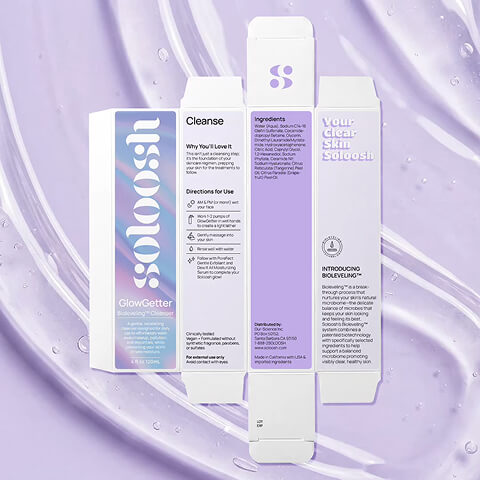
Primary packaging refers to the direct packaging that holds the skincare product itself, such as bottles, jars, tubes, or pumps, and is primarily concerned with product integrity and functionality. Secondary packaging is the outer packaging that surrounds the primary packaging, often seen by customers on retail shelves, and plays a vital role in branding and visual appeal.
While primary packaging focuses on usability and product protection, secondary packaging is designed to create a strong first impression and often includes essential product information such as ingredients and usage instructions.
Primary Packaging: Jars, Bottles, Tubes & Pumps That Touch the Formula
Primary packaging directly contacts the formula—glass droppers for facial oils, airless jars for night creams and face creams, tubes for cleansers and sunscreens. Airless pumps prevent oxidation and contamination, preserving the efficacy of sensitive ingredients.
Different formats serve different textures:
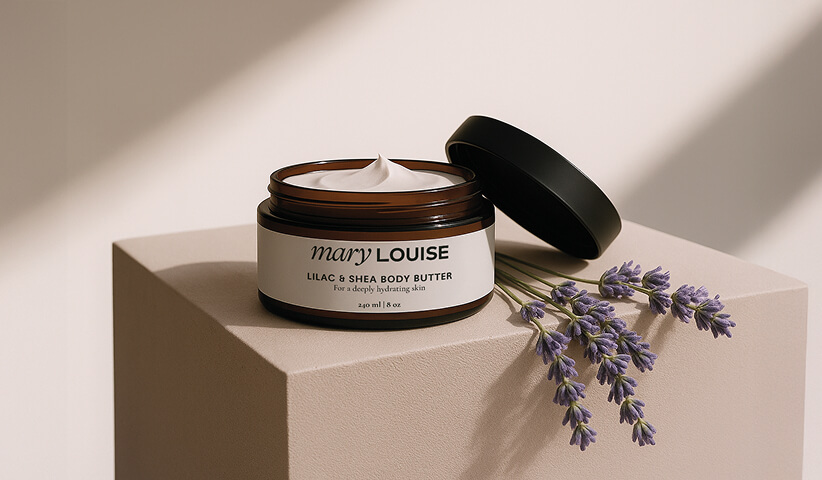
- Thick face creams in glass jars (50ml, wide-mouth)
- Lightweight gels in pump bottles
- Clay face masks in wide-mouth jars for easy scooping
- Serums in UV-protective amber glass with droppers
Material choice alters perception—glass connotes premium quality, matte plastics signal modern shower-safe functionality, and metal tips deliver targeted cooling for eye care.
Secondary Packaging: Boxes, Cartons & Sleeves That Shape First Impressions
Secondary packaging carries extended storytelling: ingredient sourcing, sustainability credentials, usage rituals. BXL Packaging Design created an egg carton-like pack for Escape Skin Care, made from molded paper pulp, which houses four products and includes an egg-shaped beauty blender.
Key functions include:
- Protecting fragile glass bottles in transit
- Providing space for multilingual labels
- Using tactile finishes like embossing, foiling, and cut-outs to elevate brand perception
- Secondary packaging made from FSC-certified, recycled paperboard for eco-friendly appeal
Free Brand Health Audit
Make sure your brand is built to sell
Search has changed. Your customers aren't just Googling anymore. They're asking ChatGPT, Perplexity, Gemini and other AI platforms what to buy, who to trust and which brands they should consider.
If your brand isn't showing up clearly in those answers, you're already losing opportunities. Our free Brand Health Audit shows you where your brand stands across traditional search, AI search and brand positioning.

Sample brand audit
Live preview
Traditional search
72
AI search (GEO)
34
Brand positioning
58
Skincare Packaging by Product Type: How Formulas Shape Design
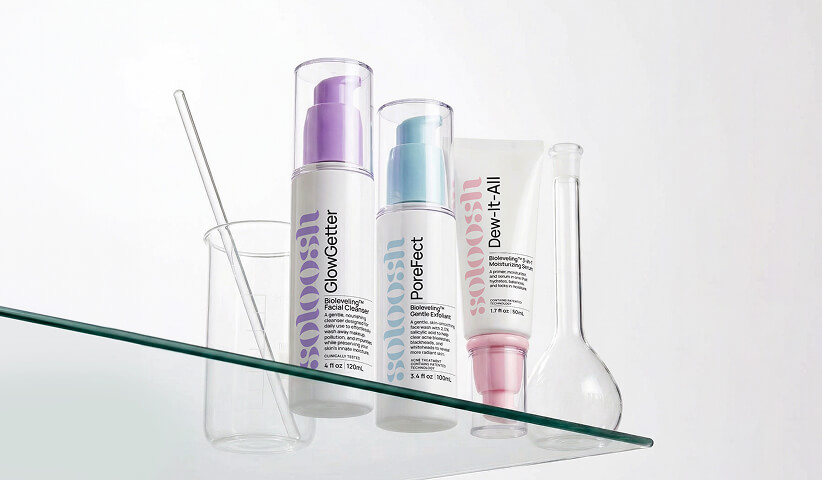
Packaging design must flow from product function and usage context. A consumer expects different experiences from a face mask versus a daily face cream, especially for founders following a structured skincare startup guide to build a standout brand.
Face Creams & Daily Moisturisers
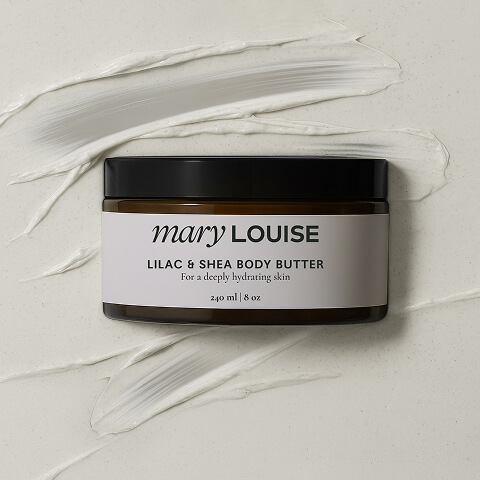
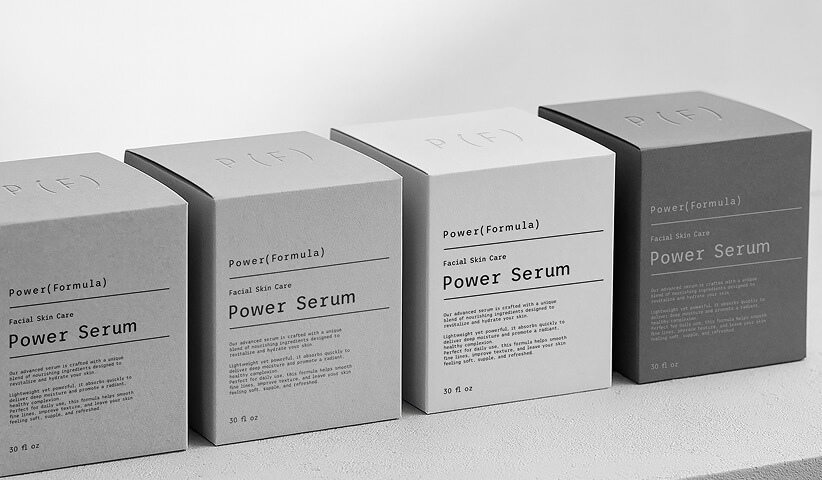
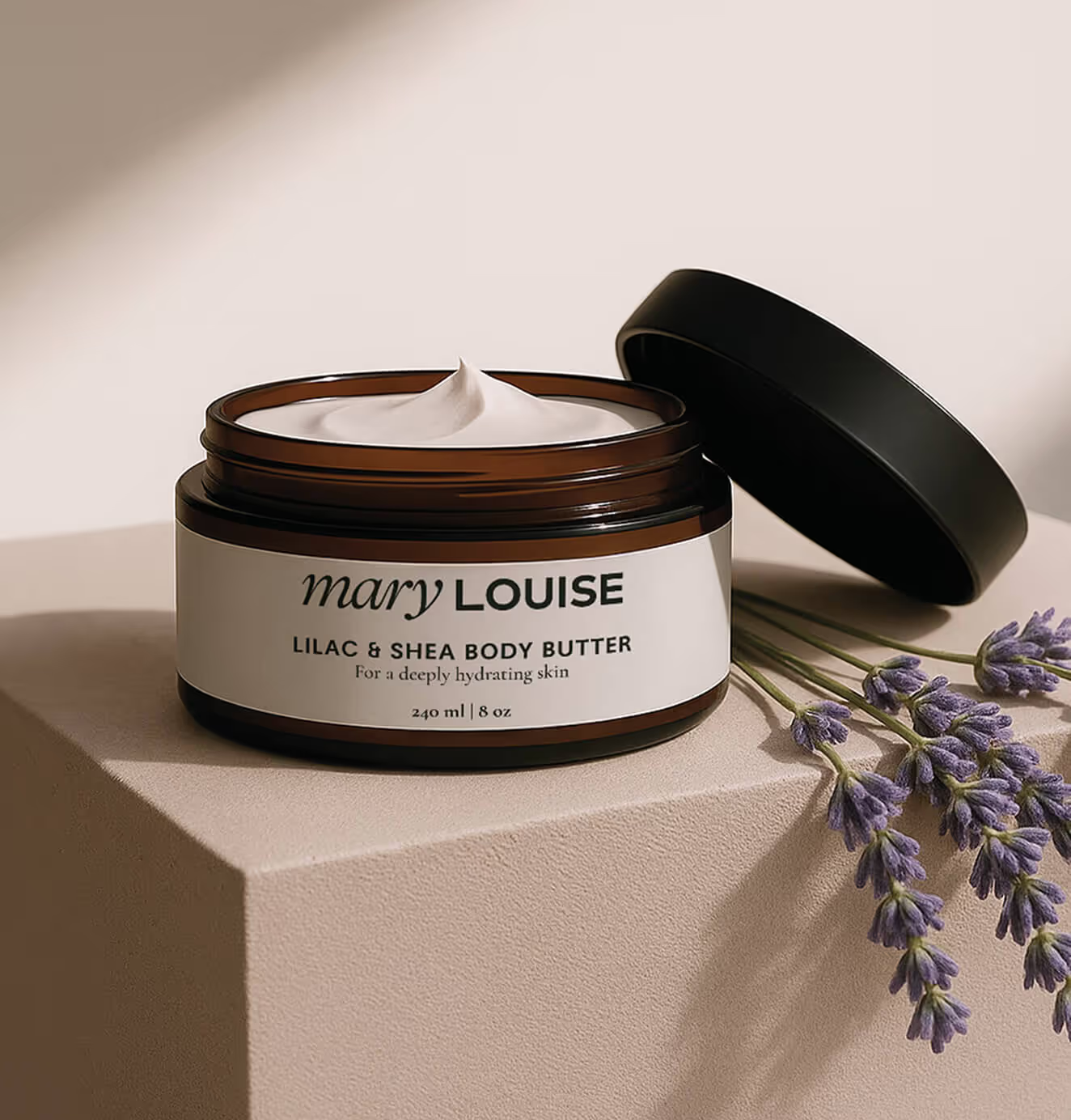
Preferred formats include low-profile glass jars, double-wall acrylic jars with removable inner pods, and airless pump bottles. Color palettes suggest softness—stone greys, warm creams, earthy tones. Clean lines and visible claims like “fragrance-free” signal trust.
Serums & Facial Oils
Smaller volumes (15-50ml) demand sleek, premium packaging. Amber or UV-protective glass bottles with droppers protect retinol and vitamin C. The Elume packaging concept by Blank Space uses recyclable bio-resin and features sculptural forms with colored caps that correspond to specific product types, eliminating the need for labels.
Toners, Essences & Mists
Tall, slim bottles emphasize liquid clarity. Gradient blues and subtle wave patterns communicate hydration. Fine-mist sprayers deliver refreshing application. Travel-sized mists (30-50ml) need leak-resistant designs.
Cleansers & Face Wash
Flip-top tubes for gel cleansers, pump bottles for foaming washes. High-grip textured caps prevent slipping in wet environments. Fresh color schemes—whites, aquas, light greens—signal cleanliness.
Face Masks: Playful, Sensory, Instagram-Ready
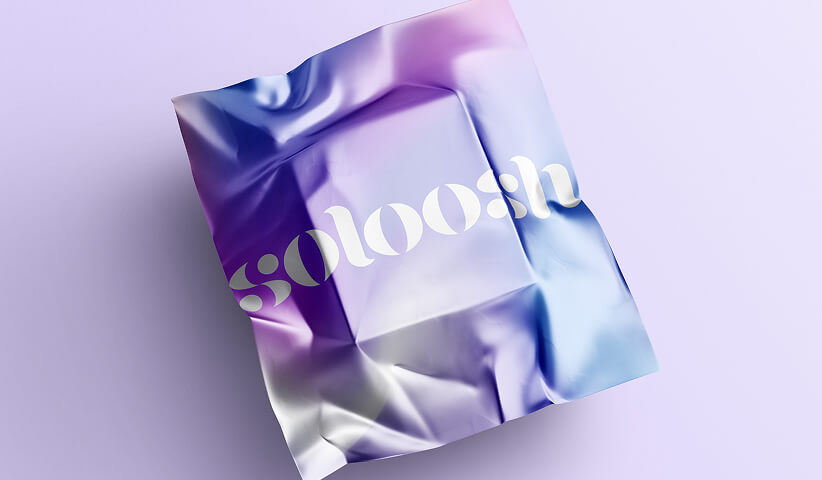
Face masks allow experimental packaging—from single-use metallic sachets to glass jars with spatulas. Bold graphics and holographic foils create fun, playful appeal for younger audiences. Colors can evoke specific feelings: soft pastels suggest calm; gold and black signal high-end luxury; vibrant shades attract younger demographics.
Sunscreens
Squeeze tubes, airless pumps, and stick applicators dominate. Bright outdoorsy palettes—sunny yellows, ocean blues, coral oranges. SPF numbers visible in high-contrast text. Travel and portability appeal to on-the-go lifestyles and prioritize self-expression among younger consumers.
Eye Creams & Targeted Treatments
Smaller formats (10-20ml) command premium pricing. Slender metallic or ceramic applicator tips deliver cooling massage effects. Navy and silver metallics signal efficacy.
Lip Balms & Lip Care
Twist-up sticks, aluminum tins, paper-based push-up tubes for eco-conscious brands. Expressive colors tied to flavor—berry reds, mint greens. Functionality ensures long-term customer satisfaction and brand trust.
Night Creams & Anti-Ageing Routines
Night creams anchor skincare ranges with substantial, luxurious packaging. Deep palettes—midnight blues, burgundy, evergreen—with gold embossing. Pavla Chuykina’s Serpentina Sync concept features puzzle-shaped jars that symbolize strength and connection, designed to be refillable and presented in a cardboard box with artistic elements.
Want to learn more about Design, Print, and Packaging? Keep reading!
If you need help with your companies print and packaging design, contact us for a free custom quote.
Designing Primary Packaging That Works in Real Life
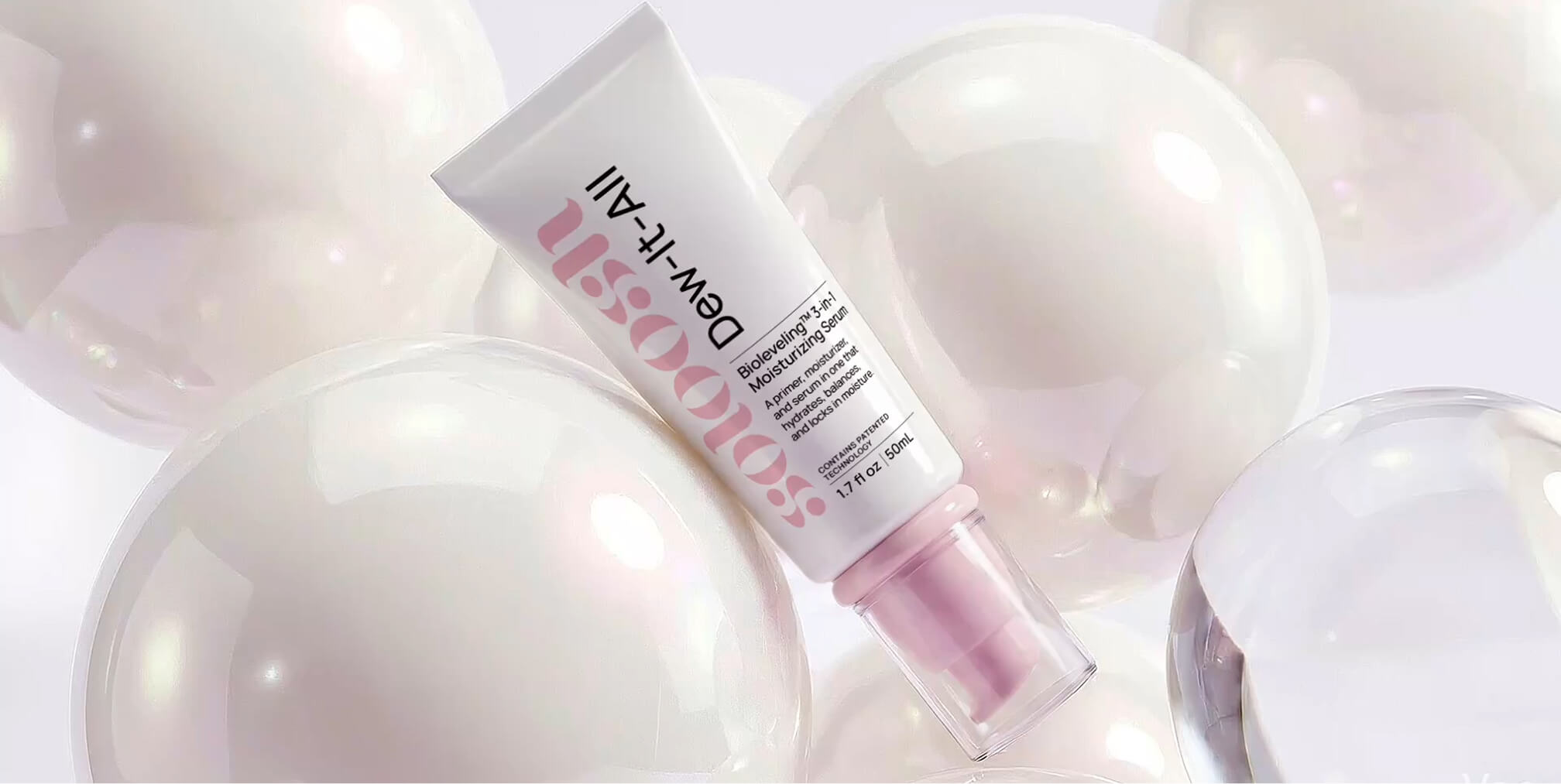
Even beautiful packaging fails if pumps clog or jars are hard to open. Functional checkpoints include ease of opening, controlled dosing, one-handed use, and formula compatibility. Understanding viscosity matters—thin toners need different mechanisms than thick night creams.
Sustainability and Refills in Primary Packaging
Modern consumers increasingly view sustainability as a requirement rather than a trend. Using PCR plastics, glass, or aluminum can lower the demand for virgin plastic production. Refillable systems can reduce waste while encouraging repeat purchases.
Eco-conscious consumers prefer recyclable, biodegradable, or refillable packaging. Using a single type of material simplifies the recycling process—mono-materials allow consumers to recycle without disassembly. Sustainable packaging reduces reliance on non-renewable plastics and lowers greenhouse gas emissions.
Secondary Packaging That Sells on Shelf and On Screen
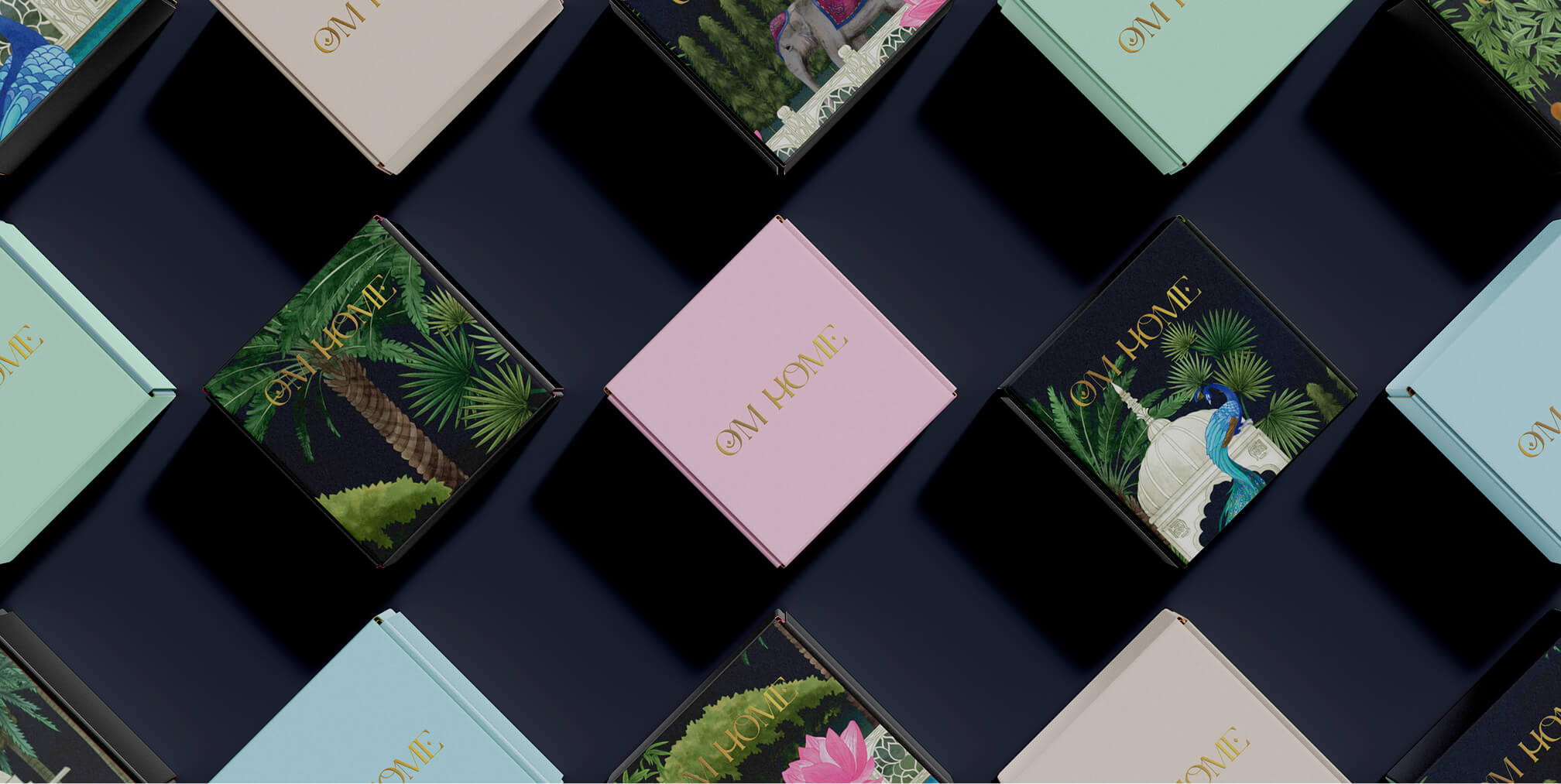
When designing skincare packaging for retail, it is crucial to create a compelling product that stands out on the shelf, using bold colors, unique shapes, and high-quality finishes to grab attention. Using tactile finishes can add depth and a premium feel to packaging.
Using Color, Typography & Finishes to Communicate Positioning
A minimalist aesthetic conveys purity, luxury, and efficacy, making products stand out. Color psychology shapes expectations—greens and beiges for organic skincare, whites and silver for clinical actives, black and metallics for ultra-luxe ranges.
Common finishes include:
- Matte lamination for modern feel
- Spot UV for highlighting claims
- Embossing for tactile logos
- Foil stamping for premium cues
Storytelling Space: Using Secondary Packaging to Educate
Secondary packaging provides space to provide information about ingredient sourcing and step-by-step routines. Integrating QR codes or NFC tags in packaging can eliminate the need for printed inserts, providing digital access to information.
Strategic Moves for Skincare Packaging That Converts
Effective skincare packaging design requires a balance of visual psychology, functional integrity, and a commitment to sustainability, ideally supported by a cohesive small business branding package.
Clarify Brand DNA Before Choosing a Jar or Box
Define core attributes—“clinical and minimalist,” “ritualistic and spa-like,” “playful and Gen Z”—before selecting materials. Build a one-page brand matrix to help your brand stand out and guide all packaging decisions.
Design for a Specific Person, Not an Abstract “User”
Create detailed customer personas. Younger, trend-driven buyers embrace bolder colors; older, ingredient-savvy consumers prioritize legibility. User interviews validate whether packaging resonates with intended demographics. Using eco-friendly packaging not only reduces a brand’s carbon footprint but also signals that the brand is thoughtful and responsible, appealing to environmentally-conscious customers.
Prototype, Test & Refine Before Mass Production
Physical mock-ups and 3D-printed closures uncover issues early. Structured testing includes leak tests, drop tests, and user feedback sessions. Catching design errors before printing saves 20-30% versus post-production fixes.
Future Trends in Skincare Packaging (2024-2026)
Sustainability as Standard, Not a Bonus
Sustainability in skincare packaging is shifting to a baseline industry expectation. Over 39% of consumers have switched to competitors for more sustainable packaging options. 90% of consumers are more likely to buy from brands with eco-friendly packaging. Approximately 95% of beauty industry packaging is currently discarded.
Sustainable skincare packaging is critical for minimizing landfill waste and lowering carbon emissions. Brands increasingly adopt refillable containers to reduce single-use waste. Using fewer materials through minimalist design can reduce production and shipping costs. Regulatory compliance is pushing brands toward transparent and recyclable designs by 2026.
Personalisation, Smart Features & Connected Experiences
Personalized skincare systems maintain constant outer packaging while internal cartridges change per customer regimen. Tech integrations verify authenticity and deliver tailored tips. Modern consumers equate sustainable packaging with ethical and high-quality branding, building brand loyalty.
FAQ
How do I choose between glass and plastic for my skincare packaging?
Glass suits facial oils, premium serums, and night creams marketed as luxurious—it offers UV protection and recycling rates around 33%. High-quality plastics work better for shower-safe cleansers and travel-sized sunscreens. Consider hybrid approaches like glass bottles with plastic pumps, and factor in distribution channels when deciding.
What information is legally required on skincare packaging?
Requirements include product name, net contents, INCI ingredients list, usage directions, warnings, manufacturer details, batch code, and expiry or PAO symbol. Requirements vary by region, so consult up-to-date cosmetic regulations. Plan information hierarchy early to avoid cramped text.
How early should I start working on packaging design before launch?
Start 9-12 months before launch. Allow 1-2 months for concept development, 2-3 months for design, 2-3 months for prototyping, and 2-4 months for production. Custom molds extend timelines significantly.
What’s the most cost-effective way to get premium-looking skincare packaging?
Use standard-stock bottles and jars paired with custom labels and secondary packaging. Invest in high-impact details—embossed logos, spot foil, custom-colored caps—rather than complex custom shapes. Consistent typography and color systems often look more premium than overcomplicated graphics.
How can I make my skincare packaging more sustainable without losing the luxury feel?
Swap to higher recycled content materials, use refillable primary packaging, and reduce unnecessary secondary layers. Thick recycled glass and textured FSC-certified paperboard feel premium. Sustainability is a growing concern among skincare consumers, making eco-friendly materials like recyclable cardboard and biodegradable plastics increasingly attractive for packaging.

Quincy Samycia
As entrepreneurs, they’ve built and scaled their own ventures from zero to millions. They’ve been in the trenches, navigating the chaos of high-growth phases, making the hard calls, and learning firsthand what actually moves the needle. That’s what makes us different—we don’t just “consult,” we know what it takes because we’ve done it ourselves.
Want to learn more about brand platform?
If you need help with your companies brand strategy and identity, contact us for a free custom quote.
We do great work. And get great results.
+2.3xIncrease in revenue YoY
+126%Increase in repurchase rate YoY

+93%Revenue growth in first 90 days
+144% Increase in attributed revenue


+91%Increase in conversion rate
+46%Increase in AOV

+200%Increase in conversion rate
+688%Increase in attributed revenue