How to Start a Supplement Company in 2026 (Step‑by‑Step Guide)
07/31/2026
Branding

.png)


Build a Profitable Supplement Brand


Free Brand Health Audit
Make sure your brand is built to sell

How to Start a Supplement Company in 12 Steps
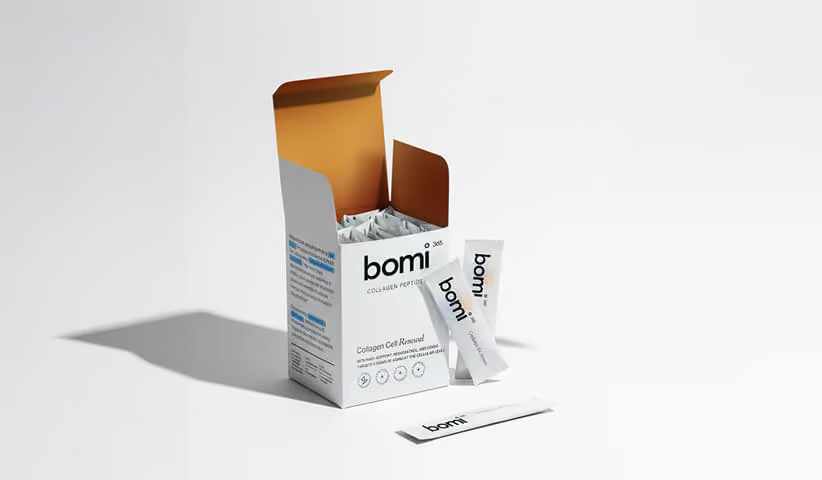
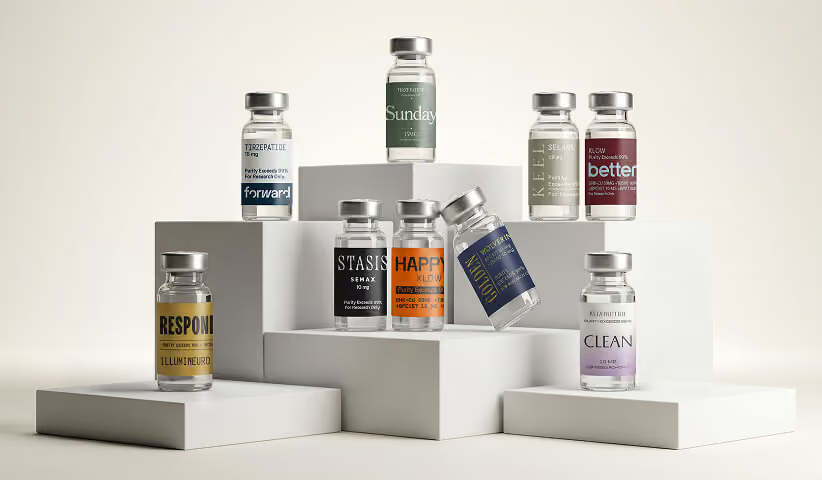
Step 1: Define Your Niche and Target Customer
Going broad rarely works in a crowded market. Before starting a supplement company, define a specific niche and identify your target customers around real health goals and values.
Examples include:
- High-protein vegan athletes in the US
- Women 30–45 focused on stress and sleep
- Busy professionals wanting brain health and focus
- Health conscious consumers looking for clean longevity support
Match the niche to daily problems like fatigue, joint discomfort, gut issues, weight management, or low energy. Then connect those problems to outcomes: performance, longevity, aesthetics, or better daily routines.
Write down your ideal customer:
- Age range
- Gender or lifestyle segment
- Budget
- Daily habits
- Three biggest health goals
A clear ideal customer simplifies every later decision: your supplement line, label design, product offerings, ad creative, pricing, sales channels, and how you speak to potential customers, especially when applying branding for small businesses principles to stand out on a limited budget.
Step 2: Research the Market, Competition, and Pricing
Serious research reduces the risk of launching own supplements that nobody wants. Study the competitive landscape before you invest in inventory.
Look at Amazon Best Sellers, brand websites, TikTok, Instagram, and review sections. Track product types, claims, ingredients, prices, supplement packaging, and complaints. Use Google Trends for demand curves, Amazon for proof of demand, and an SEO tool to review competitor traffic and content.
A simple product gap analysis can reveal opportunities such as:
- Sugar-free gummies
- Clinically dosed formulas
- Eco packaging
- Transparent testing
- Better flavors for protein powders
- Cleaner existing products for health and wellness buyers
Map price per serving and price per 30-day supply. Then reverse-engineer the manufacturing cost that leaves room for healthy profit margins after freight, fulfillment, discounts, and marketing strategies.
Step 3: Build a Business Plan and Understand Startup Costs
A strong business plan is crucial for supplement development, as it provides a roadmap for success, guiding decisions, securing funding, and ensuring compliance within the competitive market. Even a micro supplement business needs a plan to avoid surprise cash-flow problems when building your own supplement business.
Your plan should cover:
- Niche and product concept
- Production model: private label supplements or custom product
- Sales channels
- Marketing plan
- Financial projections
- Startup costs and monthly burn
A clear brand strategy framework keeps your positioning, messaging, and growth plans aligned as you scale.
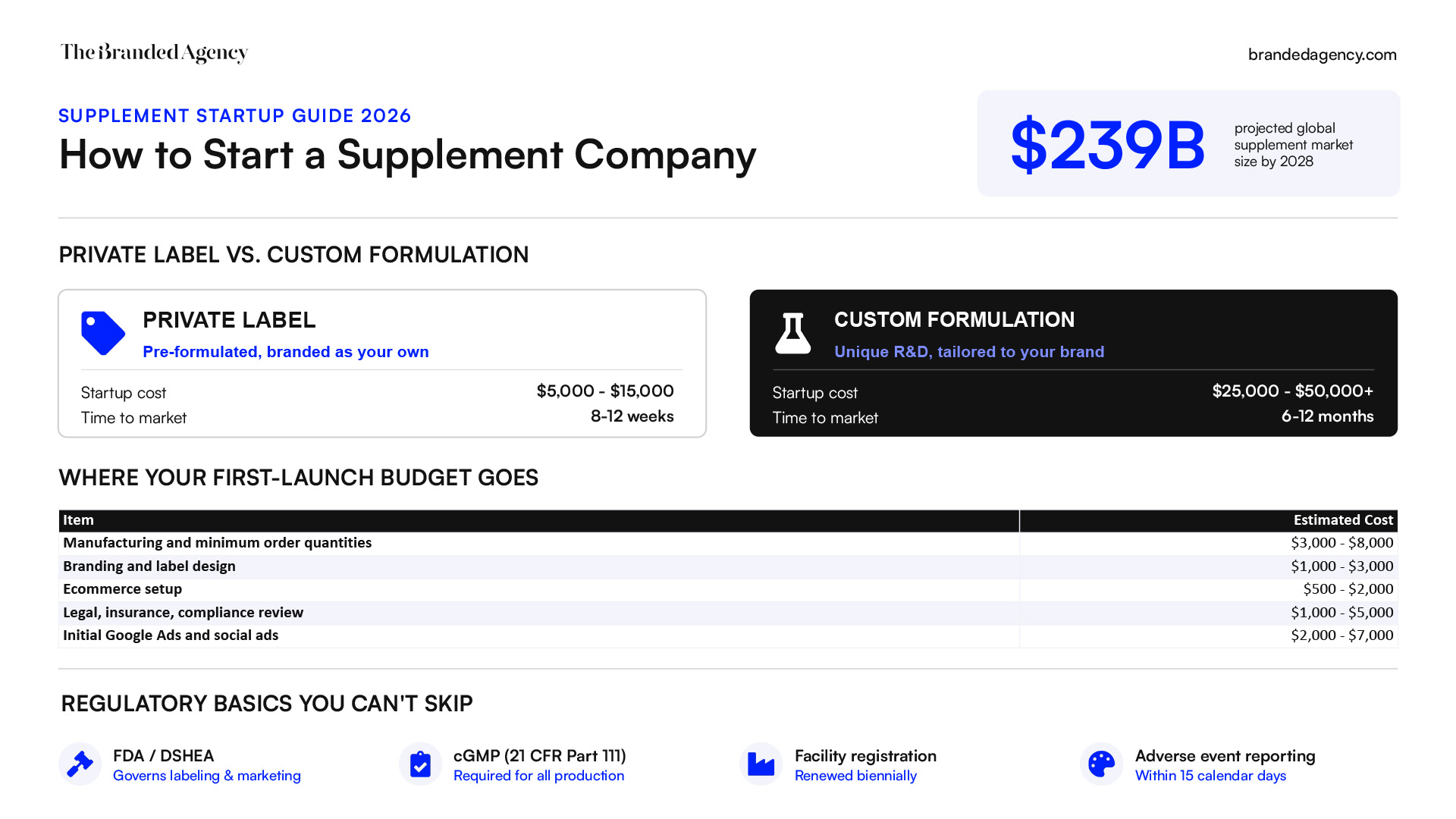
Private label supplements typically have a lower barrier to entry compared to custom formulations, making them an accessible starting point for first-time brand owners testing market demand. A lean launch may cost $5,000–$15,000 for 1–3 SKUs. Full custom formulation can exceed $25,000 and may pass $50,000 with R&D, testing, and higher minimum order quantities.
Example online hero product budget:

To understand startup costs, build a spreadsheet before speaking with a supplement manufacturer.
Step 4: Navigate Legal Structure and Regulatory Compliance
Supplements are usually treated as food categories, not drugs, but regulatory compliance is still serious. Setting up a legal structure for your supplement business, such as forming an LLC or corporation, is essential for compliance and protecting your personal assets.
In the U.S., dietary supplements are regulated by the FDA under the Dietary Supplement Health and Education Act (DSHEA), which outlines specific guidelines for labeling and marketing supplements. Dietary supplements in the U.S. do not require pre-market approval from the FDA but are regulated under the Dietary Supplement Health and Education Act (DSHEA). You can review FDA guidance on dietary supplement rules.
All production of dietary supplements must adhere to Current Good Manufacturing Practices (cGMP) under 21 CFR Part 111. The fda regulates manufacturing, labeling, and post-market safety, and the Federal Trade Commission (FTC) oversees advertising truthfulness in dietary supplement marketing.
Key legal issues include:
- Structure/function claims regarding dietary supplements must be accompanied by a standard FDA disclaimer and substantiation documentation.
- Supplement companies must ensure that all label claims are compliant with FDA regulations, avoiding any medical claims and instead using structure/function claims to describe their products.
- If a dietary supplement uses a New Dietary Ingredient (NDI) not marketed in the U.S. before October 15, 1994, an NDI notification must be submitted to the FDA at least 75 days before launch.
- If a consumer suffers a serious adverse event from a dietary supplement, the manufacturer is legally required to report it to the FDA within 15 calendar days.
- Facilities that handle, package, or store physical inventory must be registered with the FDA and renewed biennially.
- Obtaining product liability insurance is essential for supplement companies to protect against potential lawsuits due to the high-risk nature of the industry.
Step 5: Choose Your Production Model and Manufacturer
You have three main options: pure private label, semi-custom contract manufacturing, and full custom formulation. The two main options for supplement formulation are in-house production, which offers more control but poses challenges, and contract manufacturing, which allows for faster go-to-market times with lower minimum order quantities.
Private label is ideal when you want to start a supplement quickly using compliant formulas you can brand as your own supplement brand. Custom gives more control but usually requires higher minimum order quantities, longer timelines, and more capital.
Supplement manufacturers must be registered with the FDA if they are handling product manufacturing, and they should operate in compliance with Good Manufacturing Practices (GMP). When developing a supplement, it is generally beneficial to work with a supplement formulator or contract manufacturer who can assist in creating an exclusive product tailored to your brand's vision.
Ask each manufacturer:
- Are you cGMP compliant under 21 CFR Part 111?
- Do you have NSF, BRCGS, ISO, or similar audits?
- What are the low minimum order quantities and reorder terms?
- What testing, COAs, and documentation are provided?
- How do you support fda requirements and claims review?
- What happens during the packaging process?
Start with 1–3 SKUs instead of multiple products. Most supplement companies make operations harder than necessary by launching too wide.
Step 6: Design Your Product Line, Formulas, and Experience
Developing a product line should start small, ideally with 1 to 3 core products that address specific problems for your audience, allowing for focused marketing and brand identity. Your own supplement line should solve the niche’s biggest problems within its budget.
Formats include capsules, tablets, powders, ready-to-drink products, gummies, and liquids. Capsules are often simpler. Gummies and liquids can feel more premium but cost more and may have shelf-life challenges. For sports nutrition, taste and mixability matter as much as the formula.
Use high quality ingredients and clinically relevant dosages. Avoid “label decoration,” where trendy actives appear at ineffective amounts.
Example stack for knowledge workers:
- Focus capsule for mental clarity
- Magnesium or sleep support for recovery
- Daily greens or gut health powder for routine use
These products can be bundled, cross-sold, and converted into subscription models as the business grows.
Step 7: Create Compliant Label Design and Packaging
Label design must balance brand appeal with strict compliance. FDA Labeling Regulations require that every supplement package feature five key elements, including a Statement of Identity and a Supplement Facts Panel. Other key elements include net quantity, ingredient and other ingredient lists, manufacturer or distributor details, and required warnings or contact information.
Your supplement facts panel must follow formatting rules for serving size, ingredients, Daily Values where applicable, and “Daily Value Not Established” where needed. Claims must stay within structure/function limits and cannot imply the product treats, cures, or prevents disease.
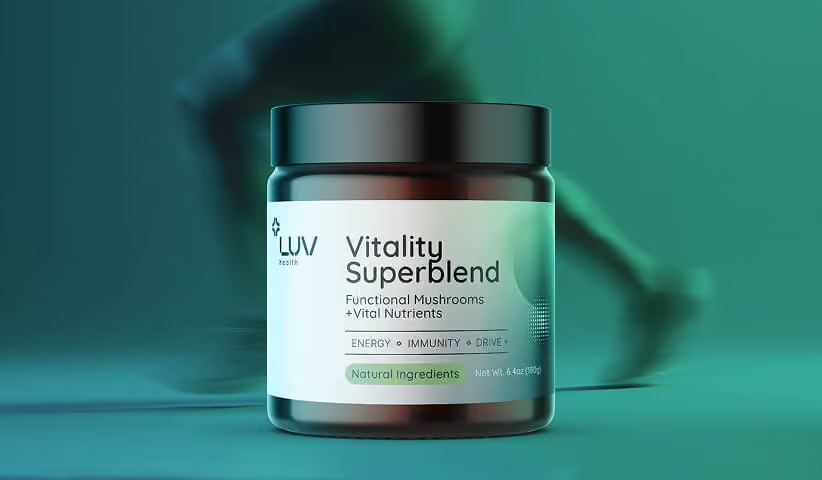
A thoughtful packaging strategy and design also reinforces your positioning on shelf and online.
Visual design should signal positioning:
- Premium: minimal colors, glass, metallic accents
- Performance: bold contrast, clear dosage callouts
- Clean/clinical: white space, simple typography
- Eco: recyclable pouches or renewable materials
Packaging choices affect shipping costs, shelf life, perceived quality, and whether the product fits your brand values.
Step 8: Build Your Brand Identity and Story
Effective branding in the supplement industry builds trust and connects with consumers in a crowded market, reflecting the brand's mission, expertise, values, and target audience. Strong brands sell a lifestyle and belief system, not just capsules.
Define your mission, values, and positioning. You might be data-driven performance, doctor-backed formulas, minimalist longevity, or eco-conscious wellness, and clarifying your core brand pillars helps keep every touchpoint consistent.
Your name, logo, and tagline should be easy to remember, legally protectable, and tied to your niche. Also create a consistent voice for:
- Website copy
- Social posts
- Product pages
- Supplement packaging
A cohesive brand communication strategy ensures these channels reinforce the same story and promise.
Transparency is a differentiator. Share sourcing, testing, quality standards, and regulatory compliance in plain language to build a loyal customer base.
Step 9: Set Up Your Ecommerce Infrastructure and Sales Channels
Building an e-commerce store is critical for supplement brands, as most sales occur online; the website should include features like customer reviews, product details, and educational content. A fast e commerce site is the backbone of many modern supplement companies.
Shopify for small businesses is usually easier for first-time founders. WooCommerce gives more flexibility if you already use WordPress. Either way, your store should include:
- Home page
- Product pages with benefits, science, dosage, and FAQs
- About page
- Reviews
- Simple checkout
- Subscription and bundle options
Successful supplement brands often focus on turning one-time buyers into repeat customers through subscription models, product bundles, and consistent value delivery, creating predictable recurring revenue.
Start DTC first, then layer Amazon, TikTok Shop, Instagram Shop, gyms, clinics, and retailers once your direct offer is proven.
Step 10: Plan Your Launch Marketing and Customer Acquisition
A strong marketing strategy is essential for supplement brands to differentiate themselves, especially when using ready-to-sell products that may lack unique features, and it takes clear planning and budget discipline to successfully launch without spending everything on supplement manufacturing and leaving nothing for promotion.
Pre-launch should include:
- Email waitlist
- Micro-influencer samples, particularly those trusted creators or experts within your niche
- Behind-the-scenes content
- Educational posts
- Founder story content
Utilizing social media platforms like Instagram and TikTok is crucial for supplement brands to generate awareness and engage with their target audience effectively. Use google ads for high-intent searches and Meta or TikTok ads for demand generation.
Create SEO content around your specific niche, such as “best supplements for night-shift recovery” or “how to choose a vegan protein powder.” Track CAC, ROAS, repeat purchase rate, subscription uptake, and landing page conversion.
Step 11: Operations, Fulfillment, and Quality Control
Reliable operations protect the brand. Compare manufacturer dropshipping, 3PL warehouses, and in-house shipping for very small volumes.
Your quality system should include:
- Batch testing
- Certificates of analysis
- Lot number tracking
- Complaint records
- Recall procedures
- Clear returns policy
Inventory planning matters because contract manufacturing lead times affect cash flow and stock-out risk. Launching a supplement business typically takes 6 to 12 months from initial concept to a market-ready product, although ready-made private label can move faster if labels, packaging, and compliance reviews are handled quickly.
Customer service also matters. Questions about dosage, side effects, shipping delays, and returns should be handled professionally and consistently.
Step 12: Scale, Optimize Profit Margins, and Expand Your Product Line
Once the first SKUs sell, focus on improving profit margins and adding new products carefully. As volume rises, renegotiate pricing, MOQs, freight, and packaging, and consider structured brand packages engineered for scalable growth if you need outside help to professionalize the brand.
Ways to improve margins without cutting quality:
- Larger production runs
- Better freight rates
- More efficient packaging
- Higher retention through subscriptions
- Better ad creative and landing pages
- Bundles that increase average order value
Use customer feedback and sales data to decide what to add next. A successful supplement business grows by strengthening the whole line, not chasing every trend. Over time, you can move from generic private label supplements to semi-custom or fully custom formulas once demand is validated.
Want to learn more about brand platforms, Brand Strategy and Brand Identity? Keep reading!
The Peptide & GLP-1 Grey Market Boom in 2026
One of the fastest-growing segments of the wellness and supplement economy in 2026 is not traditional vitamins or protein powders — it is the underground peptide and GLP-1 market.
Compounds like semaglutide, tirzepatide, BPC-157, CJC-1295, Ipamorelin, and other peptides have exploded in popularity due to demand for:
- Weight loss
- Longevity
- Muscle retention
- Recovery
- Anti-aging
- Performance enhancement
While pharmaceutical companies dominate the regulated prescription market, a parallel ecommerce economy has emerged where companies sell peptides online labeled as:
“For research purposes only. Not for human consumption.”
This disclaimer has become common among peptide startups attempting to operate in a legal grey area while targeting consumers who intend to self-administer the compounds anyway.
Why the Peptide Market Exploded
The demand surge came from several converging trends:
- Massive public awareness of Ozempic and Wegovy
- Social media weight-loss transformations
- Longevity influencers promoting peptides
- Rising telehealth adoption
- Shortages and high pricing in regulated pharmaceutical channels
- Consumers seeking cheaper alternatives
In many cases, consumers who cannot access prescription GLP-1 medications through traditional medical systems turn to online peptide vendors offering dramatically lower prices.
This has created a modern “digital underground pharma” market operating through:
- Shopify stores
- Crypto payments
- Telegram groups
- Reddit communities
- Influencer affiliates
- Email funnels
- Discord communities
Startup Costs and Margins in the Peptide Industry
Compared to launching a traditional supplement company, peptide businesses can appear deceptively inexpensive to start.
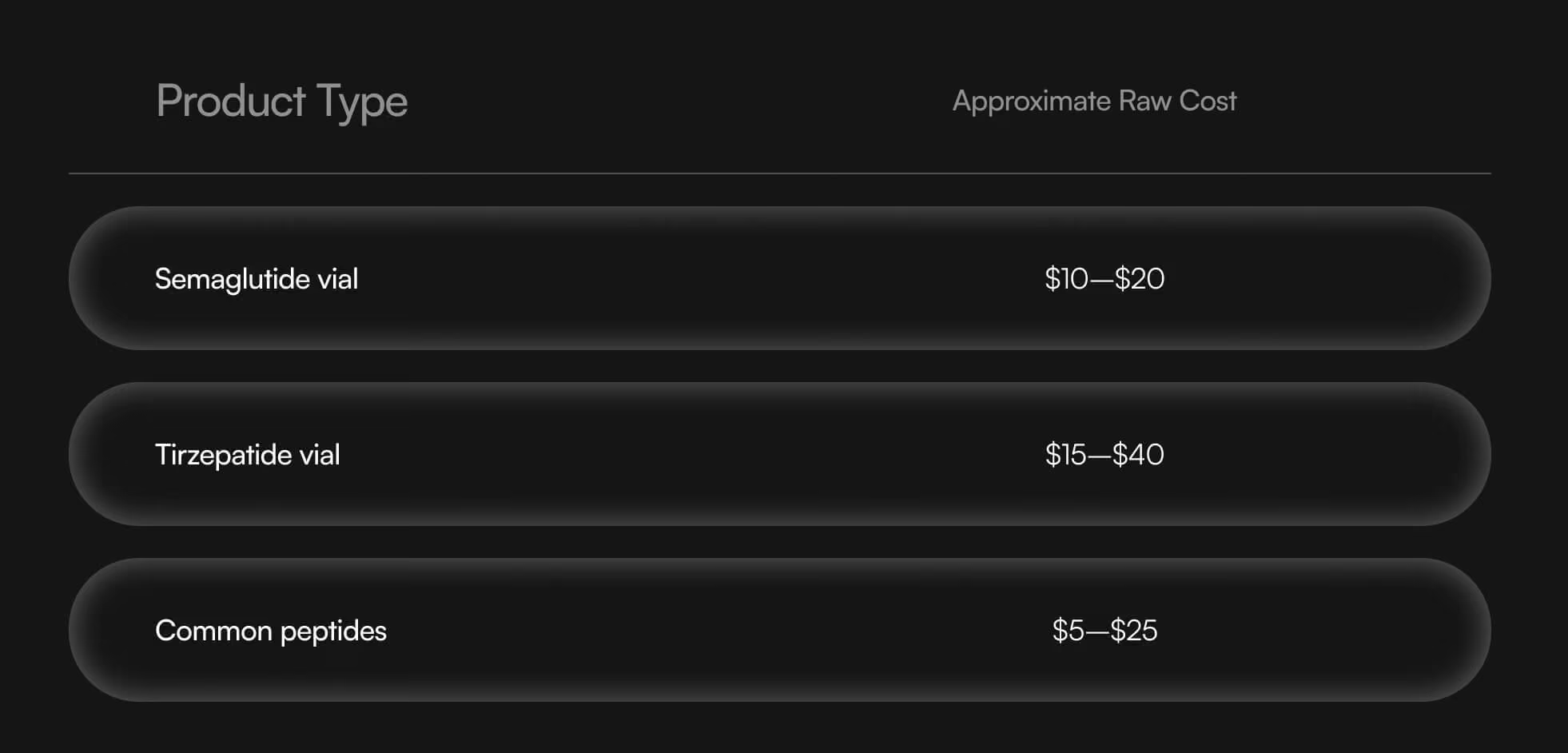
Based on industry research and reports from manufacturers and resellers, some raw peptide products sourced overseas may cost approximately:
These same products are often resold online for:
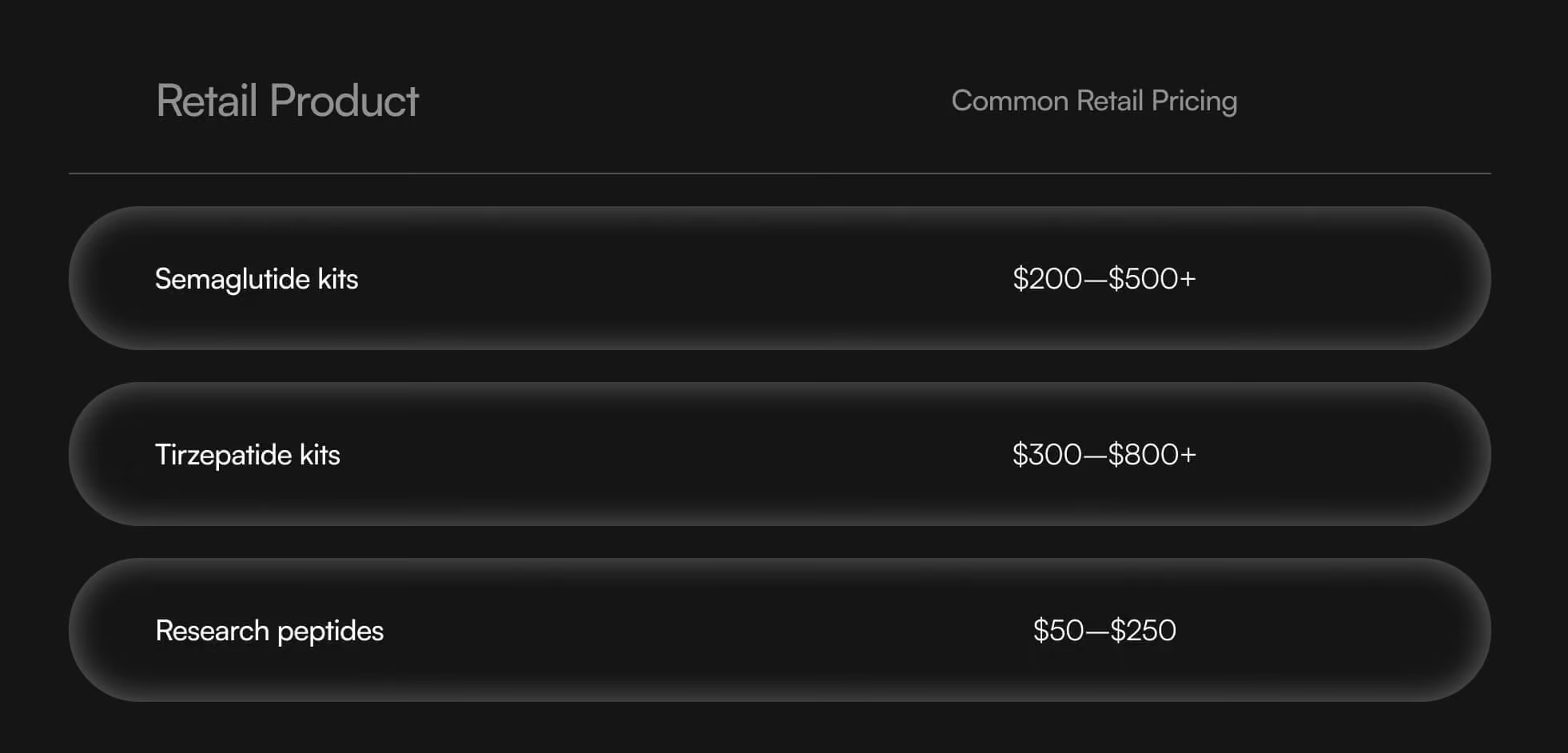
That spread creates unusually high gross margin potential compared to traditional supplements.
However, these businesses also face significantly higher legal, payment processing, advertising, and operational risks.
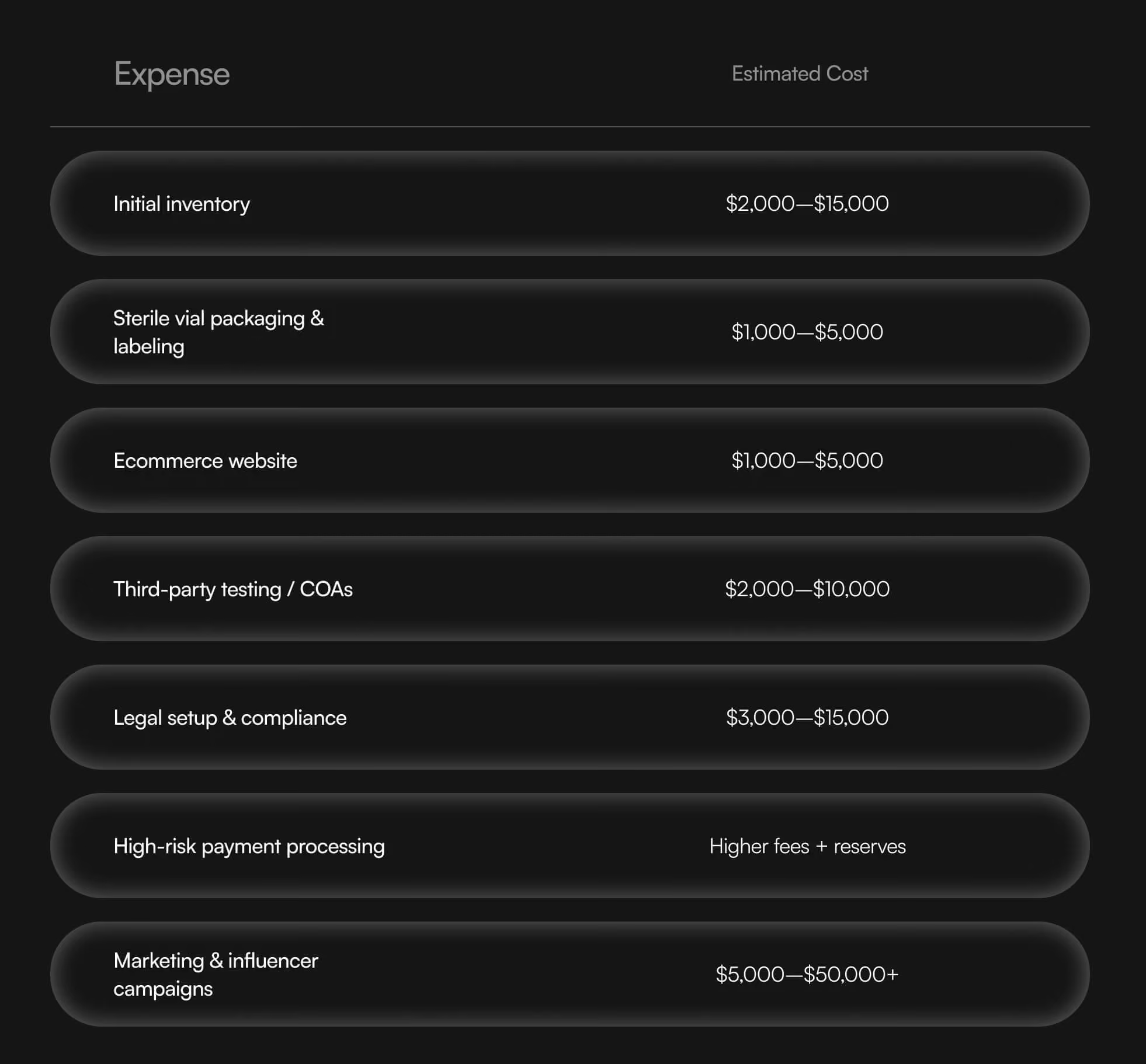
The Real Costs of Starting a Peptide Company

Although sourcing raw product may appear cheap, running a peptide business involves much more than buying vials and launching a website.
Typical startup expenses may include:
Many peptide startups also struggle with:
- Merchant account bans
- Ad account shutdowns
- Customs seizures
- Regulatory warnings
- Supplier inconsistency
- Product purity concerns
- Chargebacks and fraud
Unlike normal supplement brands, peptide companies often operate in a much more unstable environment.
Regulatory Risks in 2026
The FDA and FTC have increased scrutiny around peptides and GLP-1 products sold outside approved pharmaceutical pathways.
Key regulatory concerns include:
- Unapproved drug claims
- Misbranding
- Sterility concerns
- Unsafe manufacturing
- False advertising
- Selling prescription drug ingredients without authorization
Many “research peptide” companies attempt to reduce liability using disclaimers and avoiding direct medical claims, but regulators may still view the products as intended for human use based on marketing behavior.
The legal landscape remains highly uncertain and continues evolving rapidly.
Why Entrepreneurs Still Enter the Market
Despite the risks, entrepreneurs continue launching peptide brands because the economics can be extremely attractive:
- High average order values
- Strong repeat purchases
- Subscription potential
- Viral social media demand
- Massive consumer interest in weight loss and longevity
Some founders view peptides as the next evolution of the supplement industry — a hybrid between wellness, biotech, and direct-to-consumer pharmaceuticals. A thoughtful wellness branding and marketing strategy becomes even more important in this higher-scrutiny space.
However, the businesses that survive long term will likely be the ones prioritizing:
- Compliance
- Product testing
- Medical oversight
- Transparent sourcing
- Brand trust
- Sustainable operations
The “easy money” phase of underground peptide ecommerce is already becoming more competitive and more heavily scrutinized in 2026.
Additional updates I’d recommend for the rest of the article:
1. Add GLP-1s to market trends section
Mention:
- Ozempic economy
- longevity market
- metabolic health
- anti-obesity boom
2. Update marketing section
2026 supplement brands rely heavily on:
- TikTok Shop
- creator affiliates
- UGC ads
- AI-generated creatives
- email/SMS automations
- community-based commerce
3. Add AI tools section
Mention founders using:
- AI for ad creatives
- AI customer support
- AI copywriting
- AI product research
- AI SEO content
4. Add payment processor warnings
Especially for:
- peptides
- nootropics
- high-risk wellness products
5. Add “trust” section
2026 consumers are skeptical.
Winning brands now emphasize:
- third-party testing
- COAs
- transparency
- ingredient sourcing
- doctor partnerships
FAQ
How much money do I really need to start a supplement company?
A lean online-only private label launch in 2025 can start around $5,000–$10,000 for one product. A 2–3 SKU launch with marketing may need $15,000–$30,000. Fully custom formulation, R&D, testing, and large MOQs can push startup costs above $50,000, and you should also factor in how much branding should cost for strategy, design, and messaging.
Do I need my own facility to manufacture supplements?
No. Most new supplement companies do not build factories. They use contract manufacturing or private label partners because facilities require major investment, specialized staff, FDA registration, GMP systems, and ongoing audits.
How long does it take to launch a supplement brand?
A private label launch can take around 8–12 weeks when branding, label design, and production are simple. A custom formulation can take 6–12 months, especially if ingredient sourcing, testing, packaging, and compliance reviews take longer than expected.
Can I sell supplements only online, or do I need retail distribution?
You can sell online only. Many brands begin with their own e commerce site and marketplaces like Amazon because DTC gives better margins, direct customer data, and faster testing. Retail can come later once the brand has proof of demand.
What are the biggest mistakes new supplement brands make?
The most common mistakes are launching too many products, underestimating marketing, ignoring regulatory compliance, copying competitors, choosing weak manufacturers, and selling products with poor taste or user experience. Start lean, validate demand, and make informed decisions before scaling.

Quincy Samycia
Want to learn more about brand platform?