The Branding World: How Global Brands Build Identity, Trust, and Recognition
07/30/2026
Branding
Learn how the world's leading brands build consistent identities, strengthen customer trust, and create memorable brand experiences that drive long-term global growth.
World branding is the strategic process of creating a consistent, recognizable brand across countries, cultures, and customer touchpoints. It brings together brand identity, storytelling, digital experiences, retail environments, and local adaptation to shape how people perceive and trust a company worldwide. In today’s global market, the strongest brands maintain a clear core while adjusting their expression to resonate with different audiences without losing what makes them distinctive.
.png)


How World Branding Builds Global Recognition
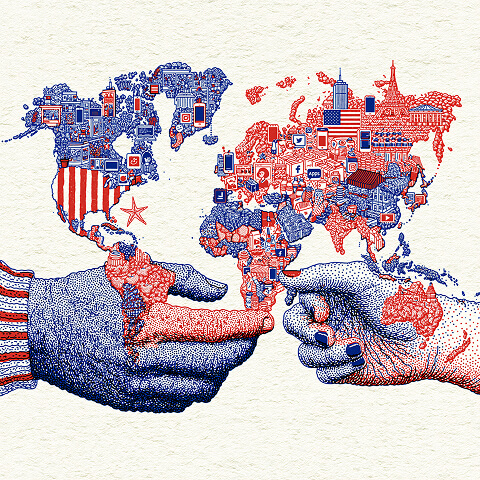
Introduction to World Branding
Branding is the comprehensive strategic process of crafting a lasting impression that shapes how people perceive, trust, and choose a company, and the branding world is the global system brands use to build that identity through consistent retail, digital, and emotional experiences across markets. In the 2020s, branding has moved far beyond static logos. Apple, Nike, and Samsung don't just sell products-they deliver ecosystems that feel consistent whether you're in Tokyo, London, or São Paulo.
Two decades ago, branding meant a recognizable logo and a catchy tagline. The 2010s layered storytelling and content marketing on top. Now, modern branding focuses on sharing purpose and values with consumers through every interaction, from app interfaces to in-store atmospheres. For branding professionals, marketers, business owners, and anyone studying how global brands earn attention and loyalty, that shift makes brand design, measurement, and deployment a business priority rather than a creative extra.
Organisations like the World Branding Forum and programmes such as the World Branding Awards reflect this evolution, setting benchmarks for excellence that span industries and continents. From foundational branding definitions and global identity systems to building cohesive brand worlds, digital-first execution, and the long-term link between trust, recognition, and growth, this article moves from core concepts to practical guidance-so you walk away with a clear understanding of how to build, measure, and deploy a brand world that works.
Core Concepts: Brand Identity in a Global Context
Brand identity is the combined set of assets that make a company recognizable: name, logo, visual elements, tone of voice, values, and customer experience. In international markets, these assets determine whether you earn mindshare or get lost in noise. They include visual identity, tone of voice, and storytelling that, together, tell people exactly who you are before a single word is spoken.
Successful global brands maintain a consistent core while adapting to local cultures. McDonald's keeps its Golden Arches and "I'm Lovin' It" everywhere, but introduces rice-based meals in Asia and vegetarian options in India. In japan, seasonal menu items tap into local food culture without diluting the brand. Distinctive assets-Apple's minimalist whitespace, Coca-Cola's red script-help a brand stand out in a crowded market and ensure strong branding enables customer identification in a competitive landscape by directly influencing customer perceptions and behaviour.
Verbal identity matters equally. Taglines must translate in meaning and tone, not just literally. Typography choices like Apple's San Francisco typeface carry emotional weight across every page of a website, every product, and every ad. The goal: whether someone encounters your brand on a billboard in Paris or a mobile screen in Mumbai, they immediately know it's you.
Free Brand Health Audit
Make sure your brand is built to sell
Search has changed. Your customers aren't just Googling anymore. They're asking ChatGPT, Perplexity, Gemini and other AI platforms what to buy, who to trust and which brands they should consider.
If your brand isn't showing up clearly in those answers, you're already losing opportunities. Our free Brand Health Audit shows you where your brand stands across traditional search, AI search and brand positioning.

Sample brand audit
Live preview
Traditional search
72
AI search (GEO)
34
Brand positioning
58
Building a Cohesive Brand World
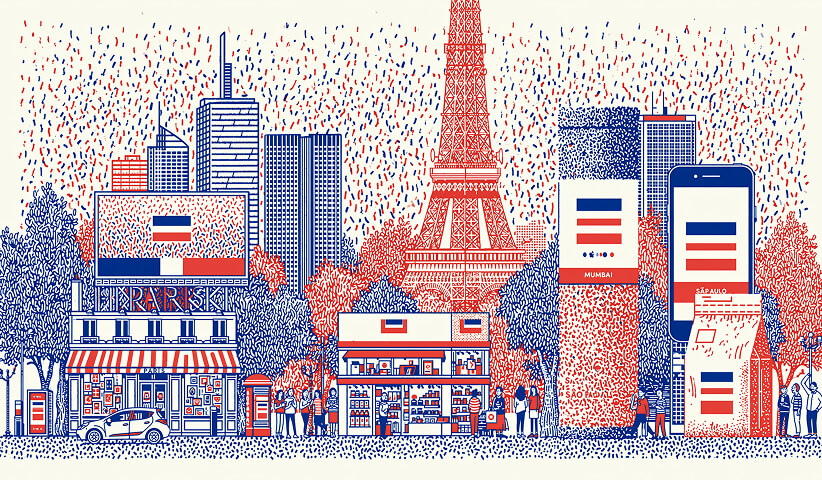
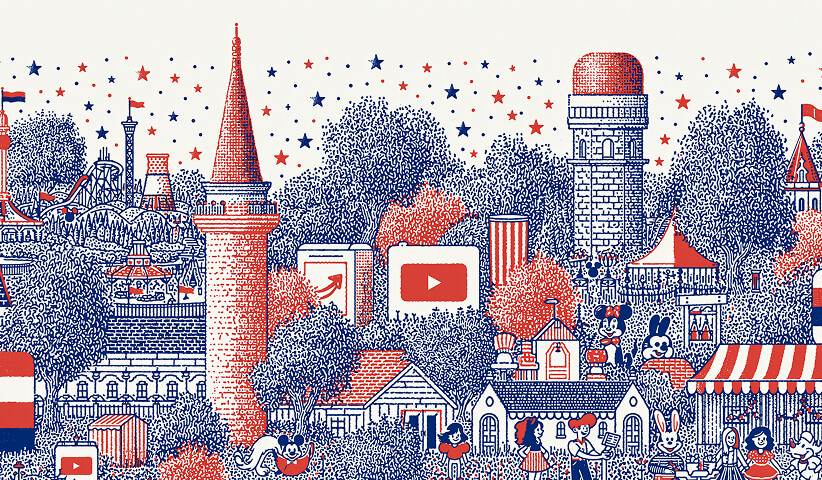
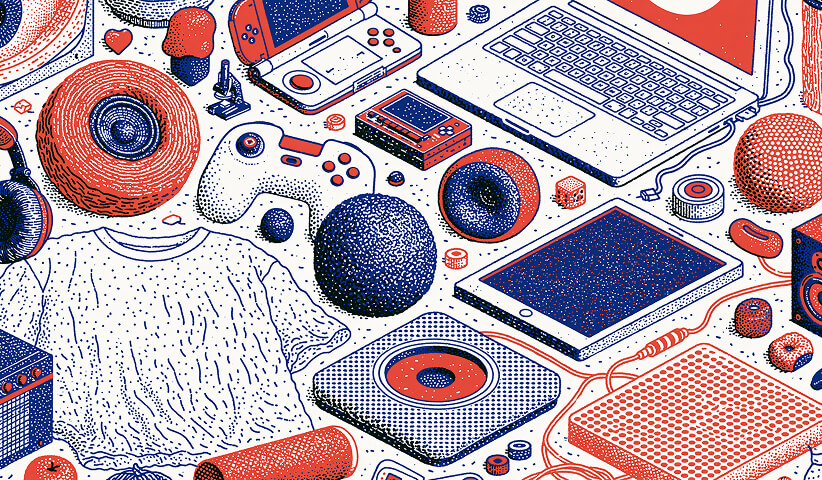
A brand world creates a cohesive universe for interactions-a distinct atmosphere that extends across product packaging, mobile apps, websites, customer service scripts, retail spaces, and social media profiles. It's not a set of guidelines sitting in a PDF. It's the lived experience people have every time they encounter your brand.
Disney is the textbook example. Its parks, streaming platform, merchandise, and marketing all deliver the same feeling of wonder and family. LEGO operates similarly: physical sets, films, and digital games all reinforce one imaginative, playful lifestyle that individuals of every age can step into. A strong brand world enhances customer loyalty and engagement by making people feel they belong somewhere.
Brand worlds help businesses stand out in crowded markets, and this isn't limited to corporations with billion-dollar budgets. Branding is vital for both corporations and small businesses in gaining market attention. A local coffee roaster that defines its atmosphere, voice, and values clearly can build the same emotional connection and familiarity that global players enjoy. It fosters consistent emotional connections with consumers at every scale.
Elements of an Immersive Brand World
The building blocks of an immersive brand world include a robust visual identity system, narrative and mythology, signature user experiences, sound and motion design, and community rituals. Netflix demonstrates this well: its "ta-dum" sonic intro, card-based interface, recommendation patterns, and micro-interactions all combine to create a world you recognize instantly.
Consistency is what holds everything together. Brands must ensure a cohesive voice across various channels-the emotional tone in a TV ad should match the tone in email confirmations, in-app notifications, and support chat. Developing clear brand voice guidelines helps ensure every touchpoint reinforces the same personality, so branding creates lasting positive impressions that lead to repeat business.
A well-defined brand world also serves as a decision filter. If a proposed campaign or touchpoint doesn't fit within the established universe, it should be revised or dropped. That discipline is what separates coherent brand experiences from patchwork ones.
The Role of the World Branding Forum and World Branding Awards
The World Branding Forum is a non-profit organisation based in london that organises programmes aimed at elevating branding standards worldwide. Through research, education, best practice guidelines, and recognition initiatives, it highlights what excellence looks like for both practitioners and consumers.
The World Branding Awards are the Forum's flagship programme, and they function as an international award presented to outstanding global and national brands. The awards have three tiers: Global, Regional, and National. A Global Award goes to brands present in ten or more countries across three or more continents, while Regional and National Awards recognize market leaders at their respective scales. This three-tier structure reflects a brand's real-world footprint rather than just marketing spend.
Ceremonies have historically been held in London (Kensington Palace, One Whitehall Place), Paris, Vienna, and New York. During the 2020–2021 period, virtual editions were hosted to maintain continuity. The distinctive gold-plated trophies, manufactured in Stratford-upon-Avon, are displayed at the Museum of Brands in London-a testament to the programme's commitment to integrity and permanence.
Judging, Scoring, and Consumer Trust
Winners are judged through brand valuation and consumer research, combined with public online voting in a structured three-stream model. For the 2025-2026 edition, scoring was split across brand valuation (30%), public votes (30%), and market research covering consumer perception (40%).
The scale of participation highlights how seriously consumers take these evaluations. Over 91,000 consumers voted in the 2025-2026 edition, and over 135,000 people voted in the 2017 awards-demonstrating sustained engagement across editions. Trust is vital for brands to maintain consumer confidence in the digital age, and this kind of third-party validation reinforces that confidence.
What makes the evaluation meaningful is its focus on long-term investment. Brand performance, consistency, and sustained identity work are evaluated-not flashy one-off campaigns. This approach rewards brands that have done the hard, ongoing work of building trust year after year.
Global Recognition and Upcoming Editions
The World Branding Awards have become a key recognition platform across sectors including FMCG, technology, luxury, and non-profit. The 2025-2026 ceremony marked the 20th edition and was held for the first time outside London, at the Osaka City Museum of Fine Arts in japan on 17 November 2025. Global winners included IKEA, LEGO, Lurpak, Marriott International, Nike, and Yakult.
With 1,092 nominated brands from 66 countries and fewer than 100 winners, the average number of winners per country hovered around five-making the achievement genuinely prestigious. Branding establishes a promise of quality or experience for stakeholders, and winning brands leverage the accolade in press releases, packaging badges, and investor communication as a trust signal. Upcoming editions include the Main Edition in November 2026 and specialised editions like the Maternalis Edition scheduled for 9 July 2026, each provided to recognize achievements in specific brand categories.
Want to learn more about brand platforms, Brand Strategy and Brand Identity? Keep reading!
If you need help with your companies brand strategy and identity, contact us for a free custom quote.
Designing a Global Brand Identity System
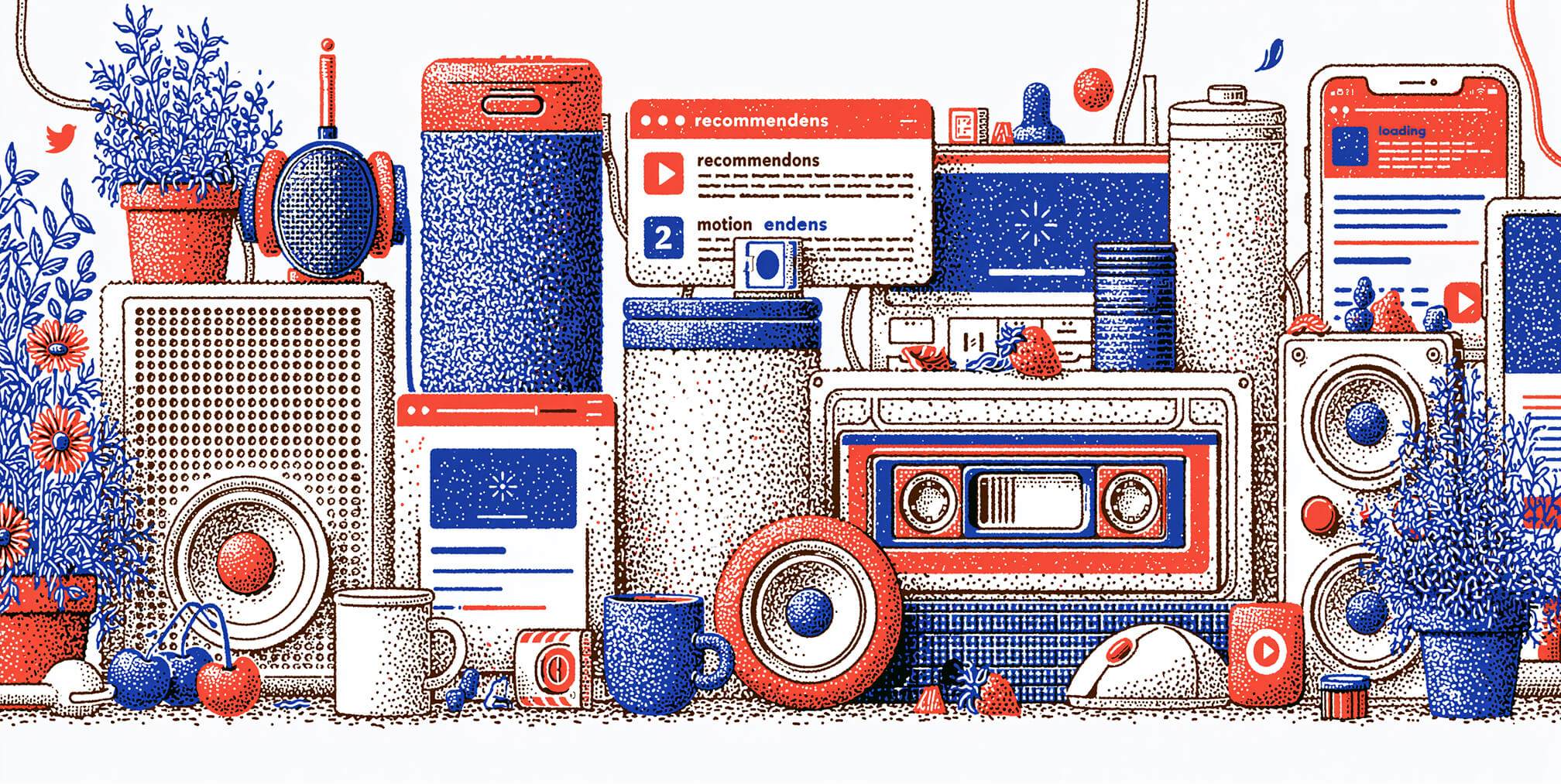
A modern brand identity system must work seamlessly across websites, apps, physical products, retail environments, and social media feeds. Adaptive visual identities are necessary for modern branding in digital contexts-a logo needs to function at favicon size, in dark mode, and on a storefront sign.
Strong identity systems balance timeless elements with flexible components. Core assets like a logo shape and primary colours remain immutable, while illustration styles, photography approaches, and seasonal variations can evolve. Investing in brand design and development ensures these decisions support differentiation rather than surface-level aesthetics. Accessibility matters too-legible typography, sufficient colour contrast, and culturally neutral core symbols ensure the brand communicates effectively to every audience.
Practical Steps to Create or Refresh Brand Identity
Start with discovery: competitor mapping across priority markets (US, EU, APAC), perception surveys, stakeholder interviews. Then define brand strategy-purpose, positioning, values, personality. Next, develop visual and verbal identity: logo, colours, iconography, tone of voice, and the core brand pillars that will guide messaging.
Prototyping is where many brands skip steps. Test how identity looks on small mobile screens, in dark mode, on packaging at shelf distance, and on event signage. Effective branding requires maintaining authenticity in a tech-driven landscape, so every application should feel genuine rather than forced. Document everything in a brand guidelines page with real, approved examples-not theoretical rules that nobody can apply. Plan a global roll-out with flexible templates and asset libraries that local teams can adapt without breaking consistency.
Creating an Experiential Brand World Across Touchpoints
Every touchpoint either strengthens or weakens the brand world. Apple's unboxing experience and retail store design reinforce its premium, design-led identity. Starbucks extends its atmosphere from physical store layouts into mobile ordering, naming conventions, and loyalty programmes. A strong brand communication strategy bridges the gap between purchase consideration and action by making every interaction feel intentional.
Omnichannel experiences are necessary for consistency across customer interactions. A customer engaging via TikTok should encounter the same personality-visual motifs, voice, energy-as they would through a help centre or in-person event. Micro-interactions matter: sounds on loading, animations, confirmation messages, and chatbot behaviour all communicate whether the brand universe is cohesive or patchwork.
Digital-First Branding in the 2020s
Digital channels have become the primary arena of the branding world. Consistent avatars, cover images, and content formats across YouTube, Instagram, LinkedIn, and TikTok create a strong digital identity. Brands must struggle to stand out amid increasing competition in digital markets, which means innovation in format-vertical video, interactive stories, live streams-without losing recognisability.
Community-driven branding fosters engagement through user-generated content and partnerships, turning passive followers into active participants. Global branding involves balancing community engagement with broad marketing strategies, ensuring local creators and individuals feel ownership while the brand retains its core voice.
Why Brand Worlds Drive Long-Term Growth
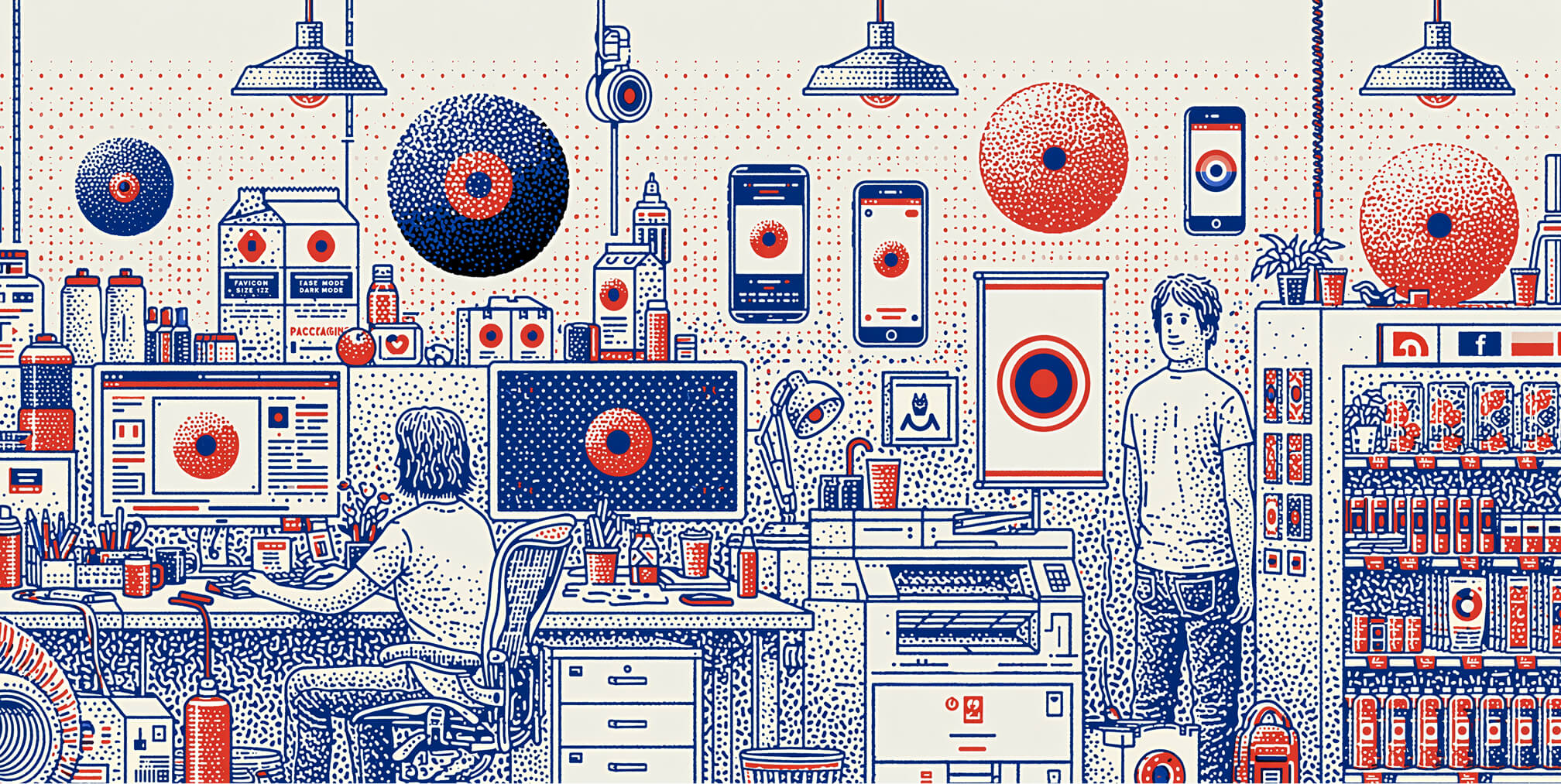
Strong brand worlds yield measurable outcomes: higher pricing power, improved customer lifetime value, and lower acquisition costs. Immersive, coherent experiences increase memory encoding-familiar colour, typeface, and sound make recall easier, which you can track on a bar chart of aided versus unaided awareness over time to see the quantitative impact of branding and the return on investment.
Brands like Supreme, Red Bull, and LEGO have turned their brand worlds into culture, opening new revenue streams through collaborations, licensing, and media. Awards and recognitions-such as the international award programmes run by the World Branding Forum-reinforce credibility with consumers, investors, and partners. Global branding is defined by balancing technology with authentic human connection, and hyper-personalization uses data and AI to tailor customer experiences while respecting privacy. Yet brands face challenges in maintaining emotional resonance while using AI, making human oversight essential.
Building Trust, Not Just Awareness
In the mid-2020s, trust is the primary differentiator. Consumers expect brands to demonstrate authenticity through actions, not slogans. Brands must provide verifiable sustainability claims to build consumer trust-vague promises no longer work. Purpose-led branding involves measurable commitments to environmental and social issues that can withstand scrutiny.
Rapid cultural changes can quickly alter public perception of brands, which is why transparent communication, clear policies, and consistent behaviour across markets matter so much. Third-party validation-independent reviews, consumer ratings, and international award recognition-signals reliability. When brands learn from setbacks, they rebuild trust by reasserting identity across touchpoints and telling honest, behind-the-scenes stories that humanise the business at a global scale.
Getting Started: Steps to Build Your Own Branding World
Here's a concise roadmap to creating your own brand world:
- Clarify purpose. Why does your brand exist beyond selling something? Define what you communicate to the world in a clear brand mission statement.
- Define your audience. Segment by priority markets, cultural norms, and needs.
- Craft core identity. Lock in visual and verbal assets that work across channels, starting with a strategic brand audit and a memorable, perfect brand name.
- Design experiences. Pilot in one market or product line before a global roll-out.
- Measure and refine. Track brand awareness, preference, NPS, share of search, and engagement rates. Audit consistency every year.
If internal capacity is limited, bring in experts for strategy, design, and even award submissions-because recognition can itself accelerate authority. The branding world isn't a closed competition. It's a stage you grow onto with clarity, discipline, and commitment. Start with one market, one story, one cohesive experience-and build from there.

Quincy Samycia
As entrepreneurs, they’ve built and scaled their own ventures from zero to millions. They’ve been in the trenches, navigating the chaos of high-growth phases, making the hard calls, and learning firsthand what actually moves the needle. That’s what makes us different—we don’t just “consult,” we know what it takes because we’ve done it ourselves.
Want to learn more about brand platform?
If you need help with your companies brand strategy and identity, contact us for a free custom quote.
We do great work. And get great results.
+2.3xIncrease in revenue YoY
+126%Increase in repurchase rate YoY



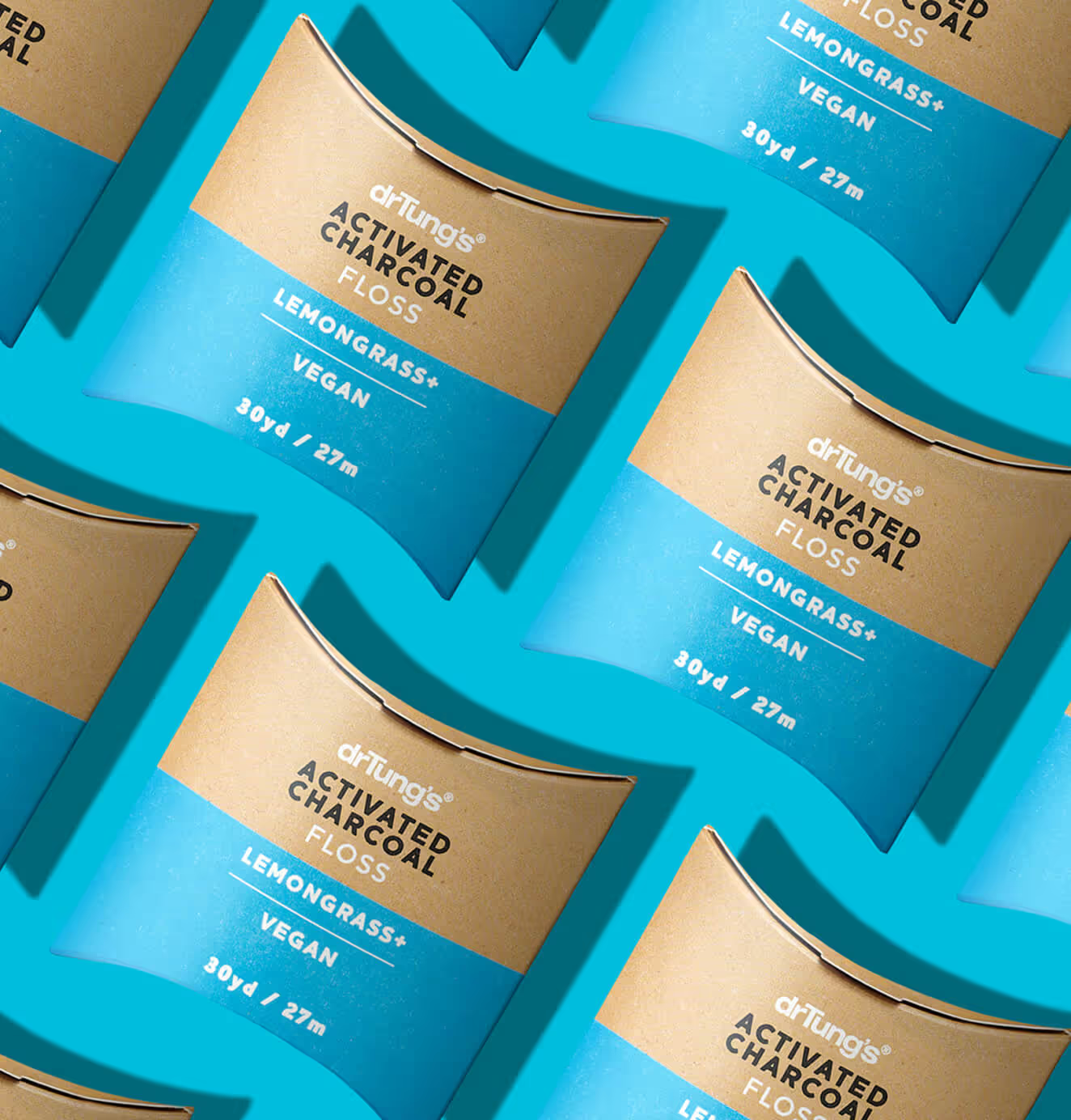
+93%Revenue growth in first 90 days
+144% Increase in attributed revenue




+91%Increase in conversion rate
+46%Increase in AOV



+200%Increase in conversion rate
+688%Increase in attributed revenue