Category Design Strategy for Leaders: 90 Day Playbook Backed by HBR
10/28/2026
Brand Strategy
Learn how to build a category design strategy in 90 days to create market demand, strengthen differentiation, and position your business for category leadership.
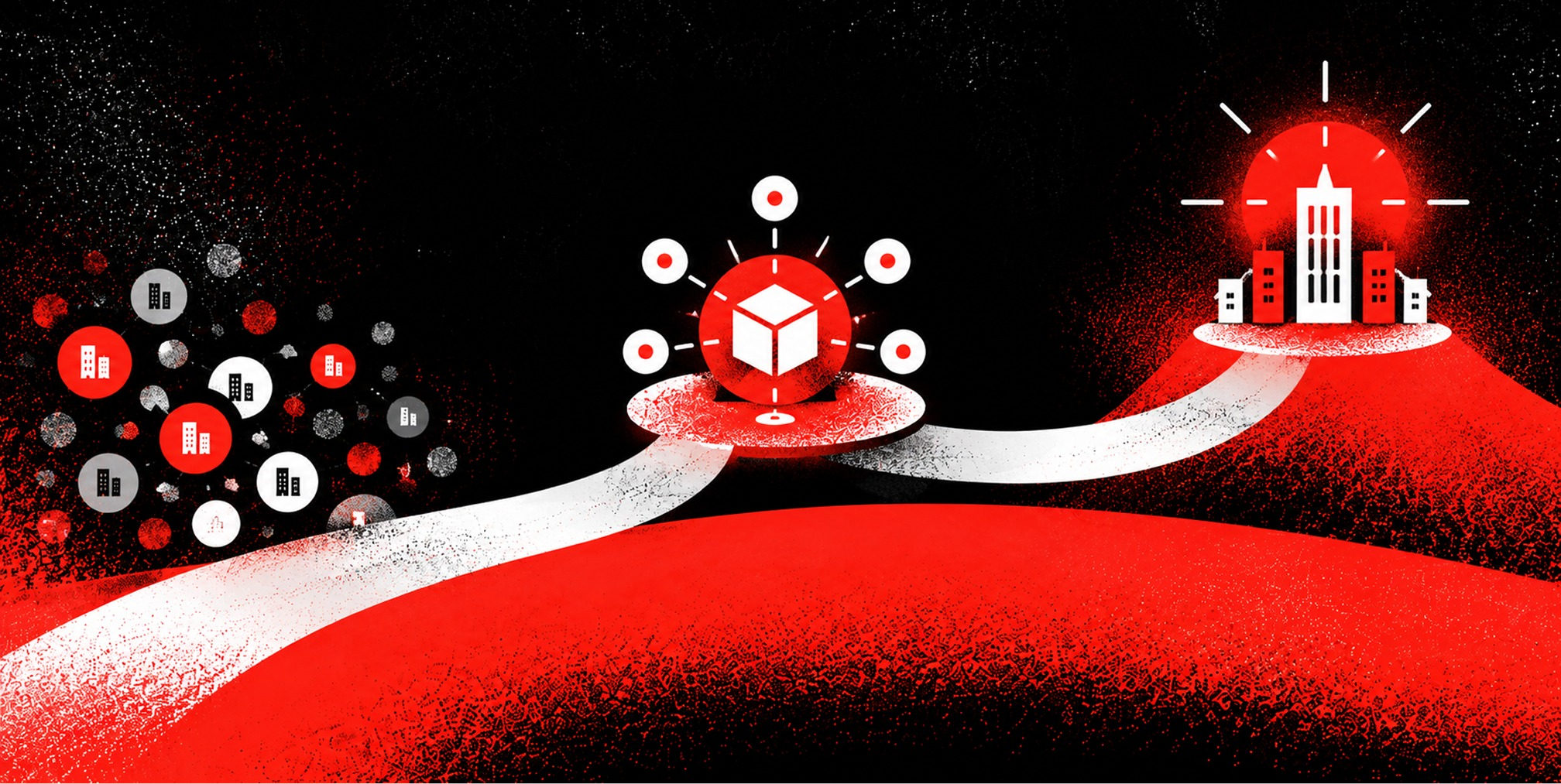
Category design strategy is the disciplined process of creating and leading a new market category so your company captures disproportionate value, rather than fighting for share in a market someone else has already defined.


What Category Design Strategy Actually Means for Your Business



Category design is not repositioning, not a rebrand, and not a clever tagline. It’s the strategic act of naming and shaping a new problem space so customers judge you by rules you wrote. Instead of competing on features inside someone else’s category, you build the category itself, its vocabulary, its evaluation criteria, and its price logic, then occupy the leadership position by default.
This distinction matters because most executives conflate category design with point of view marketing, which is really just one component. A point of view (POV) is the argument for why the old way of solving a problem is broken. Category design is the full system: the POV, the product, the standards, the community, and the go-to-market motion built around all of it. Get the POV right and you’ve earned attention. Get the whole system right and you own the category’s economics.
The strategic goal is demand creation, not demand capture. Demand capture means intercepting people already searching for a known solution, essentially fighting for existing budget. Demand creation means convincing a buyer that a problem they’ve tolerated for years actually has a name, a cost, and a solution they didn’t know existed. Salesforce didn’t capture demand for “software”; it created demand for the category it named cloud CRM. That’s the difference between optimizing a paid media budget and building a business that sets its own terms.
How Category Design Delivers Measurable Business Advantage
The 76% figure from HBR’s research on first movers versus category creators is the single most important number in this entire discipline. Being first to market means nothing if a competitor later designs the category better than you do. Category creation, not mere market entry timing, is what determines who captures the value.
Companies that successfully design and lead a new category capture approximately 76% of that category’s total market capitalization, according to HBR research on category creation versus first-mover status.
Four mechanisms explain why the winner takes such a disproportionate share:
• Category vocabulary becomes the default. When buyers adopt your language, competitors have to explain how they fit a conversation you started.
• New evaluation criteria favor your strengths. Buyers compare solutions on the problem and outcomes your category defines, rather than a commodity feature checklist.
• Pricing power follows differentiated value. A credible new job-to-be-done and measurable outcome can make old-category price comparisons less relevant.
• Ecosystem effects reinforce leadership. Customers, partners, analysts, and standards contributors help teach the market, reducing the effort required to explain the category on your own.
These advantages compound. The earlier you establish category language and standards, the harder it becomes for a fast-follower to unseat you, which is exactly why timing decisions in year one carry more weight than almost any other strategic call a leadership team makes that year.
Core Principles Every Category Designer Should Follow
Category design rewards discipline over cleverness. Four rules separate durable category kings from companies that generate a press cycle and fade.
• Build the POV around a costly customer problem. Show what changed, why the old approach fails, and what better outcome becomes possible.
• Choose a category name buyers can understand and repeat. Balance a familiar anchor with a distinct new idea; test the phrase in customer conversations.
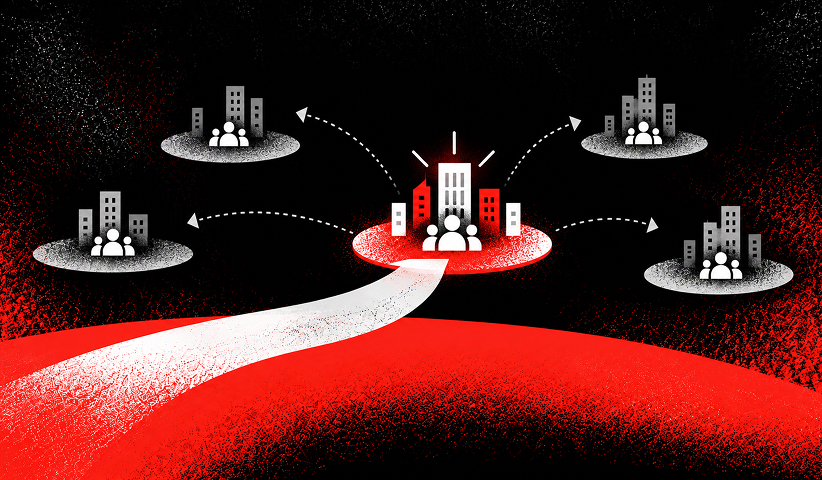
• Win one beachhead before claiming the whole market. Focus the product, case studies, and sales motion on a narrow segment with urgent need.
• Make category evidence bigger than marketing. Product results, customer councils, common definitions, and useful standards must substantiate the claim.
Pro Tip: Resist the urge to declare category leadership in your first press release. Premature labeling without proof points invites skepticism from analysts and buyers alike, and you only get one chance to make the claim credibly.
A Step-by-Step Playbook to Design and Launch a Category
Category creation marketing fails most often because teams skip straight to messaging without doing the operational groundwork. Run these steps in sequence.
• Days 1–15: Diagnose the problem. Interview customers, review lost deals and workarounds, and estimate the cost of the current approach. Deliverable: a documented unmet job and evidence base.
• Days 16–30: Draft and test the point of view. Write the old-way/new-way argument and test two or three category labels with customers and sales. Deliverable: a clear POV and working vocabulary.
• Days 31–45: Select a beachhead. Score segments for urgency, willingness to pay, accessibility, and proof potential. Deliverable: one priority ICP and explicit exclusions.
• Days 46–60: Align product and pricing. Define proof of the promised outcome, initial packaging, and the success measures the product can actually deliver. Deliverable: category-specific offer and scorecard.
• Days 61–75: Build market education. Publish the category explainer, customer proof, sales narrative, and FAQ; recruit an initial customer council. Deliverable: a coordinated launch toolkit.
• Days 76–90: Launch, learn, and adjust. Activate the beachhead across sales, content, partnerships, and events, then review adoption signals and objections. Deliverable: a next-quarter investment decision.
Each of these steps should map back to a clearly defined product strategy so the narrative and the actual product experience never drift apart.
Category Design Examples That Show the Playbook in Action
Keurig and the K-Cup. Keurig didn’t just sell a coffee machine. It designed an entirely new consumption model, single-serve, at-home café convenience, then monetized the recurring pod purchase at a steep premium over ground coffee. The POV was familiar enough (coffee) but original enough (instant single-serve) to justify new household spending. Tactical takeaway: monetization models are part of category design, not an afterthought bolted on later.
DocuSign and the beachhead strategy. DocuSign picked real estate as its first beachhead rather than attacking “all business agreements” simultaneously. It iterated its product and subscription pricing against that narrow buyer before expanding into legal, HR, and finance. Tactical takeaway: a narrow, well-chosen first market teaches you the pricing and packaging lessons you need before you scale the claim.
Ariba and standards-led adoption. Ariba, later SAP Ariba, built customer councils and helped establish the cXML standard for procurement transactions. According to MIT Sloan’s analysis of category kings, this combination of customer co-creation and standards facilitation was central to how Ariba scaled trust across a skeptical enterprise buyer base. Tactical takeaway: proposing the industry standard, even an imperfect one, can matter more than any single feature release.
When Category Design Is the Wrong Strategy
Category creation demands sustained resources over multiple years, and not every company should attempt it. Watch for these signals before committing.
• The problem is already well understood and buyers evaluate alternatives on familiar terms. Sharper positioning inside the existing category may be more efficient.
• The offering cannot consistently deliver a distinct outcome. Fix product fit and repeatability before teaching the market a new frame.
• The company lacks the resources for sustained education. A new category needs repeated proof, not a one-quarter campaign.
• Buyers do not recognize the proposed problem, even after clear explanation and customer interviews. Revisit the insight instead of forcing a label.
• The new label adds confusion without improving willingness to pay or purchase urgency. Use straightforward differentiation rather than inventing vocabulary.
Three common mistakes sink otherwise promising category bets: declaring category leadership before the product proves the job-to-be-done metrics, chasing press coverage instead of customer adoption, and mistaking category emergence (a trend the market stumbled into) for category creation (a deliberate act of design), a distinction academic research on category formation treats as foundational.
Pro Tip: If your product still requires heavy customization for every customer, you’re not ready to design a category. Standardize the offering first, then build the narrative around it.
Recap and Your Next Three Moves
The risk is real: half-measures produce press coverage without market ownership. Prioritize three moves this quarter: craft and verbally test your POV, pick one defensible beachhead instead of a broad market claim, and convene a customer advisory council before your next campaign launch. In your first 90 days, track vocabulary adoption in sales calls and pricing premium against the old category, not vanity metrics like impressions.
• Move 1: Interview five to ten target buyers and test whether they can explain the proposed new problem in their own words.
• Move 2: Commit to one beachhead and one proof point that demonstrates a measurable improvement over the current alternative.
• Move 3: Establish a customer council and a quarterly scorecard for vocabulary adoption, qualified demand, and pricing power.
Free Brand Health Audit
Make sure your brand is built to sell
Search has changed. Your customers aren't just Googling anymore. They're asking ChatGPT, Perplexity, Gemini and other AI platforms what to buy, who to trust and which brands they should consider.
If your brand isn't showing up clearly in those answers, you're already losing opportunities. Our free Brand Health Audit shows you where your brand stands across traditional search, AI search and brand positioning.

Sample brand audit
Live preview
Traditional search
72
AI search (GEO)
34
Brand positioning
58
The Role of Market Research and Customer Insights in Category Design

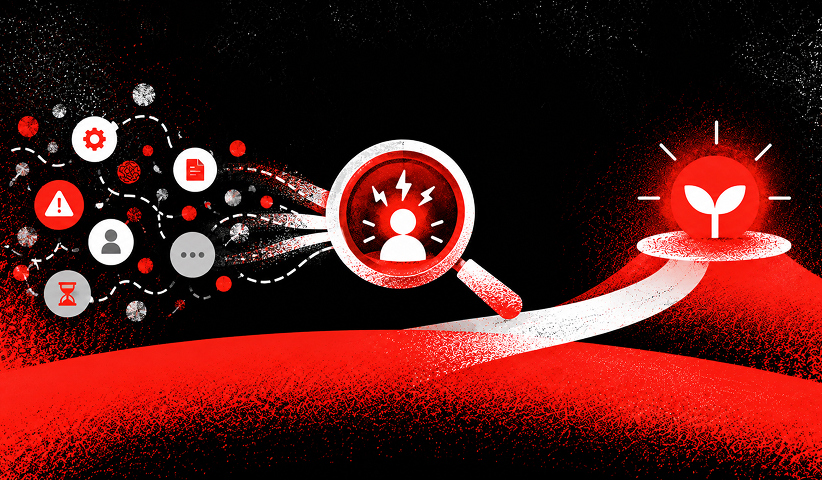
Category design without customer research is just branding wrapped around a guess. The research that matters here isn’t the standard competitive audit; it’s a targeted effort to find the workaround your best customers already tolerate and quantify its cost. That workaround is your category’s founding insight.
Structured customer interviews should answer three questions: What do buyers currently call this problem, if anything? What have they tried that failed? And what would they need to see to trust a genuinely new solution? The answers shape your POV’s language and determine whether your proposed label leans too far into jargon or too far into the familiar.
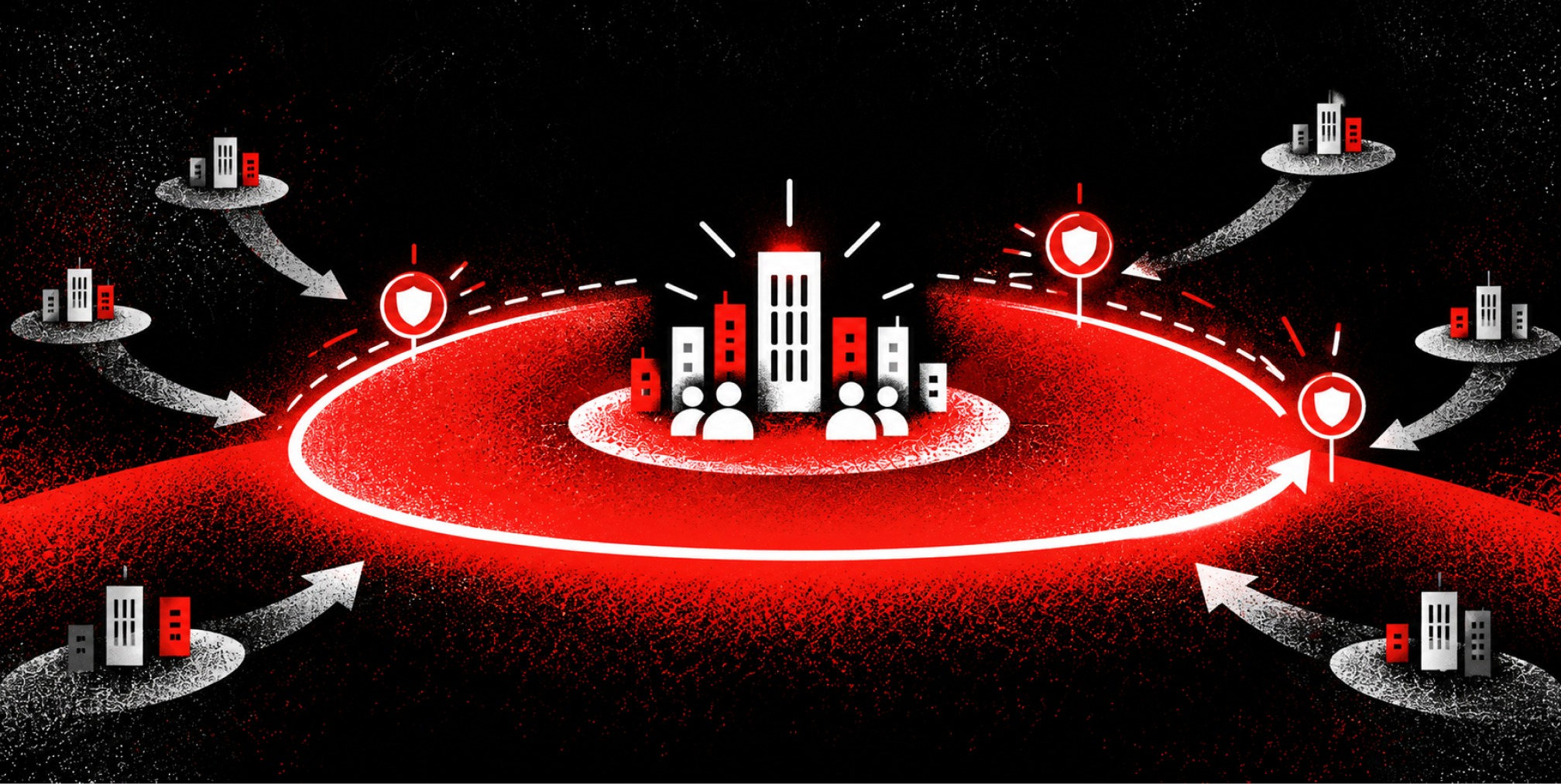
Customer councils, small groups of your most engaged early customers, serve a dual research and evangelism function. MIT Sloan’s research on category kings found that people support what they help create; a council that shapes your product roadmap becomes a genuine sales engine, not just a feedback mechanism. This is also where market positioning strategy gets tested against reality before you spend on broad awareness campaigns. A customer strategy built around jobs-to-be-done gives you the framework to keep that research structured rather than anecdotal.
Measuring and Tracking the Success of a Category Design Strategy
Standard marketing metrics, impressions, clicks, even pipeline, tell you almost nothing about whether a category is actually forming. Category-specific measurement requires tracking signals that prove buyers have adopted your worldview, not just your product.
Track vocabulary adoption first: are prospects and analysts using your category term unprompted, in RFPs, in job titles, in competitor messaging? That’s the clearest signal a category is taking hold. Second, track pricing delta: are you commanding a premium over the “old category” alternative your POV displaced? If pricing pressure looks identical to commodity competitors, the category hasn’t yet earned its own economics.
Third, monitor category share of mind through analyst mentions, unprompted organic search volume for your specific terminology, and how often competitors start borrowing your language, imitation is a lagging indicator of category traction. Finally, track customer council engagement and referral rates, since a council that stays active and vocal is a leading indicator that your evangelism infrastructure is working, not just your product.
Review these metrics quarterly against the 90-day milestones set in your original playbook. A category strategy that isn’t producing vocabulary adoption or pricing power by month twelve needs an honest reassessment, not more budget thrown at the same message.
How to Sustain and Evolve a Category After Initial Design
Winning a category once doesn’t guarantee you keep it. HBS research on category formation shows that market-shaping activities, the same evangelism and cultural work that built the category, can also create organizational inertia if leadership stops adapting the narrative as the market matures.
The category you designed in year one will not be the category you’re defending in year five. Competitors will enter, some legitimately advancing the space and some diluting your label with lookalike positioning. Your job shifts from creation to stewardship: continuing to publish standards updates, refreshing your POV as buyer sophistication increases, and expanding the category’s boundaries deliberately rather than letting fast-followers redefine them for you.
This is also where brand category development becomes an ongoing discipline rather than a one-time launch. Revisit your customer council’s composition as your buyer base matures from early adopters to mainstream. Early evangelists often aren’t the same voices who carry credibility with a more risk-averse majority. Continue facilitating the standards or measurement frameworks you introduced early; letting a rival propose the “version 2.0” of your own standard is one of the fastest ways to lose category leadership you already earned.
Want to learn more about brand platforms, Brand Strategy and Brand Identity? Keep reading!
If you need help with your companies brand strategy and identity, contact us for a free custom quote.
Integrating Category Design With Business and Marketing Strategy

Category design cannot live inside the marketing department alone. It has to shape product roadmap decisions, sales enablement, pricing strategy, and even hiring, because every function communicates the category’s POV whether or not it’s been briefed to do so.
Product teams need the category’s job-to-be-done metrics built into their roadmap prioritization, not just marketing’s messaging brief. Sales needs training on the category vocabulary so reps aren’t reverting to old-category comparisons out of habit during calls. Pricing needs to reflect the value the new category delivers rather than anchoring to the displaced alternative’s price point, otherwise you undercut the very premium the strategy is designed to capture.
This is where product category strategy and overall business strategy have to move in lockstep. A strong brand strategy foundation ensures the visual identity, messaging, and product experience all reinforce the same POV instead of sending mixed signals to a market you’re still trying to convince. Treat category design as a cross-functional operating model, reviewed at the same cadence as your quarterly business strategy, not a campaign that lives and dies in a single department’s budget.
How The Branded Agency Approaches Category-Design Engagements
We build category-design work inside our brand-backed performance™ model, connecting the POV and narrative work to the creative, web, and demand-generation systems that actually carry it to market. Internal teams often have the domain expertise but lack bandwidth for the sustained evangelism and standards-building this work demands; that’s usually the point where outside support accelerates the timeline rather than replacing internal judgment.
• Discovery and category hypothesis: audit positioning, interview buyers, identify the expensive workaround, and define where the current category falls short.
• POV and identity system: craft the old-way/new-way narrative, category language, proof architecture, and a distinct brand expression.
• Beachhead go-to-market: align the initial segment, sales narrative, website, content, and campaigns around one measurable customer outcome.
• Measurement and iteration: review customer language, qualified opportunities, adoption evidence, and pricing conversations, then adjust the narrative against real market feedback.
Ready to Build Your Category’s Point of View?
An integrated approach to category-design work connects brand strategy, creative, and go-to-market execution as one system, so your POV doesn’t get lost in handoffs between departments. Our branding services for growth-stage companies start with the same POV and beachhead work outlined above, then carry it directly into the content marketing and thought leadership programs that build evangelism at scale.
If your team has the domain expertise but not the internal bandwidth to run customer councils, standards work, and a sustained narrative program simultaneously, that’s exactly where an integrated partner earns its keep. Review our service pricing and book a strategy consult to map out your first beachhead and 90-day milestones.
Frequently Asked Questions

What Is a Category Design Strategy?
A category design strategy is the deliberate process of creating and leading a new market category rather than competing inside an existing one. It combines a bold point of view, a defensible first beachhead, standards creation, and customer evangelism, and HBR research shows category creators capture roughly 76% of the category’s total market value as a result.
What Are the Four P’s of Category Management?
Category management traditionally refers to product, price, place, and promotion applied at the category level rather than the individual SKU level. Category design strategy goes further than category management: it’s about inventing the category itself, not just optimizing marketing mix within one that already exists.
What Are the Key Principles of Category Design?
The core principles are crafting a defensible point of view, choosing a category label that balances familiarity with originality, landing a narrow beachhead before expanding, and facilitating industry standards early. Research on category labels confirms that labels balancing both familiarity and originality diffuse fastest among buyers and analysts.
How Is Category Design Different From Market Positioning?
Market positioning strategy typically works within an existing category, aiming to claim a spot relative to known competitors. Category design creates the category itself, meaning you write the evaluation criteria buyers use, rather than accepting rules a competitor already established.
Can The Branded Agency Help With Category Creation Marketing?
Yes. The Branded Agency runs category-design engagements that connect brand strategy, creative, and go-to-market execution under one integrated model, and current service pricing is available on the agency’s pricing page. This suits growth-stage companies that have the product and domain expertise but need dedicated bandwidth for evangelism, narrative, and standards work.

Quincy Samycia
As entrepreneurs, they’ve built and scaled their own ventures from zero to millions. They’ve been in the trenches, navigating the chaos of high-growth phases, making the hard calls, and learning firsthand what actually moves the needle. That’s what makes us different—we don’t just “consult,” we know what it takes because we’ve done it ourselves.
Want to learn more about brand platform?
If you need help with your companies brand strategy and identity, contact us for a free custom quote.
We do great work. And get great results.
+2.3xIncrease in revenue YoY
+126%Increase in repurchase rate YoY



+93%Revenue growth in first 90 days
+144% Increase in attributed revenue




+91%Increase in conversion rate
+46%Increase in AOV




+200%Increase in conversion rate
+688%Increase in attributed revenue