Brand Authenticity Statistics: Marketing Stats That Prove It Works
03/09/2025
Branding / Marketing Strategy
In today’s competitive market, authenticity is the key to brand loyalty—these eye-opening statistics reveal why investing in branding is essential for long-term success.
In a world that’s perpetually flooded with information and choices, branding isn’t just about slapping a logo on a product and hoping for the best. It’s about crafting a company identity that resonates with your audience on a visceral level, a connection that transcends mere aesthetics. Enter the enigmatic realm of color psychology, a powerful tool that can either make or break your brand’s message. A company's approach to branding is an important factor in achieving strong brand recognition, as consistent use of branding elements like colors, logos, and fonts helps build credibility and trust. Color psychology should be an integral part of a brand strategy to align with customer values and improve branding, as it significantly contributes to brand recognition.
0:00
0:00
The Power of Brand Recognition
No items found.
Introduction to Authentic Brands
In today’s crowded marketplace, authentic brands stand out by staying true to their core values and mission. Rather than relying on flashy promises or superficial marketing tactics, these brands focus on fostering genuine experiences and meaningful relationships with their target audience. Consumers are increasingly seeking out brands that reflect their own values and beliefs, with a remarkable 93% saying that authenticity is a key factor in their satisfaction.
By embracing what makes them unique and communicating their story honestly, authentic brands build trust and loyalty that lasts. This commitment to authenticity not only strengthens brand reputation but also helps brands differentiate themselves from competitors. When consumers feel a real connection to a brand’s values, they’re more likely to support it, advocate for it, and remain loyal over time. In a world where trust is currency, authenticity is the foundation for building lasting relationships and achieving brand success.
The Art of Influence
Picture this: You're strolling through a bustling mall, and you spot a store that's painted a deep, inviting shade of blue. Chances are, you're going to be drawn to it, even if you're not sure what they're selling. That's the magic of color psychology in action. It's the subtle art of manipulating emotions, steering perception, and influencing decisions, all through the strategic use of colors.
The Science Behind the Palette
Before you dive headfirst into the world of colors, you need to understand the science behind them. Each hue has a unique emotional connotation. Red is fiery and passionate, invoking feelings of excitement and urgency. Blue is calming and trustworthy, suggesting stability and dependability. Green is fresh and natural, symbolizing growth and renewal. Every shade carries its own baggage of emotions, and that's where the fun begins.
Color and Branding: A Love Affair
Your brand’s color palette isn’t just about aesthetics; it’s a reflection of your identity. The colors you choose can also communicate your brand's values to the audience, signaling what your business stands for and believes in. The colors you choose send a message to your audience, sometimes even before they read a single word of your marketing copy. An authentic brand uses color intentionally to reinforce its genuine identity and build trust with consumers. Are you a high-energy tech startup? Go for vibrant, attention-grabbing colors. Representing a wellness retreat? Soothing, earthy tones might be your thing.
Consistency is Key
Building a recognizable brand means being consistent with your color choices. Imagine the confusion if Coca-Cola suddenly ditched its iconic red for neon green. Consistency builds trust and familiarity. When customers see your signature colors, they should immediately think of your brand.
The Power of Subliminal Messaging
Ever wondered why fast-food chains often opt for red and yellow? These colors aren't just visually striking; they're known to stimulate appetite and urgency. It's no accident that McDonald's and KFC rock these shades.
Global Language
Color psychology transcends borders. While cultural differences do exist, some colors have universal appeal. For example, purple is often associated with luxury and sophistication, making it a popular choice for high-end brands worldwide. Many brands choose colors with global resonance to appeal to diverse markets. Understanding the global resonance of colors can help you make an impact beyond your local market.
Avoiding Color Clashes
While color psychology is a potent tool, it's a double-edged sword. Using the wrong colors can lead to confusion, miscommunication, or even repulsion. It's essential to research and test how your chosen palette resonates with your target audience before committing.
In a world where brands are fighting for attention, color psychology offers a strategic advantage that's too potent to ignore. Your brand's colors are more than just visual fluff; they're the emotional doorway to your audience's heart and mind. So, choose your hues wisely, and paint a vivid canvas of perception that sticks in the minds of your customers.
In the kaleidoscope of branding, color is your secret weapon. Whether you're painting the town red or going for a more serene shade, remember: every hue tells a story, and that story can make all the difference in the world.
The Blink of an Eye: First Impressions and Web Presence
In the digital age, your brand’s first impression often occurs in the blink of an eye, and it’s all happening online. Your web presence is your storefront, your calling card, your virtual handshake – it’s where potential customers meet you for the very first time. Online shoppers often form their opinions based on your online presence, influencing their engagement and purchasing decisions. The importance of brand visibility for online presence and search engine rankings cannot be overstated, as it directly impacts click-through rates and overall brand exposure. Incorporating video content and more video content on social platforms can significantly enhance engagement and brand recognition, as consumers increasingly prefer these formats for interacting with brands and learning about products. And guess what? Color psychology plays a starring role in this critical encounter.
Website's Visual Symphony
Your website is the centerpiece of your online presence, and color is the conductor of this visual symphony. When someone lands on your site, they're making split-second judgments. Is it inviting? Trustworthy? Does it resonate with their needs and desires? Your color palette is your way of answering these questions without saying a word.
The Power of the Fold
Scrolling through a webpage, the top portion—the "above the fold" section—is prime real estate. It's the first thing visitors see, and it sets the tone for their entire experience. Choose your dominant color here carefully. It should encapsulate your brand's essence and evoke the right emotions. If your brand is about innovation and excitement, go for bold and vibrant. If it's more about sophistication and reliability, opt for something more subdued.
Creating Harmony
Consistency is key not only within your website but across all your digital platforms. From social media profiles to email newsletters, maintaining a harmonious color palette reinforces your brand’s identity. Marketing departments play a crucial role in ensuring this consistency, overseeing brand guidelines and coordinating visual elements across channels. Your audience should feel like they’re navigating a well-choreographed dance, not stumbling through a chaotic circus.
Color and Conversion
Believe it or not, color psychology can have a substantial impact on your conversion rates. The color of your call-to-action buttons, for instance, can significantly influence whether a visitor becomes a customer. Experiment with contrasting colors to make those buttons pop and guide your audience's next move.
Accessibility Matters
While color psychology is a powerful tool, it's essential to be mindful of accessibility. Not everyone perceives colors in the same way, and some may have visual impairments. Ensuring that your website is designed with accessibility in mind ensures that your message reaches as many people as possible.
Navigating the Sea of Competition for Brand Visibility
In a digital landscape flooded with brands vying for attention, your color choices can set you apart. Imagine entering a virtual sea of websites, and one stands out like a lighthouse in the dark. That's what the right color scheme can do—it guides your audience's attention to you.
Mobile Matters
In an era where mobile devices reign supreme, responsiveness is a must. Your colors should look just as captivating and engaging on a smartphone as they do on a desktop. A seamless mobile experience ensures that you make a memorable first impression, regardless of the device.
In the world of digital branding, every pixel, every shade, and every second counts. Your web presence isn't just a website; it's a digital embodiment of your brand's soul. So, when it comes to color, wield it with purpose, wield it with intention, and create an online experience that's nothing short of mesmerizing. In the world of web presence, color psychology isn't just a tool; it's a masterstroke.
The Consistency Conundrum
In the realm of branding, consistency is the glue that binds your brand’s various elements into a harmonious, recognizable whole. It’s a journey that every entrepreneur must embark upon to create a brand identity that resonates and endures across time and channels. Maintaining a consistent brand image across all channels helps customers understand your business values and creates a relatable identity.
Maintaining consistency is also crucial for building a strong employer brand, as it helps attract top talent and reinforces a positive reputation among potential candidates. Negative reviews on employer review sites can significantly impact the perception of your employer brand, making it essential to actively manage and respond to feedback to maintain a positive image.
So, what exactly do we mean by brand consistency?
Put simply, it's the art of ensuring that your brand's values, image, and messaging remain unwavering across all touchpoints and channels. Whether it's your website, social media profiles, marketing materials, or customer interactions, brand consistency ensures that your brand speaks with one clear voice. Influencer marketing campaigns can also play a crucial role in maintaining this consistency and driving brand awareness.
Building Trust and Brand Loyalty Through Consistency
Welcome to the world of brand consistency, where every interaction becomes a building block in the foundation of trust. As an entrepreneur, understanding how consistency fosters trust is key to carving a lasting impression in your audience’s hearts and minds.
A consistent visual identity and audience engagement are crucial components of an effective branding strategy. Picture this scenario: you visit a popular coffee shop chain. Whether you’re in New York, Paris, or Tokyo, the experience is strikingly similar. The logo is the same, the menu items are consistent, and the aroma of freshly brewed coffee is unmistakable. This is the magic of brand consistency in action.
Now, let’s turn our attention to a compelling statistic that reaffirms the importance of this consistency.
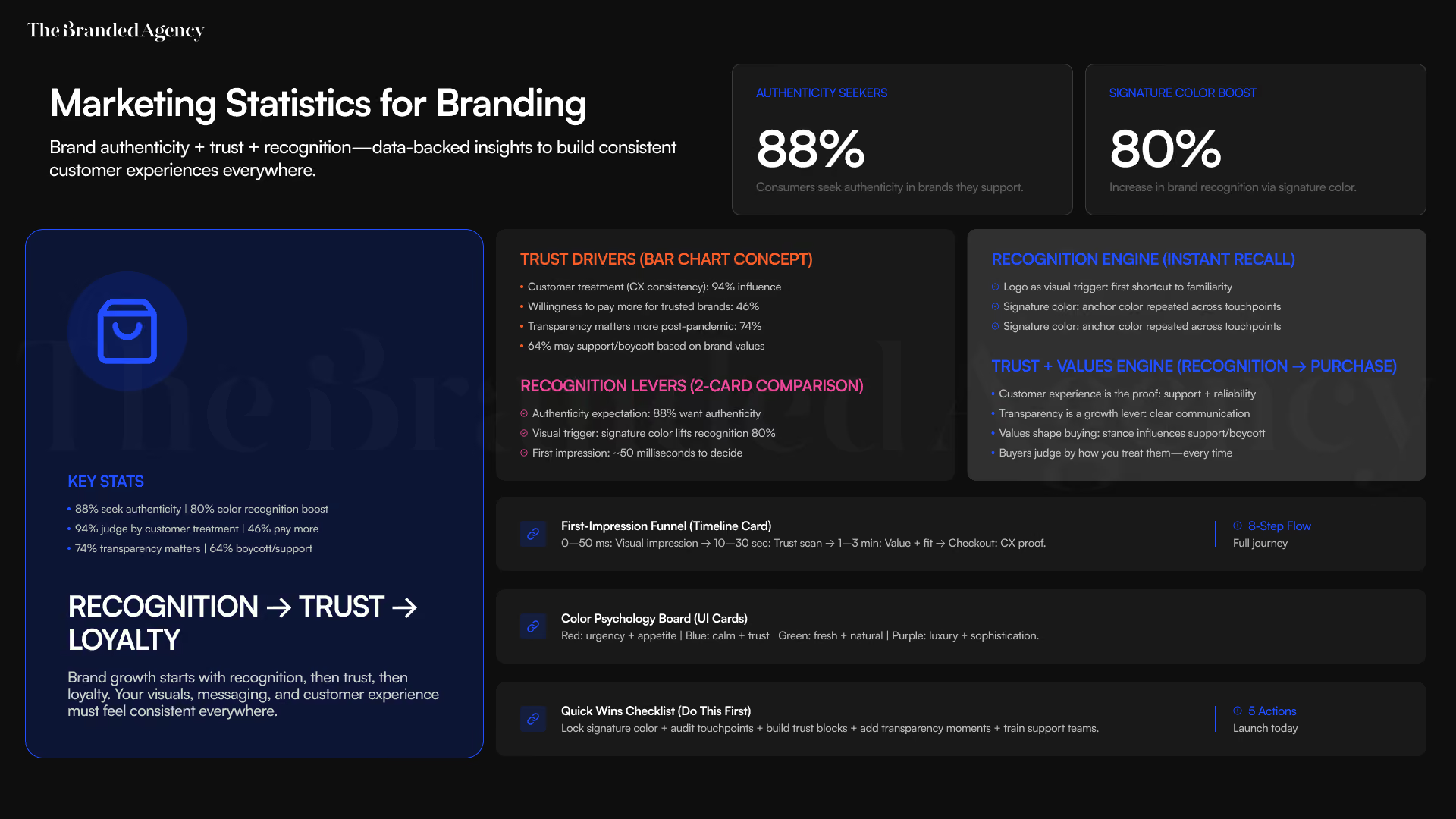
Consumers say a staggering 94 percent of consumers agree that a brand’s treatment of its customers significantly influences their decision to make a purchase.
This goes beyond the product or service itself; it’s about the entire customer experience and how it aligns with the brand’s promise. Complete transparency and transparent communication are essential for building trust, as they show customers that your brand is open and genuine in its practices.
When your customers encounter consistent branding at every touchpoint, from your website to your social media profiles, emails, and in-person interactions, they experience a sense of reliability. This reliability fosters trust because customers know they can count on your brand to deliver a consistent and honest experience time and again. Many consumers prioritize authenticity and transparency when making purchasing decisions, and shoppers prefer brands that are transparent and authentic.
Shoppers stay loyal to brands that align with their values and demonstrate authenticity. Building this trust and loyalty can also increase revenue for brands, as loyal customers are more likely to make repeat purchases and recommend your brand to others.
The Heart of Branding: Emotional Connection
In the ever-evolving landscape of branding, one element stands out as the heart and soul of your brand’s relationship with its audience: emotional connection. It’s the intangible thread that weaves lasting bonds between your brand and customers, and it’s a vital aspect every entrepreneur should embrace.
Content marketing plays a crucial role in creating these brand connections and providing personalized experiences for consumers. User-generated content significantly enhances brand engagement and trust, making it more memorable and trustworthy compared to non-user-generated content. Authentic content—genuine, relatable posts and transparent communication—further builds trust and fosters a deeper emotional connection with your audience.
We’ve already explored how trust and consistency lay the foundation for successful branding. Now, let’s delve into the profound statistic that emphasizes the significance of emotional connection in this journey.
Consider brands like Patagonia, which champions environmental sustainability, or Dove, which promotes body positivity and self-esteem. These brands have fostered strong emotional connections with their audiences by standing for something more significant than their products. Their commitment to social responsibility—through ethical practices, sustainability, and community engagement—strengthens these emotional bonds and attracts conscious consumers. They’ve become advocates for causes that their customers care about deeply.
As an entrepreneur, you have the opportunity to tap into this emotional resonance. Start by defining your brand’s values and beliefs. What do you stand for, and what causes are close to your heart? By aligning your brand with a purpose that matters, you create a meaningful narrative that can inspire and engage your audience.
Corporate Strategy and Brand Authenticity
A successful brand doesn’t just happen by accident—it’s the result of a thoughtful corporate strategy that puts authenticity at its core. When a company’s business goals are aligned with its core values, it creates a brand identity that feels consistent and trustworthy across every touchpoint, from social media posts to customer service interactions.
Authentic brands make transparency, honesty, and open communication a priority, ensuring that their messaging resonates with their target audience. This approach not only builds trust but also allows brands to adapt to evolving market trends and shifting consumer preferences without losing sight of what makes them unique. By weaving authenticity into their corporate strategy, businesses can foster deeper connections with customers, inspire loyalty, and set themselves up for long-term success. In a world where consumers crave realness, brands that stay true to their values and communicate openly will always stand out.
Measuring Success
Understanding whether your brand authenticity efforts are working is essential for ongoing growth and improvement. The most effective brands regularly track key performance indicators (KPIs) such as engagement rates, customer retention, and overall brand reputation to gauge the impact of their authenticity strategy. Social media offers a wealth of valuable insights—metrics like follower growth, sentiment analysis, and the volume of user-generated content can reveal how well your brand’s authentic messaging is resonating with your target audience.
By monitoring these indicators, brands can identify what’s working, spot areas for improvement, and make data-driven decisions to strengthen their authenticity. Regular analysis ensures that your brand remains aligned with consumer expectations and continues to build trust and loyalty in a competitive market. Ultimately, measuring success is about more than just numbers—it’s about ensuring your brand’s authentic voice is heard and valued by the people who matter most.
Free Brand Health Audit
Make sure your brand is built to sell
Search has changed. Your customers aren't just Googling anymore. They're asking ChatGPT, Perplexity, Gemini and other AI platforms what to buy, who to trust and which brands they should consider.
If your brand isn't showing up clearly in those answers, you're already losing opportunities. Our free Brand Health Audit shows you where your brand stands across traditional search, AI search and brand positioning.
Exploring the Vivid Impact of Color Psychology on Branding Businesses
While it’s true that authenticity and trust are the cornerstones of branding success, the journey begins with something equally significant: brand recognition.
Picture this – you’re walking down a busy street, and you spot that unmistakable logo on a storefront. Instantly, you know what it represents. That’s the power of brand recognition.
But here’s the kicker: authenticity often starts with that visual trigger, your logo. When customers spot your logo and associate it with an authentic brand, you’ve already won half the battle.
There is an 80 percent increase in brand recognition through the use of a signature color.
Think about iconic brands like Coca-Cola’s vibrant red or Starbucks’ soothing green. These colors aren’t arbitrary; they’re strategic choices that have become synonymous with the brands themselves. When you see that shade of red, you don’t need to see the logo – you know it’s Coca-Cola.
A consistent brand image, including visual elements like colors and logos, significantly impacts brand recognition. Aligning your brand with values and fostering trust and authenticity through your brand image is crucial.
What does this mean for entrepreneurs?
It means that investing in a memorable and consistent visual identity is not a luxury; it’s a necessity. Your logo, your color scheme, and your visual elements should all work in harmony to create a lasting impression on your audience.
Brand recognition doesn’t just make your brand easy to spot; it also fosters trust and loyalty. When customers recognize your brand, they’re more likely to choose your product or service over competitors they’re less familiar with. It’s a competitive edge that can’t be overstated.
So, remember, as an entrepreneur looking to make your mark, the power of brand recognition is your ally. It’s the visual key that unlocks the door to authenticity, trust, and ultimately, success in the hearts and minds of your audience.
Trust, Transparency, and Values
In the world of branding, trust serves as the bedrock upon which strong, enduring relationships with consumers are constructed.
The remarkable statistic that underlines this fact tells us that a resounding 46 percent of consumers in the United States are willing to open their wallets wider when it means supporting brands they can place their trust in.
Yet, trust doesn’t stand alone—it’s intimately linked with transparency.
As we navigate the post-COVID-19 landscape, the importance of transparent communication has surged.
An astounding 74 percent of consumers now affirm that transparent communication has become more vital in the wake of the pandemic, as revealed by Salesforce in 2022.
This transparency extends to communication that’s not just corporate jargon but imbued with a personal touch. In a world where people increasingly yearn to be treated as human beings, rather than mere cases, the demand for transparent communication has never been more critical.
Brand loyalty is crucial for customer retention and purchasing decisions, as it fosters relationships and builds trust through meaningful customer experiences, personalization, and shared values.
Transparency also extends into the realm of social and political stances. In this polarized world, most consumers want brands to take a stand on these issues.
In fact, a significant 64 percent of consumers worldwide would either choose to support a brand or boycott it solely based on its position on a social or political matter.
Your brand’s voice on such issues can be a powerful tool for connecting with like-minded individuals and forging deeper connections. Additionally, addressing the preferences and values of global consumers who prioritize environmental and social responsibility can further enhance your brand's appeal.
In a market where competition is at an all-time high, it might seem challenging to stand out. However, there are extra steps you can take to etch your brand positively into the minds of your buyers. One such step is offering extraordinary customer service, a facet that can’t be underestimated.
In essence, the way you handle customer interactions can make or break your brand’s reputation.
Furthermore, it’s crucial for your brand to stand for something beyond a profit motive.
Aligning your brand with causes and values that resonate with your target audience not only fosters trust but also cements your position as a brand that cares about more than just the bottom line.
In the sections that follow, we’ll dive into more enlightening statistics that illuminate various facets of branding, each contributing to the compelling narrative of why branding is not just an investment but a strategic imperative for any entrepreneur with aspirations of long-lasting success.
Want to learn more about brand platforms, Brand Strategy and Brand Identity? Keep reading!
If you need help with your companies brand strategy and identity, contact us for a free custom quote.
Brand authenticity is more than a buzzword—it’s a key factor in building trust, loyalty, and a strong brand reputation. Today’s consumers are drawn to brands that offer genuine connections and stay true to their core values. For businesses, this means prioritizing transparency, honesty, and open communication at every level. Aligning business goals with core values and regularly measuring the effectiveness of authenticity efforts are essential steps toward fostering deeper connections with customers.
The key takeaways? Stay true to your brand’s mission, communicate openly, and put authenticity at the heart of your strategy. By doing so, you’ll not only earn the trust and support of your customers but also set your business up for long-term loyalty and success.
Your Brand's Journey Begins Here: Crafting a Brand Strategy
Conclusion
Brand authenticity is a cornerstone of effective marketing strategies in today’s world. By embracing transparency, honesty, and open communication, companies can build trust with their target audience and establish a strong brand reputation. Consistent branding, a well-defined corporate strategy, and ongoing measurement of authenticity efforts are all crucial for maintaining a brand’s authentic identity.
As consumers increasingly seek out genuine connections with the brands they support, businesses that prioritize authenticity will be best positioned for long-term growth and success. By staying true to their core values and mission, brands can drive engagement, foster deeper connections, and achieve their business goals in a competitive market. Authenticity isn’t just a trend—it’s the foundation for building lasting relationships and a thriving brand.
Sloane Avery
As entrepreneurs, they’ve built and scaled their own ventures from zero to millions. They’ve been in the trenches, navigating the chaos of high-growth phases, making the hard calls, and learning firsthand what actually moves the needle. That’s what makes us different—we don’t just “consult,” we know what it takes because we’ve done it ourselves.



.png)